Pepper Tree
Pink pepper tree berries and leaves yield a bright, faceted aromatic material prized in perfumery. The Schinus molle delivers a crisp spiced character with green resinous edges that lifts compositions without overwhelming them.
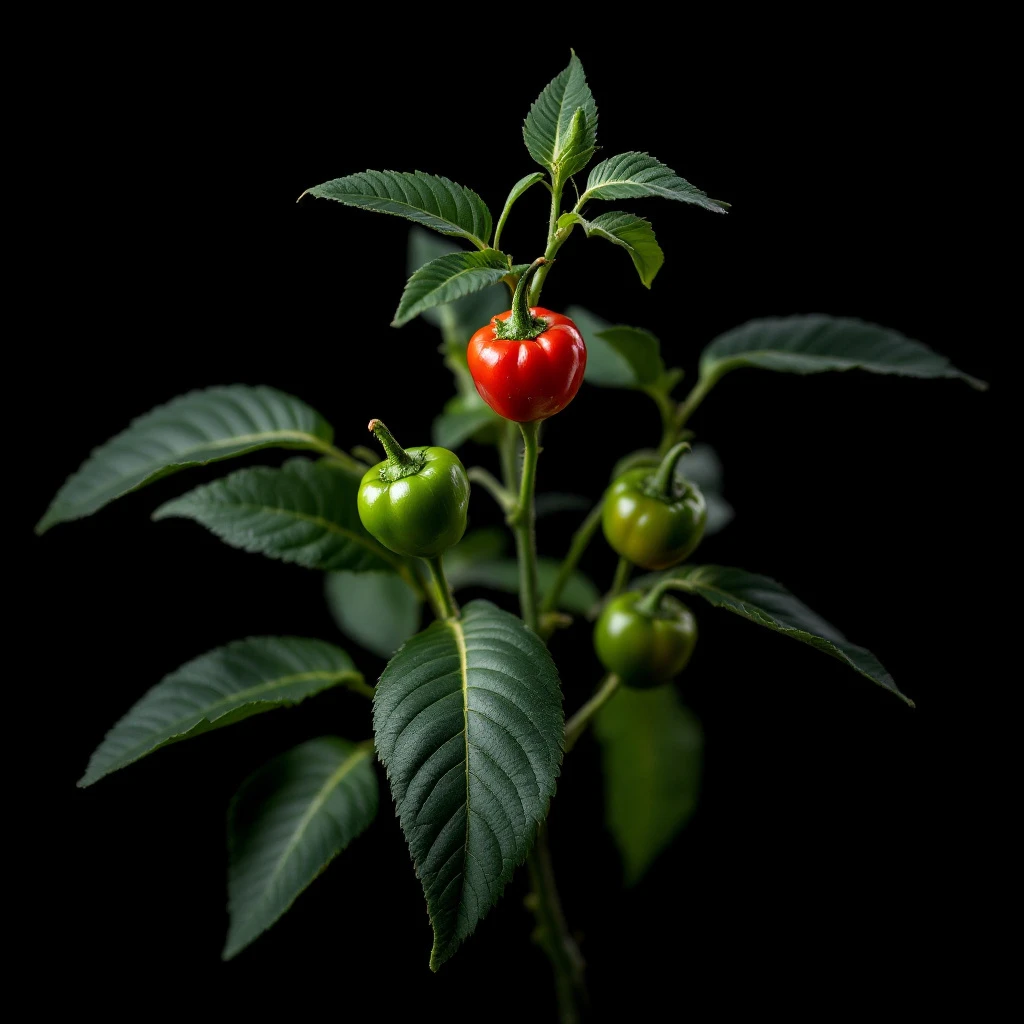
Character
How it smells
Spiced brightness from a South American wanderer.
The Peruvian pepper tree was carried across the Pacific by 18th-century sailors and naturalized so widely in Madagascar that early botanists mistook it for native flora.





Origin
Peru
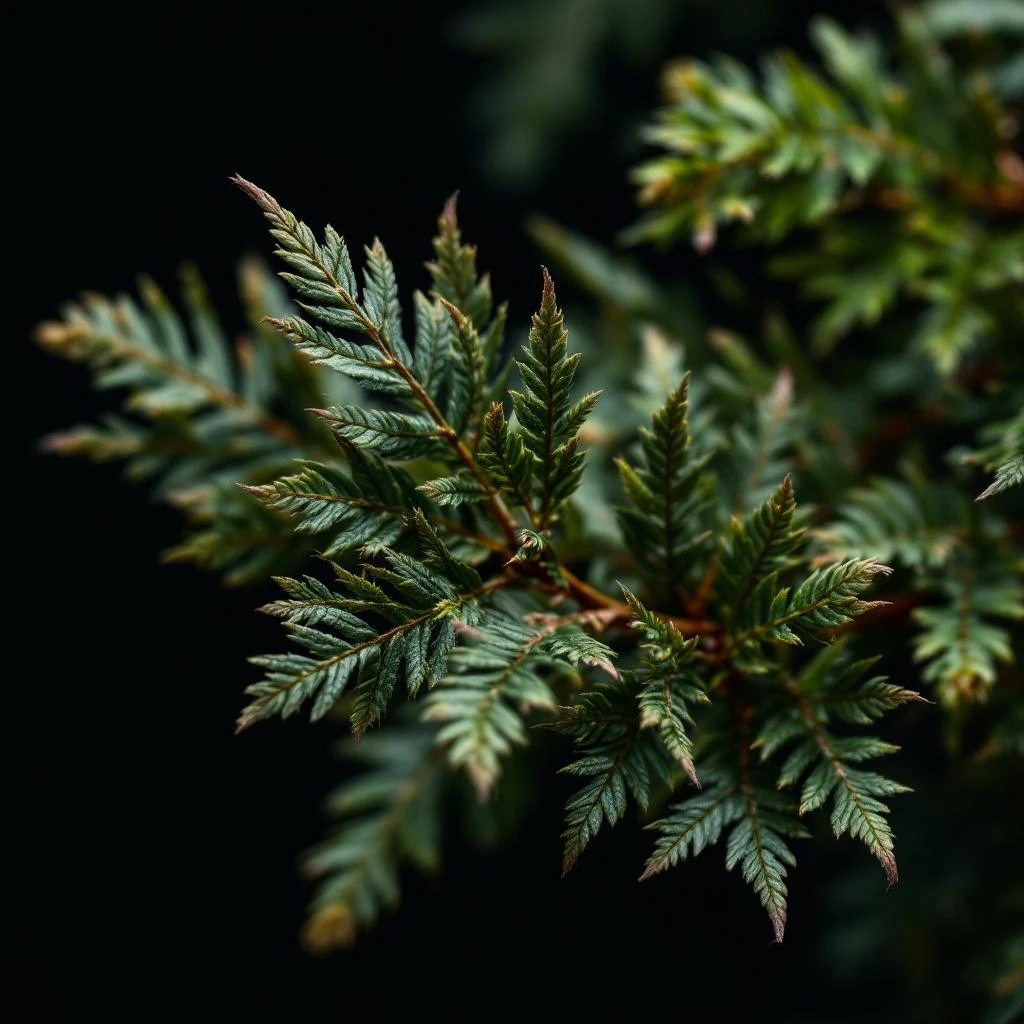
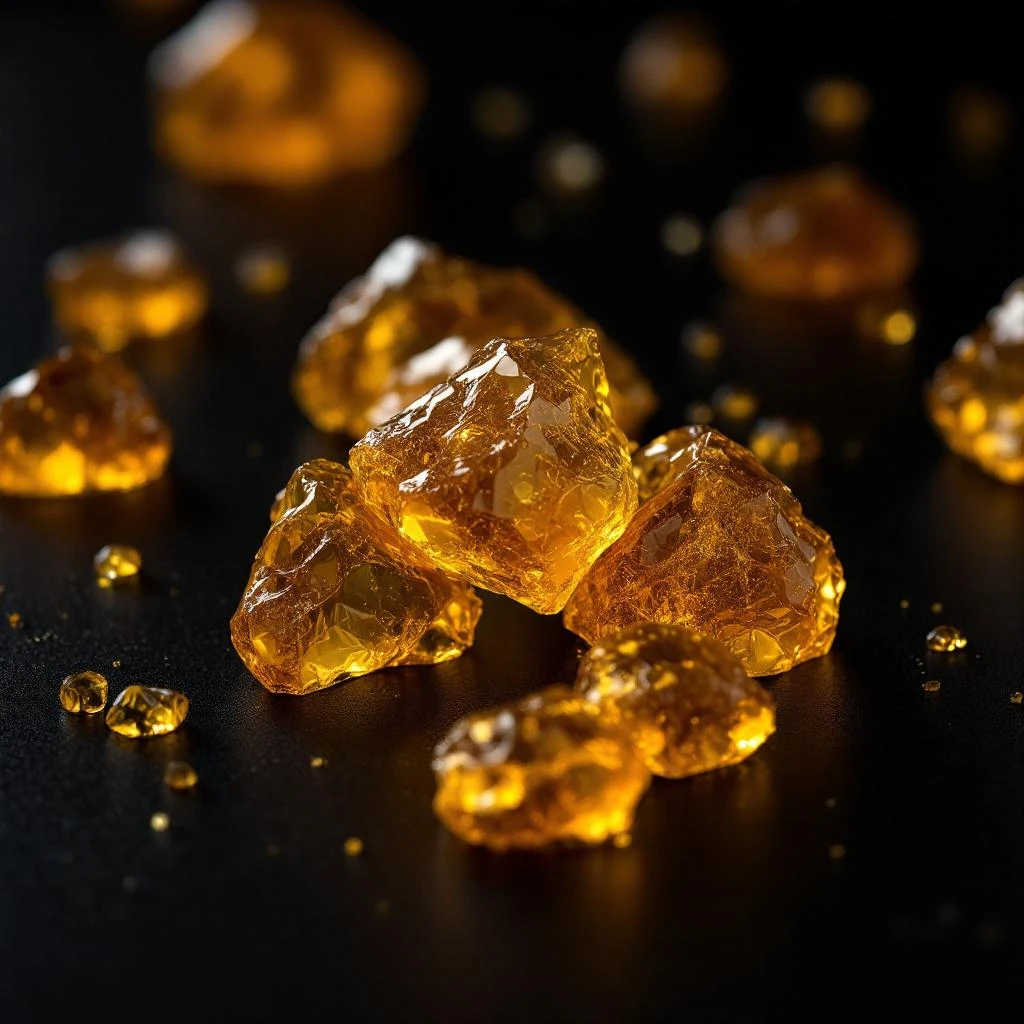
Schinus molle carries the weight of two continents and a name rooted in misunderstanding. Spanish colonists arriving in Peru found Indigenous communities already pressing the coral-pink berries into fermented drinks and grinding them into medicinal pastes. The Incas used every part of the tree, resin for wound care, leaves for antiseptic poultices, and bark for dental health.
Spanish botanists in the 1600s catalogued it under its Quechua-derived name, mulli, and shipped seedlings back to Mediterranean gardens where the graceful weeping habit made it an ornamental favorite. By the 18th century, Spanish missionaries carried the tree across the Pacific to the Philippines and onward to Madagascar, where it escaped cultivation and now dominates entire hillsides. French perfumers working with Madagascar material in the mid-20th century recognized its aromatic potential and began isolating the berry oil for fine fragrance.
Today the ingredient appears in both avant-garde compositions and classic masculine structures, often as a sparkling top-note bridge between citrus and woody bases.
Wears it best
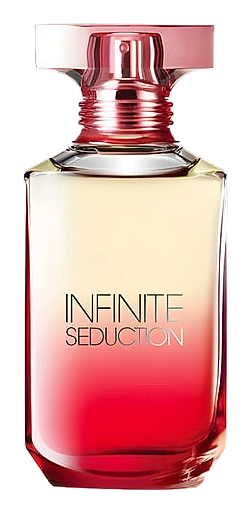
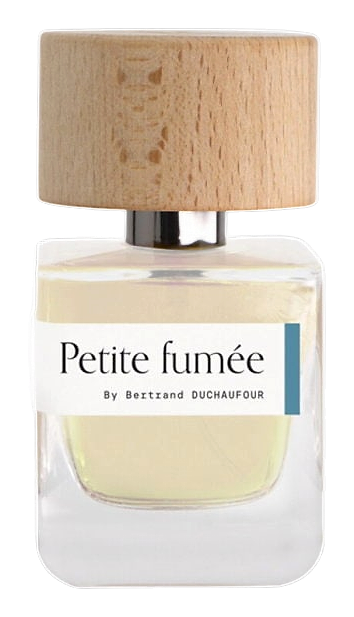
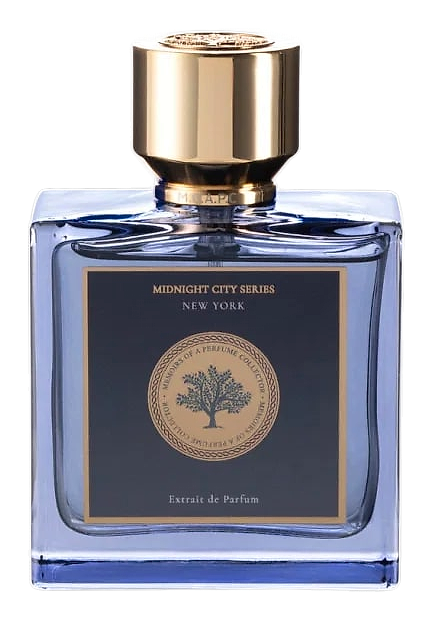
Fragrances featuring Pepper Tree
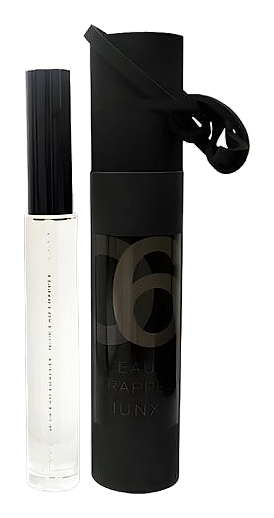
Brands
Brands known for Pepper Tree
Good to know
Questions, answered
The essentials on Pepper Tree in perfumery: how it smells, where it comes from, and how it behaves on skin.
Is pink pepper the same as black pepper?
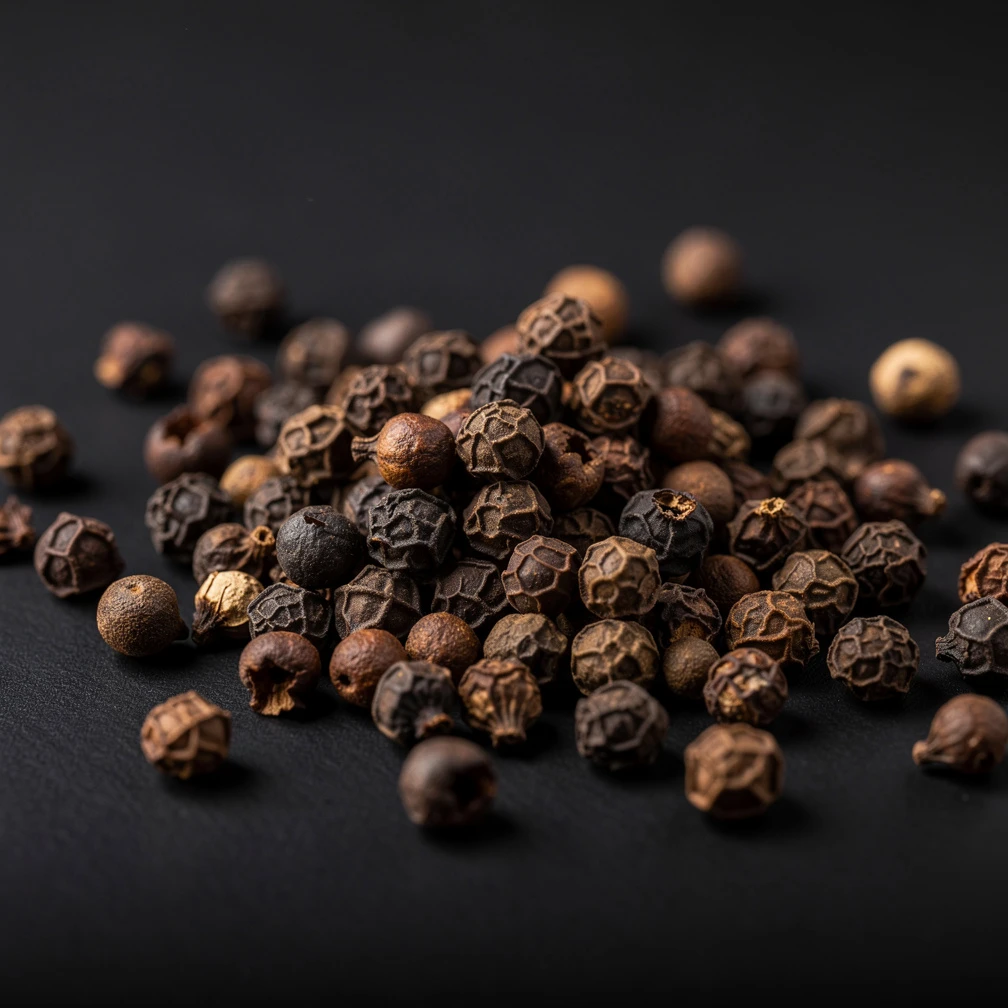
No. Pink pepper comes from the berries of Schinus molle, a South American tree, while true black pepper derives from Piper nigrum vines native to Kerala, India. Their aromatic profiles differ: pink pepper reads brighter and more citrus-tinged, black pepper carries deeper fermented heat.
Where is pink pepper tree essential oil produced today?
The bulk of perfumery-grade material comes from Madagascar, where Schinus molle was introduced centuries ago and now grows wild across central highlands. Smaller volumes originate from Peru and Bolivia for niche and traditional applications.
What does pepper tree smell like in a perfume?
The oil opens with a sharp peppery spark layered over pink grapefruit and crushed leaf. The drydown settles into soft resinous warmth with faint woody facets, making it a versatile bridge between bright top notes and heavier base materials.
Is pepper tree safe to use in fragrance?
Yes, the distilled essential oil is considered safe for cosmetic and perfumery use at standard concentrations. The whole berries can cause allergic reactions in sensitive individuals when ingested, but this does not apply to the isolated oil used in fragrance compositions.
How is pink pepper extracted for perfumery?
Ripe berries undergo steam distillation in stainless chambers. Pressurized steam ruptures the oil cells, the vapor condenses in a cooled coil, and the resulting liquid separates in a florentine flask. Typical yields run between two and three percent by weight.
Which perfumes famously feature pepper tree?
Pink pepper became a signature top note in several 1990s and 2000s compositions. Notable examples include Thierry Mugler Angel and several masculine flankers in established designer lines where the bright spiced lift opens the structure.
Can pepper tree oil go rancid?
The distilled oil has reasonable shelf stability, typically two to three years when kept sealed and away from light and heat. Oxidized material loses its top-note sparkle and develops a flat turpentine-like edge that perfumers learn to detect quickly.
Why do perfumers use pepper tree instead of black pepper?
Pink pepper offers a cleaner, more transparent spiced facet that lifts without darkening a composition. Black pepper brings fermented, almost animal warmth suited to gourmand and oriental structures, while pink pepper works in fresher, brighter contexts where clarity matters.



