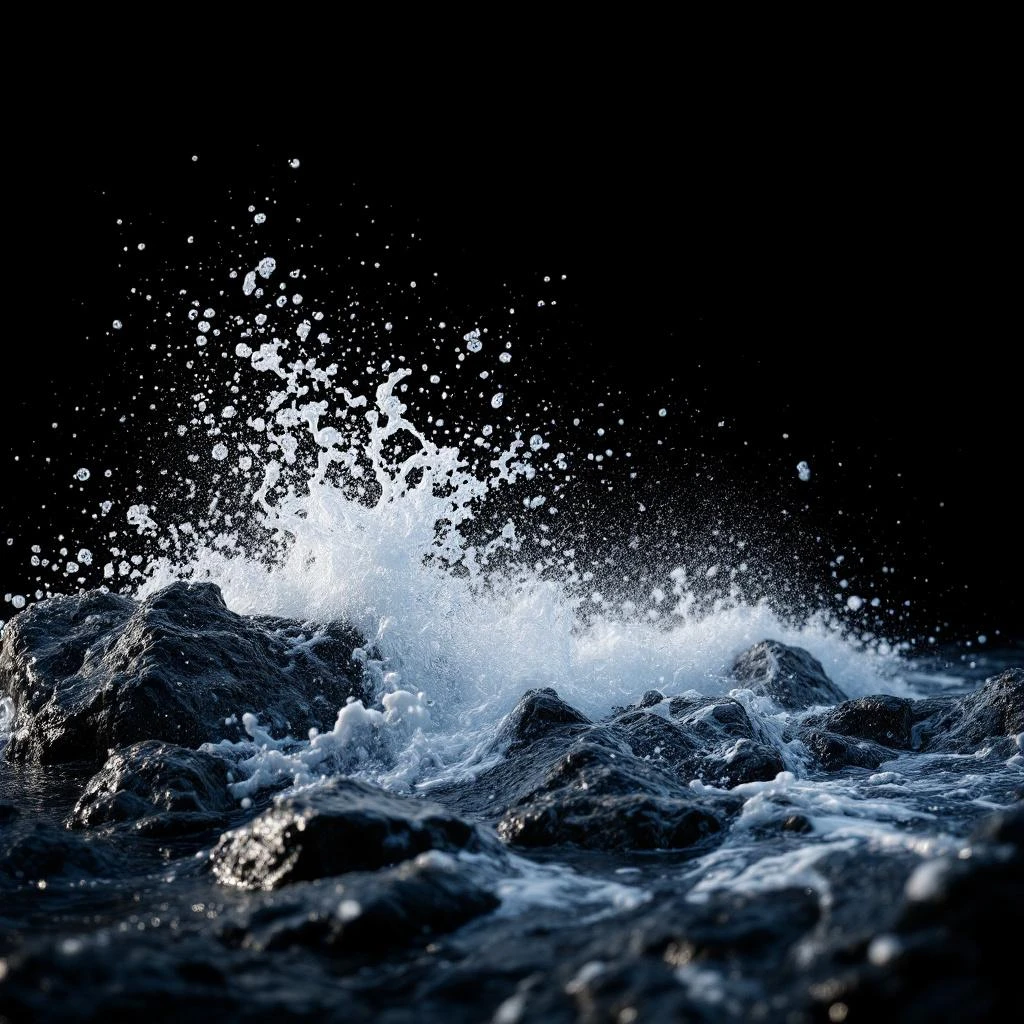
Sea Salt Air
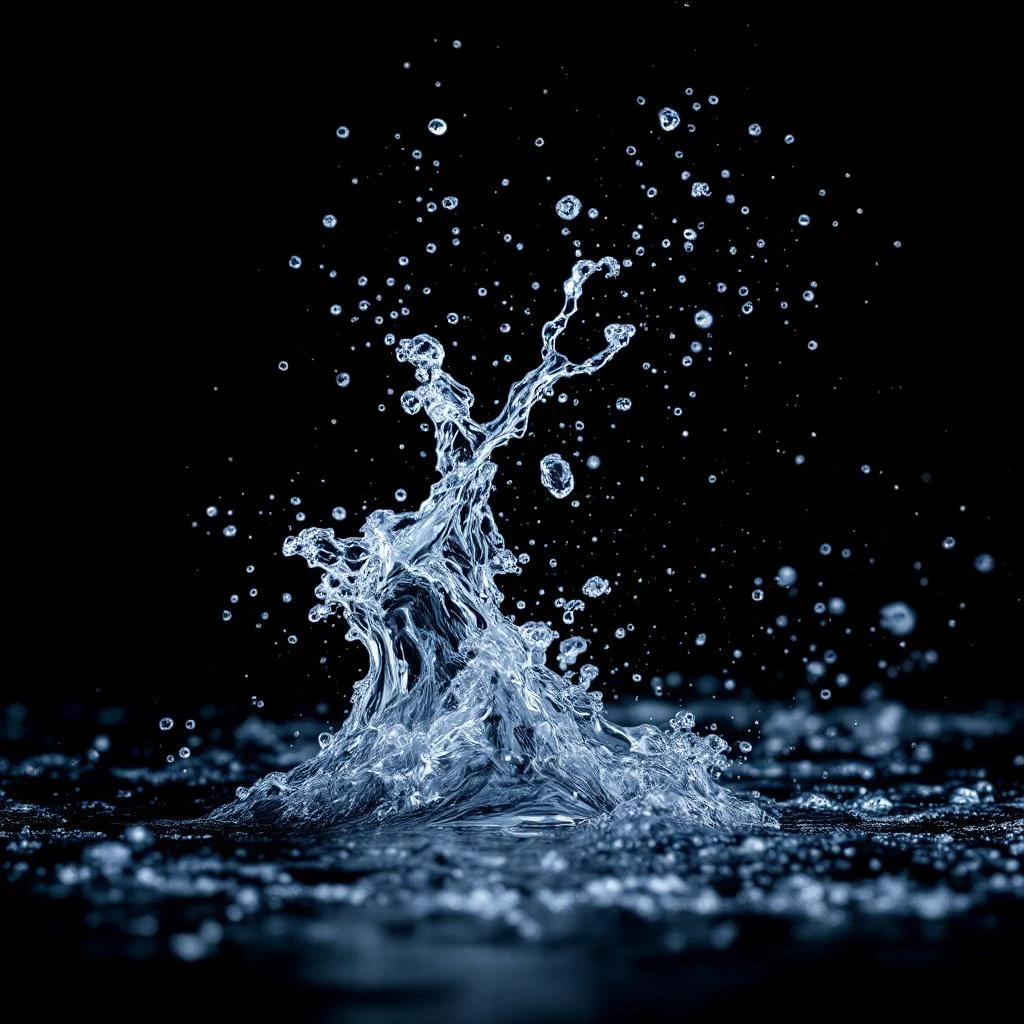
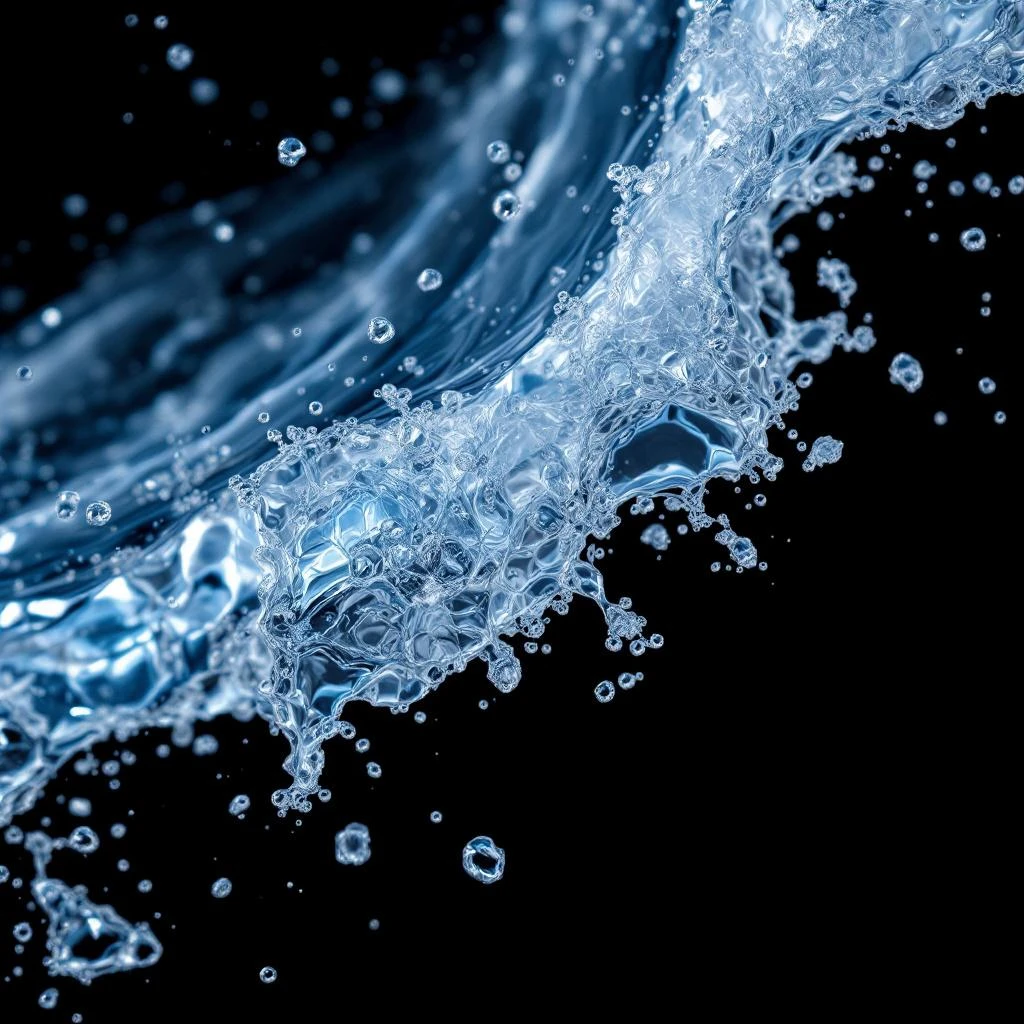
The crisp, mineral freshness of coastal air captured in a bottle. Sea Salt Air is a marine note that evokes ocean breeze, sun-warmed driftwood, and the boundless horizon where sea meets sky.
Character
How it smells
Mineral freshness from the edge of the sea.
Marine accords only appeared in perfumery in the late 1970s, after the synthetic molecule Calone was discovered.




Origin
United States (synthetic), Atlantic Ocean (ambergris)
Marine notes have ancient roots in perfumery. Ancient Mediterranean civilizations prized seawater as a perfumery ingredient, and the Greek physician Herodotus documented maritime trade in aromatic materials. Ambergris held particular significance, appearing in European apothecary texts from the 12th century onward.
Whalers harvested it from the Atlantic, and it commanded premium prices as a perfume fixative. Yet true ocean-inspired accords did not exist until the late 20th century. The 1970s brought a revolution when Calone, synthesized by Pfizer in the 1960s, entered the fragrance industry.
This breakthrough molecule enabled perfumers to create recognizable marine effects for the first time, spawning an entirely new fragrance family. The aquatic category exploded after Calvin Klein introduced CK One in 1994, and marine notes now define countless modern fragrances across all market segments.
Wears it best
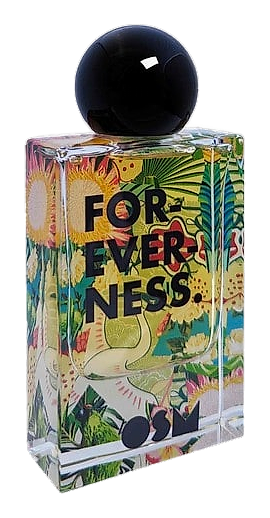
Fragrances featuring Sea Salt Air
Brands
Brands known for Sea Salt Air
Good to know
Questions, answered
The essentials on Sea Salt Air in perfumery: how it smells, where it comes from, and how it behaves on skin.
What is Sea Salt Air in perfumery?
Sea Salt Air is a marine fragrance note that evokes the smell of ocean air, coastal minerals, and sunlit seawater. It appears as a top or heart note and delivers freshness, brightness, and a clean, expansive quality to fragrances.
Is Sea Salt Air natural or synthetic?
Most Sea Salt Air accords are synthetic. Natural sources include sea salt and ambergris, but true marine notes rely on lab-created molecules like Calone to reproduce the crisp, ozonic character of ocean air with consistent quality.
What does Sea Salt Air smell like?
Sea Salt Air reads as fresh, mineral, and slightly briny. It carries oceanic crispness with hints of wet stone, sun-dried driftwood, and clean air. It adds transparency and lift rather than sweetness to fragrance compositions.
What ingredients combine to create marine accords?
Marine accords combine ozonic molecules like Calone, Watermelon Ketone, and Apiscalp with mineralic and iodine-like materials. Ambergris adds sweet, waxy depth. The interplay between these synthetic and natural elements creates realistic ocean air effects.
When did marine notes first appear in perfumery?
Marine notes emerged in the late 1970s following the commercial introduction of Calone. Before this, perfumers used non-marine ingredients to suggest water, but true ocean-inspired accords did not exist until synthetic marine molecules became available.
What fragrance families pair well with Sea Salt Air?
Sea Salt Air pairs naturally with citrus, green, and aquatic fragrance families. It also complements woody compositions by adding freshness, and it softens oriental fragrances with its clean, mineral brightness.
Are marine notes found in natural perfumery?
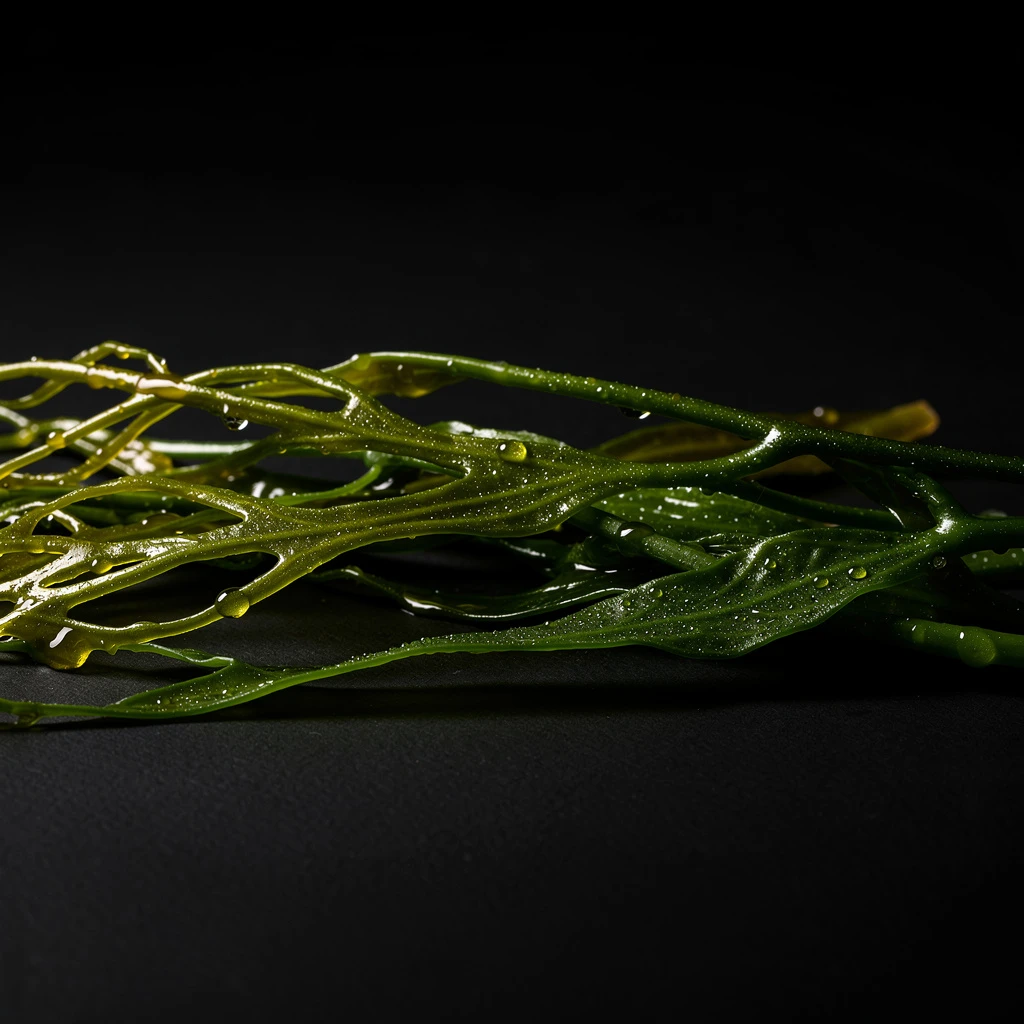
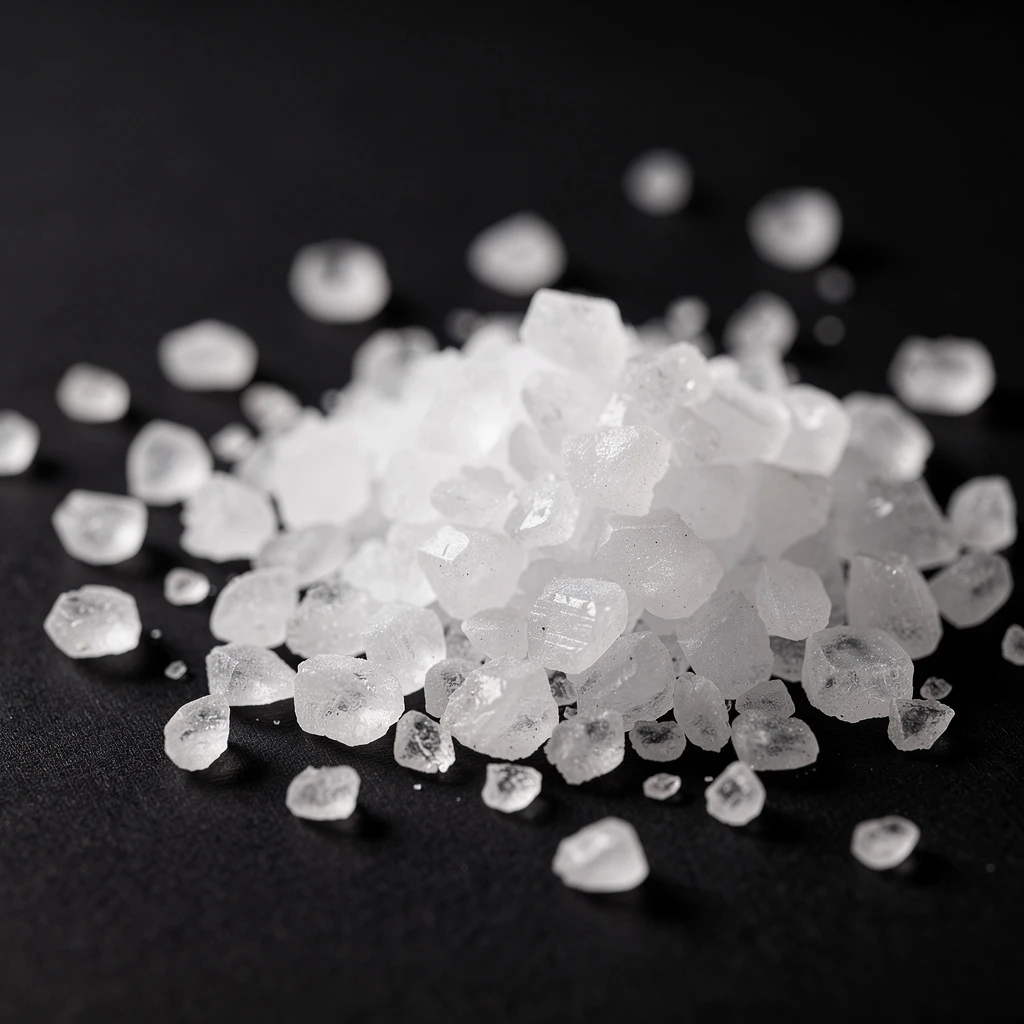
Natural perfumery uses ambergris and sea salt to create salty effects, but these materials are inconsistent and rare. Achieving true marine character without synthetics remains challenging, making natural marine attempts relatively uncommon.
Which perfumes made marine notes mainstream?
Calvin Klein CK One (1994) and Davidoff Cool Water (1988) established aquatic fragrances as a major category. These mass-market launches demonstrated commercial demand for marine notes, influencing high-end perfumery for decades afterward.