Scottish Tobacco
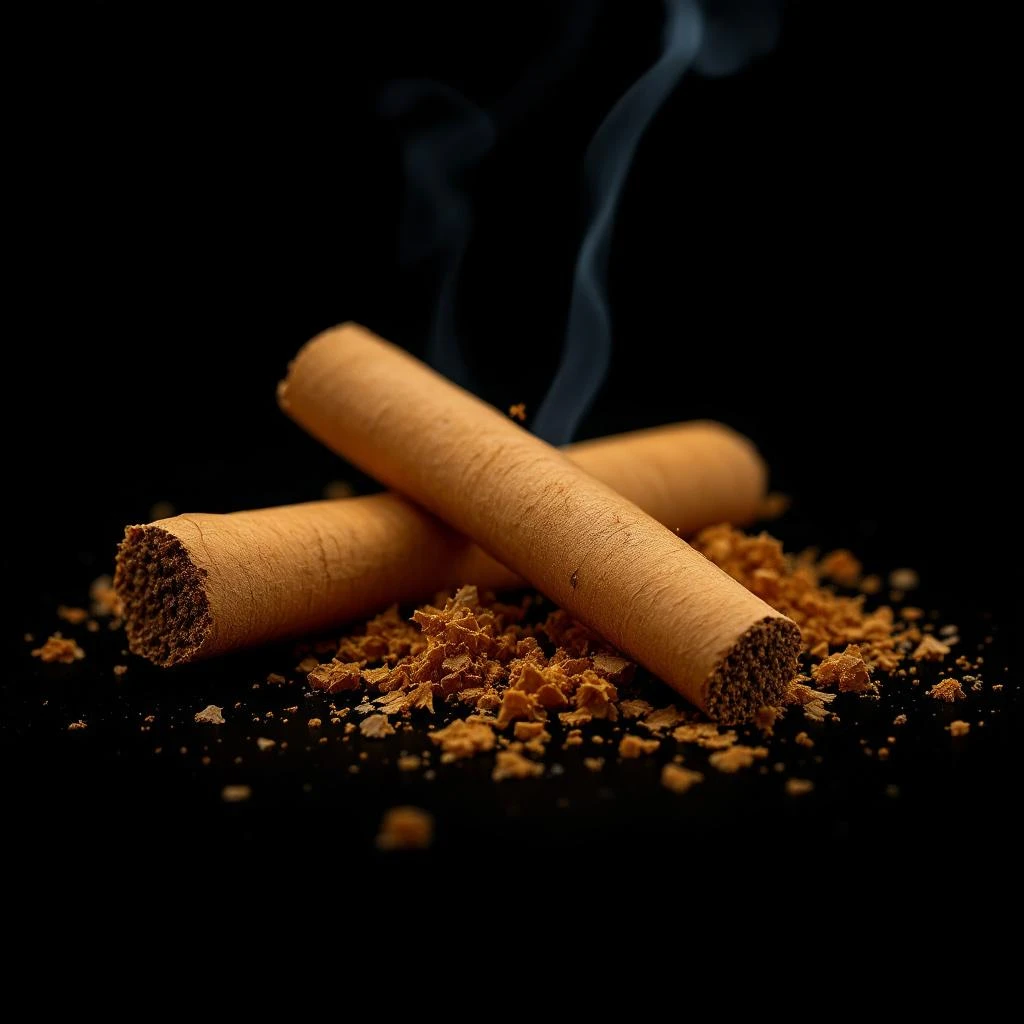
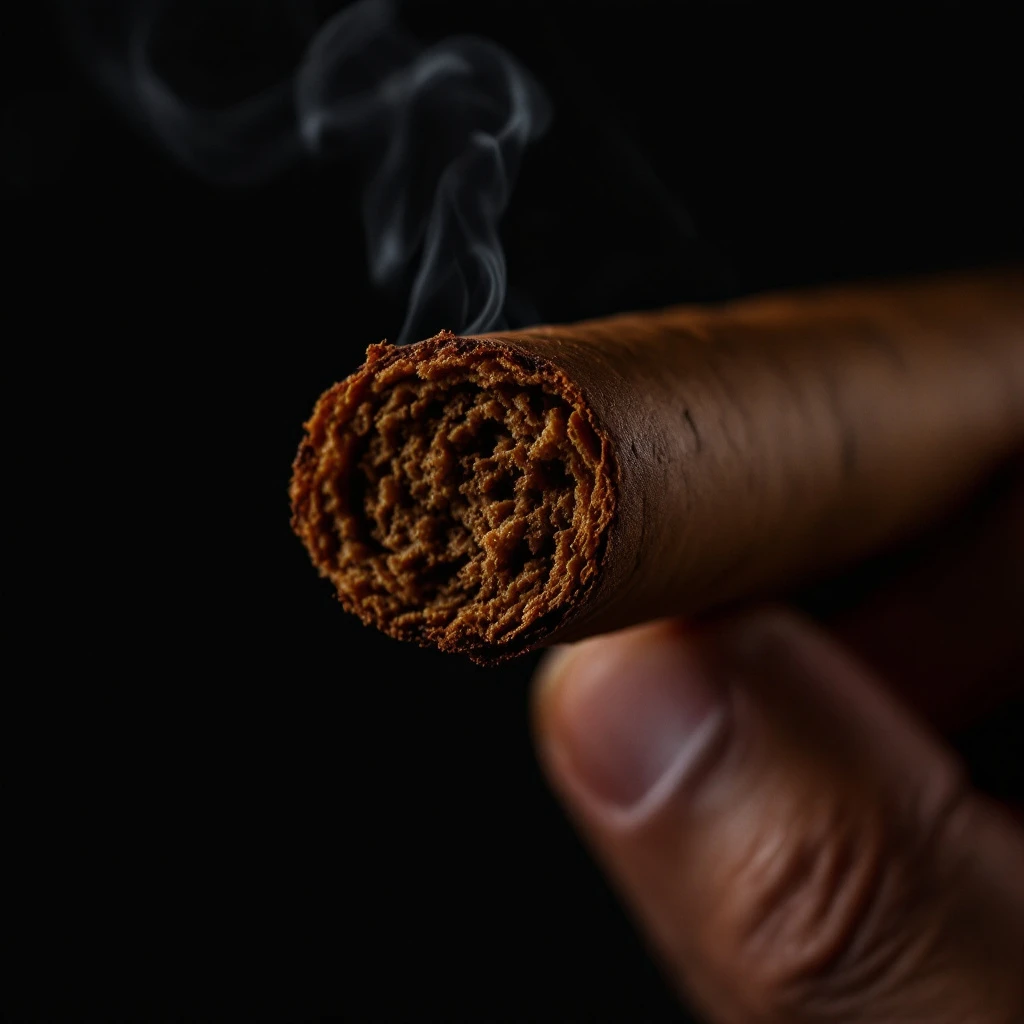
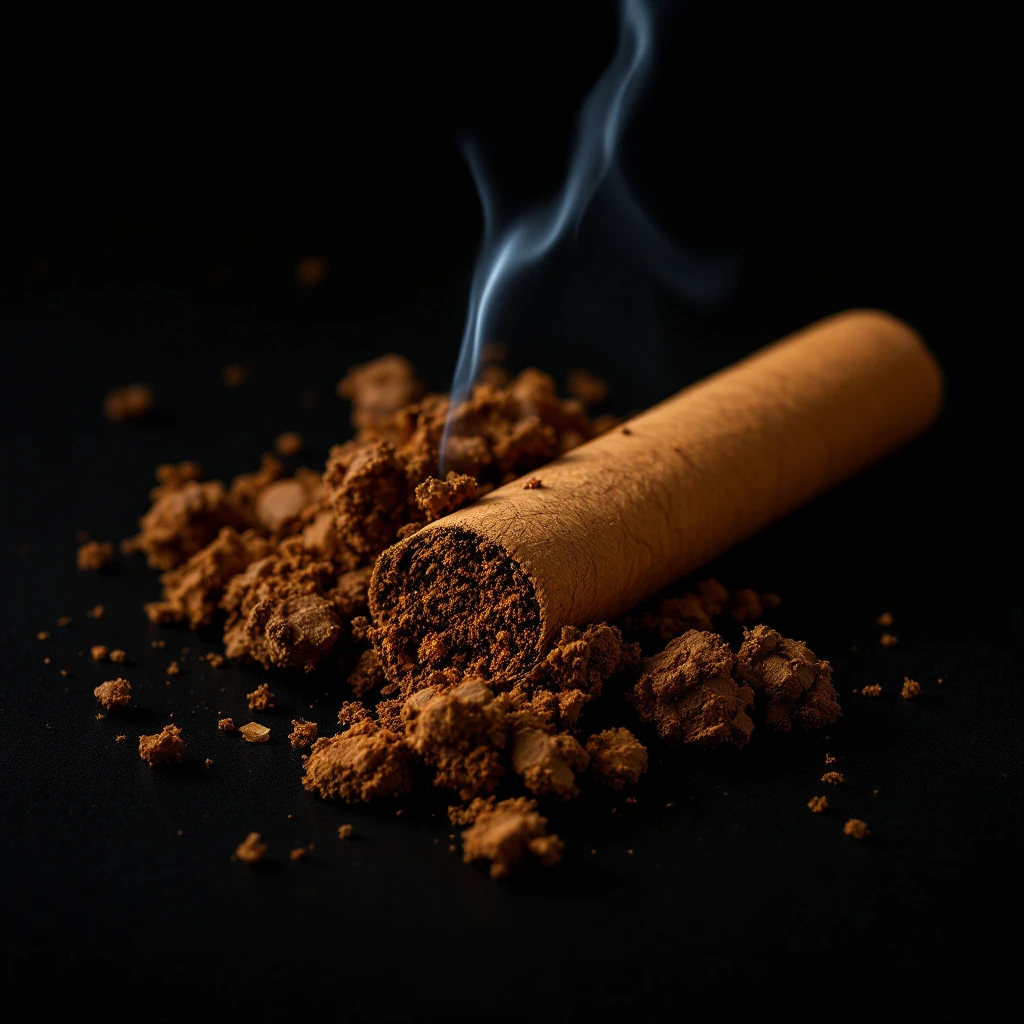
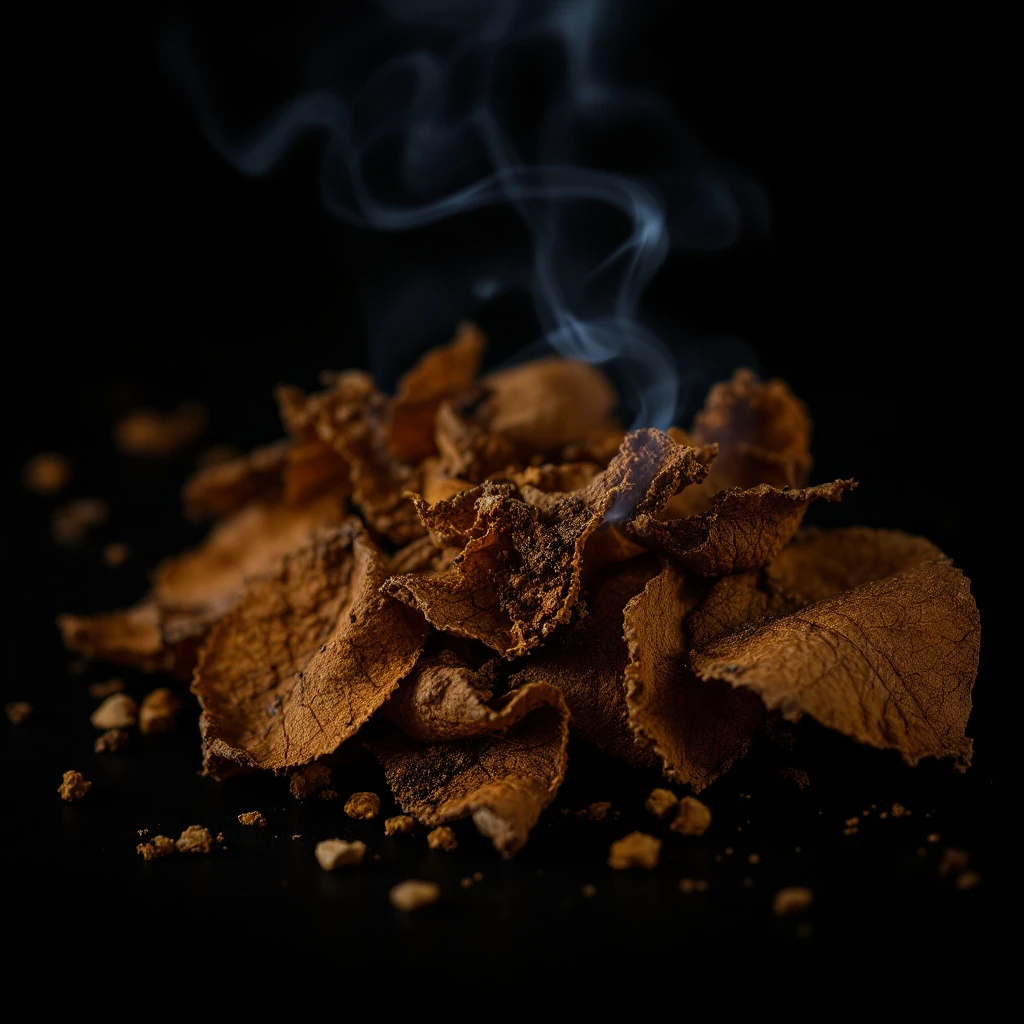
Smoky, honeyed, and dry, Scottish Tobacco captures the character of cured leaves through an accord built around warmth, subtle sweetness, and incense-like depth.
Character
How it smells
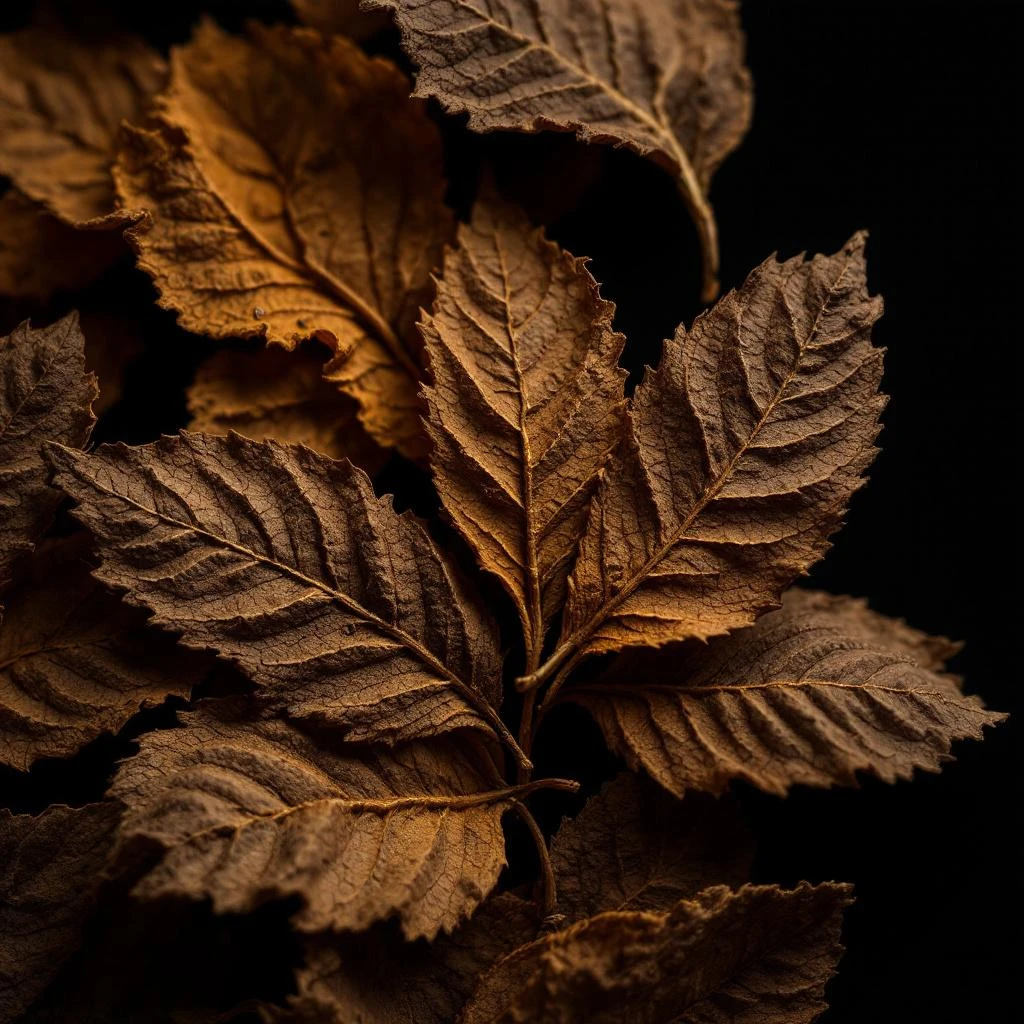
Cured leaves, woodsmoke, and quiet warmth.
Tobacco became a prominent perfume note in the 19th century, with Caron's Tabac Blond in 1919 often cited as a landmark.
Origin
Bulgaria
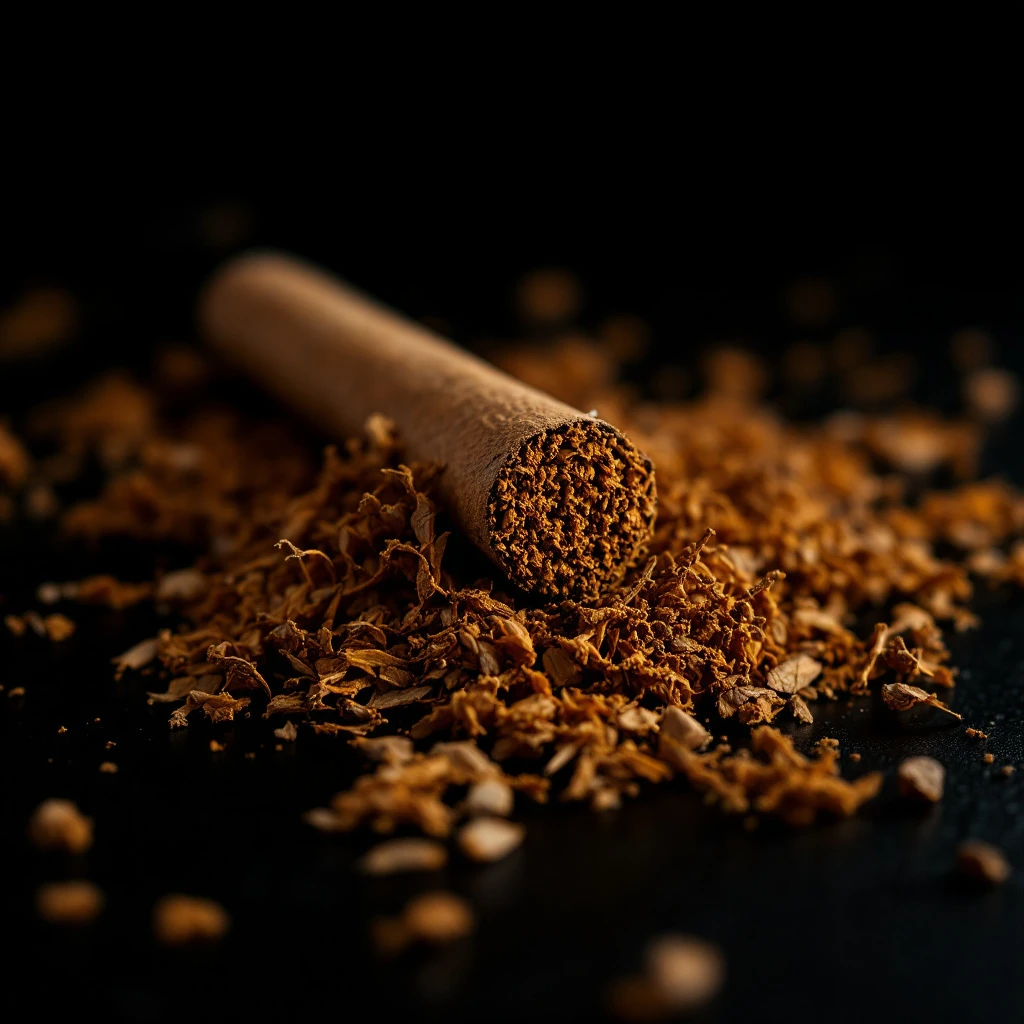
Tobacco reached Europe after its arrival from the Americas in the 16th century, becoming a sought-after plant and luxury material. Its role in perfumery developed later, particularly during the 19th century, when its dried, smoky character became valued in scented products.
Caron's Tabac Blond, released in 1919, is frequently credited as a landmark fragrance built around tobacco. The ingredient also carries complicated cultural associations with trade, colonialism, and changing social habits.
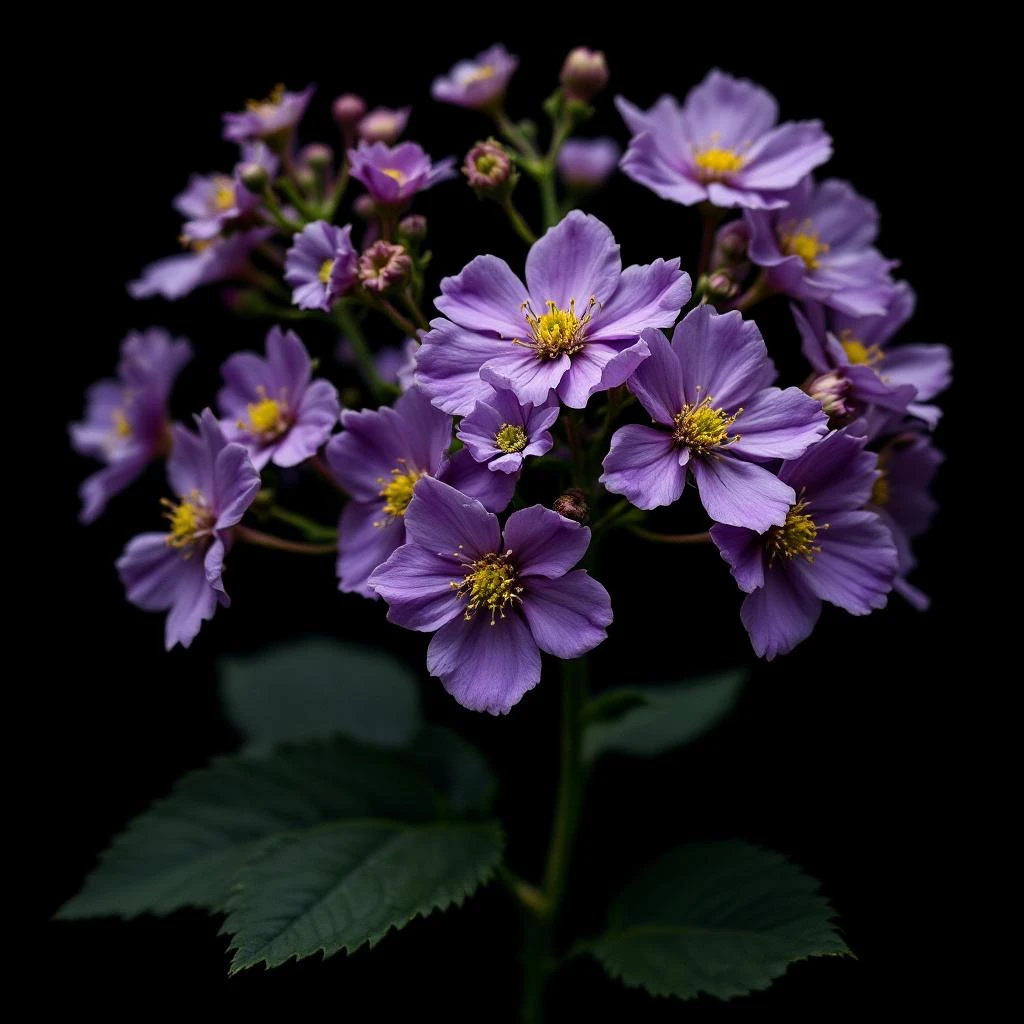
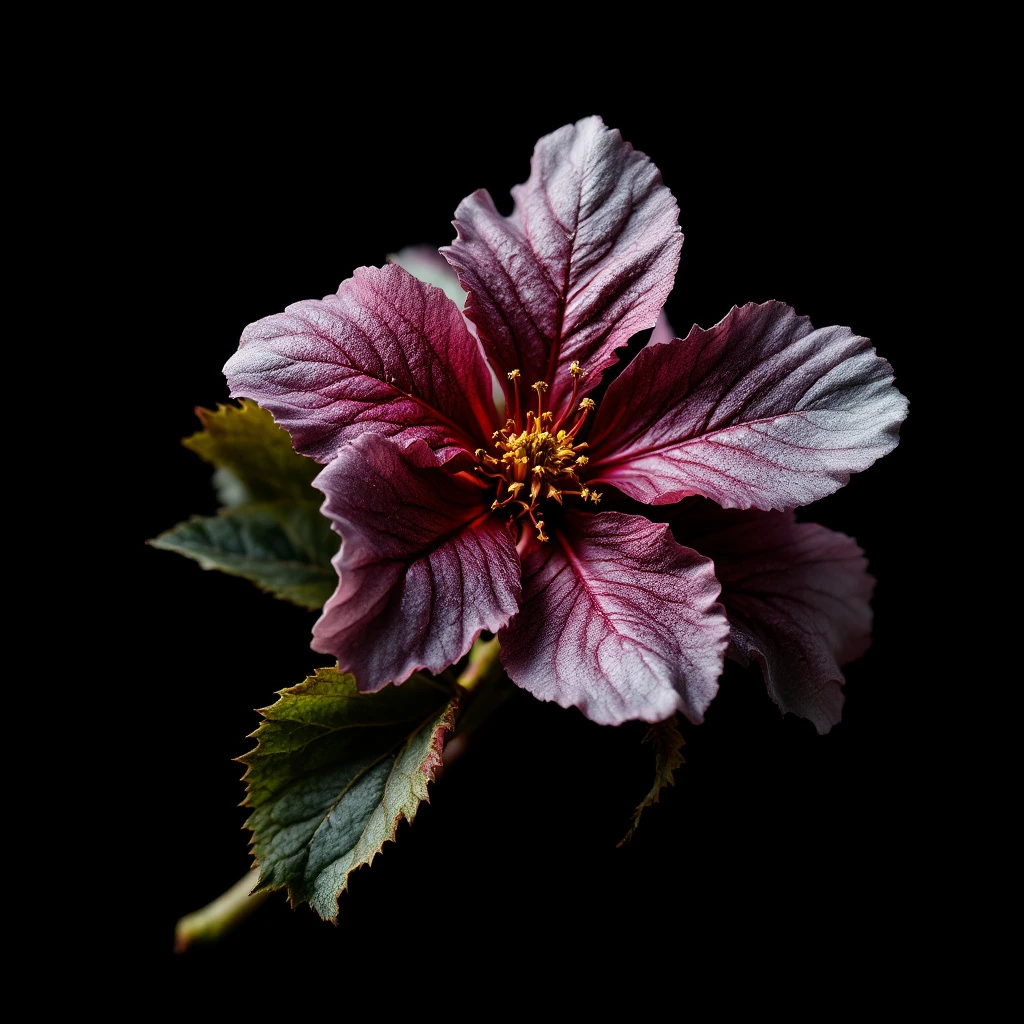
Scottish perfumery connects tobacco with a broader tradition of local craft and natural materials, using the note as a bridge between dark leaf, dry woodsmoke, and the heathery character of the landscape. The result is less about recreating tobacco itself than suggesting its atmosphere: warm, dry, slightly sweet, and quietly smoky.
Wears it best
Fragrances featuring Scottish Tobacco
Brands
Brands known for Scottish Tobacco
Good to know
Questions, answered
The essentials on Scottish Tobacco in perfumery: how it smells, where it comes from, and how it behaves on skin.
What does Scottish Tobacco smell like?
Scottish Tobacco generally smells like cured leaves with dry smoke, warm woods, and a slightly sweet, honeyed edge. Its heathery character adds a cool, natural contrast to the darker tobacco accord.
Is Scottish Tobacco made from real tobacco?
It depends on the fragrance. Some compositions use tobacco absolute extracted from cured leaves, while others recreate the note with carefully selected aromatic materials or a combination of both.
How is tobacco absolute made for perfume?
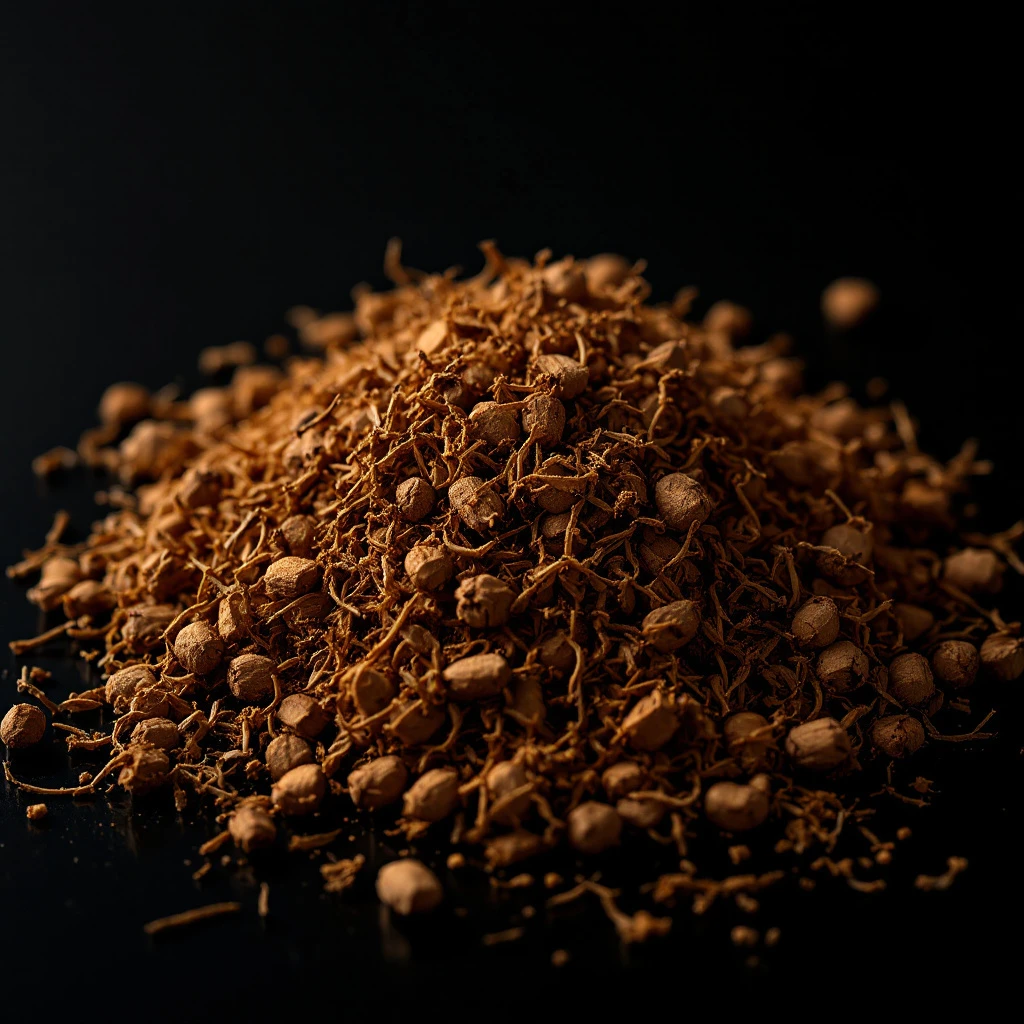
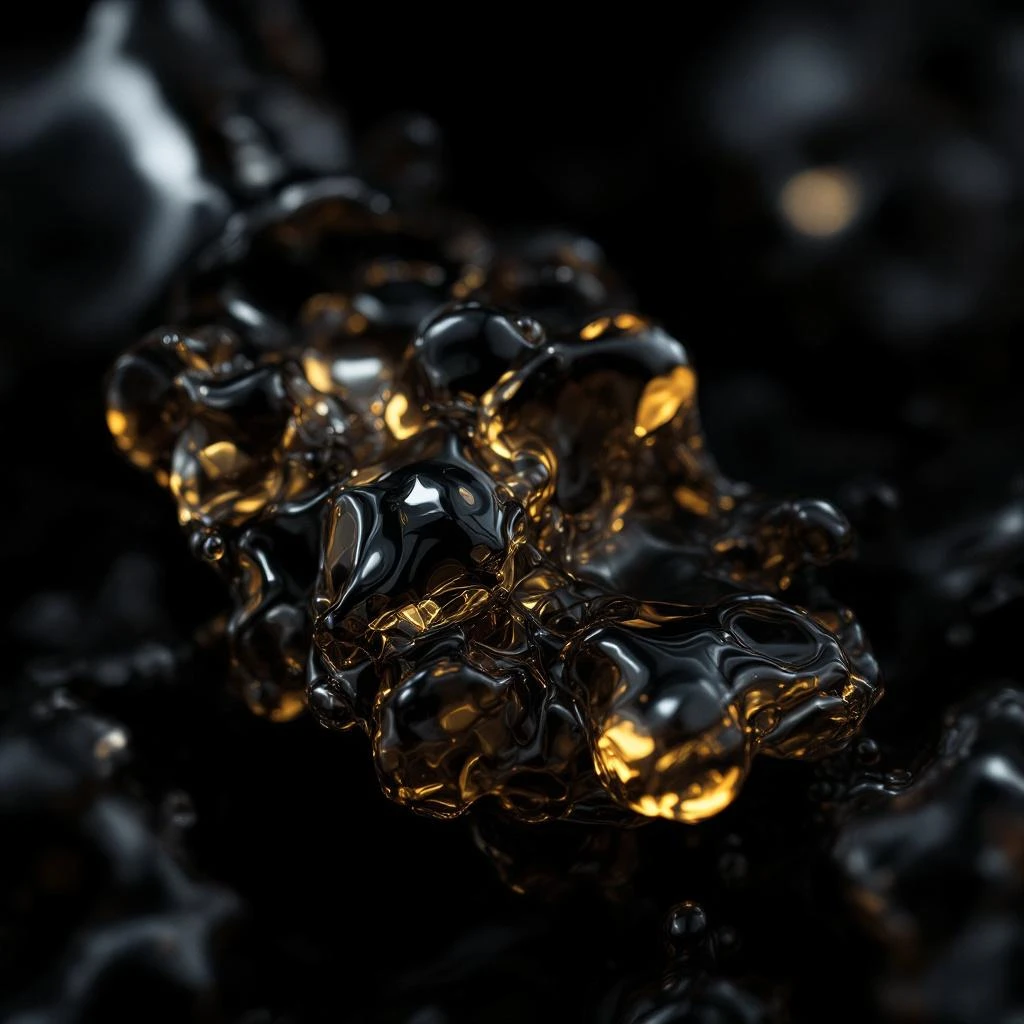
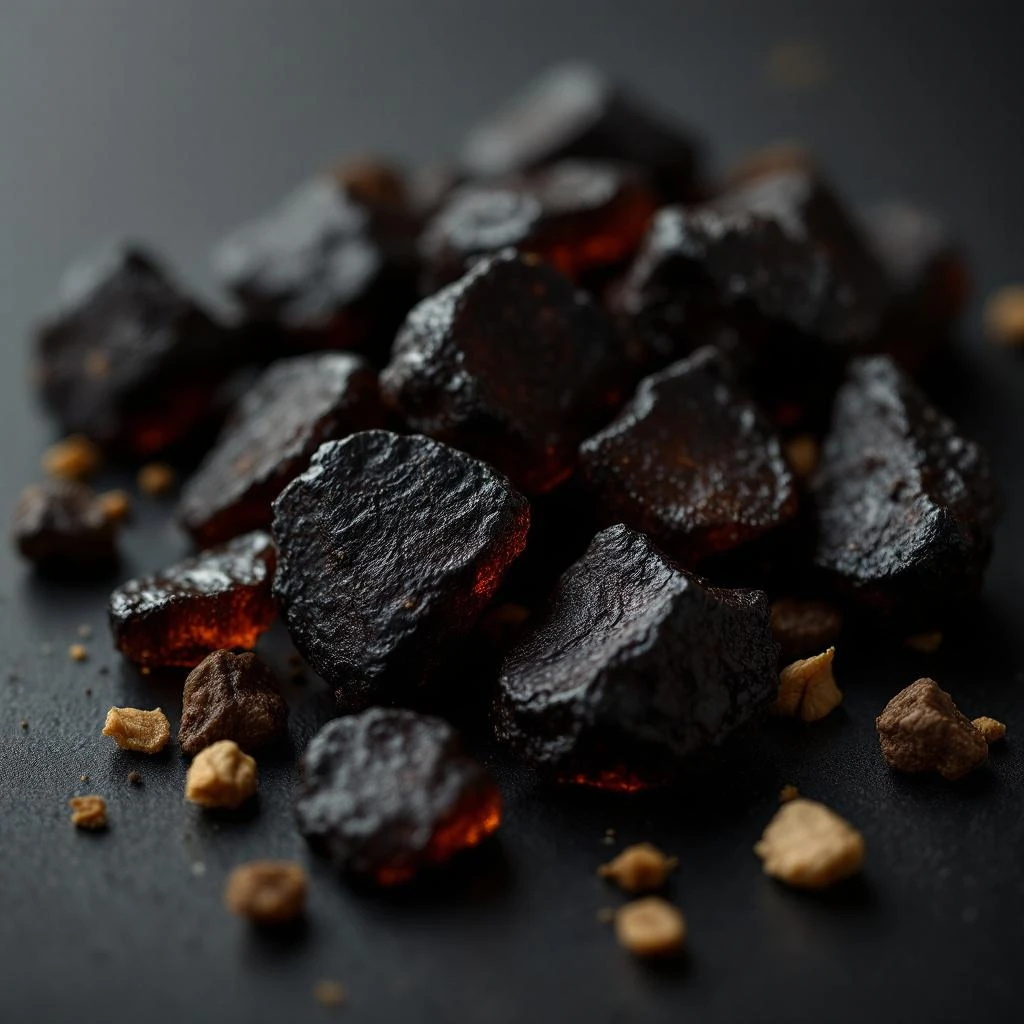
Cured tobacco leaves are dried and fermented, then processed with solvents to draw out their aromatic compounds. The concentrated extract is a brown, viscous liquid with a dense, powerful scent.
Where does tobacco absolute come from?
Tobacco absolute is commonly sourced from Bulgaria, where the plant is grown and processed. Its final aroma also reflects the tobacco variety, soil, climate, and curing methods used.
Why is tobacco used in perfume?
Tobacco brings warmth, depth, and a distinctive dry sweetness to a fragrance. Its smoky and woody qualities can give compositions a rounded, lingering presence when used with restraint.
When did tobacco become important in perfumery?
Tobacco gained substantial recognition in perfumery during the 19th century. Caron's Tabac Blond from 1919 is often cited as a landmark fragrance that established its modern signature.
Does Scottish Tobacco contain Scottish ingredients?
Not necessarily. The name usually describes a Scottish-inspired interpretation, often combining tobacco with heath, woods, moss, or local aromatic references rather than relying only on materials grown in Scotland.
Is tobacco perfume suitable for everyone?
It suits wearers who appreciate smoke, woods, spice, and soft sweetness. The best tobacco fragrances are balanced, so a trace can read as refined and dry rather than heavy or overpowering.