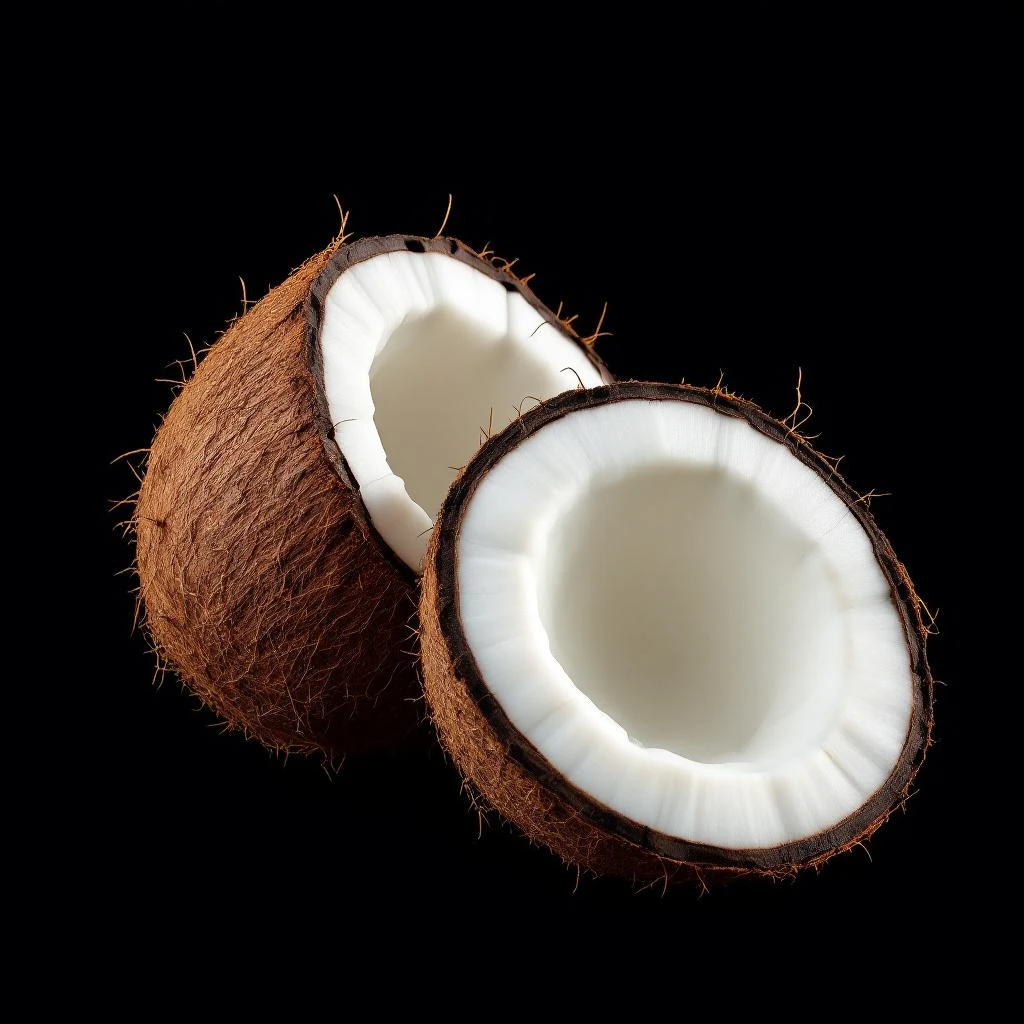
Sangiovese Wine
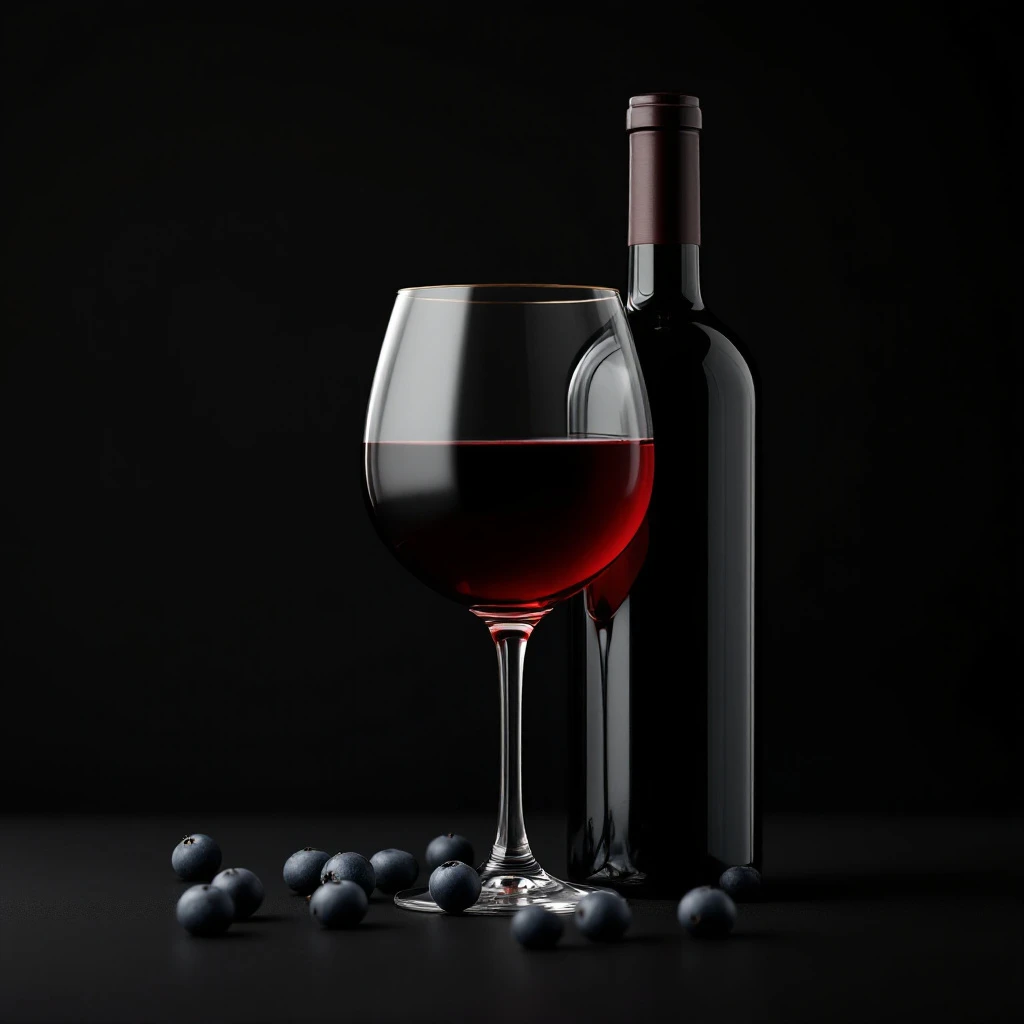
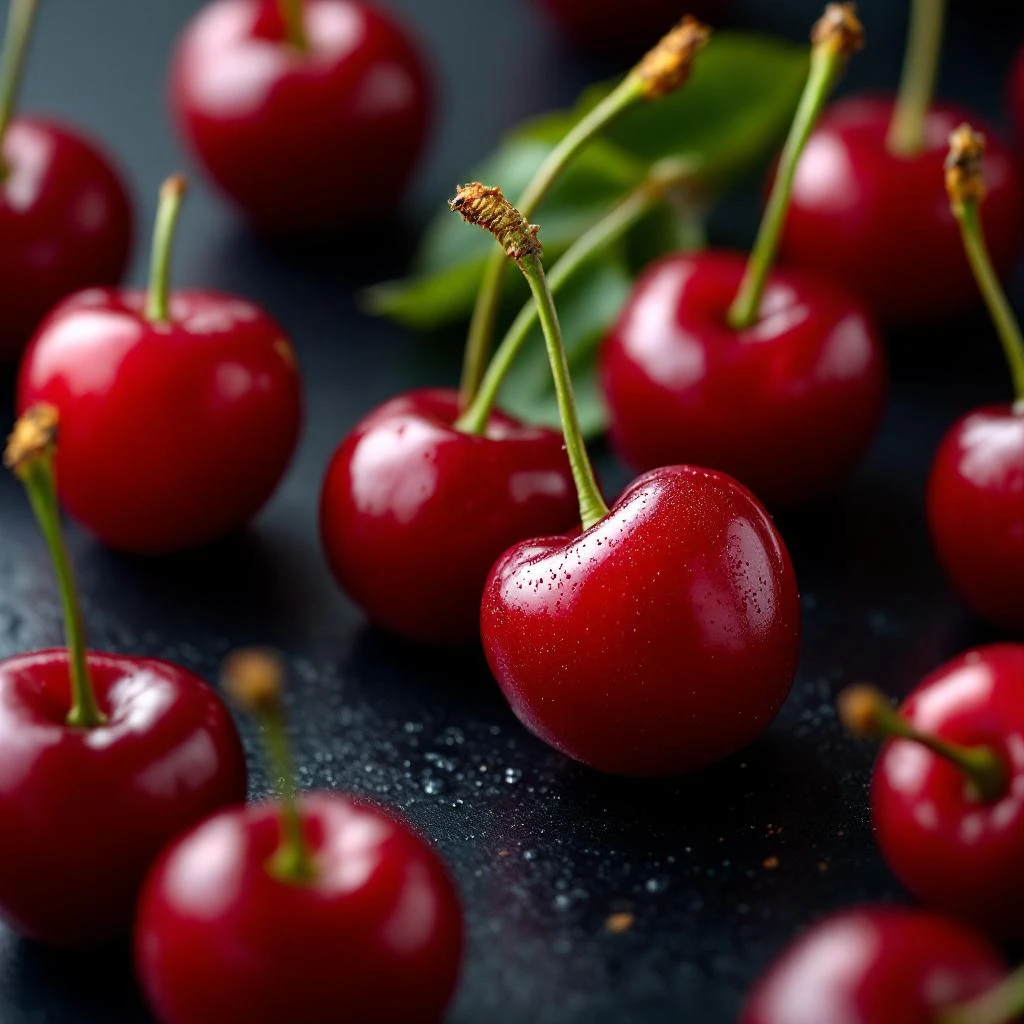
Sangiovese wine essence captures the soul of Tuscany in a single note. Tart cherry, sun-warmed vine leaves, and earthy undertones bring depth and a bright, food-friendly aromatic edge to modern perfumery.
Character
How it smells
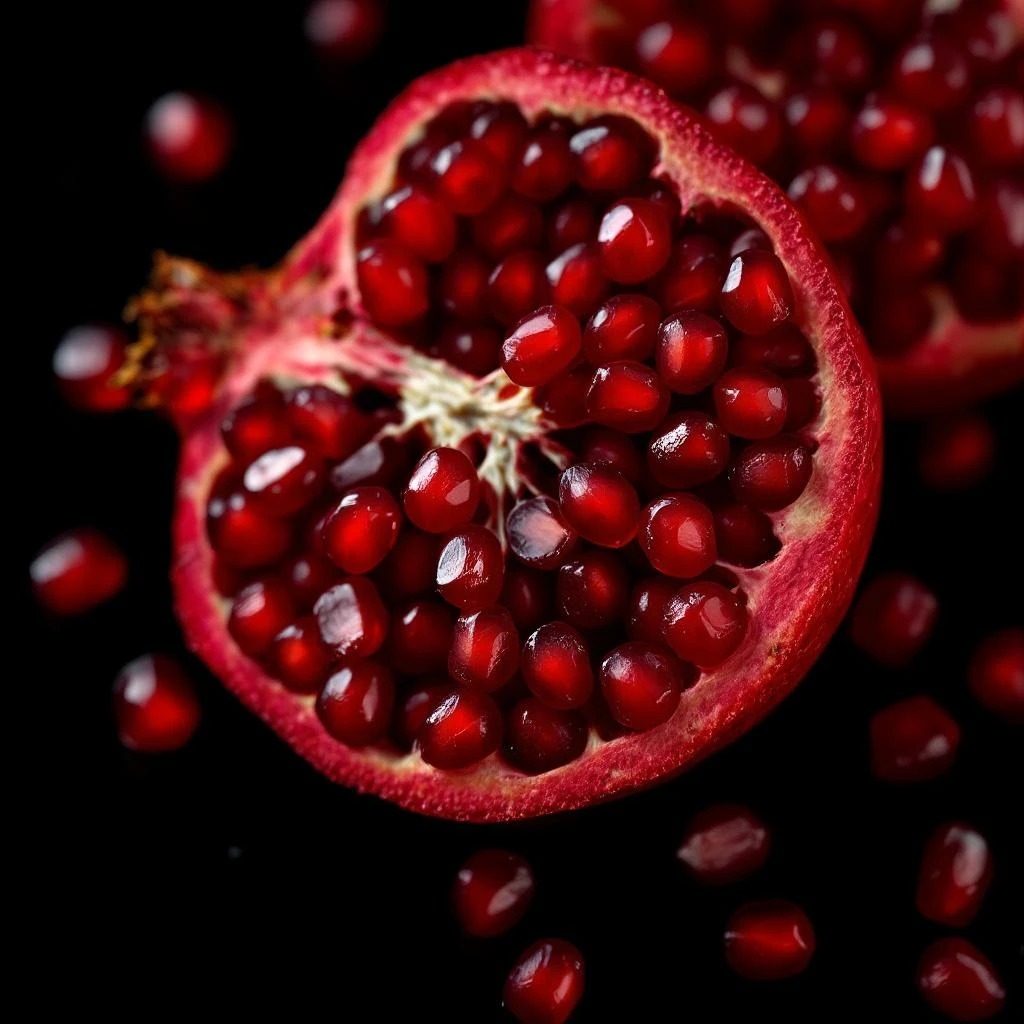
Sun-soaked Tuscan vineyards, bottled into a scent.
DNA testing traced Sangiovese to a natural crossing of Ciliegiolo and Calabrese grapes, a discovery only confirmed in the 21st century.
Origin
Italy
Sangiovese is the most planted red grape in Italy, with more than 70,000 hectares under vine, and has shaped the identity of Tuscan wine for centuries. Historians place its earliest cultivation between the Arno and Tiber rivers during the Etruscan era, roughly the eighth century BC, when viticulture first flourished in central-western Italy. The grape takes its name from the Latin sanguis Jovis, meaning blood of Jove, a reference that connects it to Roman and pre-Roman agricultural traditions.
In 1872, Baron Bettino Ricasoli formalized the Chianti blend by combining Sangiovese with Canaiolo, establishing the formula that still defines the region today. Sangiovese is a natural crossing of Ciliegiolo and Calabrese, confirmed by modern ampelography through DNA profiling. The grape produces wines recognized for bright acidity, savory cherry fruit, and earthy complexity, qualities that translate directly into the perfumer's palette.
Its aroma has become shorthand for central Italian terroir and is now appearing in niche fragrances that aim to evoke vineyard warmth without literal gourmand sweetness.
Wears it best
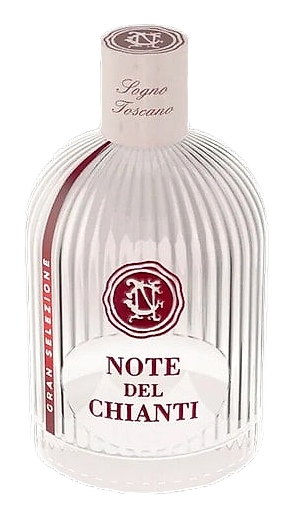
Fragrances featuring Sangiovese Wine
Brands
Brands known for Sangiovese Wine
Good to know
Questions, answered
The essentials on Sangiovese Wine in perfumery: how it smells, where it comes from, and how it behaves on skin.
What does Sangiovese wine smell like in a fragrance?
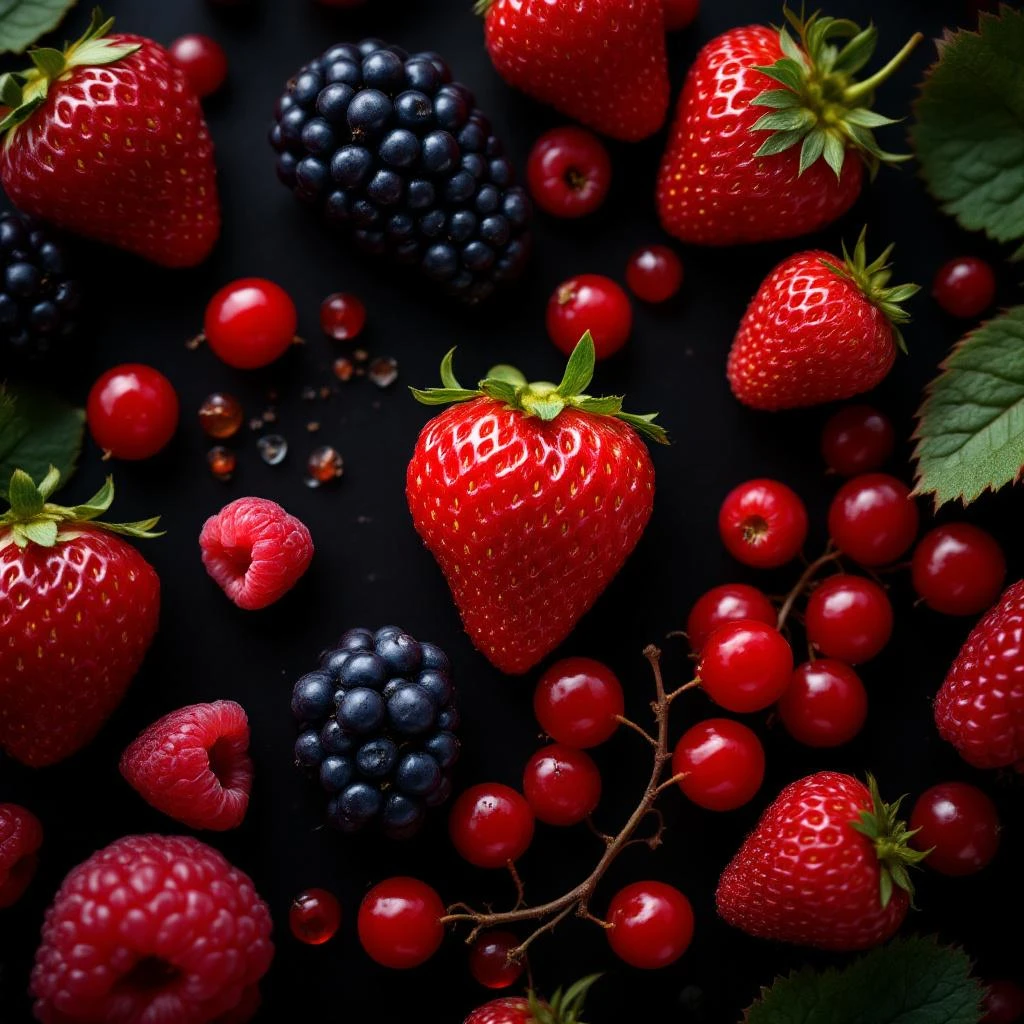
It smells like tart cherry, sun-warmed herbs, and earthy cellar notes, mirroring the grape's natural red-fruit and savory profile. The aroma adds a food-friendly brightness to compositions that lean gourmand or rustic.
Is Sangiovese a grape or a wine note?
In perfumery, it is a wine-derived note extracted from fermented Sangiovese grape juice. The grape itself gives the wine its signature sour cherry and earthy character, which the absolute captures.
Where is Sangiovese originally from?
Sangiovese originated in central-western Italy, between the Arno and Tiber rivers, with cultivation dating back to the Etruscan era around the eighth century BC. It remains Italy's most widely planted red grape variety.
How is the note extracted for perfumery?
Sangiovese wine absolute is obtained through solvent extraction of dealcoholized wine, concentrating its fruity esters and earthy phenolics. Yields are low, making the ingredient rare and typically reserved for niche compositions.
Why is Sangiovese used in fragrance?
Perfumers use it to introduce a tart, vinous brightness that reads as sophisticated and food-adjacent. Its blend of red fruit, herbs, and mineral undertones adds an unexpected savory dimension to floral or gourmand bases.
Is Sangiovese wine absolute expensive?
Yes, because it takes roughly 200 kilograms of Sangiovese wine to produce one kilogram of absolute. The low yield, limited sourcing, and complex extraction process make it one of the pricier natural winemaking byproducts in perfumery.
How was Sangiovese grape first created?
DNA analysis confirmed Sangiovese is a natural crossing of Ciliegiolo and Calabrese grapes. This genetic parentage was only established in the 21st century through modern ampelographic research.
Does Sangiovese wine note contain alcohol?
No. The dealcoholization and solvent extraction process remove ethanol entirely, leaving behind only the aromatic compounds responsible for the wine's scent. The final absolute is alcohol-free and safe for fragrance formulation.