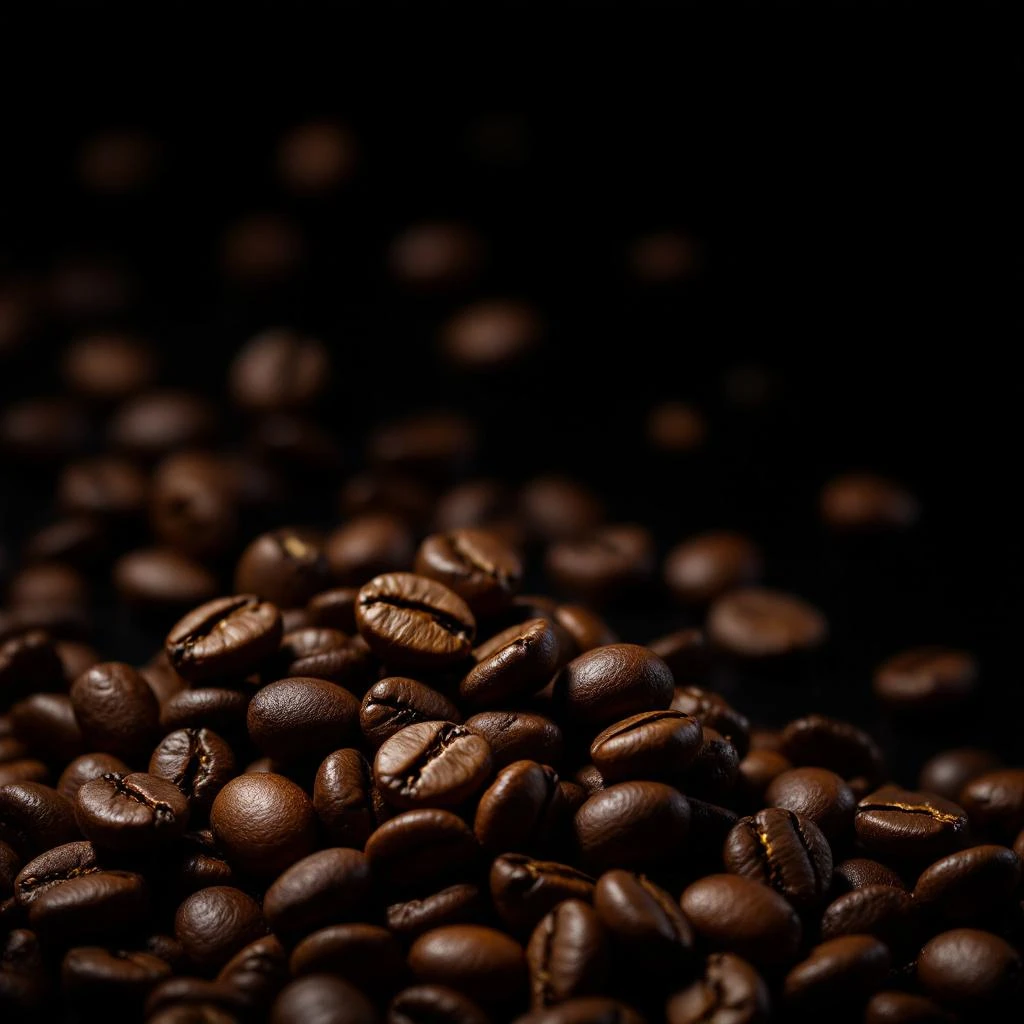
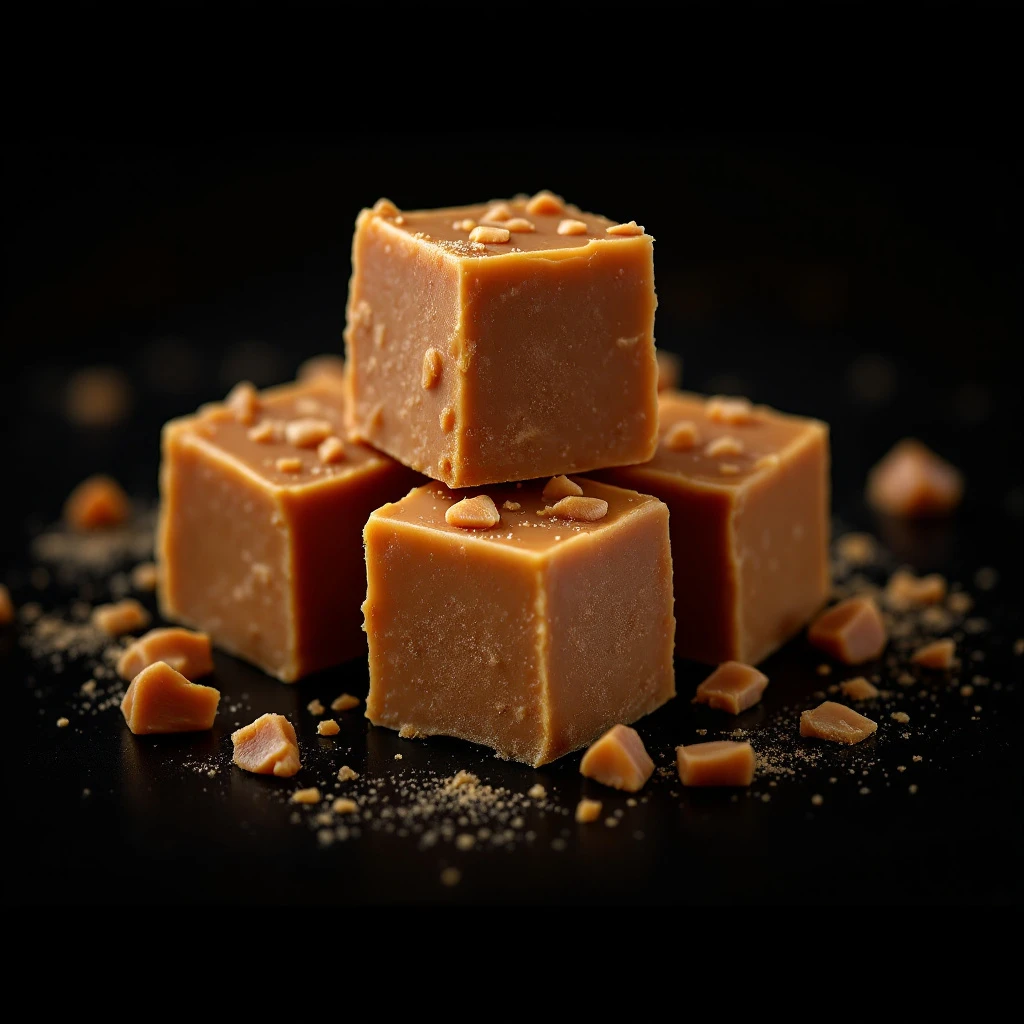
Salted Caramel Fudge
Rich, buttery sweetness meets crystalline mineral depth. Salted Caramel Fudge brings gourmand warmth with a modern edge, evoking handcrafted confectionery without the sugar itself. Discover the chemistry behind this beloved note.
Character
How it smells
Confectionery warmth with mineral sophistication.
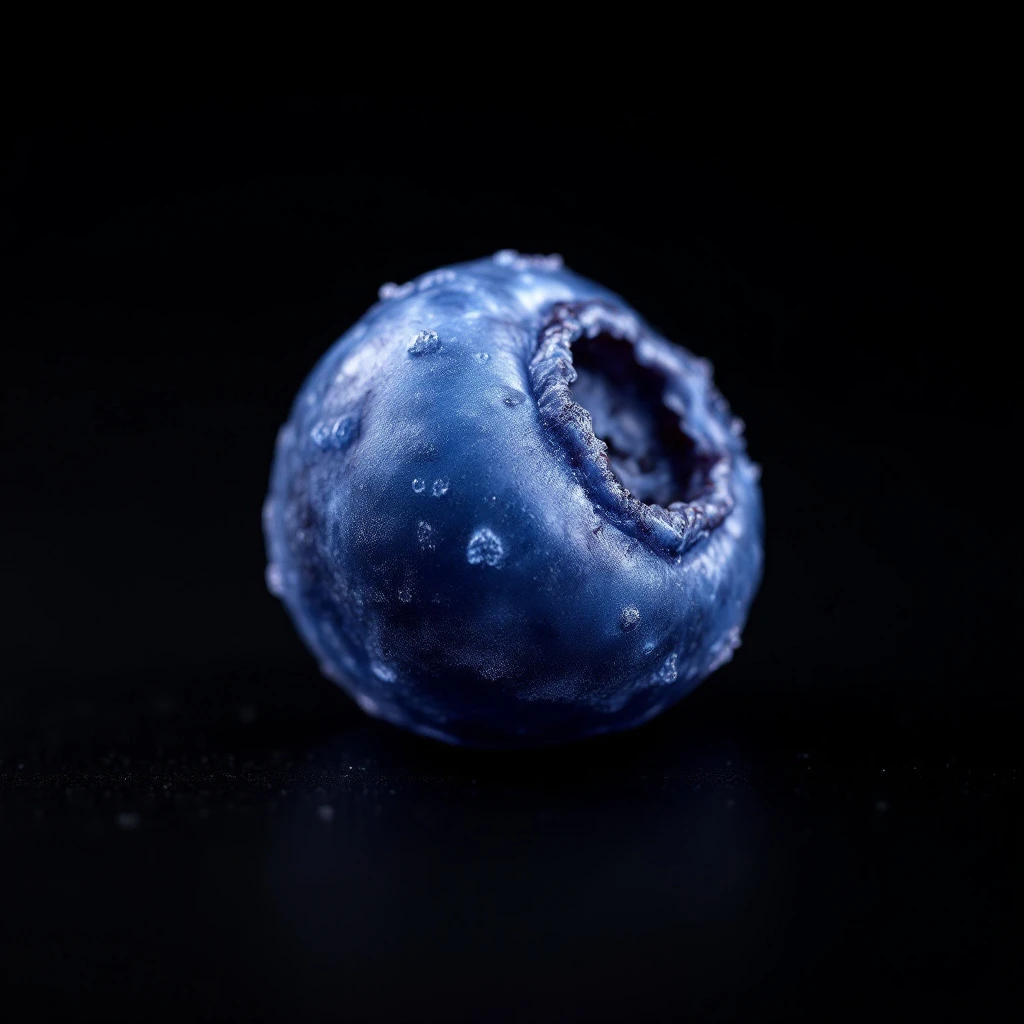
Real caramel cannot be extracted for perfume. What you smell is pure chemistry: two synthesized molecules mimicking sugar's transformation.






Origin
Laboratory origin
Before the 19th century, perfumers lacked the tools to create confectionery notes. They worked only with naturals, relying on vanilla, benzoin, and tonka for sweet warmth. The emergence of organic synthesis in the 1800s changed everything.
Chemists began isolating and reproducing aromatic molecules, eventually synthesizing maltol from tree bark extracts. Ethyl maltol followed in the 20th century. These breakthroughs enabled the gourmand movement that reshaped perfumery in the 1980s and beyond.
Today, salted caramel represents a modern evolution: combining sweet synthesis with mineral modernity to capture contemporary taste.
Wears it best
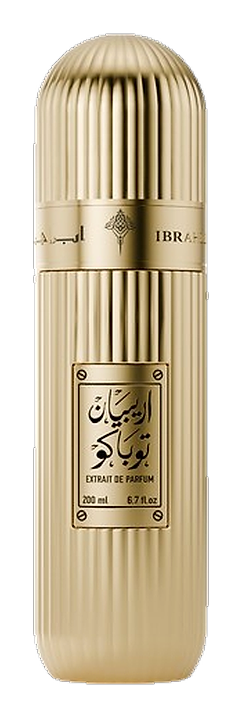
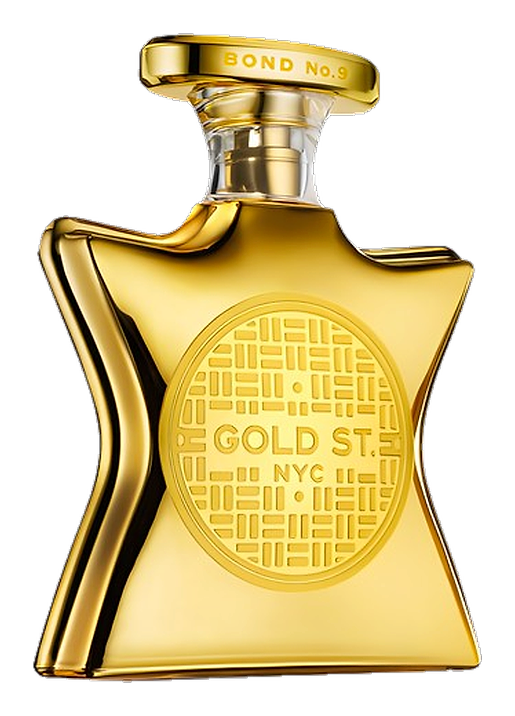
Fragrances featuring Salted Caramel Fudge
Brands
Brands known for Salted Caramel Fudge
Good to know
Questions, answered
The essentials on Salted Caramel Fudge in perfumery: how it smells, where it comes from, and how it behaves on skin.
Is salted caramel fudge a natural fragrance ingredient?
No. Caramel notes do not exist as natural extracts. Perfumers create the scent entirely from synthetic compounds like maltol and ethyl maltol. The salt element comes from mineral aromatic materials. These lab-created molecules reproduce the warm, sweet character of caramel without relying on natural sources.
How do perfumers create salted caramel fudge in fragrance?
Perfumers blend maltol for warm candy sweetness with ethyl maltol for amplified caramel character and buttery depth. Mineral salts add the crystalline salt accent. This combination lets perfumers precisely control sweetness levels, salt balance, and how the note develops during wear.
Is salted caramel safe in perfume?
Yes. Maltol and ethyl maltol have established safety profiles approved by the International Fragrance Association. Concentrations in fine fragrance remain well below thresholds of concern. Both compounds occur naturally in roasted foods, giving them a long history of human exposure through diet.
What fragrances pair well with salted caramel fudge?
Salted caramel blends with vanilla for classic gourmand warmth, tonka for almond-caramel depth, and sandalwood for creamy Woods. Oriental bases featuring benzoin or labdanum amplify its sweetness. For contrast, pairing with marine or ozonic notes creates unexpected freshness.
Does natural caramel exist as a perfumery material?
No natural extraction yields usable caramel fragrance. Attempts to extract caramel-scented materials from burnt sugar solutions fail because the aromatic compounds oxidize rapidly and cannot form stable perfume ingredients. This is why synthetic chemistry fills the gap.
How does salted caramel differ from vanilla in fragrance?
Vanilla offers deep, resinous sweetness from natural beans. Salted caramel delivers brighter, confectionery sweetness with a modern mineral edge. Vanilla provides warmth and comfort; salted caramel adds playful indulgence and contemporary character.
Can I find natural caramel alternatives in perfume?
No. While vanilla, tonka, and benzoin provide sweet warmth, none reproduces genuine caramel character. Maltol does occur naturally in larch wood and roasted barley, but commercial perfumery maltol comes from synthesis. True caramel scent requires laboratory creation.
How long does salted caramel last on skin?
As a heart-to-base note, salted caramel typically lasts 4-8 hours depending on concentration and formulation. Fixatives like benzoin or musks extend its presence. The salt accent tends to fade slightly faster than the sweet caramel component.