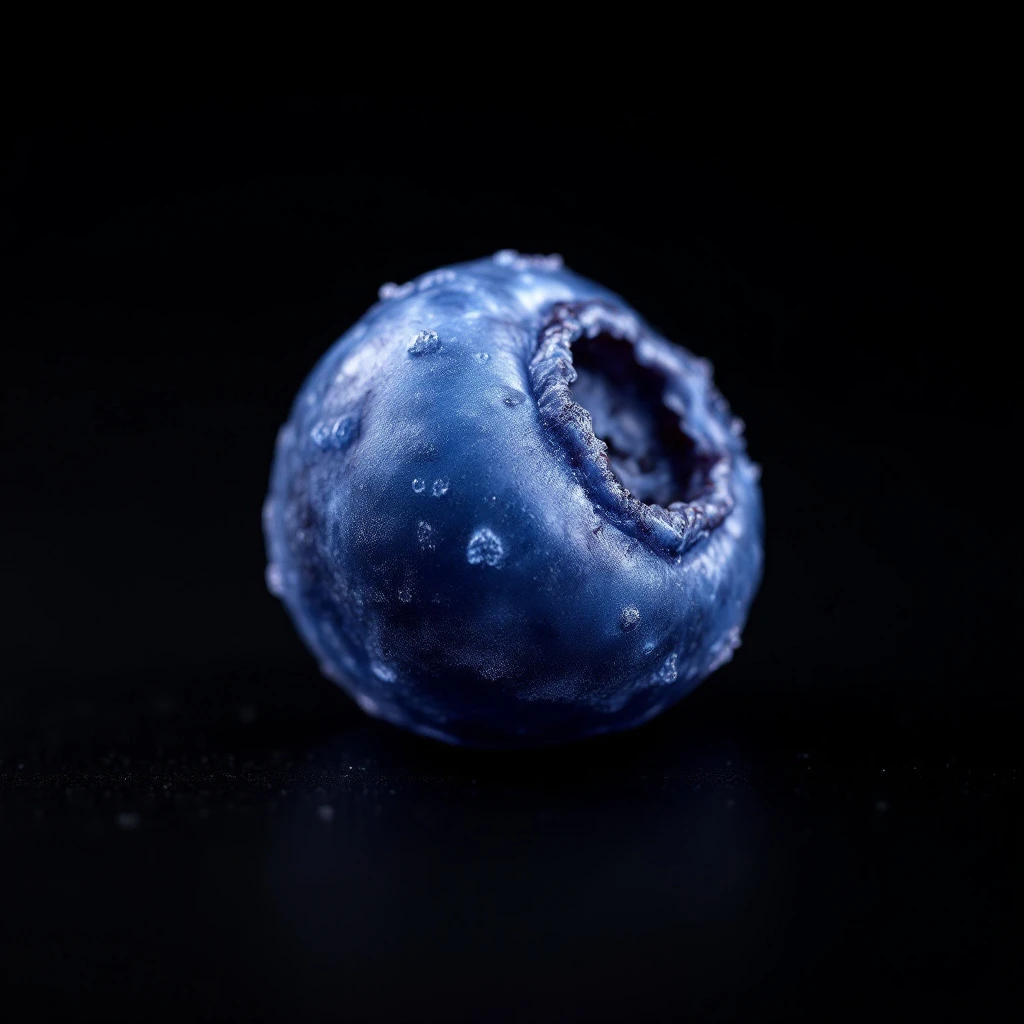
Candied Blueberry
Candied Blueberry brings playful sweetness to fragrance. This synthetic note captures the jammy, sun-ripened character of ripe blueberries with a sugar-kissed edge that adds gourmand depth and modern appeal.
Character
How it smells
Summer berries captured in sugar
Natural blueberry essential oil doesn't exist in perfumery. Every blueberry note comes from aroma chemistry.






Origin
Laboratory origin
The use of blueberry in perfumery is a relatively recent phenomenon, emerging alongside the development of synthetic aroma chemistry in the late 19th and early 20th centuries. Before chemists could isolate or synthesize the specific compounds that give blueberries their distinctive aroma, perfumers had no means to capture this fruit in fragrance form. Blueberry only became a recognized perfumery note in the latter half of the 20th century as the fragrance industry began exploring more diverse fruit accords beyond the citrus and rose profiles that dominated earlier perfumery.
The ingredient gained significant traction in the 1980s and 1990s as fruity and gourmand fragrance families expanded into the mainstream. Today, candied blueberry appears across fragrance families, from bright florals to rich orientals, valued for its ability to add sweetness, depth, and a distinctly modern character to compositions.
Wears it best
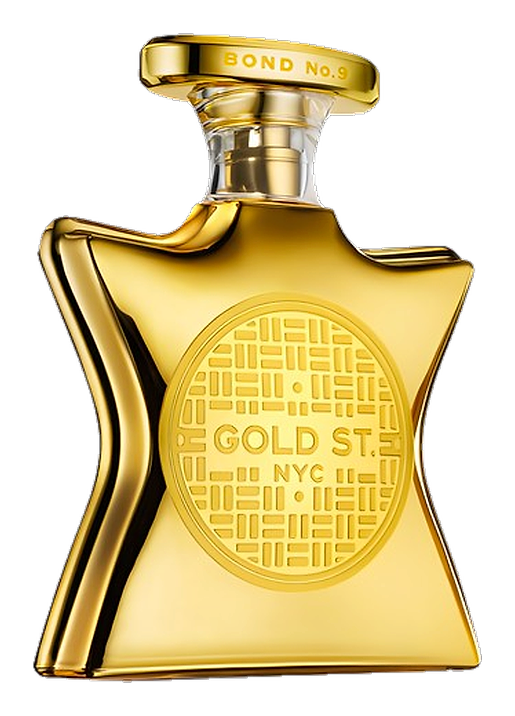
Fragrances featuring Candied Blueberry
Brands
Brands known for Candied Blueberry
Good to know
Questions, answered
The essentials on Candied Blueberry in perfumery: how it smells, where it comes from, and how it behaves on skin.
Is Candied Blueberry a natural ingredient?
No. Natural blueberry essential oil doesn't exist in perfumery. Every blueberry note is created through aroma chemistry, either fully synthetic or using nature-identical compounds that replicate the fruit's aromatic profile.
What compounds give blueberry its characteristic scent?
The primary odorant is ethyl decadienoate, nicknamed the 'blueberry ester.' Additional lactones and esters contribute to its sweet, jammy character.
Why is it called 'Candied' Blueberry specifically?
The 'candied' descriptor indicates a sweeter, more syrupy interpretation with caramel-like nuances, as opposed to fresh or tart blueberry variations.
What fragrance families use Candied Blueberry?
It appears across fruity florals, gourmand compositions, and modern chypres. The note is particularly common in women's fragrances and unisex scents seeking a playful, approachable character.
Can Candied Blueberry be combined with other fruit notes?
Yes. It pairs naturally with complementary fruits like raspberry, blackberry, and cherry. It also works well with floral additions like violet and jasmine.
How does Candied Blueberry perform in fragrance formulations?
Candied Blueberry performs well in alcohol-based fragrances and maintains its character throughout wear. Performance varies by formulation concentration and blend composition.
When did blueberry notes first appear in commercial fragrances?
Blueberry as a recognized perfumery note emerged in the latter half of the 20th century, gaining significant popularity in the 1980s and 1990s.
Is Candied Blueberry suitable for fine fragrance or only functional products?
It is used across both fine fragrance and functional products. Quality and complexity vary based on the specific compounds and ratios used by the fragrance house.