French leather
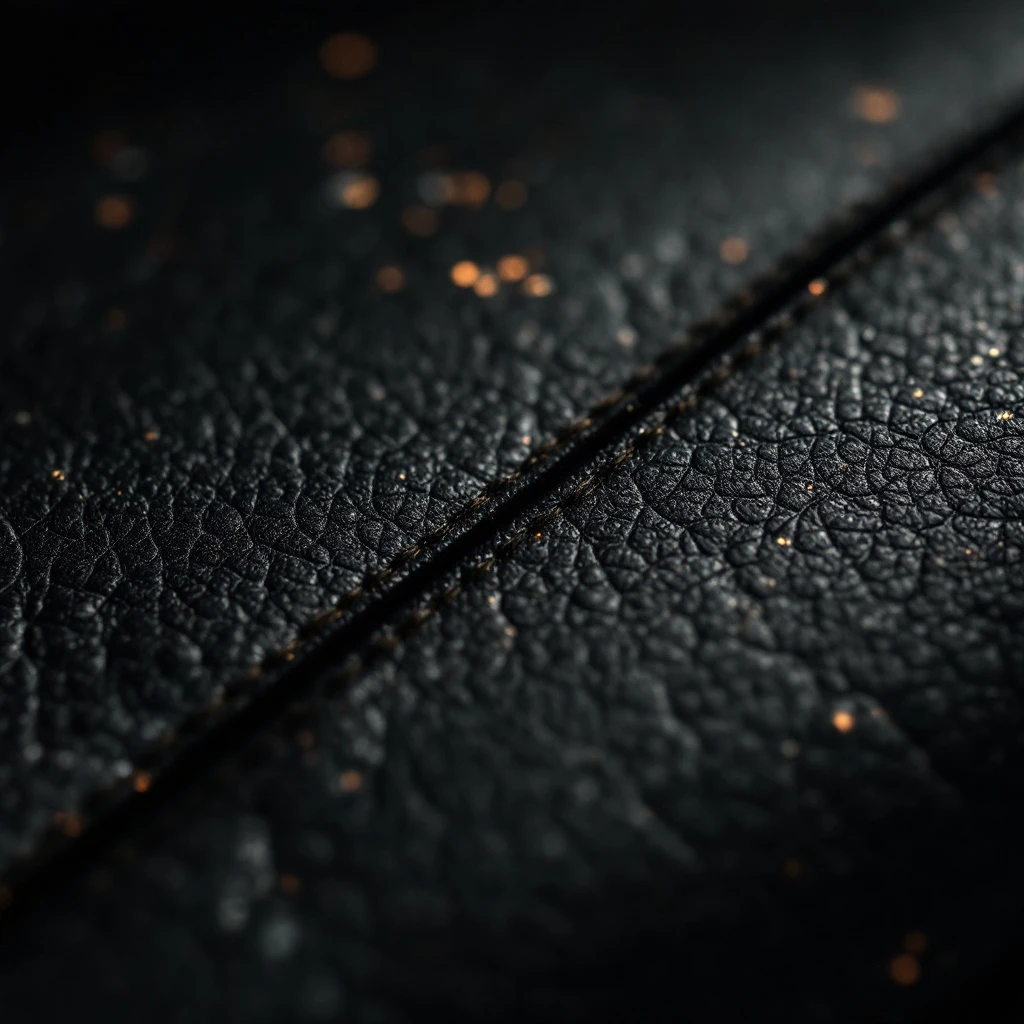
Raw, refined, timeless. French leather captures the scent of centuries-old tanneries and luxury ateliers—where animalic warmth meets meticulous craftsmanship. A note that speaks of heritage.
Character
How it smells
Smoke, warmth, and centuries of savoir-faire
Grasse became the perfume capital because its tanneries smelled so foul they needed fragrant masks to work.








Origin
France
French leather carries the weight of two centuries of perfumery heritage. In the 16th century, Grasse ranked among France's smelliest towns—the tanning industry filled streets with putrid odors that workers endured throughout their shifts. Tanners began wearing perfumed masks to survive their workday, infusing their leather goods with lavender and botanicals to mask the stench.
Italian glove-makers arriving in the 17th century brought perfuming techniques that fused with local knowledge. What began as occupational necessity evolved into artistic pursuit. By the 1700s, Grasse shifted entirely from tanning to fragrance production—the unpleasant leather smell transformed from a problem into a desired note.
France emerged as the global center of luxury perfumery, and leather remained woven into the industry's fabric as a deliberate, cherished accord. Modern perfumers still reference that heritage in how they construct leather notes, honoring the original craft through materials like birch tar and castoreum alongside contemporary synthetic compounds.
Wears it best
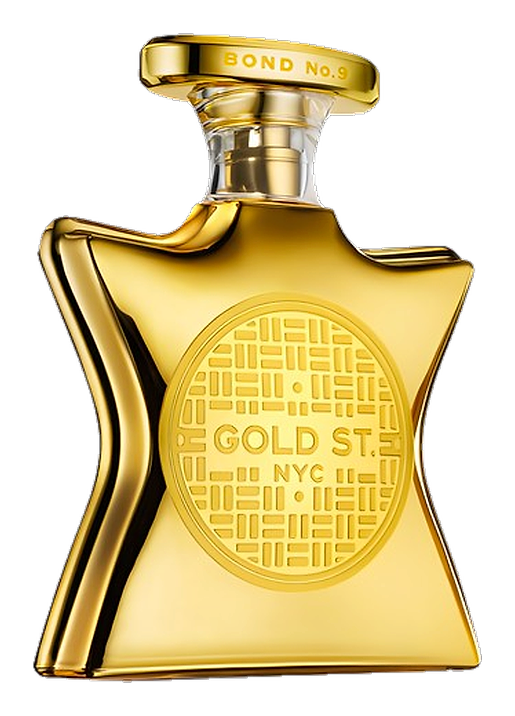
Fragrances featuring French leather

Good to know
Questions, answered
The essentials on French leather in perfumery: how it smells, where it comes from, and how it behaves on skin.
What is French leather in perfumery?
French leather is an aromatic concept referencing the warm, smoky, animalic character of fine leather goods. Perfumers build this note from materials like birch tar, cade oil, and castoreum—natural ingredients that evoke the smell of traditional tanneries. Modern leather notes often include synthetic aromachemicals that reproduce this sensation reliably.
Why is French leather significant?
French leather matters because it connects modern perfumery to its historical roots. The town of Grasse transitioned from leather tanning to fragrance production in the 1700s, transforming leather from a malodorous problem into a celebrated perfume note. This heritage gives the leather note cultural depth found nowhere else.
How do perfumers create the leather note?
Perfumers construct the leather note through several techniques. Birch tar provides smoky depth via dry distillation of birch bark. Cade oil delivers medicinal, burnt leather from juniper wood. Castoreum adds animalic warmth from beaver glands. Synthetics like ISO E Super and norlimbanol round out modern leather bases, ensuring consistency across batches.
Where does French leather originate?
The French leather note traces back to Grasse, a town in southeastern France. In the 1500s, Grasse hosted numerous tanneries whose smell made it notorious. Tanners wore perfumed masks to work, which eventually led to perfuming leather goods—a practice that evolved into the luxury fragrance industry centered there.
Is French leather natural or synthetic?
French leather can be both natural and synthetic. Traditional materials include birch tar, cade oil, and castoreum—natural substances that create leather character. Modern perfumers also use synthetic aromachemicals like cedryl methyl vanillate to reproduce the leather sensation consistently without relying solely on natural materials.
What fragrances feature French leather?
French leather appears across many fragrance families—chypre, oriental, and fougère compositions commonly use leather as a heart or base note. Leather features prominently in masculine fragrances and increasingly in unisex and feminine scents. Houses like Chanel, Dior, and Serge Lutens all offer leather-forward options.
When did leather notes first appear in perfume?
Leather notes entered perfumery in the 17th century when tanners began perfuming their leather goods to mask tanning odors, particularly in Grasse, France. By the 18th century, leather had transformed from an aromatic problem into a desired fragrance note embraced by luxury perfumers.
Can French leather be used in all fragrance types?
French leather adapts well across fragrance families—chypre, fougère, and oriental compositions favor leather notes for grounding and warmth. Leather also appears in masculine and unisex fragrances, with newer feminine applications expanding the note's traditional boundaries.