Salmiak salt
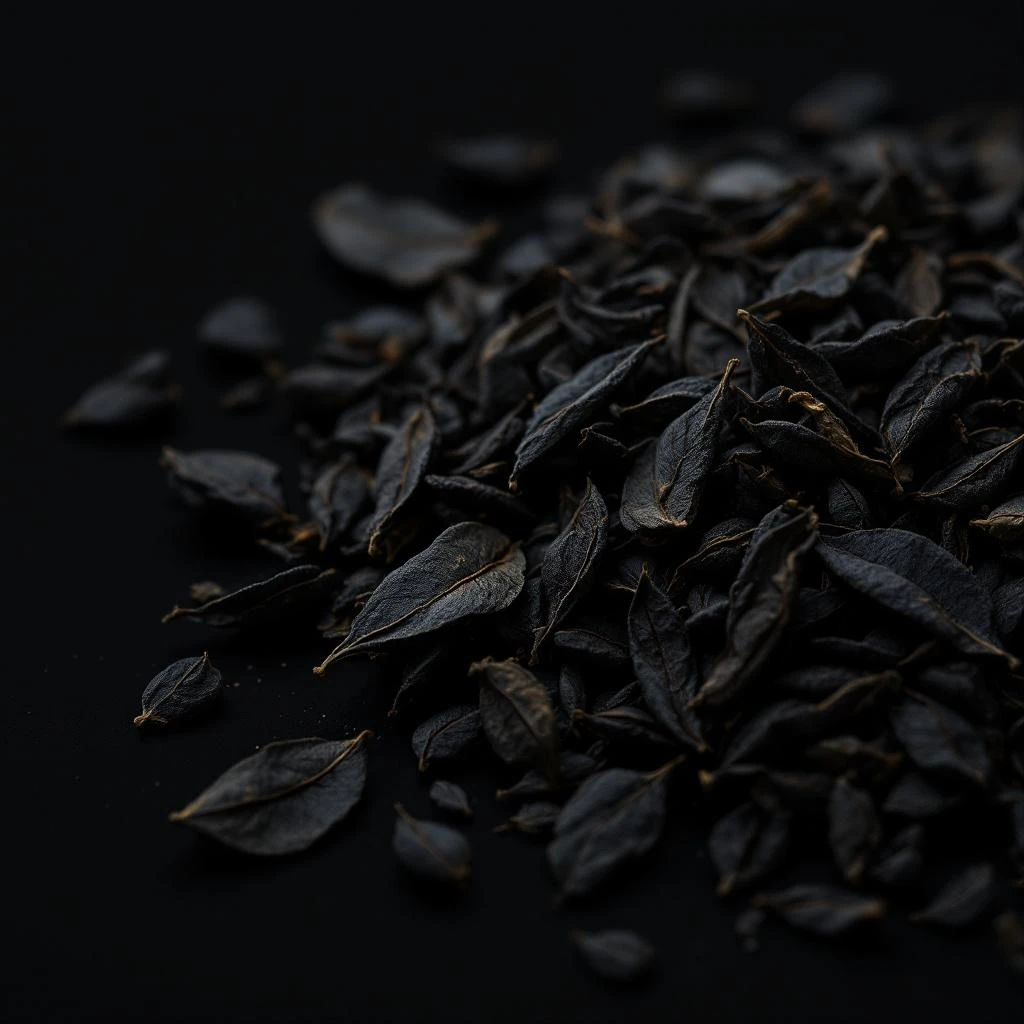
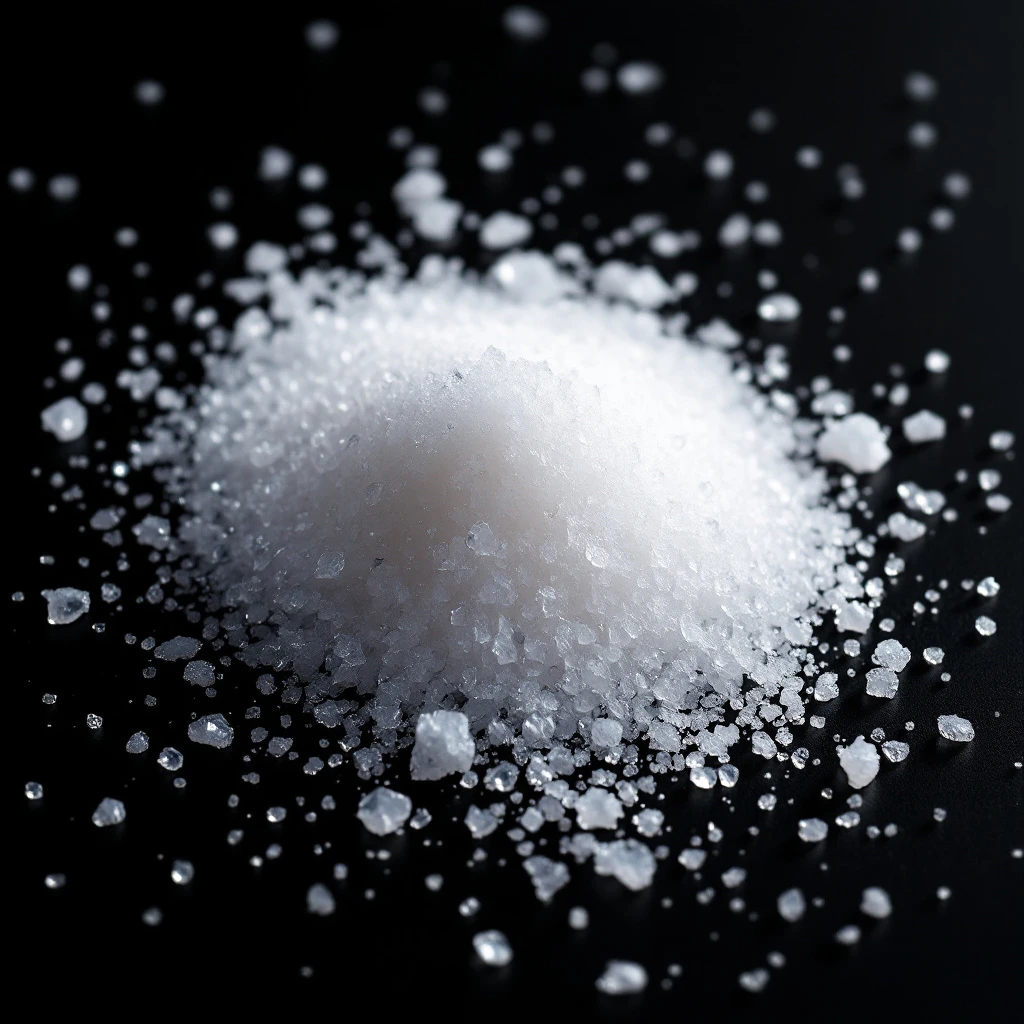
A mineral-sharp accord that recalls salted liquorice, cool sea air and aniseed, giving compositions a clean, saline bite.
Character
How it smells
Mineral salt, anise and a distinctly Nordic bite.
Salmiak is ammonium chloride, a mineral salt once used in 19th-century cough drops and lozenges.
Origin
Egypt
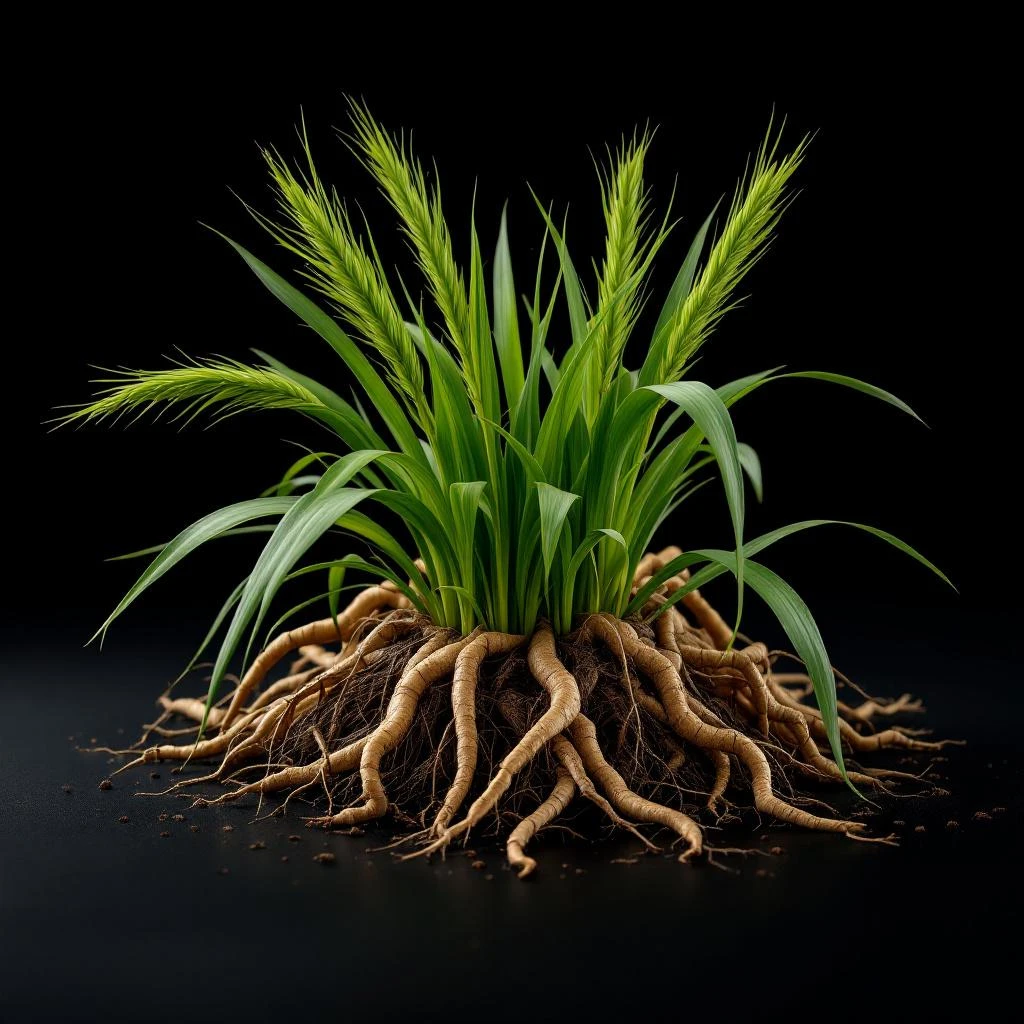
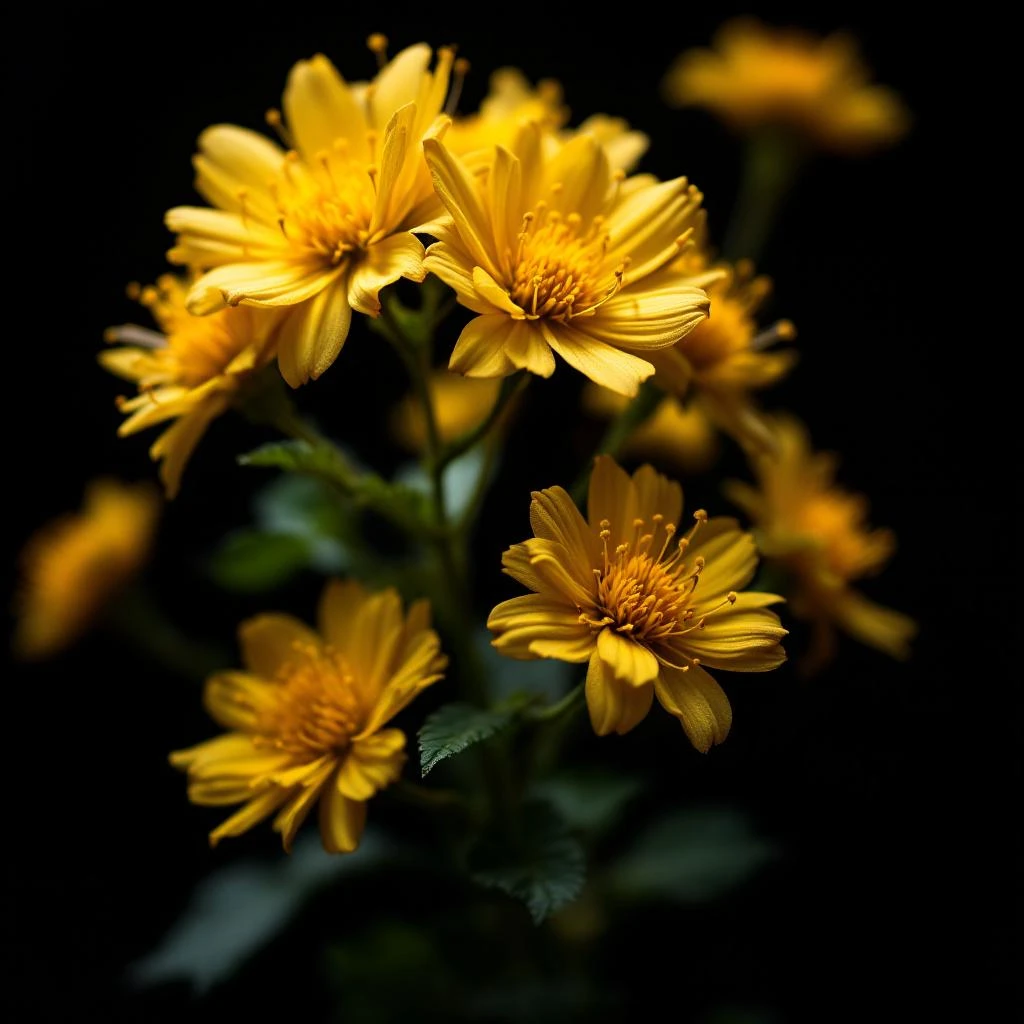
Salmiak is the Scandinavian name for ammonium chloride, whose production has been traced to ancient Egypt. The mineral became associated with salty liquorice, a confection shaped by sharply bitter and saline notes.
Pharmacy stores sold early forms of the product, and by the 1930s related pastilles were produced in Finland, Norway, Denmark, Sweden and the Netherlands. Salmiak also appeared in 19th-century cough drops and lozenges, where its sharp taste was valued as a stimulant.
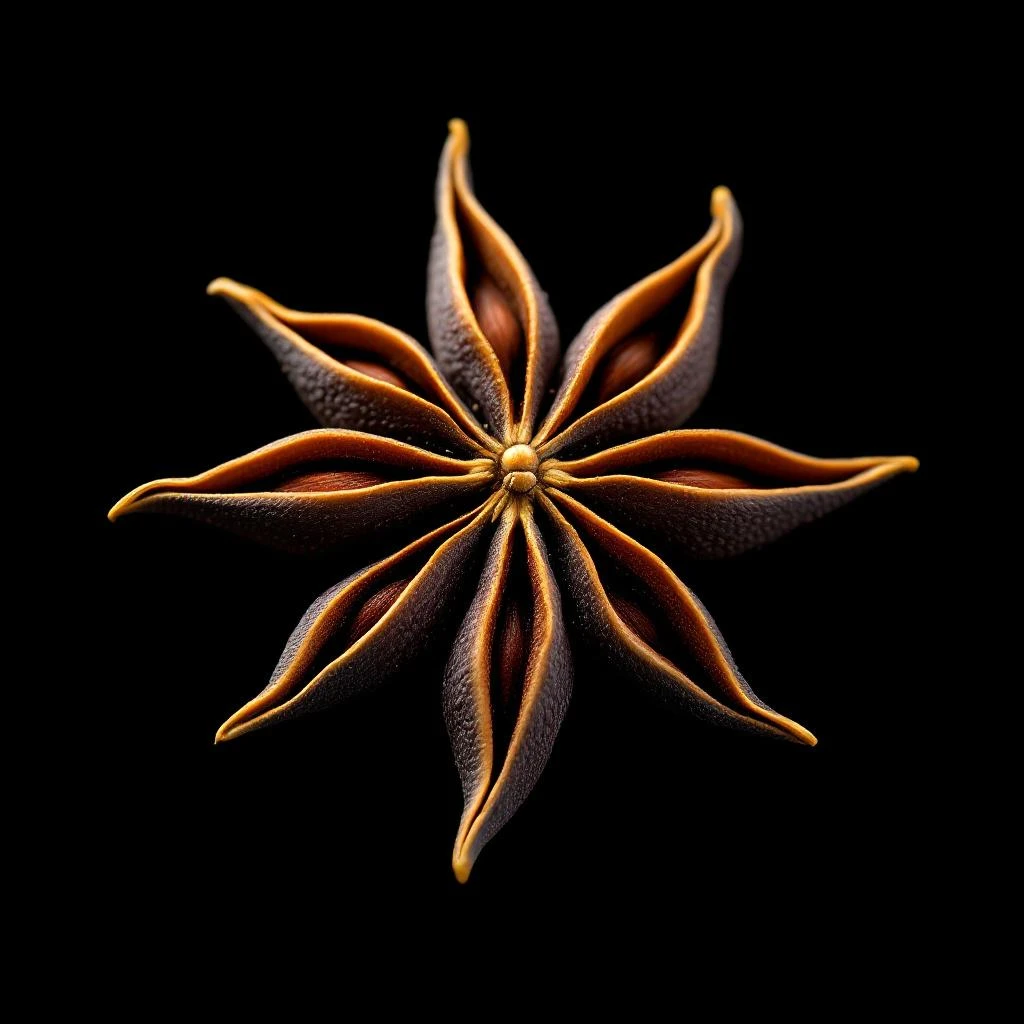
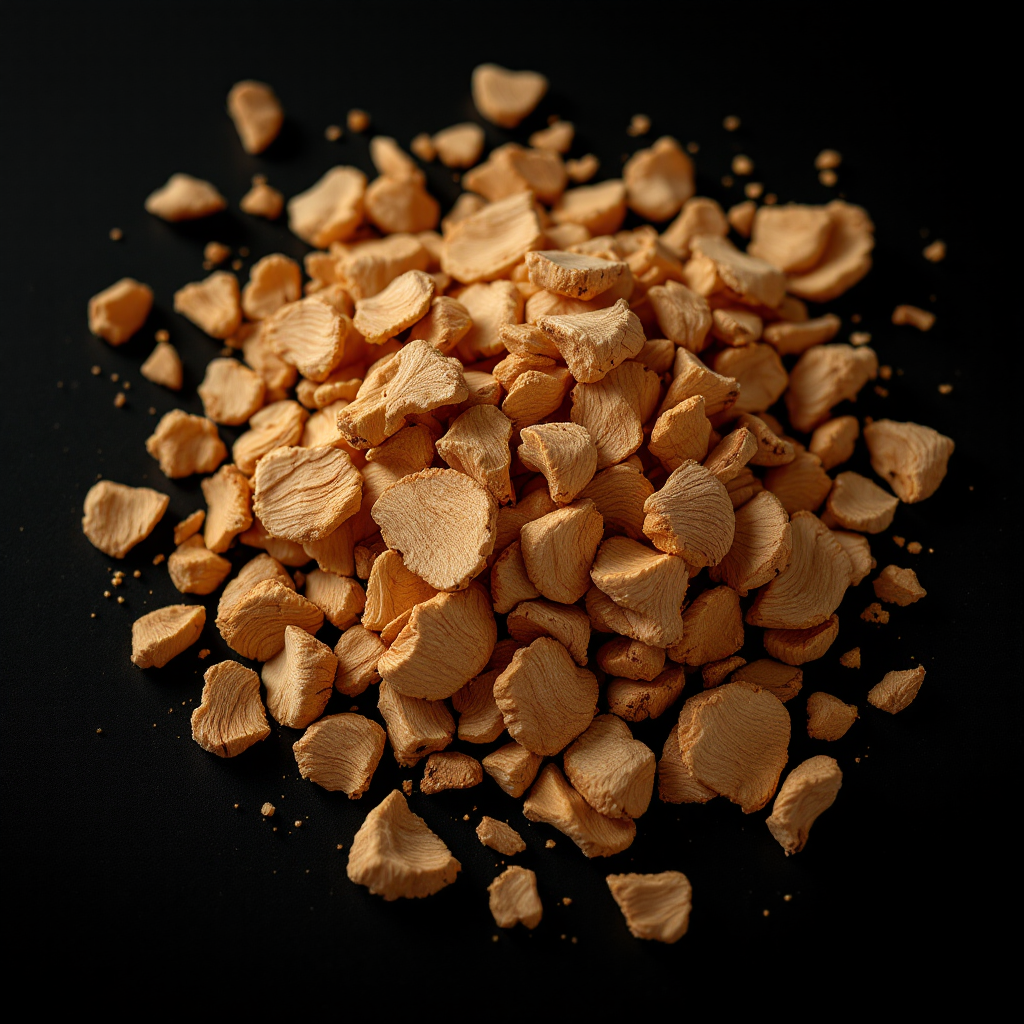
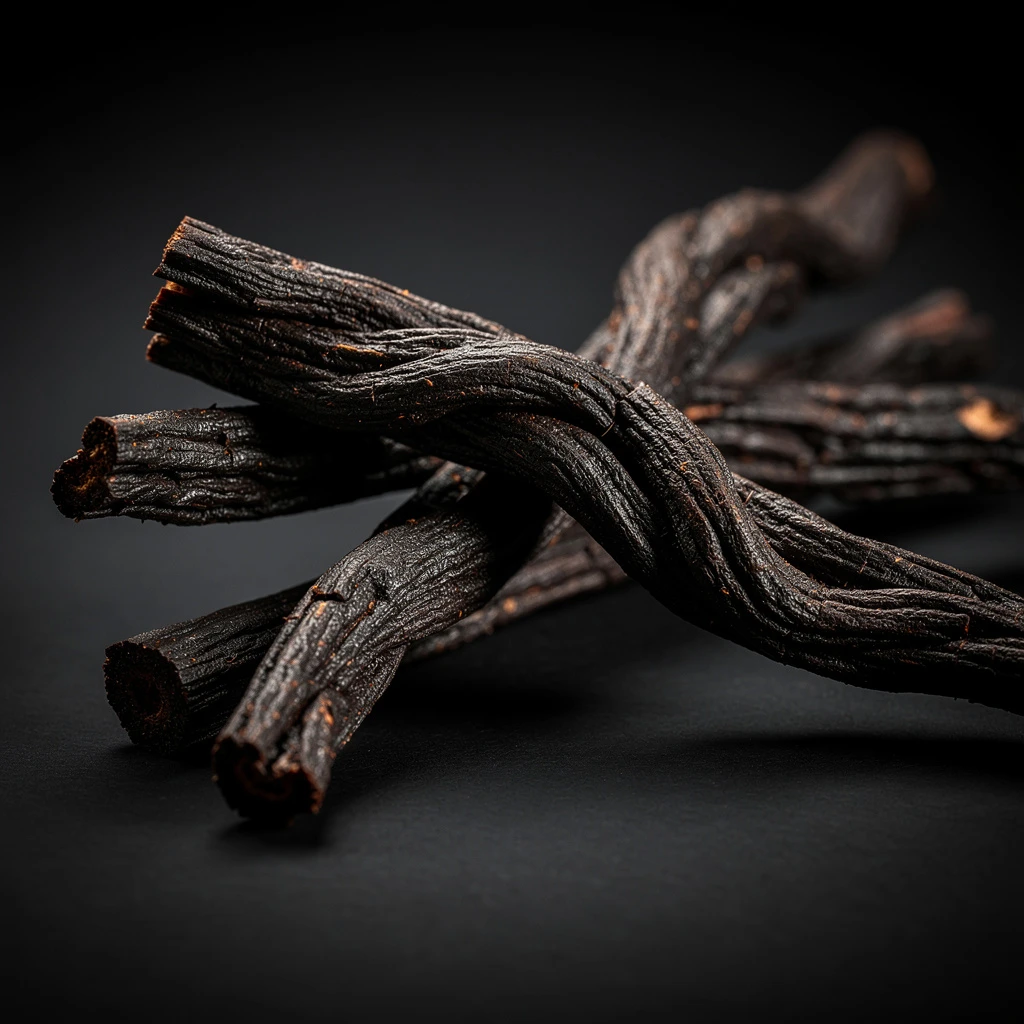
As perfume moved from natural materials toward organic synthesis from the 19th century onward, perfumers gained reliable ways to construct saline, mineral and licorice-like effects. The result was an accord rather than a single botanical ingredient: cool salt joined to anise, root and resinous depth.
Wears it best
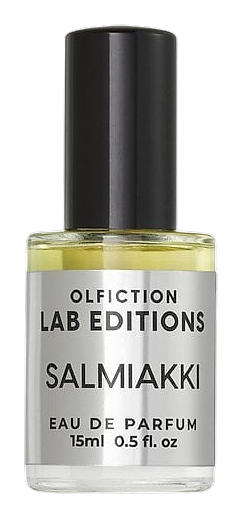
Fragrances featuring Salmiak salt
Brands
Brands known for Salmiak salt
Good to know
Questions, answered
The essentials on Salmiak salt in perfumery: how it smells, where it comes from, and how it behaves on skin.
What does salmiak smell like in perfume?
Salmiak usually reads as cool, mineral and sharply saline, often with licorice and aniseed accents. The accord can also suggest sea spray, clean metal or winter candy.
Is salmiak a natural fragrance ingredient?
A salmiak accord is usually synthetic or reconstructed rather than a direct perfume extraction. Natural ammonium chloride may be used as a reference point, while licorice root can supply a related aromatic base.
What is the difference between salmiak and sea salt?
Sea salt carries a mineral and marine character, while salmiak is sharper and more astringent. Its profile usually includes the bitter-salty sweetness associated with Scandinavian licorice.
Does salmiak smell like licorice?
It can, especially when paired with licorice root or anise accords. Pure salmiak is less sweet, with a harder mineral edge than the root’s warm, earthy licorice aroma.
Where does salmiak come from?
The name refers to ammonium chloride, whose earliest known production is linked to ancient Egypt. By the 1930s, salty licorice pastilles were made across northern Europe and the Netherlands.
Is salmiak suitable for sensitive skin?
Salmiak itself is not a common skin irritant, but perfume sensitivity depends on the complete formula. Patch test the finished fragrance and stop use if irritation occurs.
Which fragrance families suit salmiak notes?
Salmiak works well in amber, woody, aromatic and mineral compositions. Vanilla, resins and soft musks temper its sharpness, while vetiver and woods reinforce its dry character.
Was salmiak used in cough drops?
Yes. Ammonium chloride appeared in 19th-century cough drops and lozenges, valued for its sharp, salty-bitter taste and perceived strengthening effect.