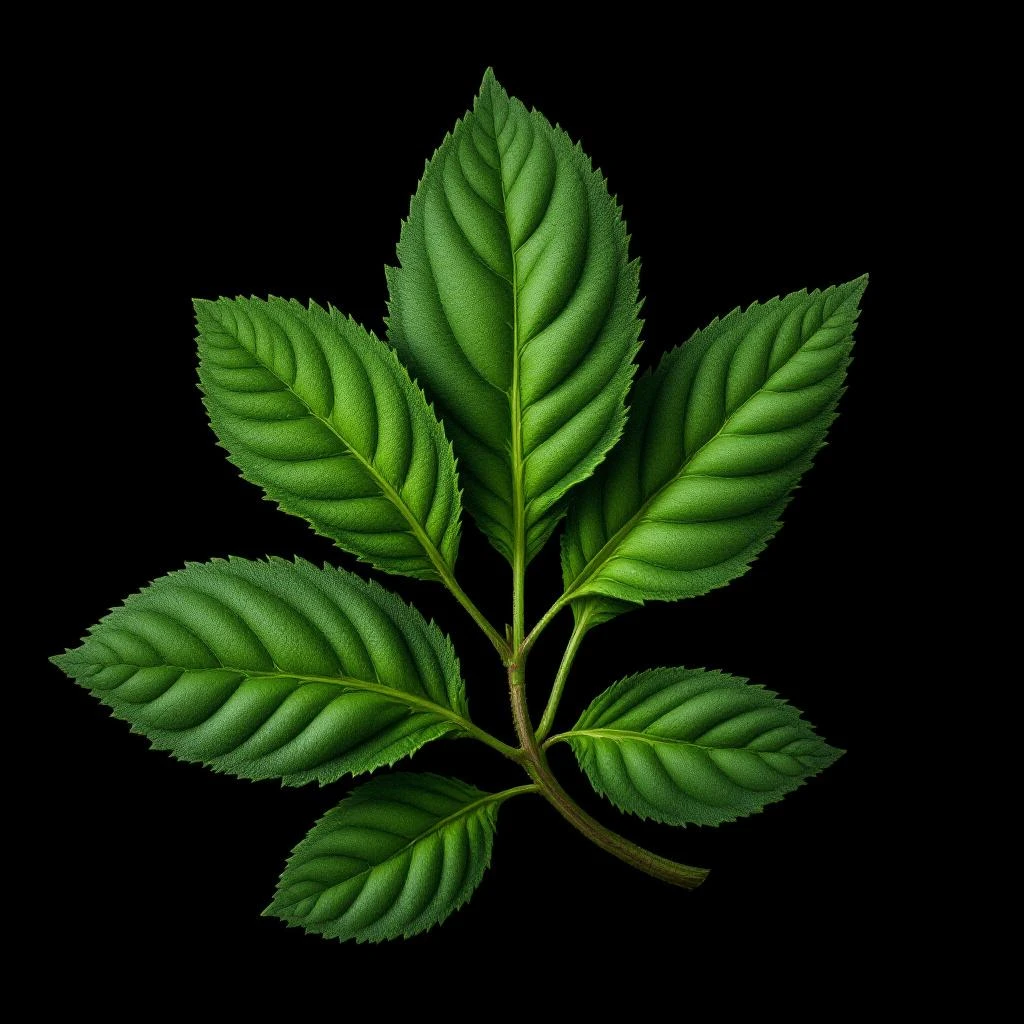
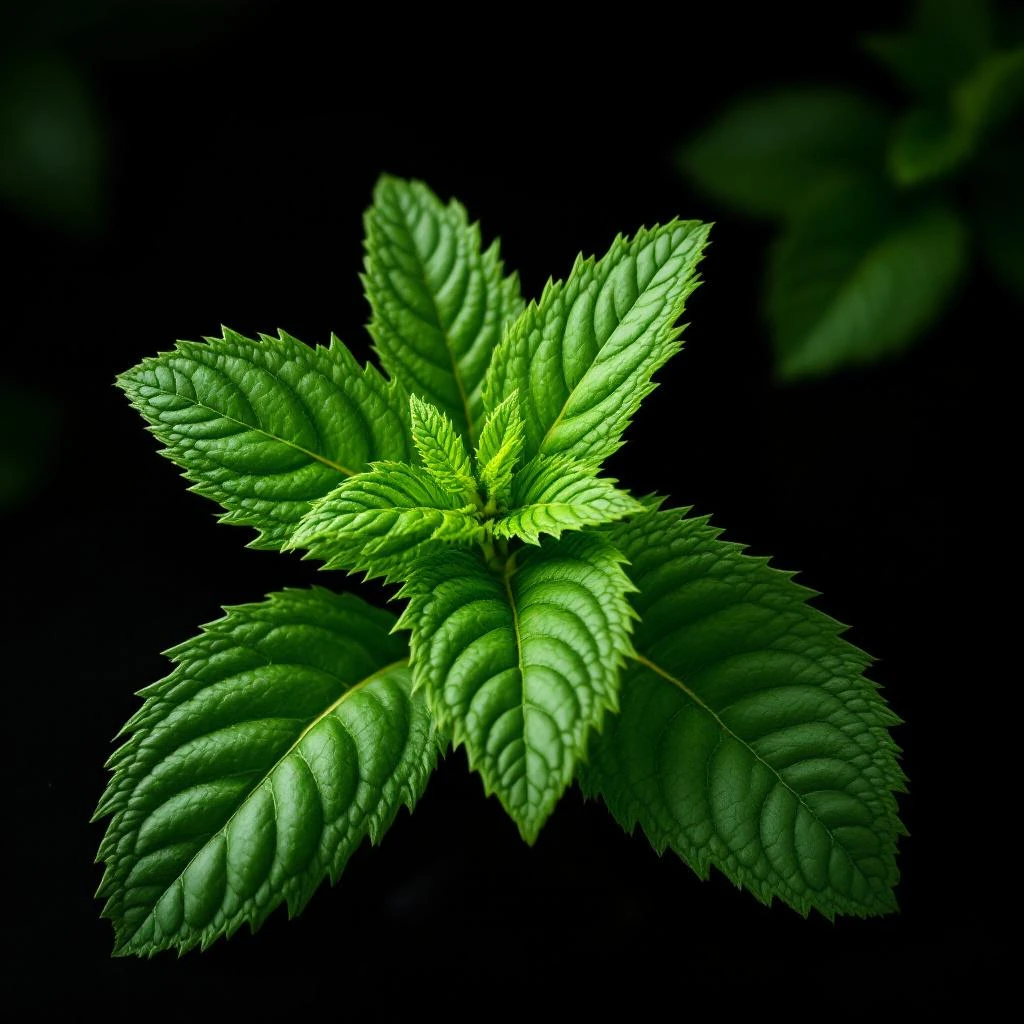
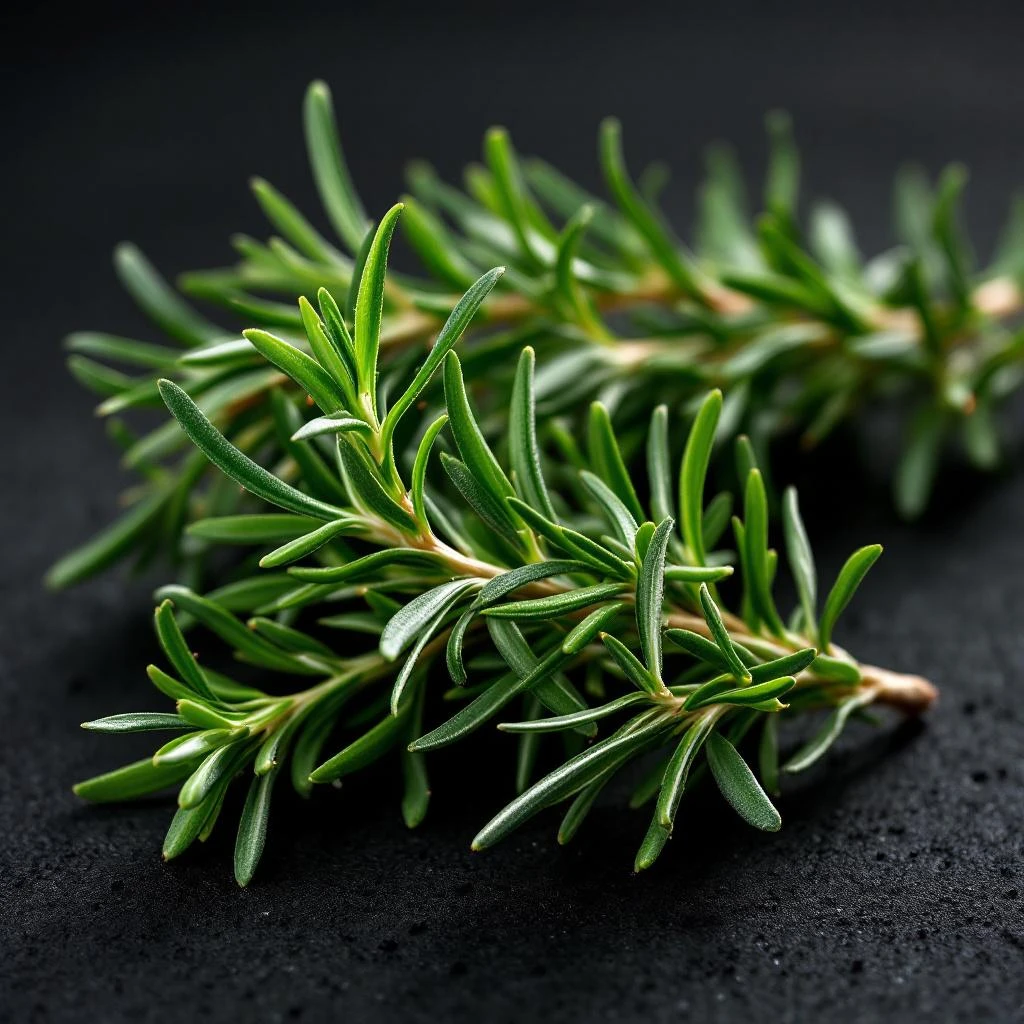
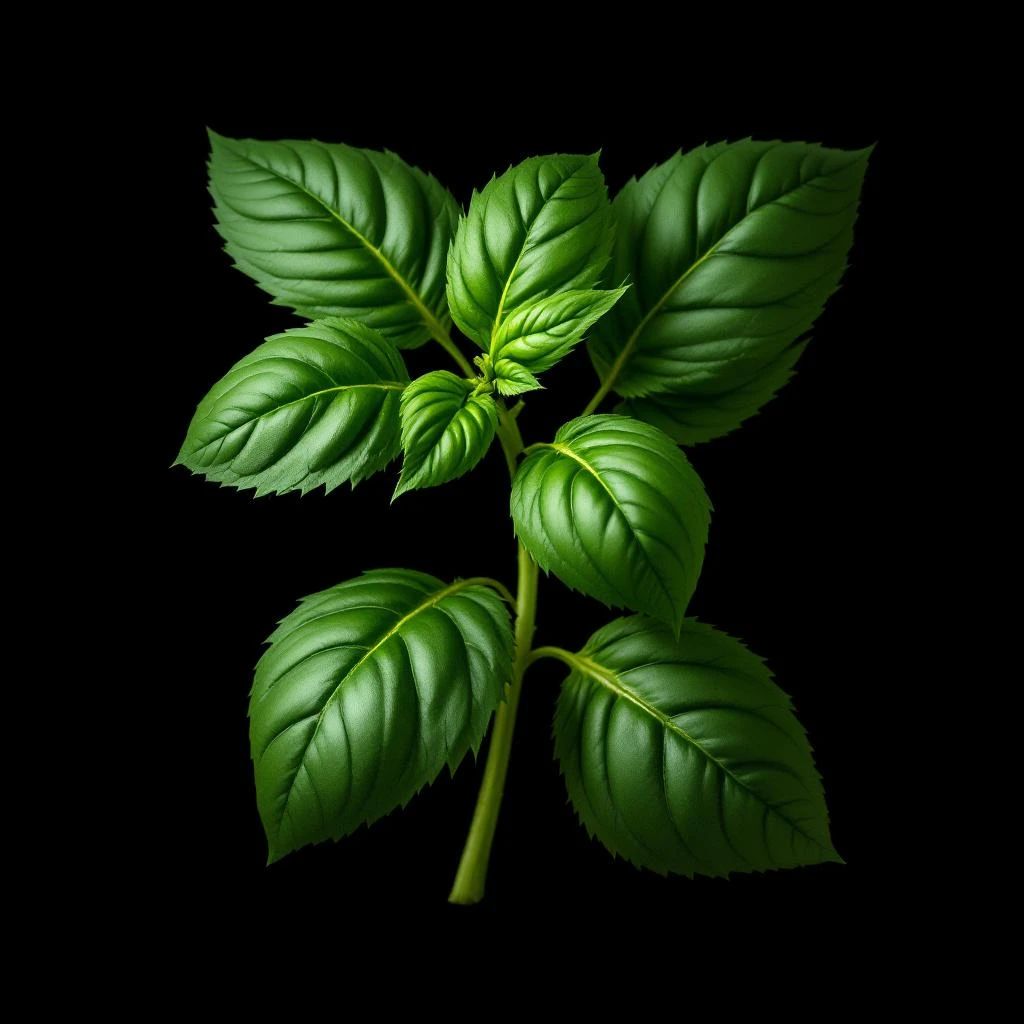
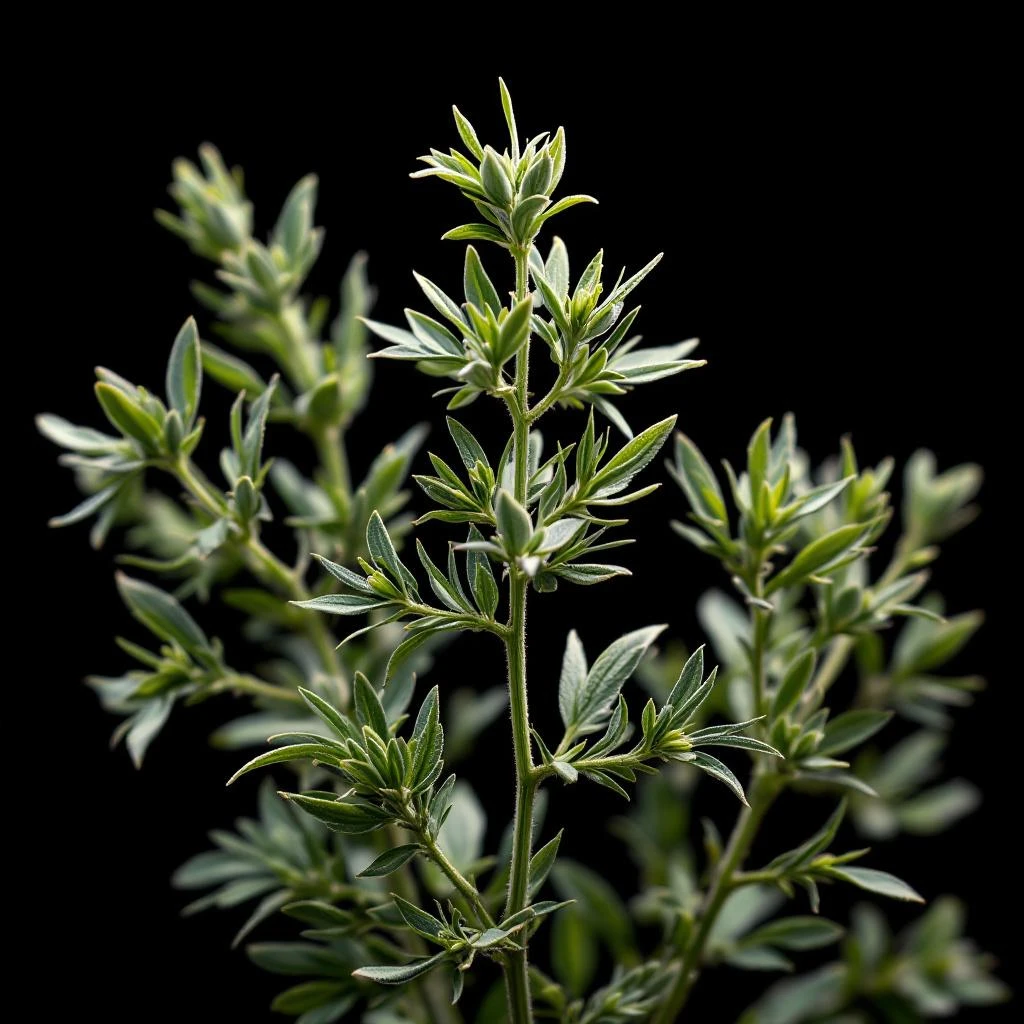
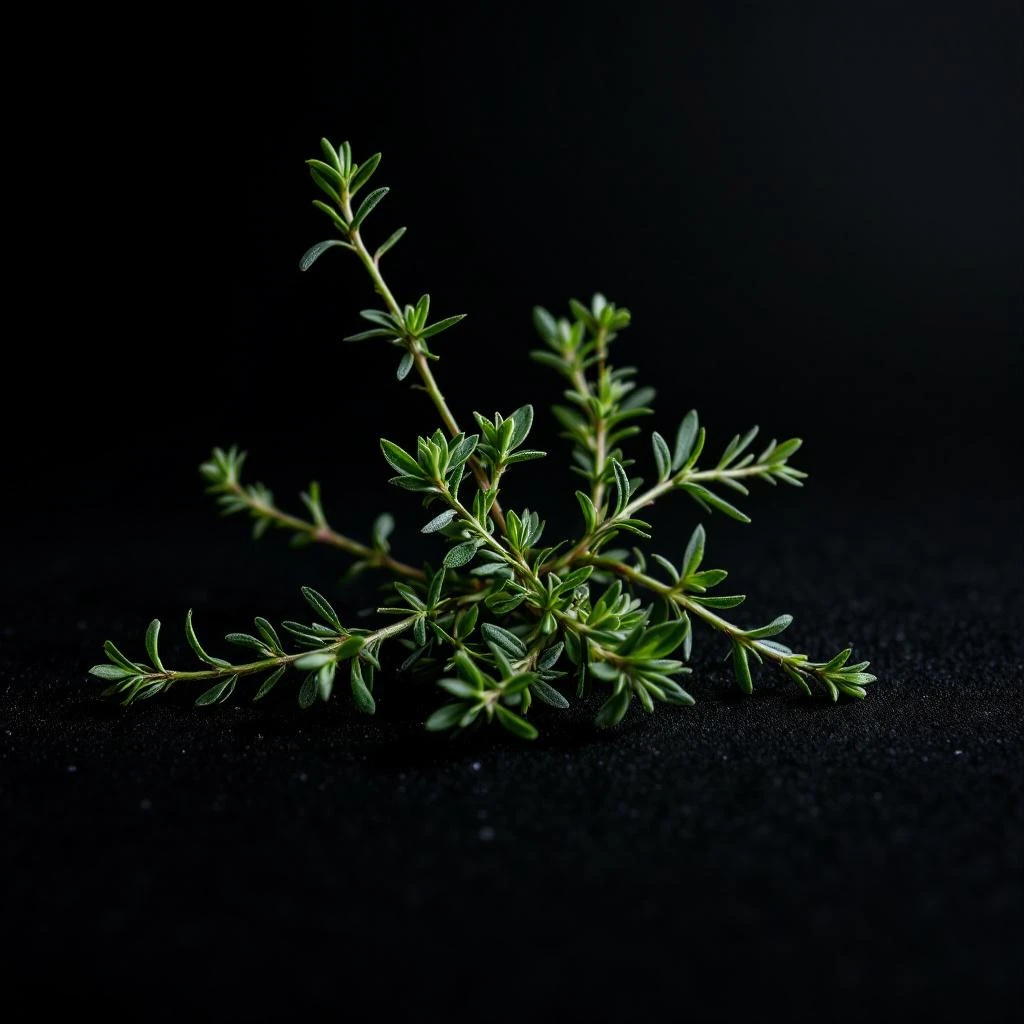
Sage Blossom
Sage blossom captures the aromatic soul of clary sage, yielding a warm, herbaceous floral note that bridges the gap between garden freshness and sensual sophistication in fragrance.
Character
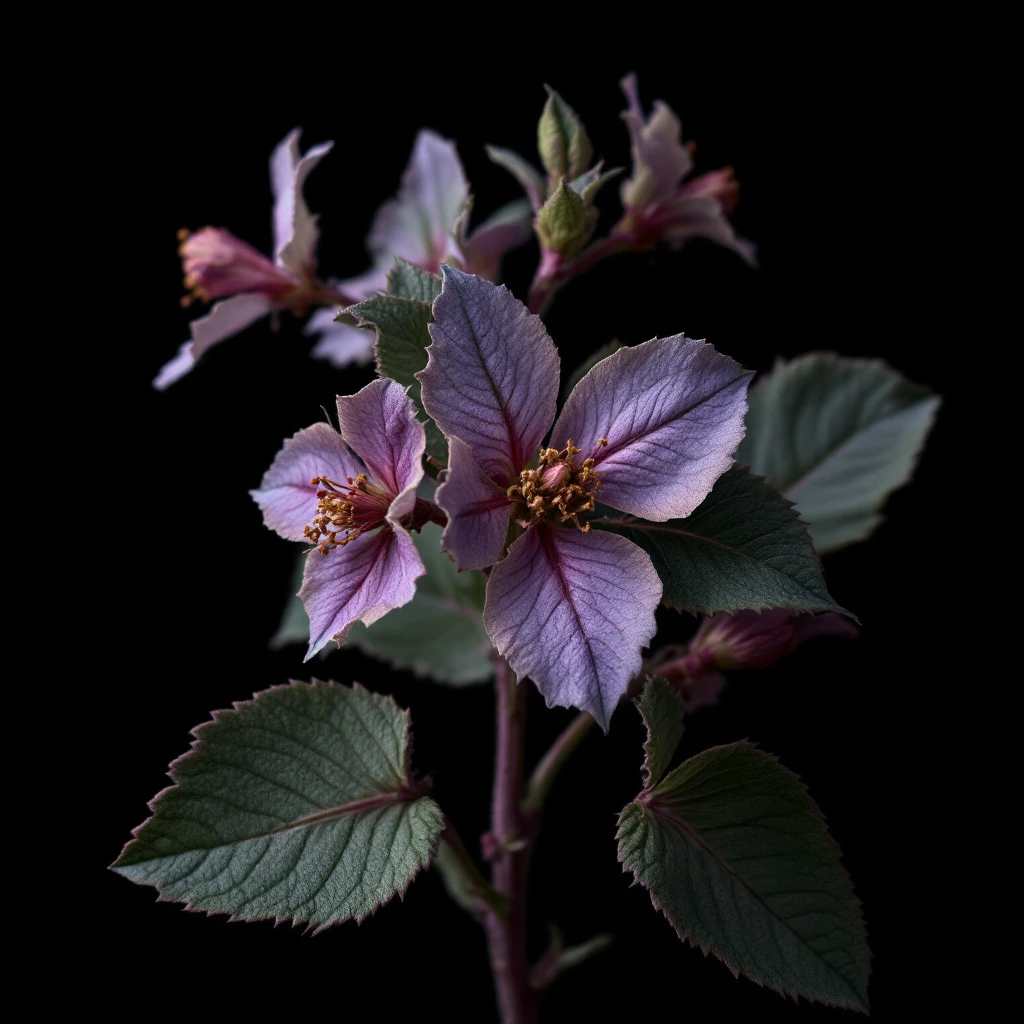
How it smells
Herbaceous elegance from field to fragrance.
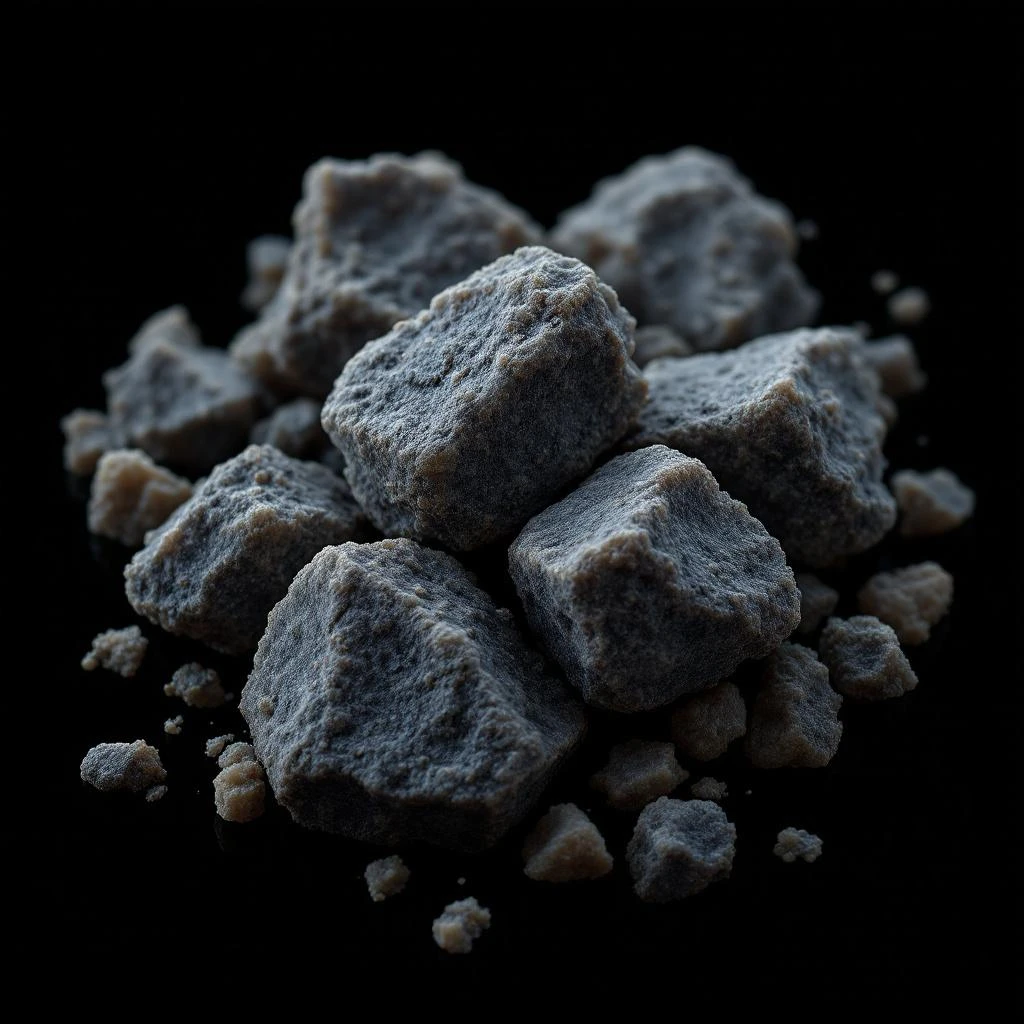
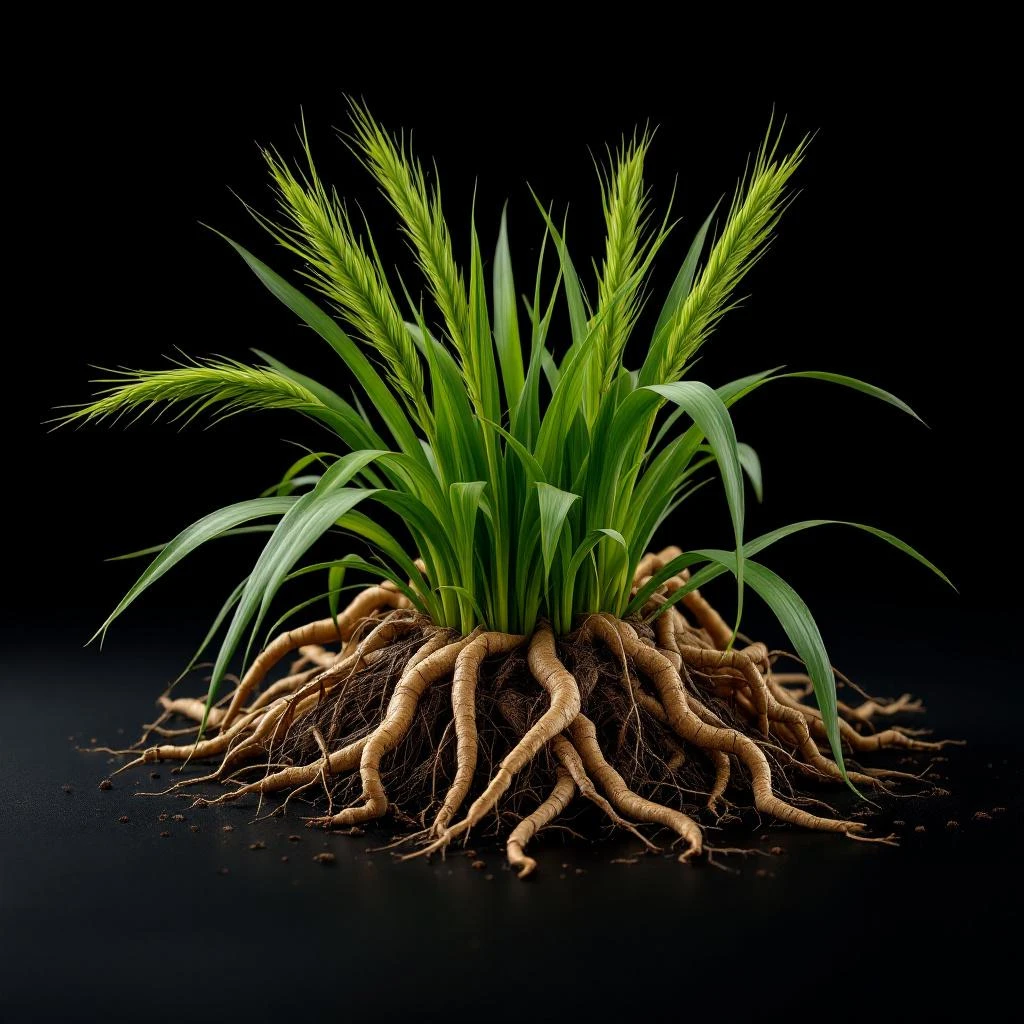
Clary sage yields sclareol, a key precursor to sclareolide, a prized aromatic molecule that extends fragrance longevity on skin.

Origin
France
Clary sage has been cultivated across the Mediterranean for centuries, valued by herbalists and perfumers alike. The plant earned its name from the Latin 'clarius,' meaning clear, referring to historical use as a eyewash remedy. In perfumery, the 19th century marked a turning point when French and Italian distillers began systematically extracting aromatic materials from flowering sage crops.
The development of solvent extraction techniques in the early 20th century unlocked the full olfactory potential of the plant, revealing the delicate floral nuance previously masked by heavier herbaceous notes. Today, clary sage cultivation spans Southern France, Morocco, and Russia, with each origin contributing subtle variations to the final aromatic profile.
Wears it best
Fragrances featuring Sage Blossom
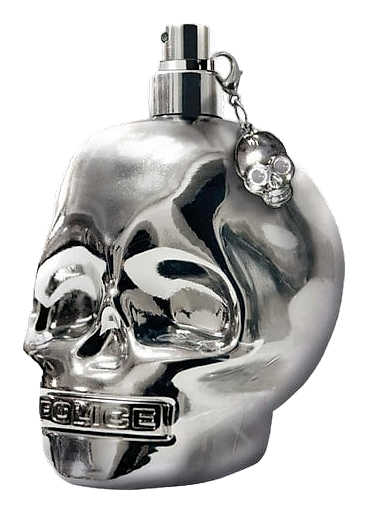
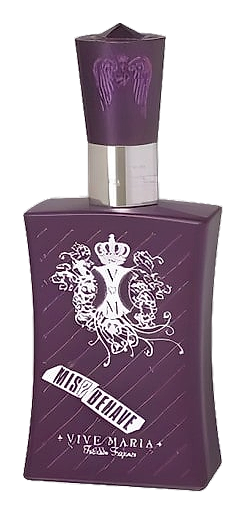
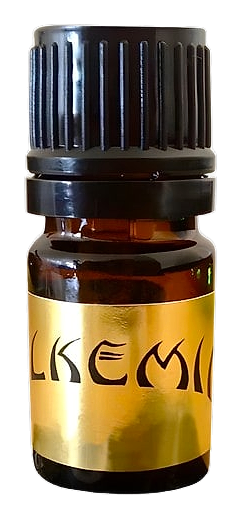
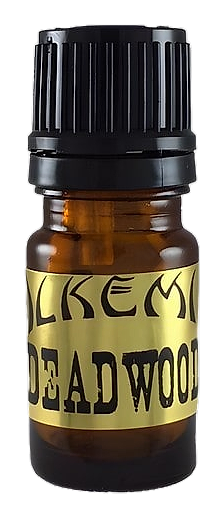
Brands
Brands known for Sage Blossom
Good to know
Questions, answered
The essentials on Sage Blossom in perfumery: how it smells, where it comes from, and how it behaves on skin.
What does sage blossom smell like?
Sage blossom offers a warm, herbaceous-floral aroma combining green sage freshness with sweet, slightly honeyed floral notes. It provides an aromatic bridge between herb and flower.
Is sage blossom natural or synthetic?
Natural sage blossom absolute comes from clary sage via solvent extraction. Some aromatic molecules like sclareolide are also produced synthetically from natural sclareol for consistency.
Which fragrances feature sage blossom prominently?
Sage blossom appears in numerous aromatic and fougère fragrances. It pairs particularly well with lavender, oakmoss, and woody base notes in masculine and unisex compositions.
Where does clary sage for perfumery grow?
Major production regions include Southern France, Morocco, Russia, and China. Southern France and Morocco produce premium quality material prized by luxury fragrance houses.
Why is clary sage important in perfumery?
Clary sage provides a sustainable, cost-effective alternative to costly natural materials while offering unique aromatic properties. Sclareolide derived from it mimics ambergris longevity.
What fragrance families use sage blossom?
Sage blossom features prominently in aromatic, fougère, chypre, and sometimes floral or oriental compositions. It adds herbaceous depth and natural authenticity.
How is sage blossom different from regular sage?
Common garden sage (Salvia officinalis) carries camphoraceous, medicinal notes. Clary sage offers sweeter, floral characteristics better suited for fine fragrance applications.