Rumex
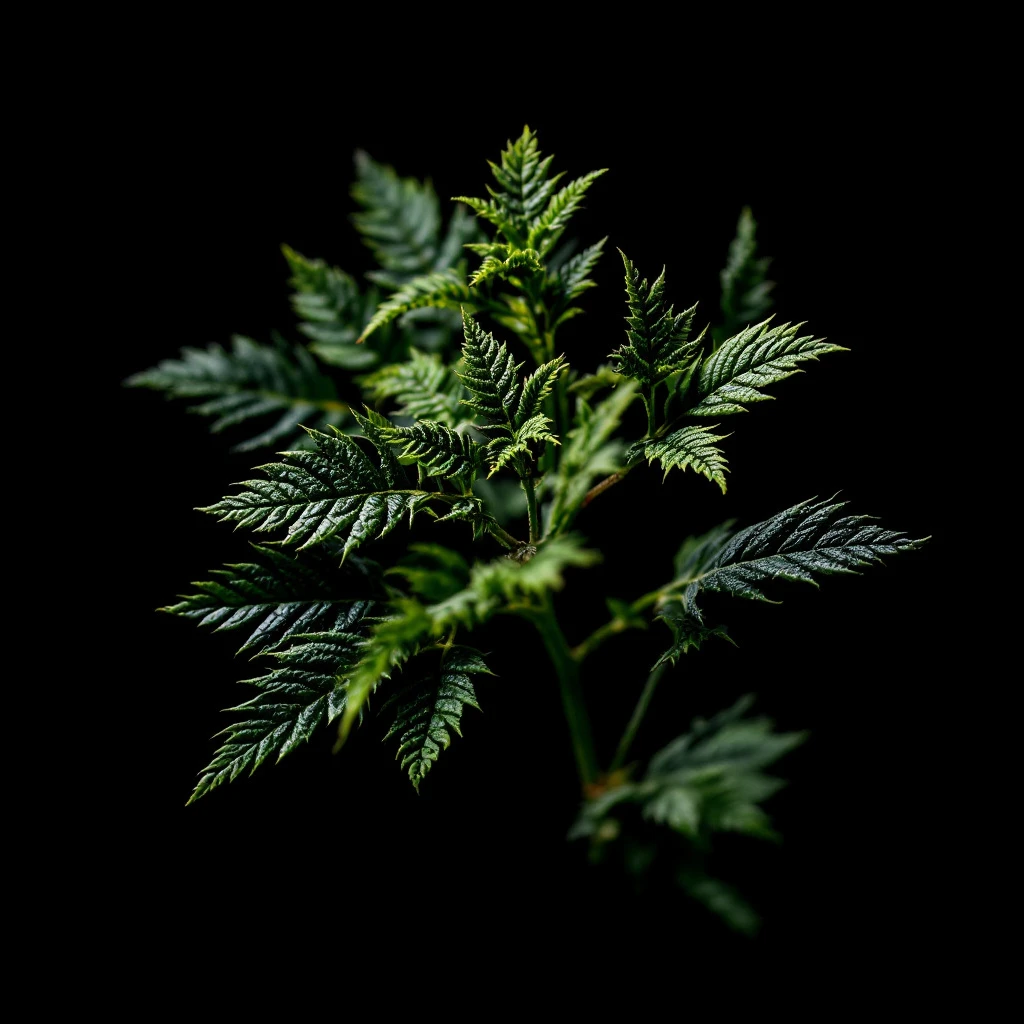
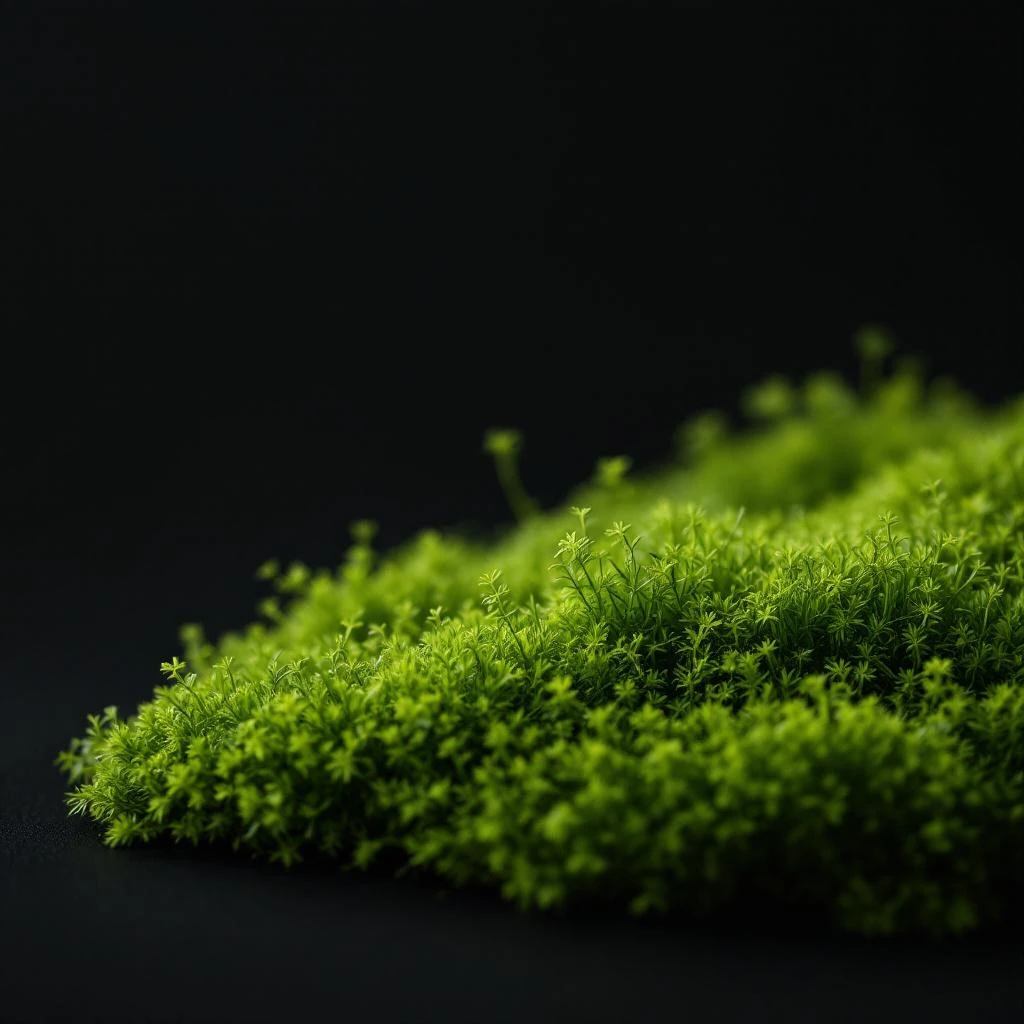
Rumex delivers an unexpected green sharpness that cuts through compositions with crystalline precision. This botanical material brings a tangy, almost metallic freshness that perfumers value for its ability to energize and lift fragrance structures.
Character
How it smells
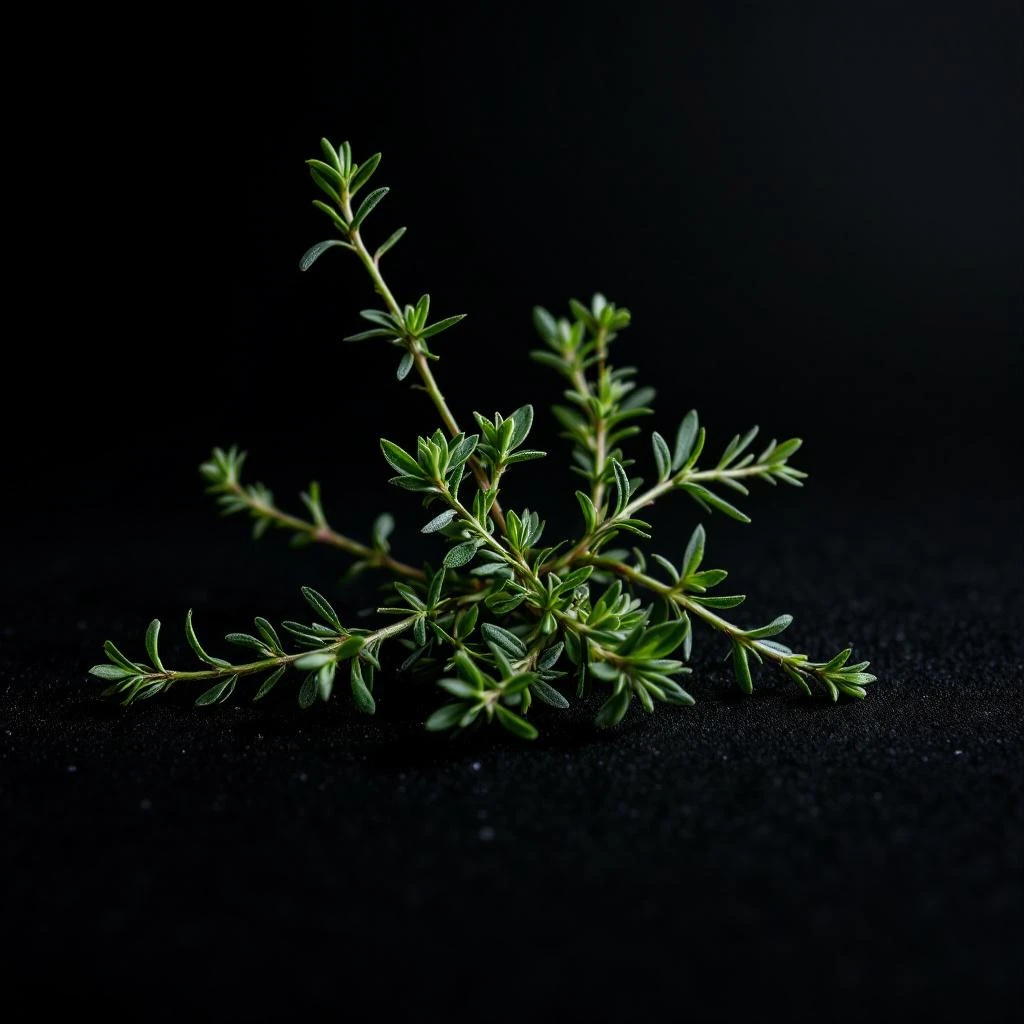
Green, tangy, and unexpectedly alive.
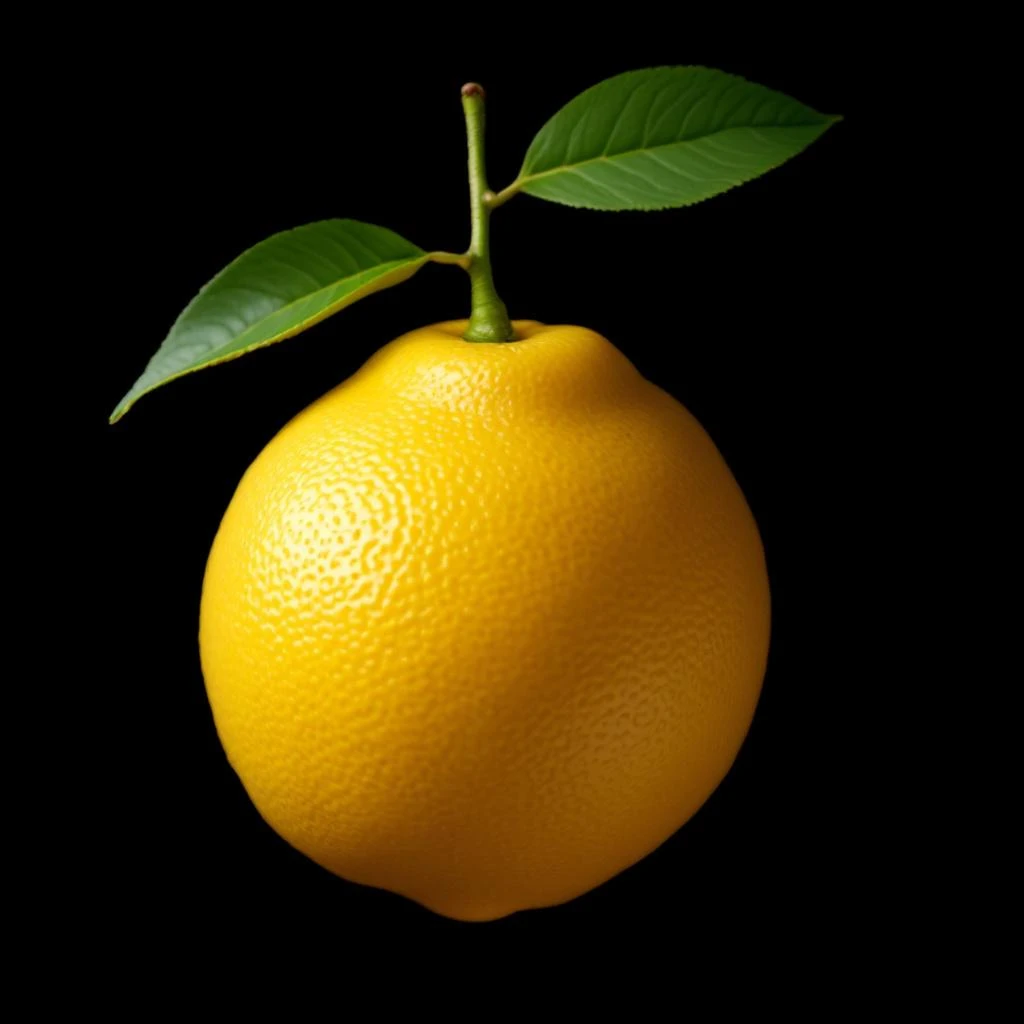
Rumex acetosa leaves contain more vitamin C than lemons, yet perfumers prize the root for its complex aromatic profile.
Origin
Switzerland
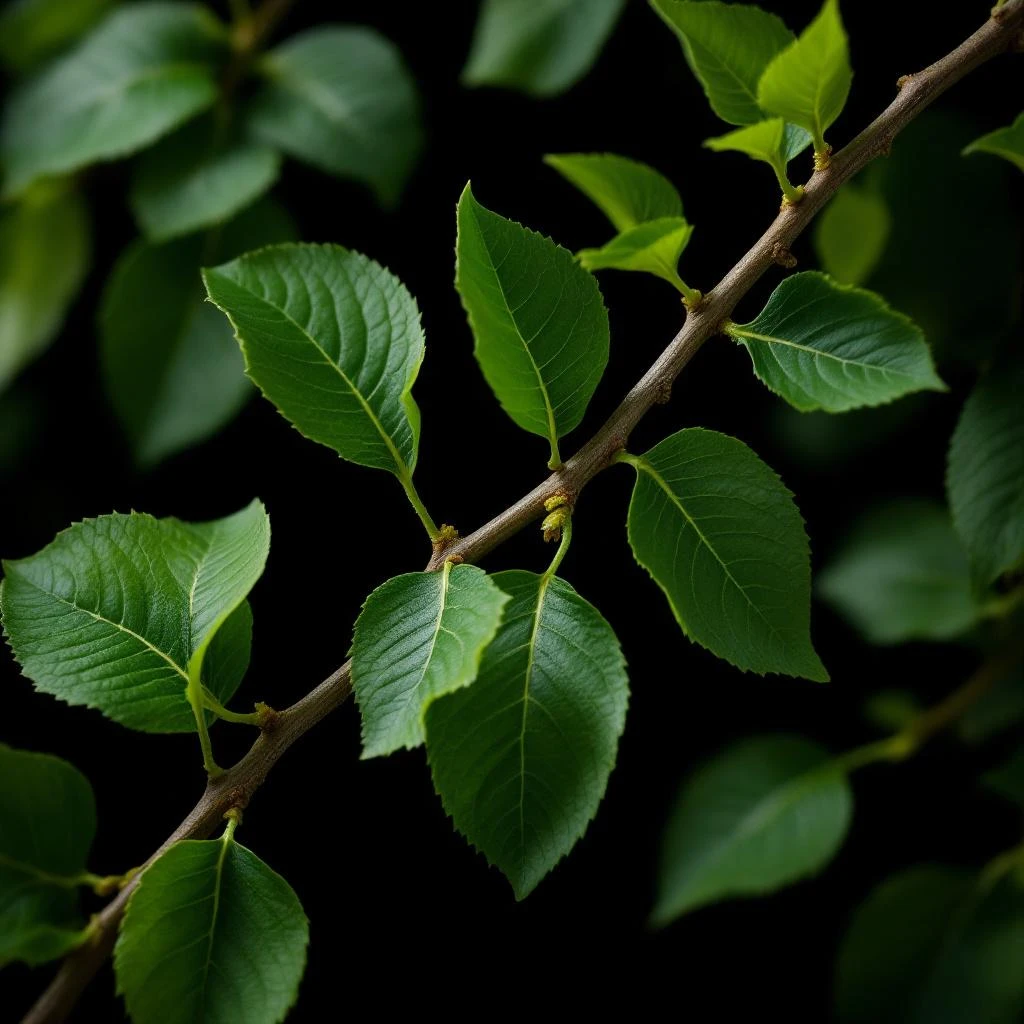
Dock plants have accompanied human civilization far longer than modern perfumery. Ancient Greek physicians documented Rumex preparations in medicinal texts, noting the plant's astringent properties.
Medieval European herbalists cultivated specific Rumex varieties in monastery gardens for both culinary and therapeutic applications. The transition from medicinal and culinary use to perfumery occurred gradually during the 20th century as fragrance chemists began systematically evaluating botanical materials for aromatic potential.
Alpine communities in Switzerland and Austria traditionally used Rumex alpinus roots in folk preparations, unaware that perfumers would eventually adopt similar species for their ability to introduce crisp, green top notes. The material remains relatively niche in contemporary perfumery, appearing in specialized green and chypre compositions where its sharp character provides contrast against warmer elements.
Wears it best
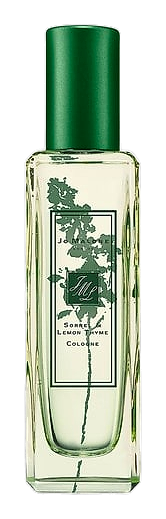
Fragrances featuring Rumex
Brands
Brands known for Rumex
Good to know
Questions, answered
The essentials on Rumex in perfumery: how it smells, where it comes from, and how it behaves on skin.
What does Rumex smell like?
Rumex has a sharp, green aroma with acidic, slightly bitter qualities. It resembles the scent of fresh-cut sorrel with earthy undertones and a distinctive metallic crispness that distinguishes it from other green materials.
Is Rumex a natural or synthetic ingredient?
Rumex is a natural ingredient derived from plants in the dock family. Perfumery uses solvent-extracted absolutes from Rumex alpinus and related species growing in alpine and temperate European regions.
Which fragrances feature Rumex?
Rumex appears primarily in niche and avant-garde compositions. Its sharp character suits green chypres, aromatic fougeres, and contemporary gender-fluid fragrances seeking unexpected top notes.
Does Rumex contain any allergens?
Like many natural plant materials, Rumex absolute may contain trace compounds that function as fragrance allergens. EU cosmetic regulations require disclosure of specific naturally occurring allergens present above threshold concentrations.
How does Rumex compare to other green notes?
Rumex offers a sharper, more metallic green quality than galbanum or violet leaf. It lacks the sweetness of galbanum and provides a tangier, more acidic character that works well for energizing top notes.
What part of the Rumex plant does perfumery use?
Perfumery extracts fragrance primarily from the roots and rhizomes of Rumex species. The underground portions contain the highest concentration of aromatic compounds contributing to the material's distinctive green, earthy profile.
Can Rumex be synthetically replicated?
No complete synthetic equivalent exists for Rumex. Chemists have developed specific aromatic molecules that capture individual aspects, such as certain green aldehydic compounds, but the full complex profile remains unique to the natural material.
What harvest factors affect Rumex quality?
Root harvest timing significantly impacts aromatic quality. Plants harvested in late autumn after leaf dieback typically yield roots with the highest concentration of aromatic compounds and the most desirable green, slightly bitter character.