Royal Jelly
Royal Jelly: the exclusive secretion that transforms a common larva into a queen bee. In perfumery, this rare bee-derived ingredient brings a complex, animalic sweetness to luxury fragrances, prized for its unique honeyed-creamy depth and rarity.
Character
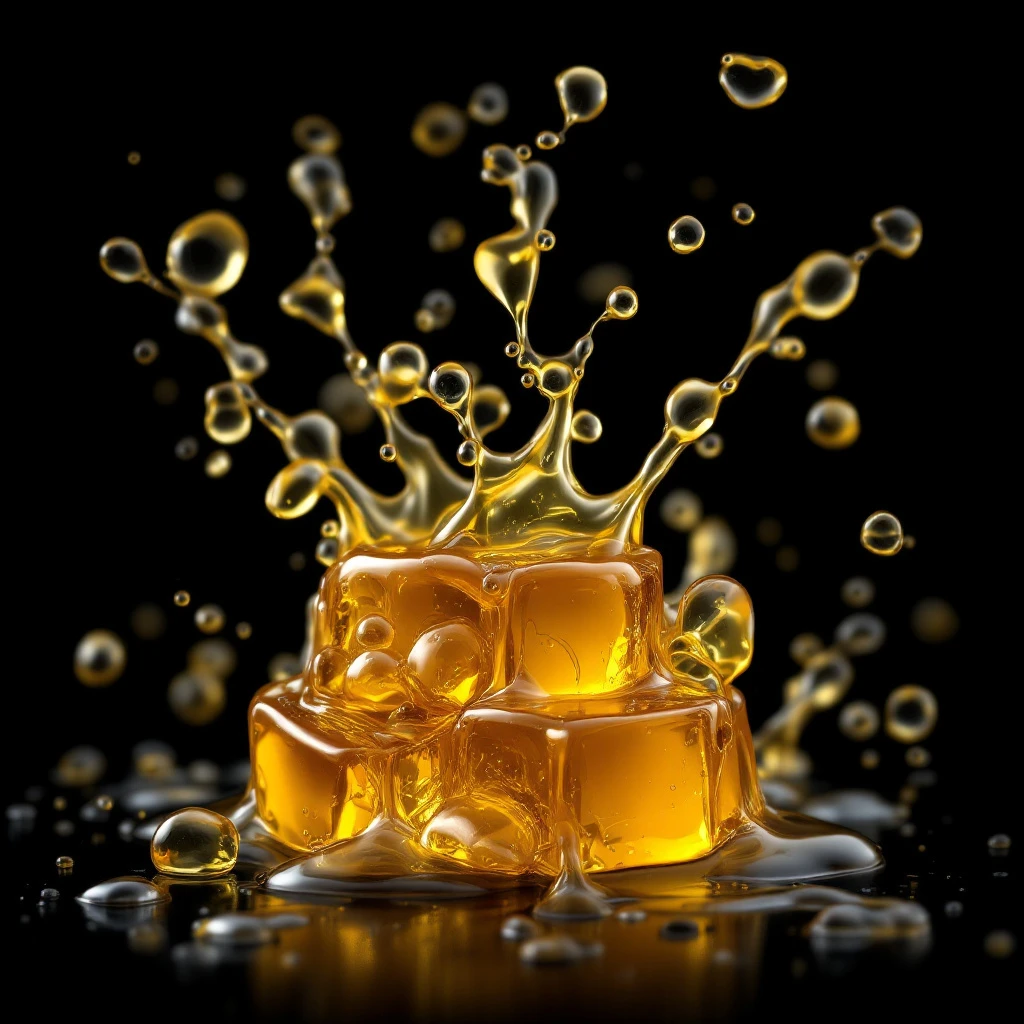
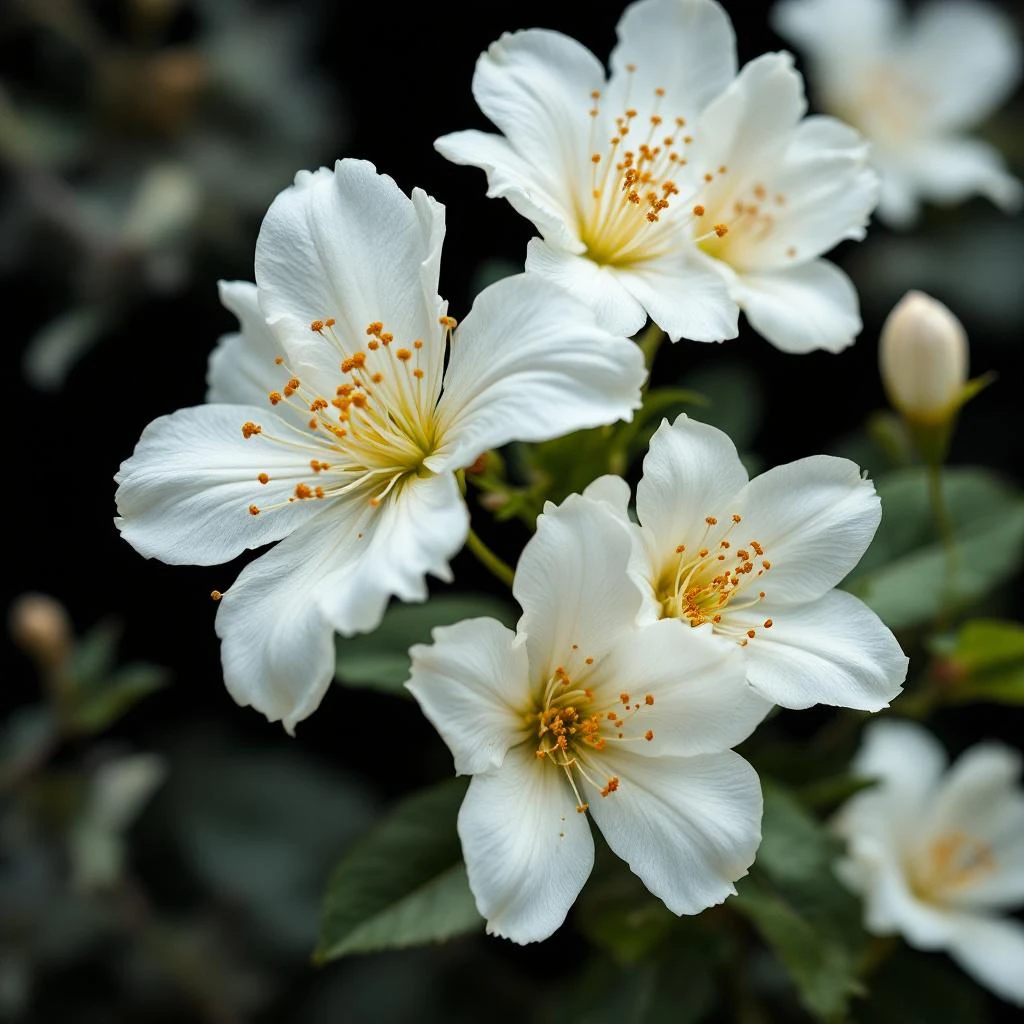
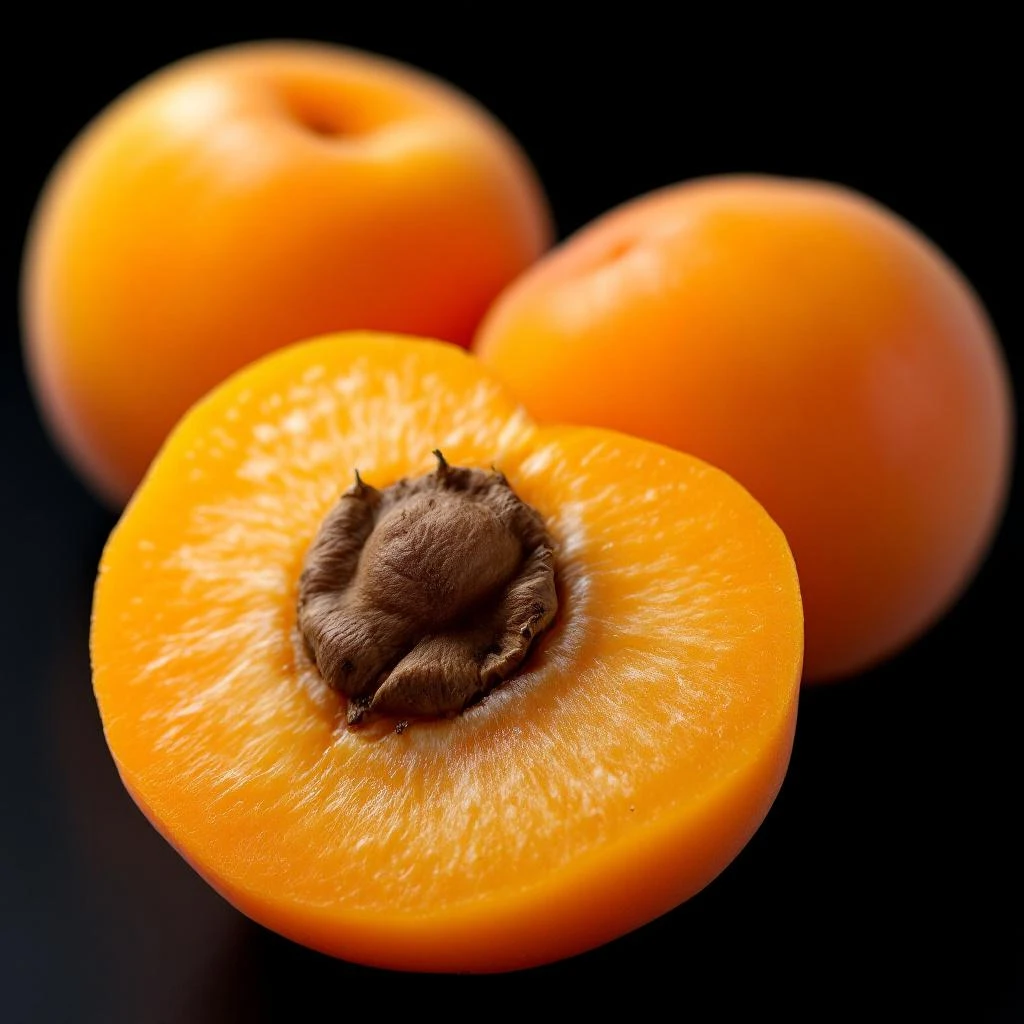
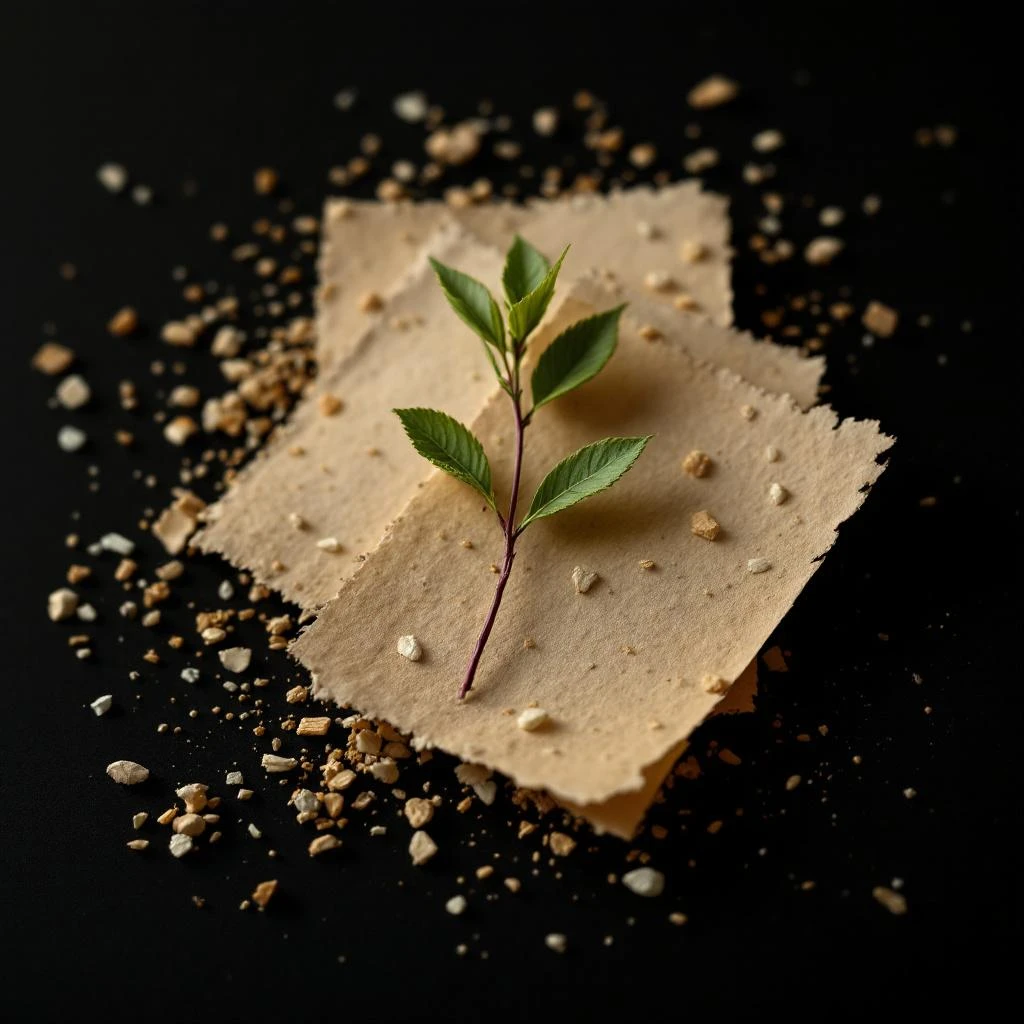
How it smells
Bee-generated royalty for fragrance royalty.
It takes an entire bee colony to produce just 300-500g of Royal Jelly per year, making it one of perfumery's rarest ingredients.


Origin
China
Royal Jelly's connection to royalty spans millennia. Ancient Egyptians revered bee-derived substances, associating them with divine authority and immortality. Egyptian queens reportedly used bee secretions in their elaborate beauty rituals, believing these preparations held regenerative powers.
Cleopatra's legendary beauty regimen allegedly incorporated Royal Jelly, a practice that influenced Mediterranean beauty traditions for centuries. The substance's name itself hints at its perceived supremacy: only queen larvae receive this exclusive nourishment, enabling their dramatic growth and 40-fold lifespan extension compared to worker bees. While bees have always produced this substance, perfumers began incorporating processed Royal Jelly absolute in the 20th century as fragrance houses sought rare animalic ingredients that could add unique depth and prestige to their compositions.
Its scarcity made it a status symbol in fragrance, reserved for houses willing to invest in extraordinary raw materials.
Wears it best
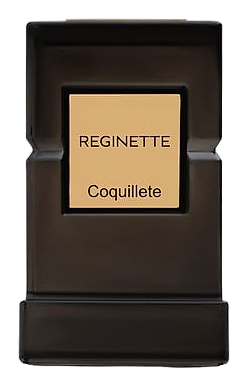
Fragrances featuring Royal Jelly

Brands
Brands known for Royal Jelly
Good to know
Questions, answered
The essentials on Royal Jelly in perfumery: how it smells, where it comes from, and how it behaves on skin.
What does Royal Jelly smell like in perfume?
Royal Jelly absolute offers a complex scent profile combining animalic, honeyed, and creamy notes. It adds waxy depth with subtle sweet and sour facets, creating a distinctive aromatic signature distinct from regular honey.
Is Royal Jelly used directly in fragrances?
Fresh Royal Jelly isn't suitable for direct use. Perfumery employs Royal Jelly absolute, a concentrated extract produced through organic solvent extraction, which preserves and concentrates its delicate aromatic compounds.
Why is Royal Jelly so rare in perfumery?
Colonies produce only 300-500 grams annually under optimal conditions. Each queen cell receives approximately 250mg, and producing 1g of absolute requires roughly 500g of fresh material, making extraction economically challenging.
What role does Royal Jelly play in bee society?
Bees produce Royal Jelly exclusively for queen development. Worker bees secrete it from specialized hypopharyngeal glands to nourish all developing larvae, but only queen-destined larvae receive continuous feeding, triggering their transformation into queens.
How much Royal Jelly does each bee contribute?
Individual bees contribute only tiny amounts per visit to a queen cell. The collective effort of thousands of nurse bees across multiple days yields the small quantities harvested, explaining why entire colonies produce so little annually.
What makes Royal Jelly unique compared to other bee products?
Unlike honey or beeswax, Royal Jelly is a glandular secretion rather than a processed plant product. Its composition includes unique proteins and fatty acids, notably 10-HDA, which contributes to its distinctive aroma and biological properties.
Does using Royal Jelly in perfume harm bee colonies?
Ethical apiaries carefully time harvests to avoid compromising queen development or colony health. Experienced beekeepers take only surplus Royal Jelly after ensuring queen cells have received adequate nourishment for the colony's reproductive needs.
What fragrances traditionally feature Royal Jelly?
Royal Jelly appears primarily in luxury niche fragrances where perfumers seek rare, complex ingredients. Houses incorporating bee-related themes or animalic elements most commonly use this absolute, typically in trace amounts to add subtle depth to base notes.