Rosa Rugosa
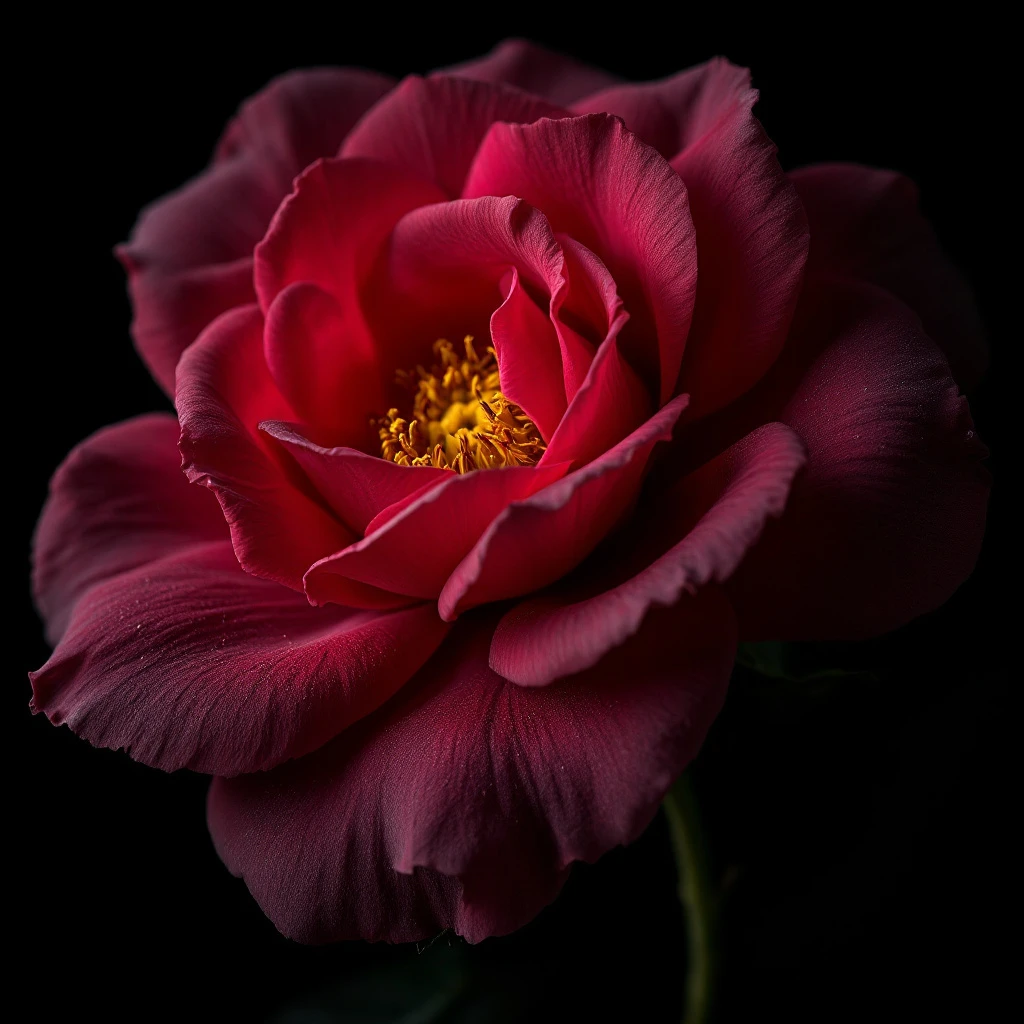
A wild coastal rose with a deeper, spicier character than its cultivated cousins. Rosa rugosa brings honeyed sweetness sharpened by crisp green leaves and a dusty, sun-warmed quality that reads as more rugged than romantic.
Character
How it smells
The beach rose that built empires
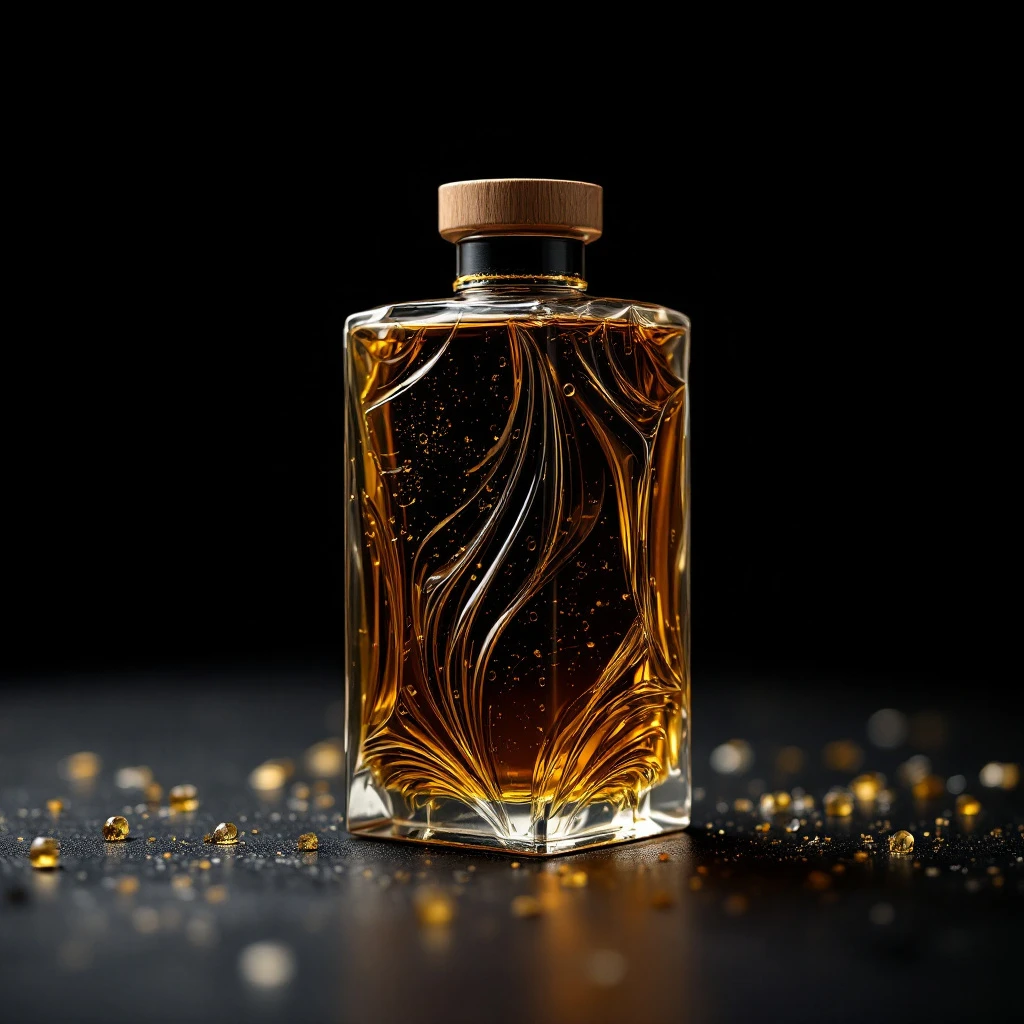
Rosa rugosa thrives in sandy, salt-sprayed coastlines where most roses cannot survive, giving its oil a distinctive mineral edge.





Origin
China
Rosa rugosa originated along the coastlines of East Asia, thriving in sandy soils and harsh maritime conditions where most roses fail. Chinese herbalists documented its medicinal petals centuries ago, using them in remedies for inflammation and digestive complaints.
Japanese and Korean communities cultivated the plant both as a hedgerow and a perfume source long before it reached Western perfumers. Meanwhile, the broader tradition of rose oil distillation likely originated in ancient Persia, where producers refined the steam technique still used today.
Rosa rugosa entered European horticulture in the late 18th century, admired for its wrinkled foliage, repeat blooming, and remarkable cold tolerance. By the 20th century, growers in China, Japan, and parts of the United States began harvesting rugosa at scale for cosmetics and perfumery, drawn by its distinctive peppery-honey profile that differs from the sweeter damascene rose oils of Bulgaria and Turkey.
Wears it best
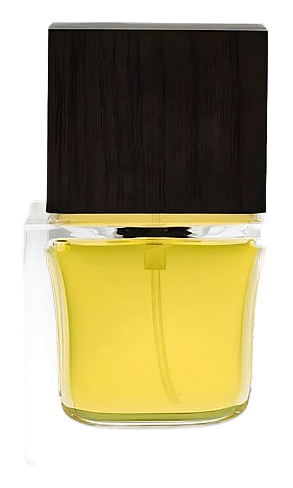
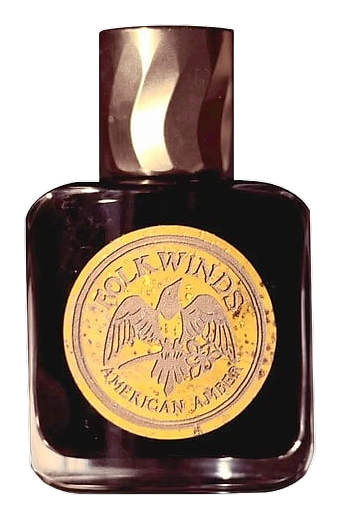
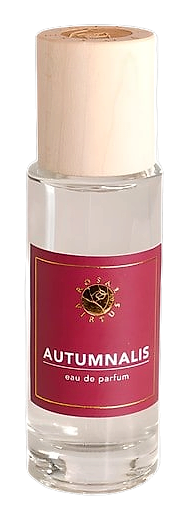
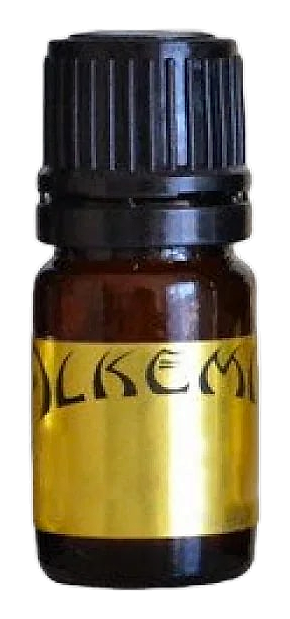
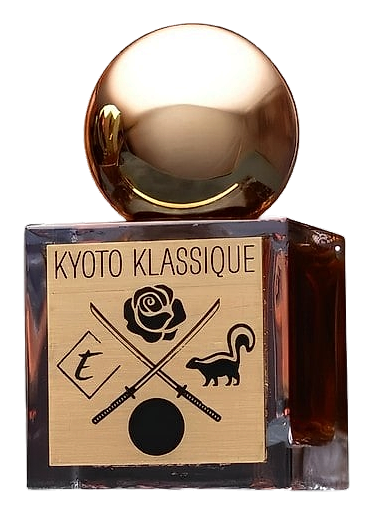
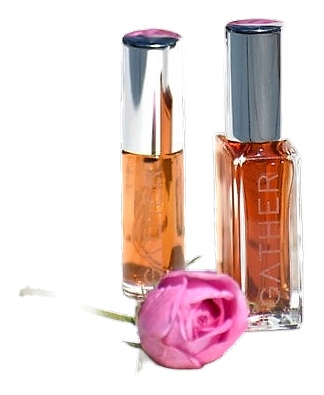
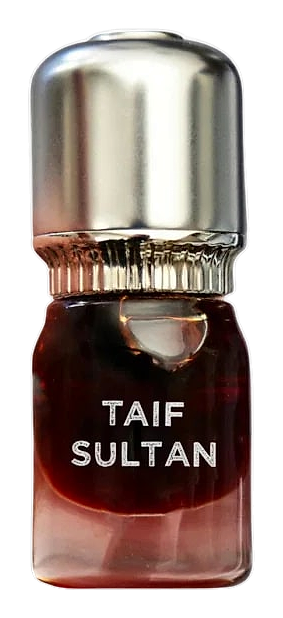
Fragrances featuring Rosa Rugosa

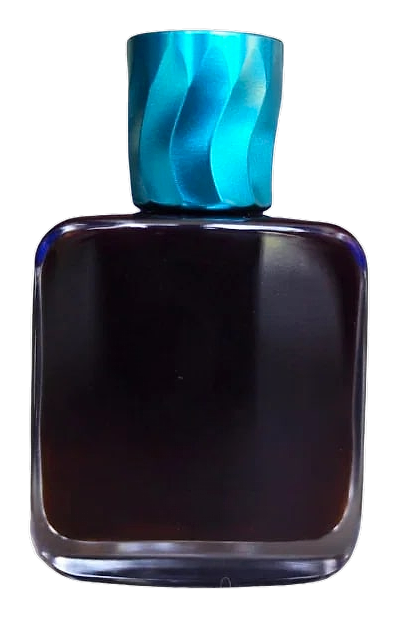
Brands
Brands known for Rosa Rugosa
Good to know
Questions, answered
The essentials on Rosa Rugosa in perfumery: how it smells, where it comes from, and how it behaves on skin.
What does Rosa rugosa smell like in perfumery?
Rosa rugosa reads as a wilder, spicier rose with honeyed sweetness layered over green leaf and a faint mineral saltiness. It lacks the syrupy depth of damask rose, instead offering a sharper, more luminous character that suits outdoorsy and unisex compositions.
How is Rosa rugosa essential oil produced?
Producers steam-distill freshly picked petals within hours of harvest to preserve volatile compounds. The process yields roughly one kilogram of oil per 3,000 to 5,000 kilograms of flowers, making it one of the more labor-intensive botanical extracts.
Where does Rosa rugosa originally come from?
Rosa rugosa is native to coastal East Asia, including China, Japan, and Korea. It colonizes sandy dunes and salt-sprayed shorelines where cultivated rose varieties cannot establish.
How is Rosa rugosa different from Rosa damascena?
Rosa damascena produces a sweeter, more opulent oil prized in Bulgaria and Turkey, while Rosa rugosa delivers a crisper, greener, slightly peppery profile. Perfumers often choose rugosa when seeking a less confectionary rose note.
Is Rosa rugosa used in natural medicine?
Traditional Chinese and Korean herbalists used rugosa petals to treat inflammation, liver complaints, and digestive issues. Modern research has identified antioxidant and antimicrobial compounds in the petals, supporting several folk applications.
Can Rosa rugosa be grown at home for perfumery?
The plant thrives in poor sandy soil, cold winters, and salt-laden air, making it one of the easiest roses to cultivate. However, a single home bush produces far too few petals for viable oil distillation.
When are Rosa rugosa petals harvested for oil?
Growers pick petals at dawn during peak bloom, typically late spring through early summer. Morning harvesting captures the highest concentration of volatile oils before daytime heat causes them to dissipate.
Is Rosa rugosa sustainable compared to other rose oils?
The plant requires minimal irrigation or pesticides and grows aggressively on marginal land, reducing agricultural pressure. Its hardiness makes it among the more environmentally friendly rose sources for extract production.



