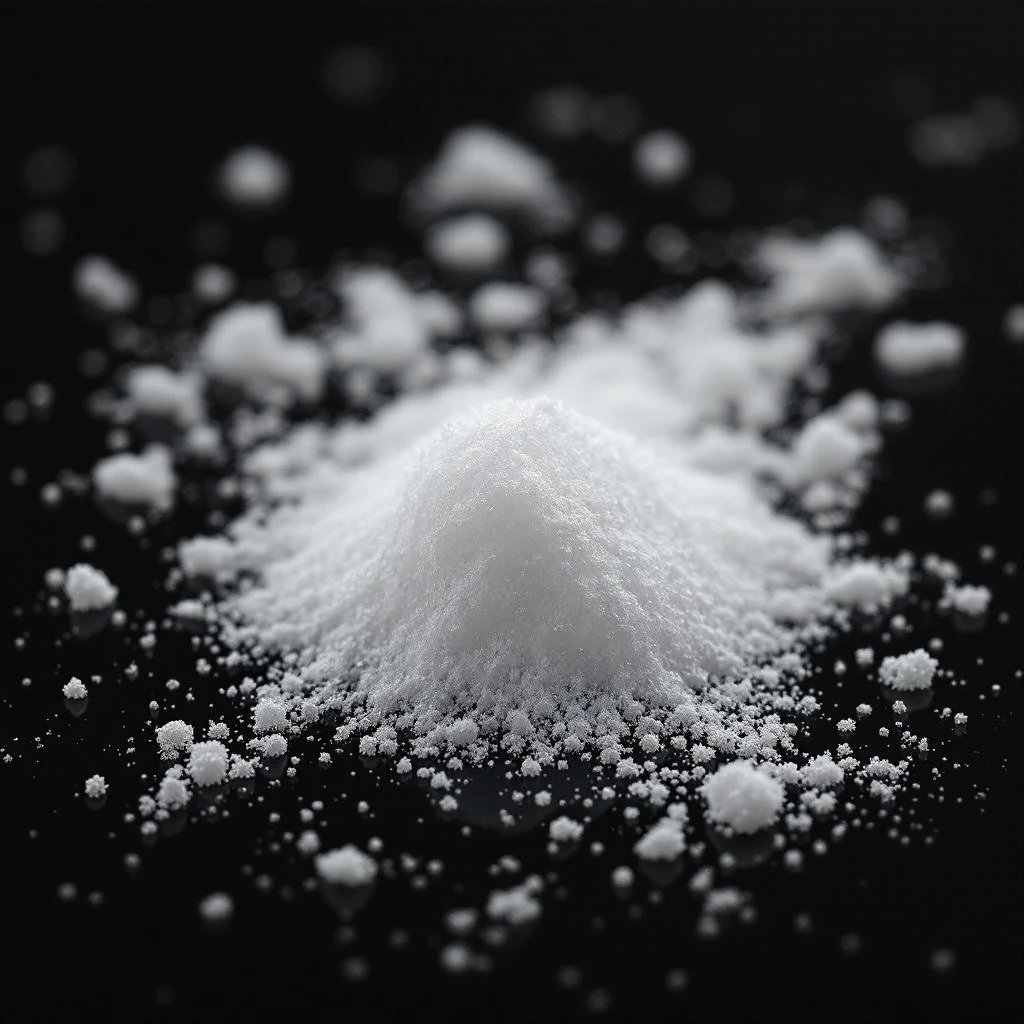
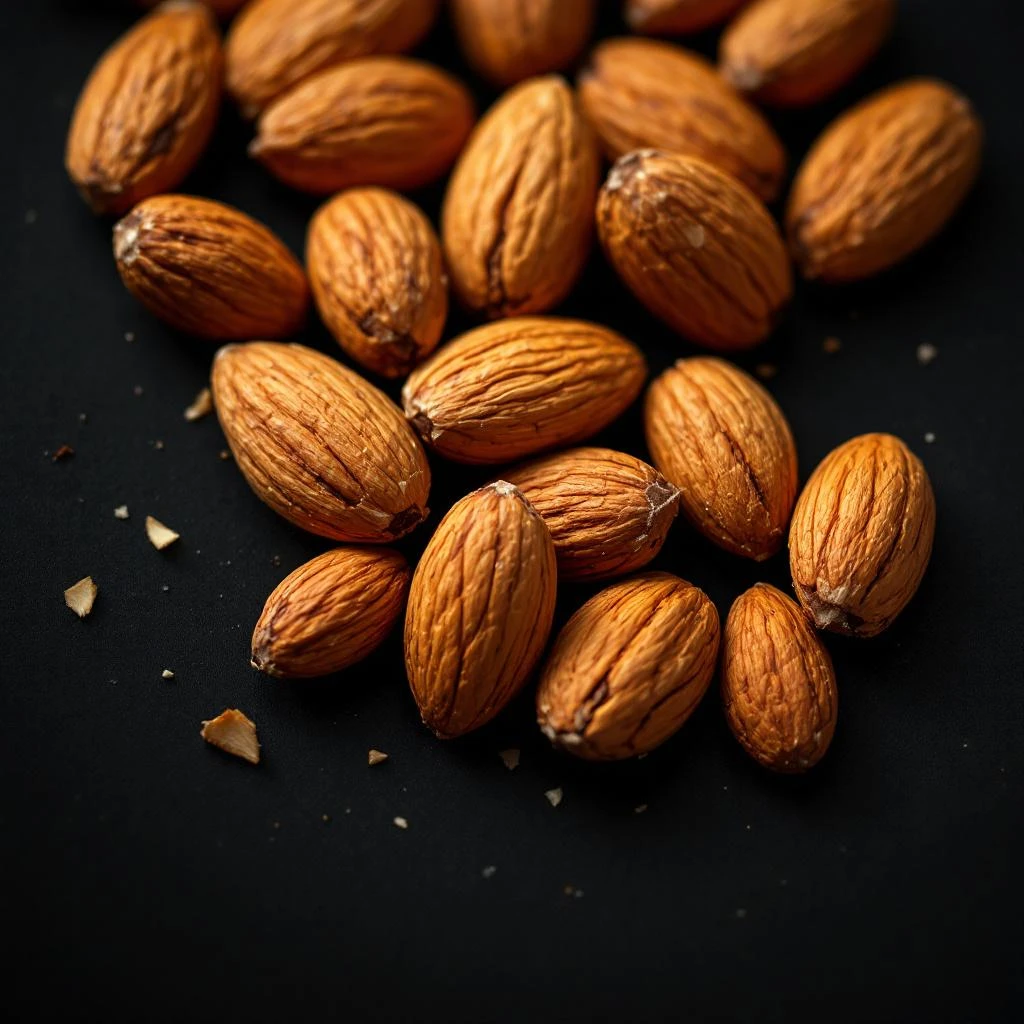
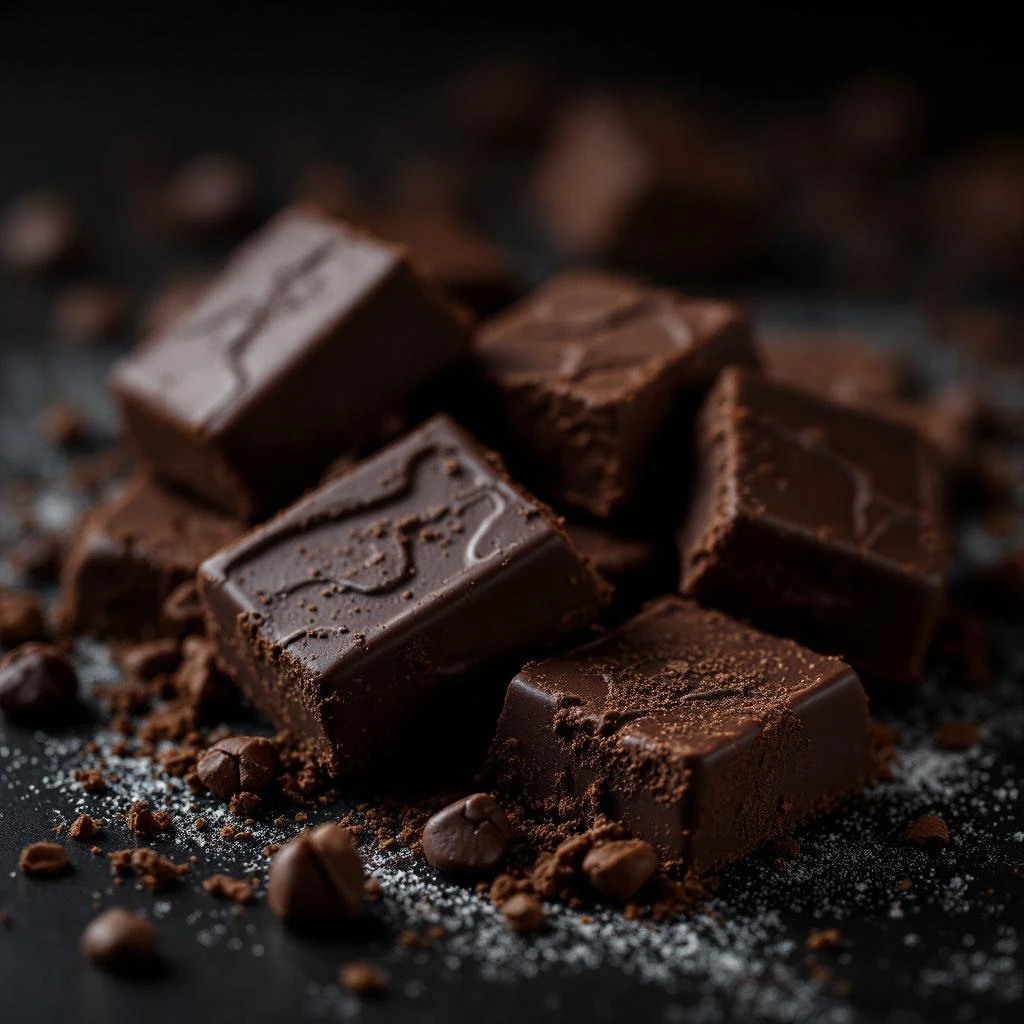
Romanian Cognac
Romanian Cognac captures the warm, barrel-aged depth of Eastern Europe's winemaking heritage—rich amber notes with dried fruit, subtle oak warmth, and a honeyed sweetness that evokes sun-drenched Carpathian vineyards.
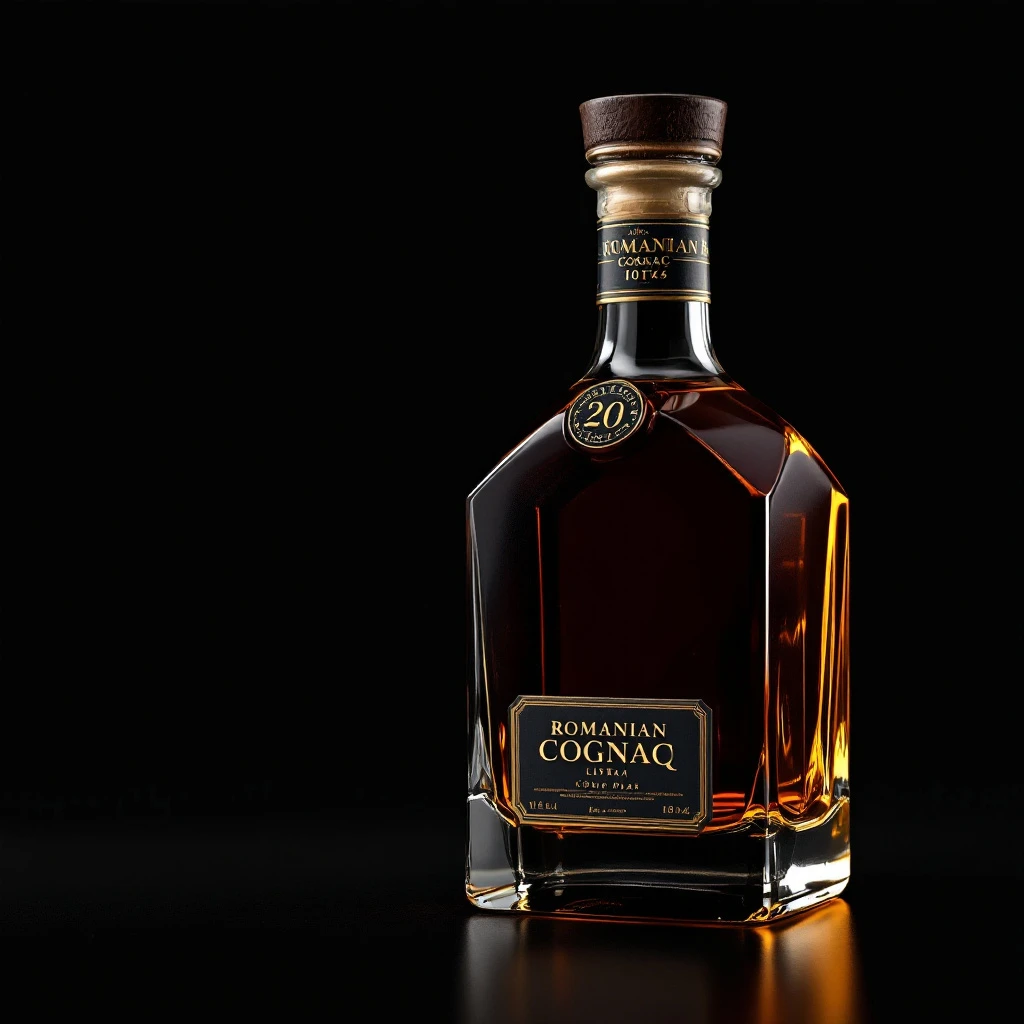
Character
How it smells
Eastern Europe's answer to barrel-aged elegance.
Romania ranks among Europe's oldest wine-producing nations, with viticulture dating back to Neolithic times and thriving under Roman occupation.






Origin
Romania
Romania's relationship with wine spans millennia, with archaeological evidence of viticulture dating to the Neolithic period. The Dacians, ancient inhabitants of the Carpathian Basin, cultivated grapes long before Roman conquest, and winemaking flourished under Roman rule, which introduced advanced pruning and storage techniques. Throughout centuries, Romanian Orthodox monasteries became centers of winemaking tradition, with monks perfecting aging methods that produced the rich, barrel-developed flavors now associated with Romanian spirits.
The country emerged as one of Europe's most significant wine producers, with the Carpathian Mountains creating favorable microclimates for Vitis vinifera cultivation. During the communist era, large-scale collective wineries continued developing these traditions despite political upheaval. After 1989, private Romanian wineries revived heritage grape varieties and traditional aging practices, building the reputation for complex, barrel-aged wines that now inspire perfumers.
Romanian Cognac as a fragrance ingredient emerged from this modern renaissance, celebrating a winemaking culture that survived conquest, occupation, and political upheaval to remain vibrant today.
Wears it best
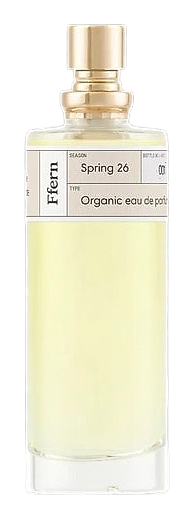
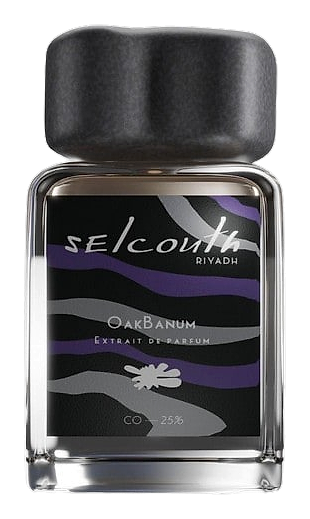
Fragrances featuring Romanian Cognac
Good to know
Questions, answered
The essentials on Romanian Cognac in perfumery: how it smells, where it comes from, and how it behaves on skin.
What does Romanian Cognac smell like in fragrance?
Romanian Cognac absolute offers warm, brandy-like notes with dried fruit, subtle oak, and honeyed sweetness. It brings depth and sophistication to base compositions.
Is Romanian Cognac a natural or synthetic ingredient?
Romanian Cognac is a natural ingredient extracted from wine lees through steam distillation. No synthetic replicates match its full complexity.
Which perfumes commonly feature Romanian Cognac?
Warm oriental fragrances, amber compositions, and luxury men's colognes frequently feature cognac notes. It pairs exceptionally well with vanilla, woods, and spices.
What part of the grape plant is used?
Perfumers use the lees—the sedimentary residue that settles during winemaking. This byproduct contains concentrated aromatic compounds from fermentation.
Why Romanian wine lees specifically?
Romania's unique terroir, with limestone-rich soils and continental climate, produces Vitis vinifera grapes with distinctive flavor profiles. The Carpathian influence matters.
How does Romanian Cognac differ from regular cognac fragrance notes?
Natural cognac absolute offers unmatched complexity compared to synthetic aroma chemicals. The real material contains hundreds of trace compounds that synthetic versions cannot fully replicate.
What extraction method produces Romanian Cognac absolute?
Steam distillation of wine lees yields the aromatic absolute. This process separates the aromatic compounds from the sediment while preserving their original character.
What pairs well with Romanian Cognac in fragrance blending?
It combines beautifully with vanilla, sandalwood, benzoin, amber, and spices like cardamom. These pairings enhance its warm, barrel-aged character.