Rock Orchid
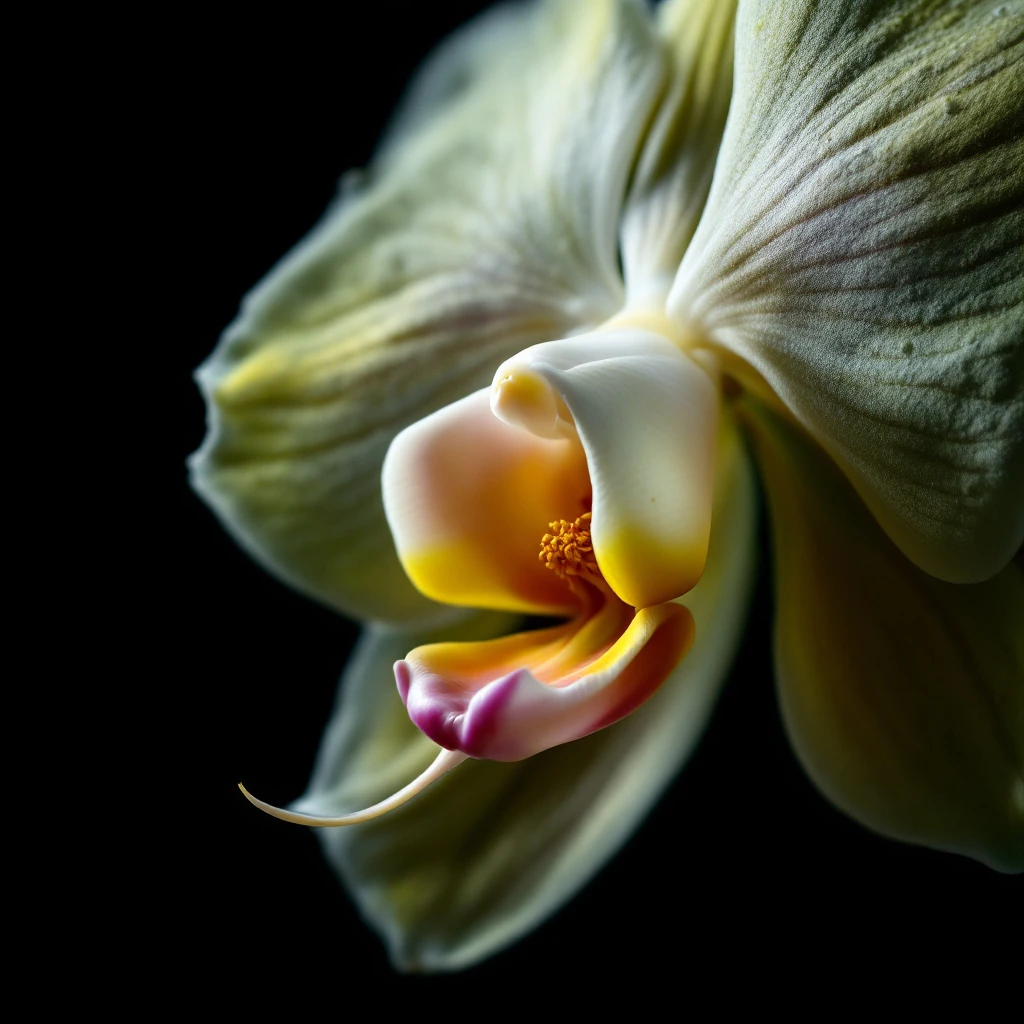
Rock Orchid anchors a composition with mineral-cool depth, evoking damp stone and lichen-covered cliffs. The note carries a quiet, earthy elegance that grounds brighter florals and citrus tops.
Character
How it smells
Stone-rooted calm with a floral whisper.
True rock orchids in Australia produce little to no scent, so perfumers recreate the effect using synthetic aroma molecules that mimic cool mineral and green-floral accords.







Origin
France
Orchids entered Western perfumery as a romantic concept long before they became a technical reality. The nineteenth century saw the commercial synthesis of aroma compounds such as coumarin and vanillin, which opened the door for perfumers to build florals from the laboratory bench rather than the field.
Orchid cultivation in Europe had surged during the Victorian era, when wealthy collectors paid extraordinary sums for rare specimens, yet perfumers discovered that most orchid species released negligible scent. That gap between cultural prestige and aromatic scarcity made the orchid an ideal candidate for synthetic reconstruction.
By the early twentieth century, house perfumers were constructing orchid accords from ionones, linalool derivatives, and green aldehydes. Rock Orchid as a named note emerged from this tradition, signaling not a botanical truth but a crafted impression of stone, root, and rare flower combined.
Wears it best
Fragrances featuring Rock Orchid

Brands
Brands known for Rock Orchid
Good to know
Questions, answered
The essentials on Rock Orchid in perfumery: how it smells, where it comes from, and how it behaves on skin.
What does Rock Orchid smell like in perfumery?
Rock Orchid presents a cool, mineral-tinged floral with green and earthy undertones. Perfumers use it as a grounding mid-note that softens sharper citrus and brighter white florals without adding sweetness.
Is Rock Orchid a real flower in fragrance?
True rock orchids (Dendrobium species native to Australia) produce minimal scent. The perfumery note is a constructed accord built from synthetic aroma molecules designed to evoke the flower’s cool, stony character.
How is the Rock Orchid fragrance note made?
The note is produced through synthetic compounding. Chemists blend green-leaf alcohols, floral ketones, and ionone-class molecules in controlled ratios to replicate the sensory impression of orchids growing on damp rock.
Where does Rock Orchid originate as a perfumery ingredient?
The concept and its synthesis were refined primarily in Grasse, France, the historical center of European perfumery. The accord draws on nineteenth-century synthetic chemistry breakthroughs that first made modern floral reconstruction possible.
Is Rock Orchid sustainable to produce?
Yes. Because the note is synthesized from common aroma chemicals, no wild orchid harvesting is required. This avoids the conservation concerns linked to overexploitation of rare orchid species in their native habitats.
What fragrance families feature Rock Orchid?
Rock Orchid appears most often in green, chypre, and modern floral compositions. It also supports mineral-aquatic fragrances and unisex scents that lean on stony, earthy character rather than overt sweetness.
When was Rock Orchid first used in perfumery?
The synthetic orchid accord gained traction in the early twentieth century as chemists expanded on nineteenth-century aroma synthesis. Named variations like Rock Orchid became popular as perfumers sought novel green-mineral effects.
Does Rock Orchid contain real orchid extract?
Most Rock Orchid notes contain no botanical orchid material at all. They are entirely synthetic reconstructions, though some niche houses may supplement the accord with small amounts of related rhizome or hybrid-flower extracts for texture.




