Rhubarb Jam
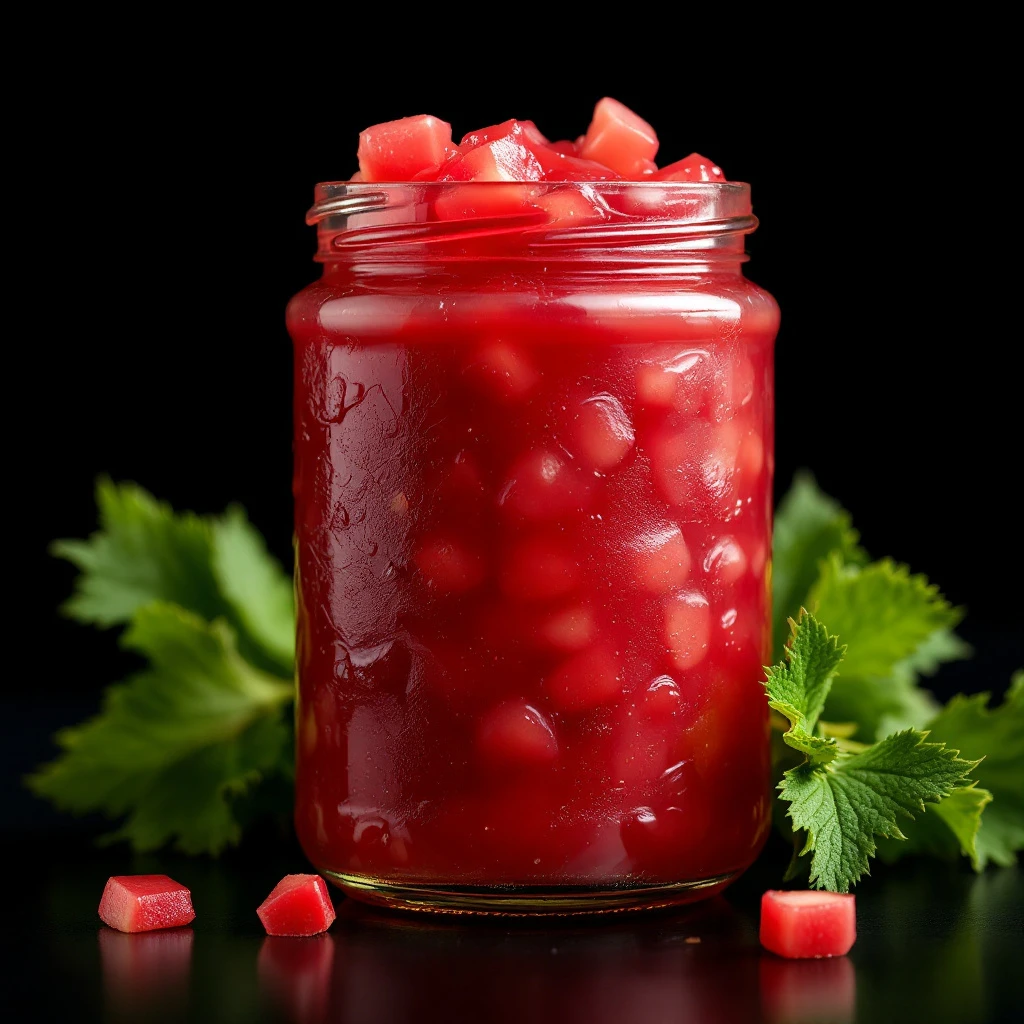
Tart green stalks meet sun-cooked sweetness—rhubarb jam brings a sun-drenched kitchen garden into your fragrance wardrobe. This culinary-inspired note bridges the garden and the jar, delivering bright acidity balanced with warm, jammy depth.
Character
How it smells
Bright, tart, and beautifully jammy.
Rhubarb was first brought to Western attention in 1271 when Marco Polo encountered it during his travels in China.




Origin
China
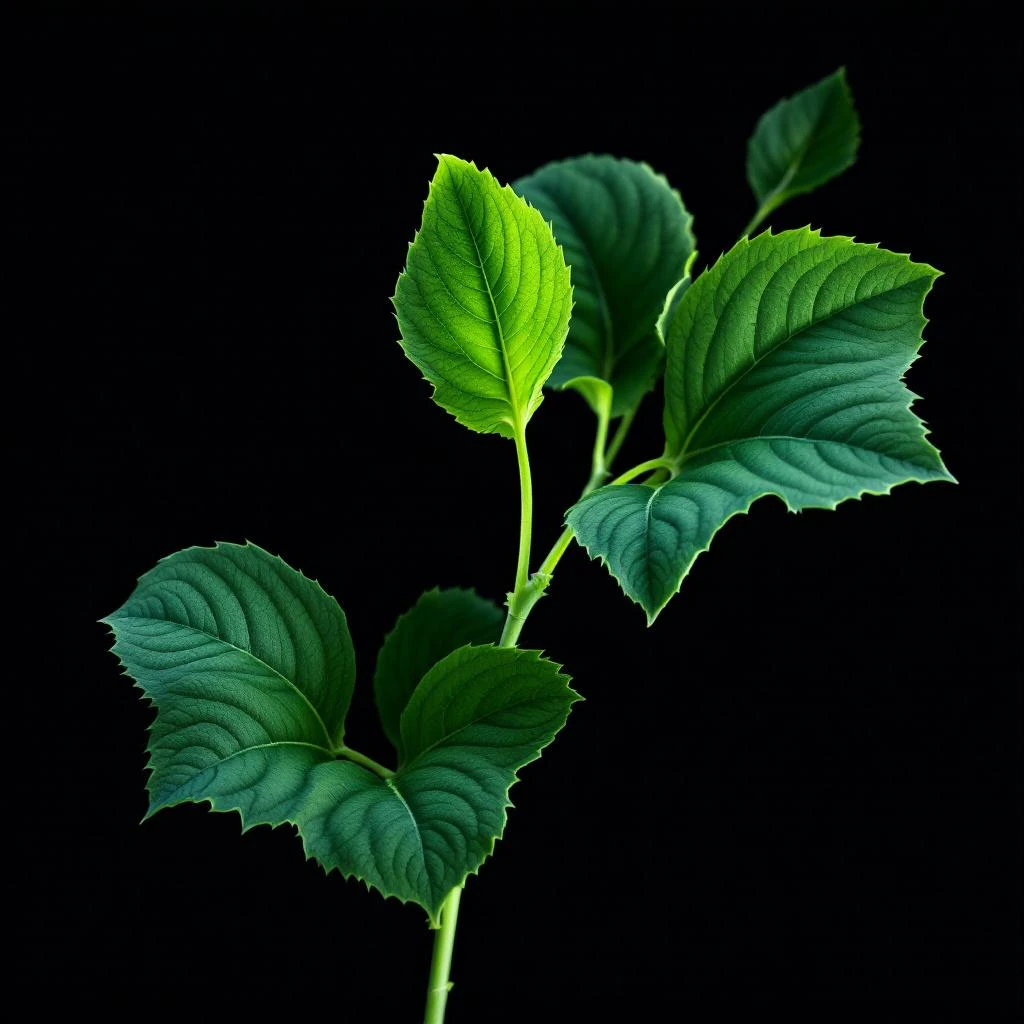
Rhubarb traces its fragrant history to Central Asia, where medicinal preparations of the root appeared in Chinese texts as early as 2700 BCE. The true unveiling for Western perfumery came in 1271 when Marco Polo encountered rhubarb during his travels along the Silk Road.
The plant's thick, ruby-green stalks were prized for their tart, vegetal character long before anyone considered them edible. Rhubarb migrated slowly westward, arriving in European botanical gardens by the 18th century where physicians cultivated it for medicinal decoctions.
American colonists received their first rhubarb plants through competing origin stories—some credit Benjamin Franklin, others point to a Maine farmer—though the plant remained primarily medicinal until kitchen gardens popularized its culinary uses. Today, China dominates global rhubarb cultivation, producing millions of tonnes annually, while perfumers access its aromatic essence through modern synthetic chemistry.
Wears it best
Fragrances featuring Rhubarb Jam
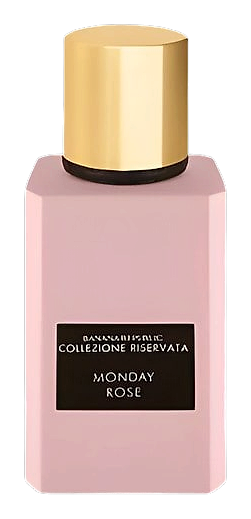
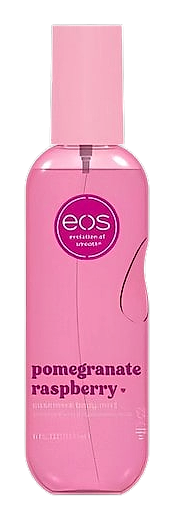
Brands
Brands known for Rhubarb Jam
Good to know
Questions, answered
The essentials on Rhubarb Jam in perfumery: how it smells, where it comes from, and how it behaves on skin.
Is rhubarb jam a natural fragrance ingredient?
No, rhubarb cannot be extracted naturally for fragrance. Chemists synthetically recreate its scent by isolating and combining key aroma compounds, primarily 2-methylbutanoic acid, to produce its characteristic tart, green, jammy profile.
What does rhubarb smell like in fragrance?
Rhubarb in perfumery reads as bright, tart, and green with a jammy sweetness that emerges in the dry-down. The interplay of sharp acidity and cooked fruit creates a fresh-yet-warm character that many compare to biting into a fresh stalk.
Why do perfumers use synthetic rhubarb instead of natural rhubarb?
Natural rhubarb stalks lack the concentrated aromatic oils suitable for traditional extraction methods like distillation. Synthetic reproduction allows perfumers to consistently capture rhubarb's volatile profile without the variability inherent in fresh botanical material.
Is rhubarb considered a fruit or vegetable in perfumery?
Botanically, rhubarb is a vegetable since only the stalks are used, not the fruit. However, its sweet-tart, jammy character often places it alongside fruits like raspberry and strawberry in fragrance classifications.
What regions produce the best rhubarb for fragrance?
Climate and soil composition significantly influence rhubarb's aromatic profile. The cool, temperate growing conditions of China, Northern Europe, and parts of North America produce stalks with more concentrated acidity and complexity.
How did rhubarb become used in perfumery?
Rhubarb entered Western awareness in 1271 when Marco Polo documented it during his travels. Its medicinal use preceded culinary adoption, and synthetic fragrance chemistry eventually unlocked its aromatic potential for modern perfumery.
What fragrance families pair well with rhubarb?
Rhubarb integrates beautifully into green, fruity, and chypre compositions. It pairs exceptionally well with rose, blackcurrant, and woody base notes while adding bright lift to citrus and herbal accords.
Does rhubarb jam smell different from fresh rhubarb in fragrance?
The jam accord adds warmth and sweetness that fresh rhubarb lacks. While fresh rhubarb emphasizes green, tart qualities, rhubarb jam balances that sharpness with a subtle cooked-fruit sweetness reminiscent of summer preserves.