Red Woods
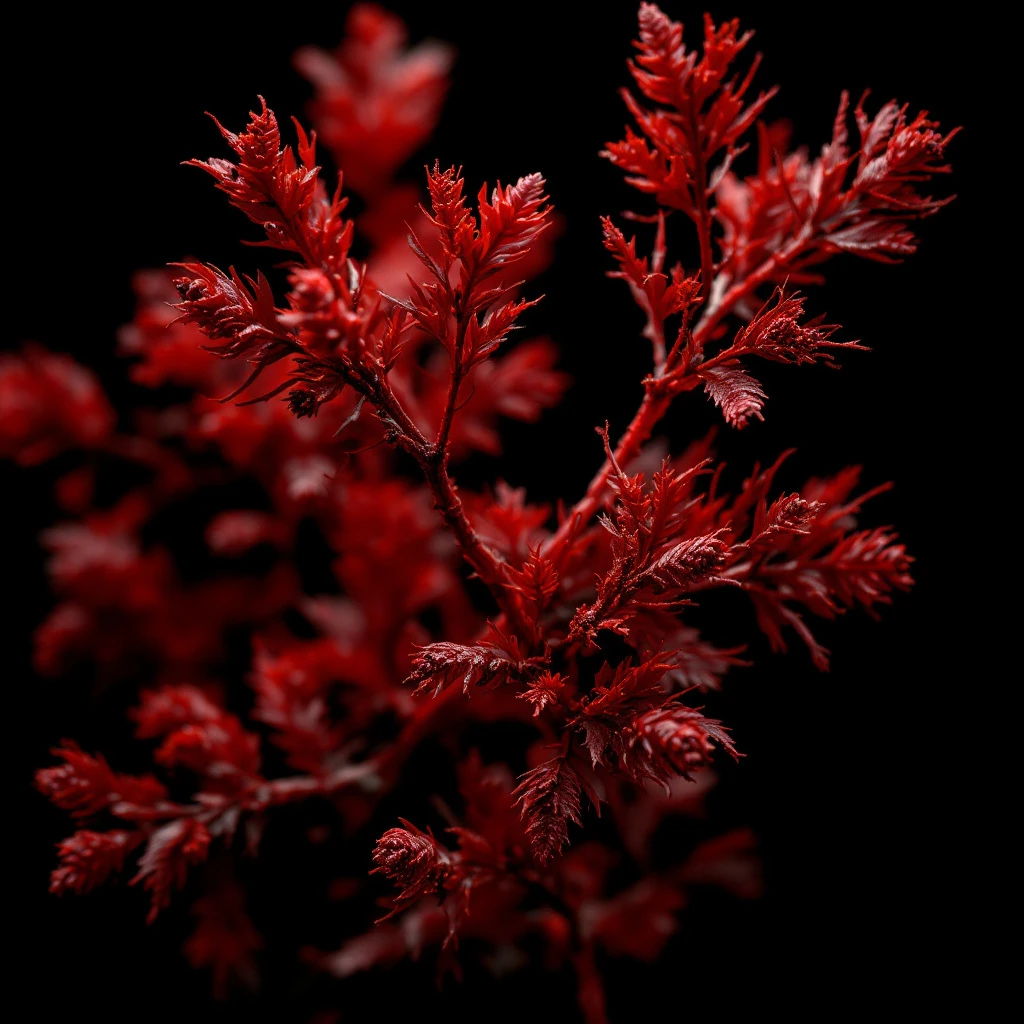
A warm, resinous wood note with deep earthy undertones and subtle balsamic sweetness. Redwood captures the towering presence of ancient forests, bringing architectural structure and a living green quality to compositions.
Character
How it smells
Ancient forests distilled into scent.
Redwood trees can live over 2,000 years and some grow taller than the Statue of Liberty.





Origin
United States
The use of aromatic woods in fragrance dates to ancient Mesopotamia, Egypt, and Greece, where priests burned cedar and cypress resins in sacred rituals. Redwood as a modern perfumery ingredient emerged more recently, driven by artisans in California's Humboldt County, where towering coastal redwoods have defined the landscape for millennia. One perfumer returned to the region in the early 2000s after time in Europe, drawn back by her father's illness, and found herself captivated by the distinctive scent of the old-growth forest.
This personal connection sparked experiments with foraged fallen redwood, developing extraction methods that preserve the living forest quality of the wood. The practice of using only fallen timber reflects both sustainability principles and a belief that the downed trees, which have already given their form to the forest floor, can give something more through scent.
Wears it best
Fragrances featuring Red Woods

Brands
Brands known for Red Woods
Good to know
Questions, answered
The essentials on Red Woods in perfumery: how it smells, where it comes from, and how it behaves on skin.
What does Red Woods smell like?
Red Woods delivers warm, resinous notes with deep earthy undertones and subtle balsamic sweetness. The scent carries a distinctive green-wood quality alongside dried bark and amber characteristics, creating a base note that grounds compositions without heaviness.
Is Red Woods a natural or synthetic ingredient?
Natural Red Woods comes from steam-distilled or solvent-extracted fallen coastal redwood from Northern California. Some fragrances use synthetic woody analogs, but the authentic material captures unique tannin and phenolic compounds unavailable in lab-created versions.
What fragrance families pair well with Red Woods?
Red Woods works as a foundation in woody, chypre, and fougère compositions. It bridges fresh citrus and floral top notes with warm amber and musky dry-downs, adding structural depth without overpowering lighter accords.
Which perfumes feature Red Woods as a prominent note?
Red Woods appears in several artisan and niche fragrances, often positioned as a bridge between traditional cedar and newer synthetic woody molecules. Check individual fragrance listings for specific formulations, as the ingredient often appears alongside complementary woods like sandalwood or vetiver.
How do perfumers source Red Woods sustainably?
Ethical producers harvest exclusively from fallen timber in protected old-growth forest regions. California coastal redwoods are a protected species, so no living trees are harvested. This practice aligns with forest bathing principles, where downed trees continue giving value to the ecosystem.
Does Red Woods perform differently across seasons?
Red Woods performs best in cooler months and evening wear due to its warm, resinous character. However, its subtle green-wood quality prevents it from feeling heavy, making it versatile enough for transitional seasons like spring and autumn.
How does Red Woods differ from Cedar or Sandalwood?
Cedar offers sharper, pencil-shaving characteristics with higher terpenic content. Sandalwood provides creamier, milkier warmth. Red Woods sits between them, combining earthy depth with a living-forest greenness unique to coastal old-growth timber.
Can Red Woods work in both men's and women's fragrances?
Yes. Red Woods functions as a gender-neutral base note because its character is more atmospheric than masculine. Perfumers use it to ground delicate florals, brighten citrus, or add natural depth to modern gender-fluid compositions.



