Red Windsor Apple
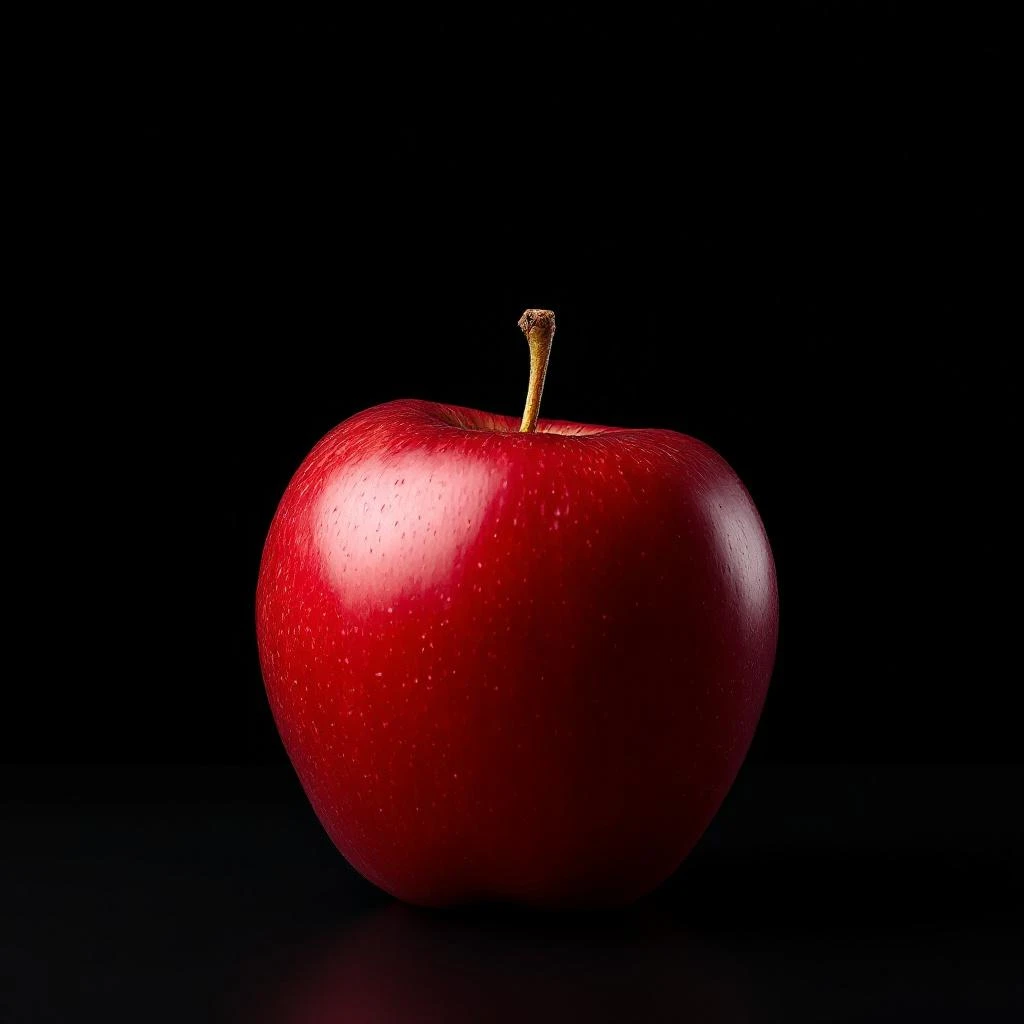
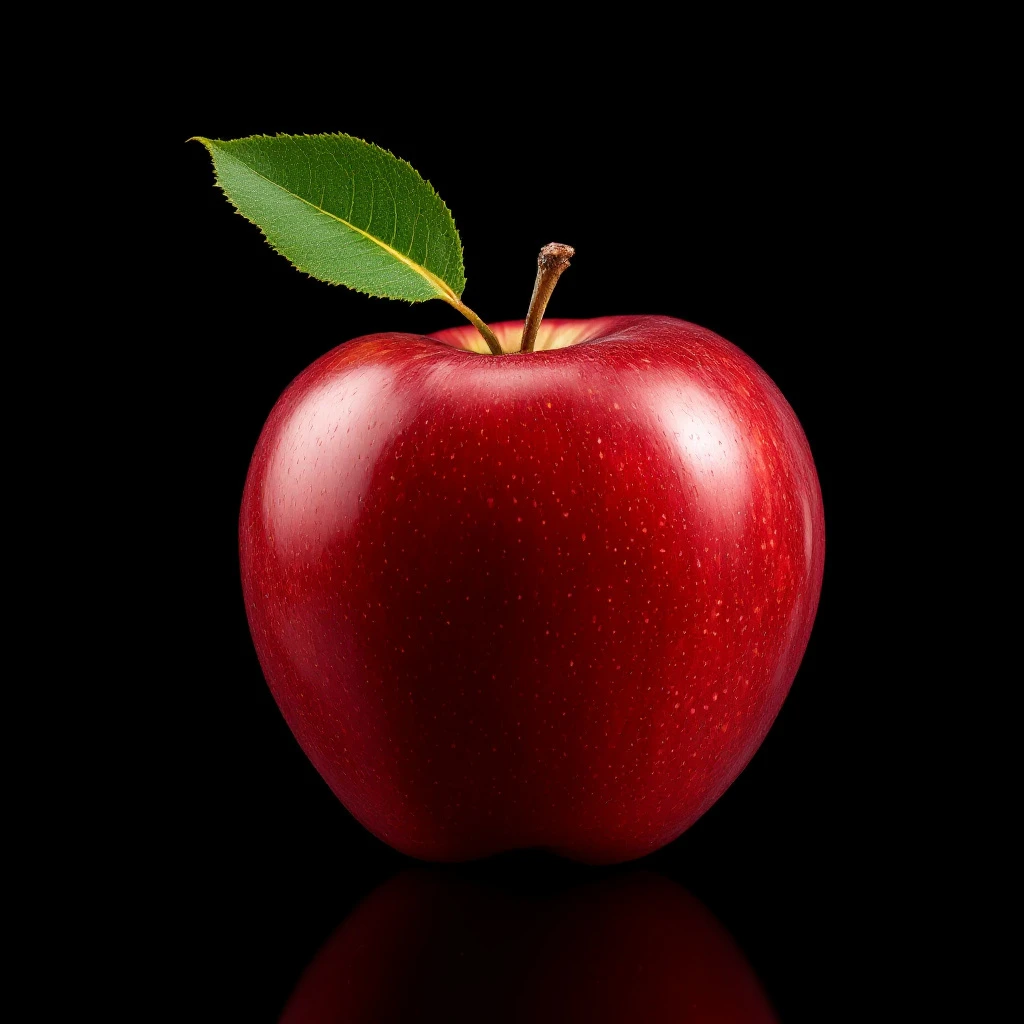
Red Windsor Apple is a natural fragrance ingredient capturing the essence of a beloved British orchard variety. Its distinctive sweet-tart profile delivers the characteristic fresh, juicy aroma that evokes crisp autumn harvests and sun-warmed fruit.
Character
How it smells
A crisp British orchard classic in every bottle.
Red Windsor was developed at the Long Ashton Research Station in Bristol, UK, specifically bred to thrive in Britain's maritime climate while delivering exceptional flavor.




Origin
United Kingdom
Red Windsor emerged from the Long Ashton Research Station near Bristol in the 1980s, developed by crossing McIntosh with a traditional English variety to create an apple suited to British growing conditions. The variety quickly gained favor among growers for its disease resistance and reliable cropping, and among consumers for its balanced sweet-tart flavor.
Perfumery's relationship with apple began much later than other fruit notes. Traditional perfumers rarely worked with apple because no true apple essential oil exists—the fruit lacks sufficient volatile oils for economical extraction.
The apple notes in early fragrances came entirely from synthetic aroma chemicals. Only with advances in CO2 extraction technology and the development of specialty natural extracts like Orpur apple oil did perfumers gain access to authentic fruit materials, transforming how apple functions in fragrance composition.
Wears it best
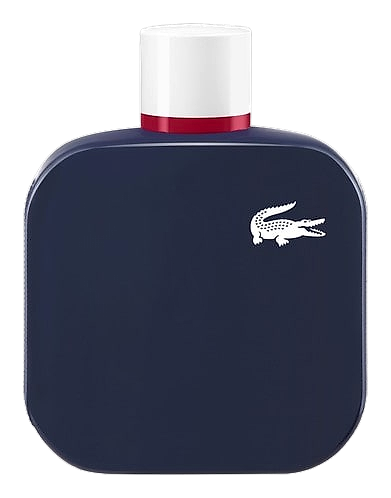
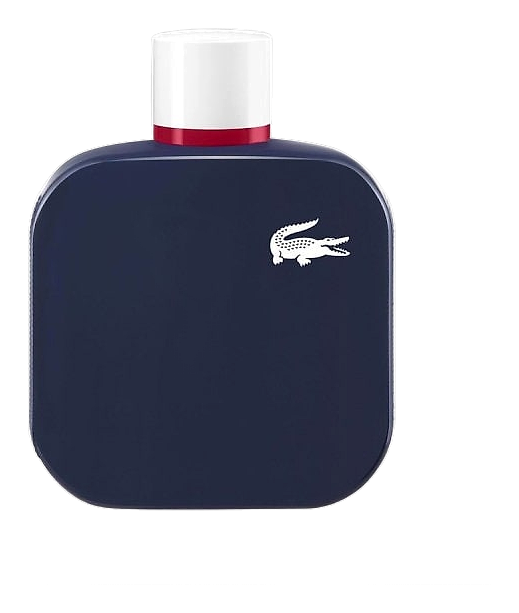
Fragrances featuring Red Windsor Apple
Brands
Brands known for Red Windsor Apple
Good to know
Questions, answered
The essentials on Red Windsor Apple in perfumery: how it smells, where it comes from, and how it behaves on skin.
What does Red Windsor Apple smell like in fragrance?
Red Windsor Apple delivers a sweet-tart, juicy fruit character with crisp green undertones. The fragrance evokes biting into a freshly picked orchard apple, combining bright fruity sweetness with a characteristic waxy, aldehydic edge.
Is Red Windsor Apple a natural or synthetic ingredient?
Both versions exist. Natural Red Windsor Apple absolute comes from CO2 extraction of the fruit. Most commercial apple fragrance, however, uses synthetic aroma chemicals that precisely replicate the apple odor profile at consistent quality and lower cost.
What type of note is apple in perfumery?
Apple typically functions as a heart note in fragrance composition. It provides a fruity, approachable character that bridges brighter top notes with deeper base notes, adding warmth and accessibility to the overall blend.
Which fragrance families commonly use Red Windsor Apple?
Apple appears across fruity, fresh, and green fragrance families. It also shows up in contemporary chypre and woody compositions where its crispness balances heavier base materials.
Does Red Windsor Apple have seasonal availability?
Natural apple extracts are most consistent in autumn when the variety is harvested. Synthetic versions maintain year-round availability and uniform quality.
How should Red Windsor Apple fragrance ingredients be stored?
Store in a cool, dark environment in airtight containers. Natural absolutes are sensitive to oxidation and heat, while synthetic materials remain stable under normal storage conditions.
What ingredients pair well with Red Windsor Apple in fragrance?
Vanilla, amber, and benzoin create warmth around apple. Green notes like galbanum or violet leaf add freshness. Woody materials such as cedar and sandalwood provide contrast, while citrus oils amplify the bright character.
How did Red Windsor become a fragrance ingredient?
Red Windsor apples gained popularity for their excellent fresh-eating qualities and disease resistance. Perfumery adopted the variety when extraction technology advanced sufficiently to capture the fruit's aromatic compounds for fragrance use.