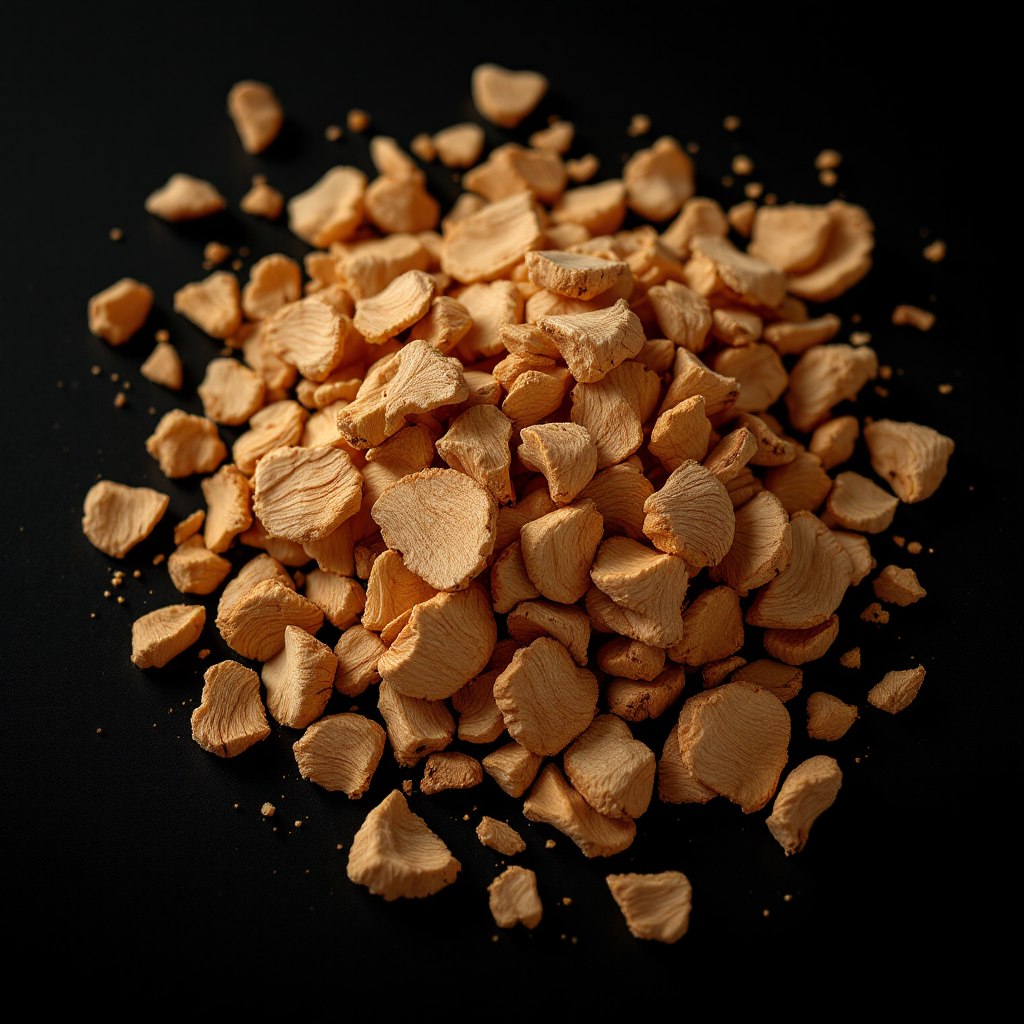
Red Pine
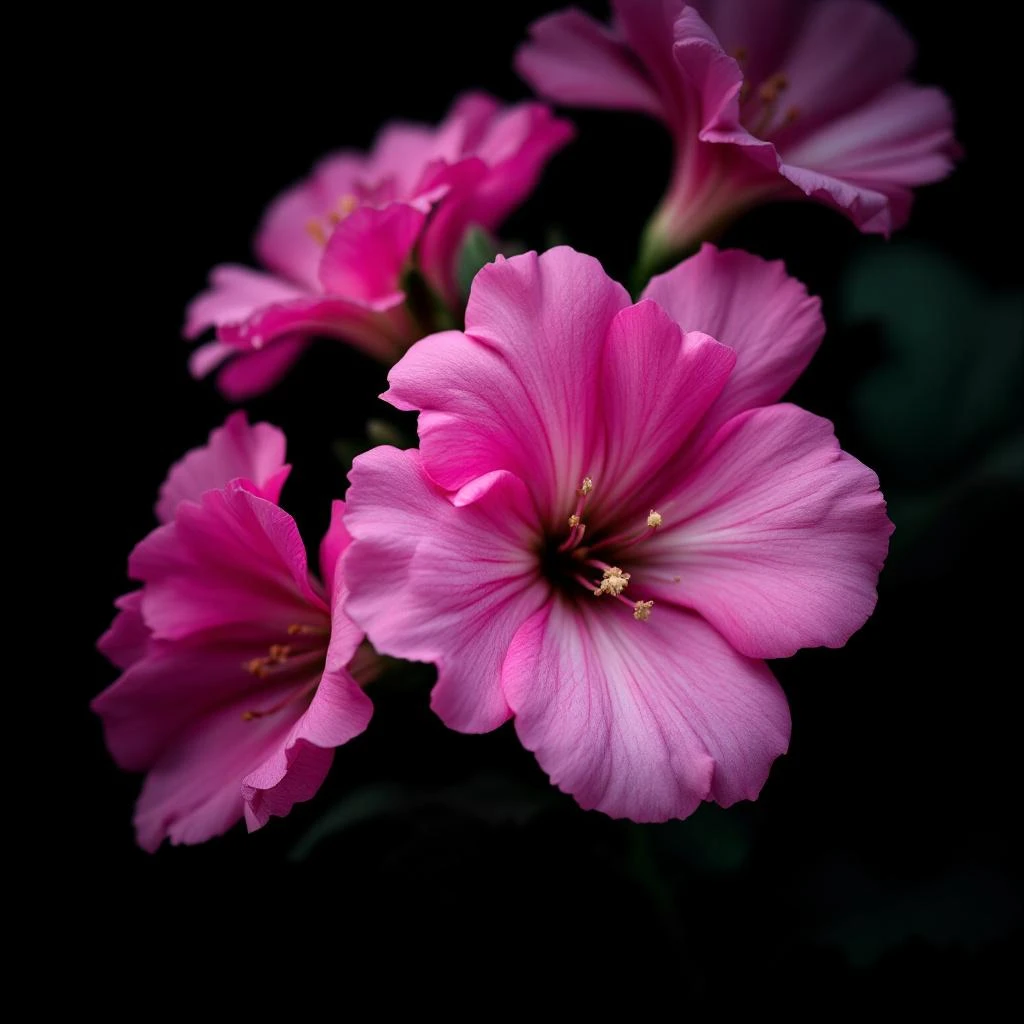
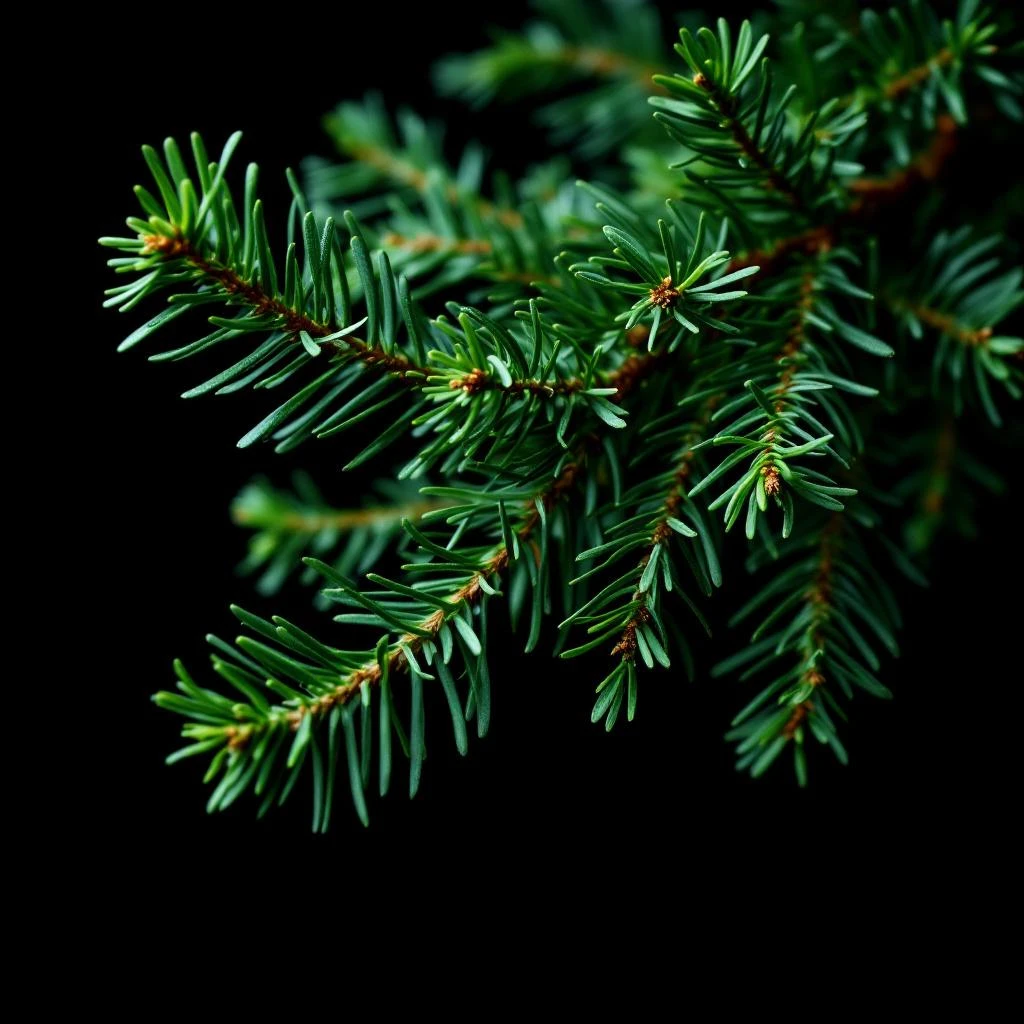
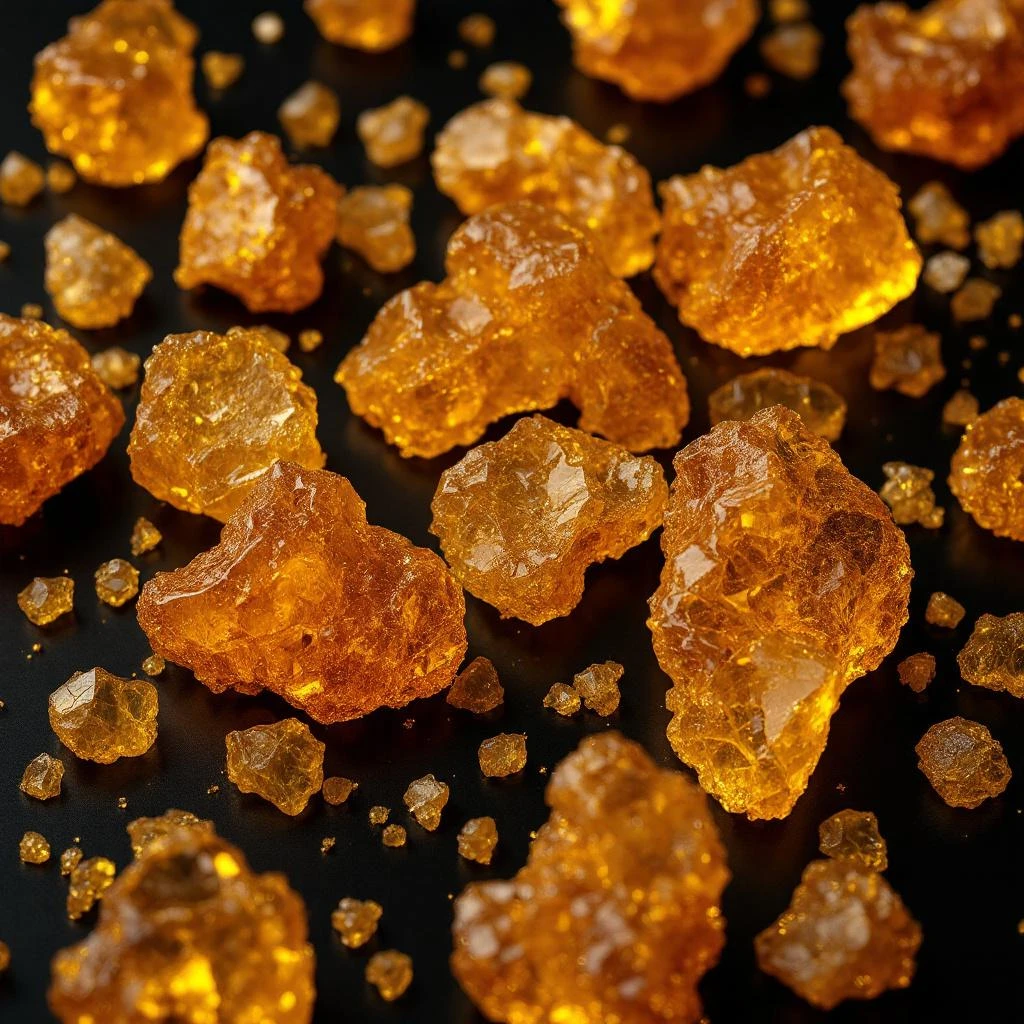
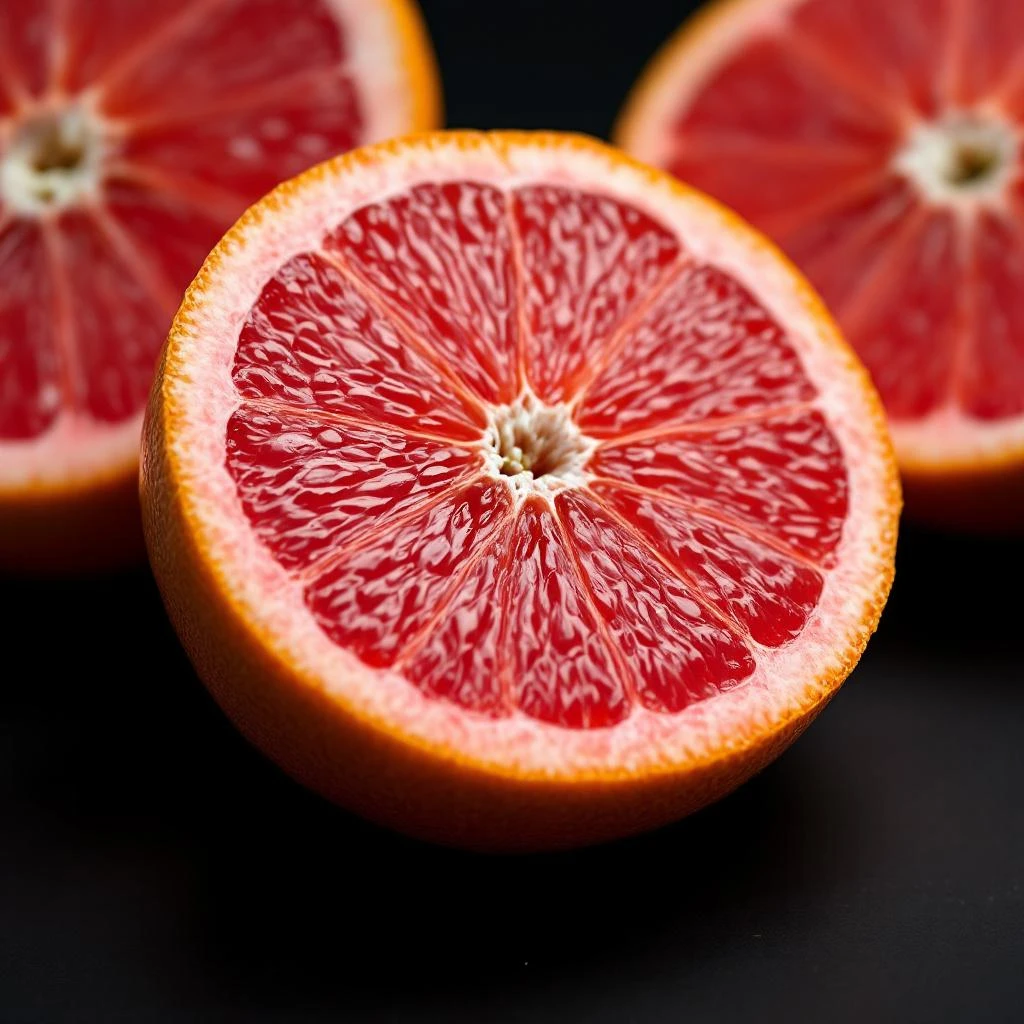
A grounding evergreen note with crisp, clean character. Red pine delivers sharp green freshness balanced by warm balsamic depth, evoking pristine northern forests at the edge of winter.
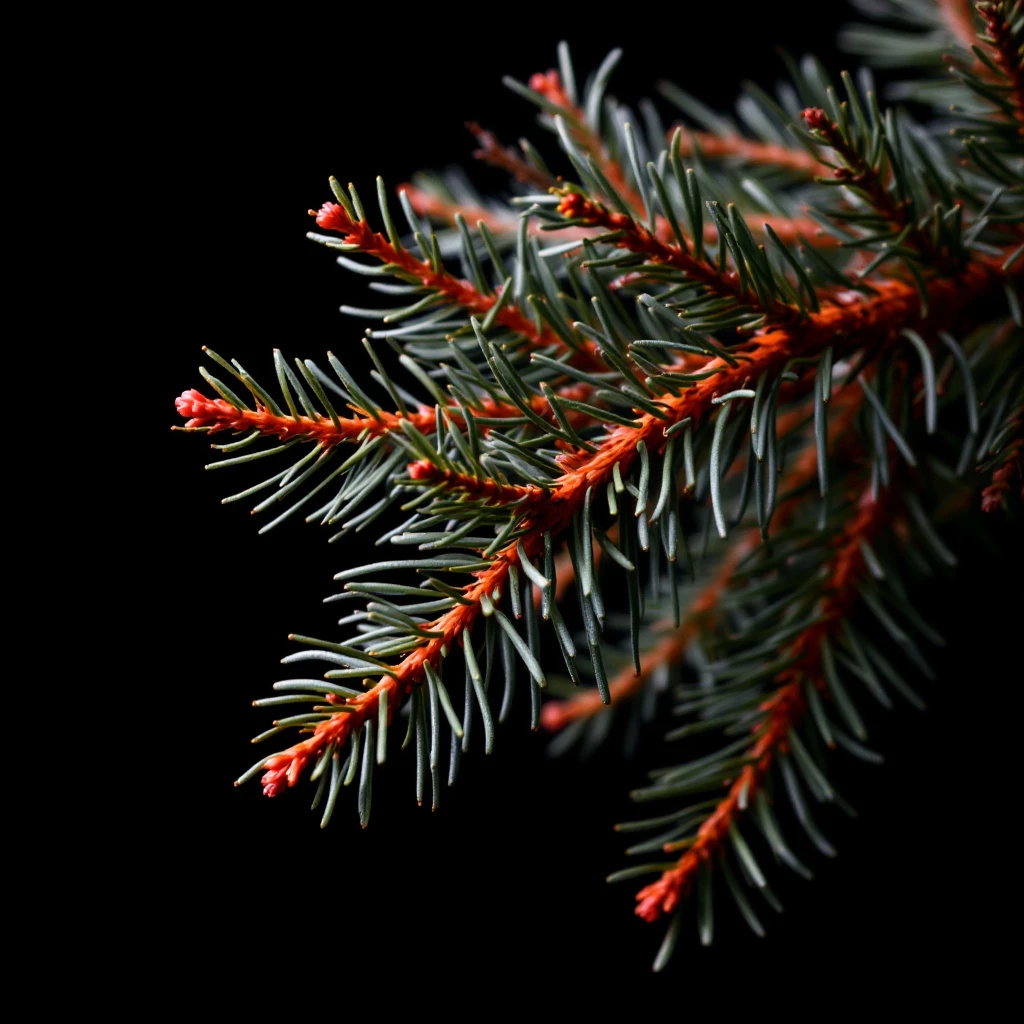
Character
How it smells
Crisp evergreen with warm resinous depth
Red pine needles contain up to 1% essential oil by weight, one of the highest concentrations among conifer species.
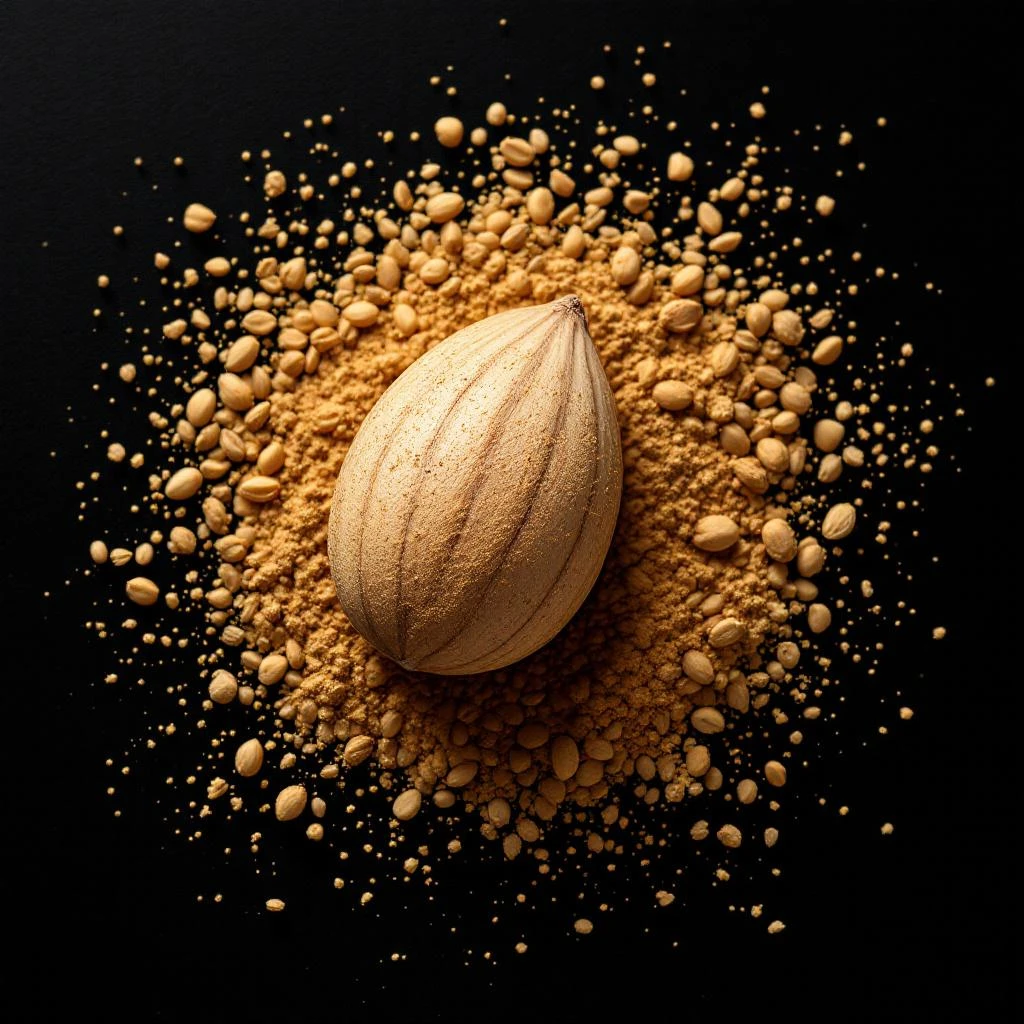
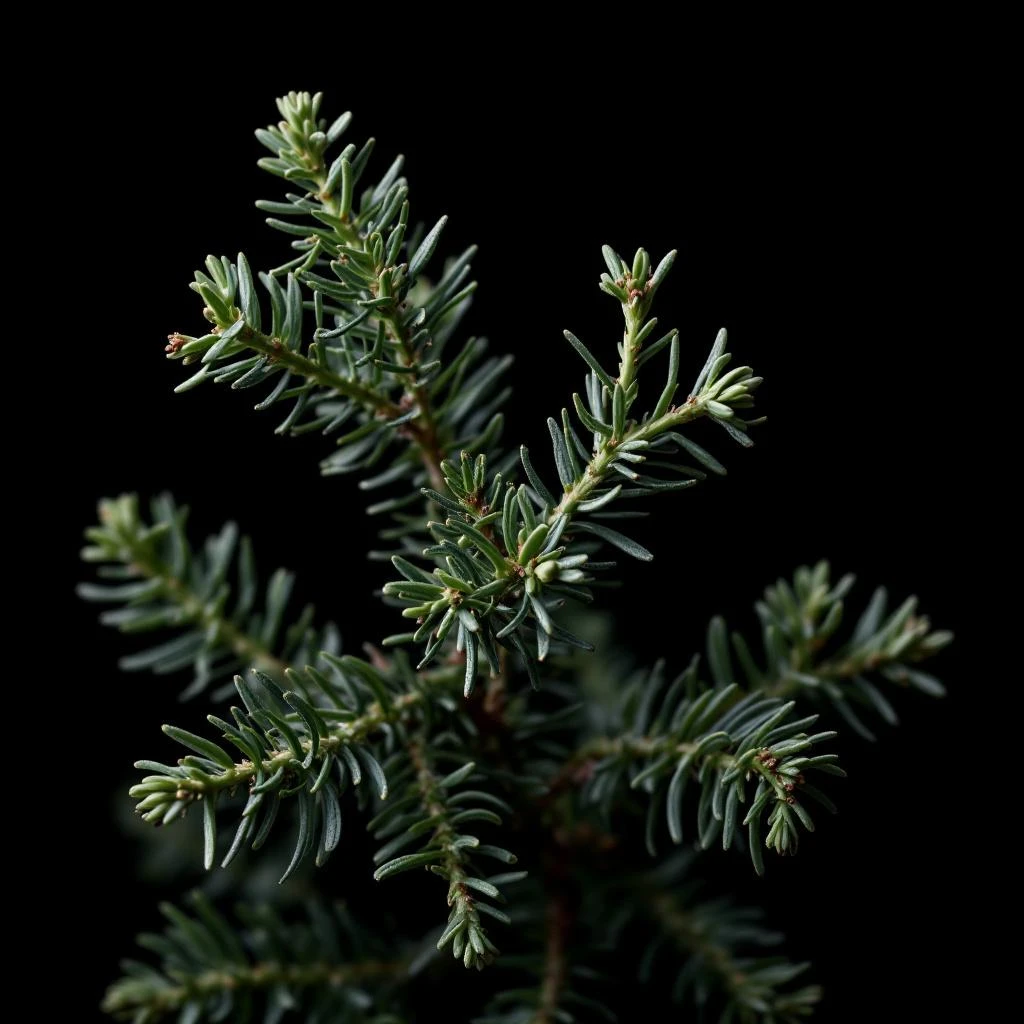


Origin
Canada
Native American peoples used red pine for ceremonial smudging and medicinal preparations for centuries before European contact. The 1874 synthesis of vanillin from pine bark compounds by German chemist Wilhelm Haarmann marked a turning point in fragrance chemistry. This breakthrough made vanilla accessible to perfumers at industrial scale, fundamentally reshaping the industry.
Red pine remained a staple in masculine fragrance compositions throughout the 20th century, valued for its crisp, forest-forward character. Today, Scandinavian perfumers particularly favor red pine, reflecting deep cultural ties to boreal forest traditions across northern Europe.
Wears it best
Fragrances featuring Red Pine

Brands
Brands known for Red Pine
Good to know
Questions, answered
The essentials on Red Pine in perfumery: how it smells, where it comes from, and how it behaves on skin.
What does red pine smell like?
Red pine presents a sharp, clean evergreen aroma with green freshness and warm balsamic undertones. The scent captures the crisp quality of northern forests, combining penetrating needle sharpness with subtle honeyed resin depth.
How is red pine essential oil extracted?
Steam distillation of fresh needles and young twigs produces red pine essential oil. Producers harvest during peak season and process within 24 hours to preserve delicate aromatic compounds.
What are the main chemical components of red pine oil?
Alpha-pinene dominates the composition, typically comprising 60-80% of the oil. Additional constituents include beta-pinene, limonene, and bornyl acetate, each contributing to the characteristic fresh-woody profile.
What fragrance families commonly feature red pine?
Woody, aromatic, and fougere classifications regularly incorporate red pine. Chypre and masculine fragrance categories particularly favor this ingredient for its crisp, forest-forward character.
Does red pine blend well with other ingredients?
Red pine combines effectively with conifer counterparts like cedar and fir, complements citrus top notes, and pairs nicely with warm elements such as vanilla and benzoin.
What is the shelf life of red pine essential oil?
Properly stored red pine oil remains viable for 2-3 years. Dark glass containers and cool temperatures help maintain quality and prevent oxidation of sensitive compounds.
Where does commercial red pine oil primarily originate?
Major production centers include Canada, the northern United States, and Scandinavia. Climate conditions in these regions produce optimal oil composition with higher pinene content.
Can red pine trigger allergic reactions?
Red pine oil contains allergens including limonene and pinene that require declaration under IFRA standards. Sensitization rates remain low, but patch testing is recommended for sensitive individuals.