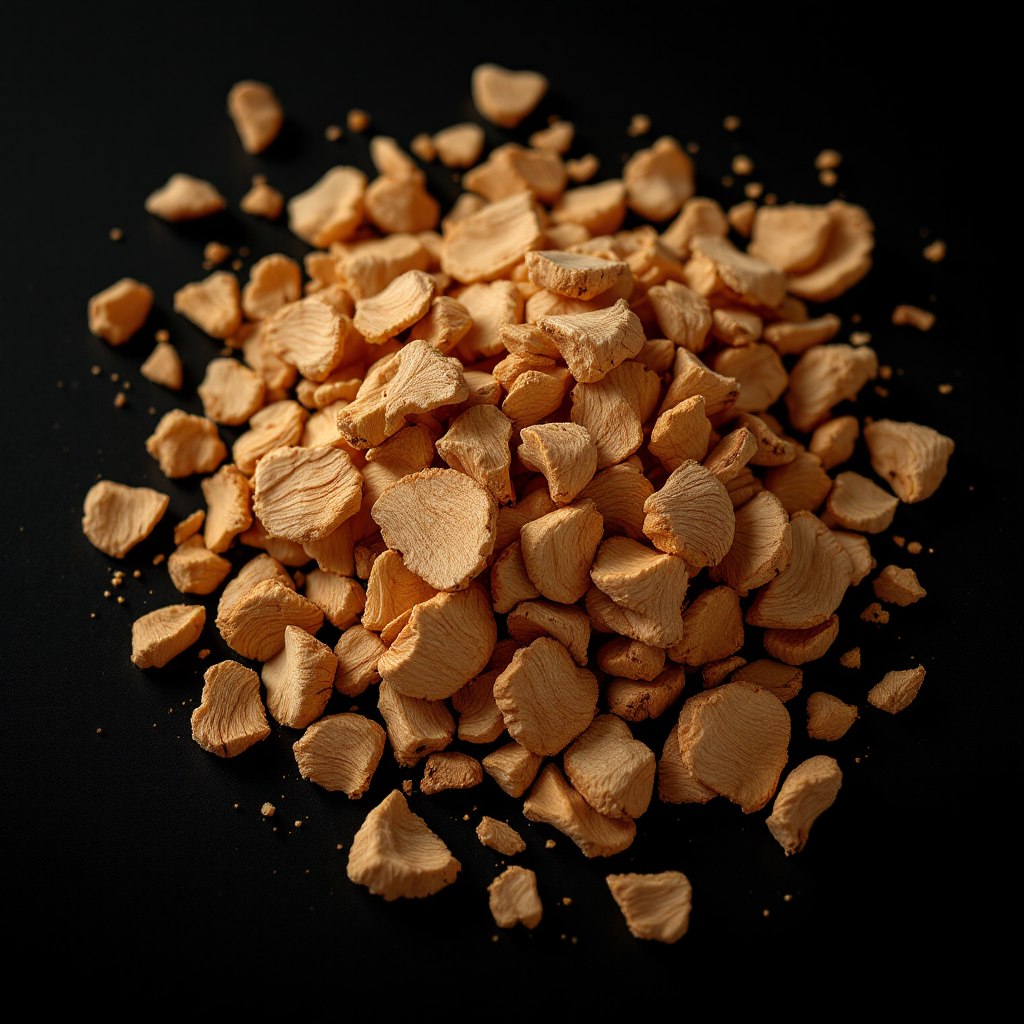
Red Elm
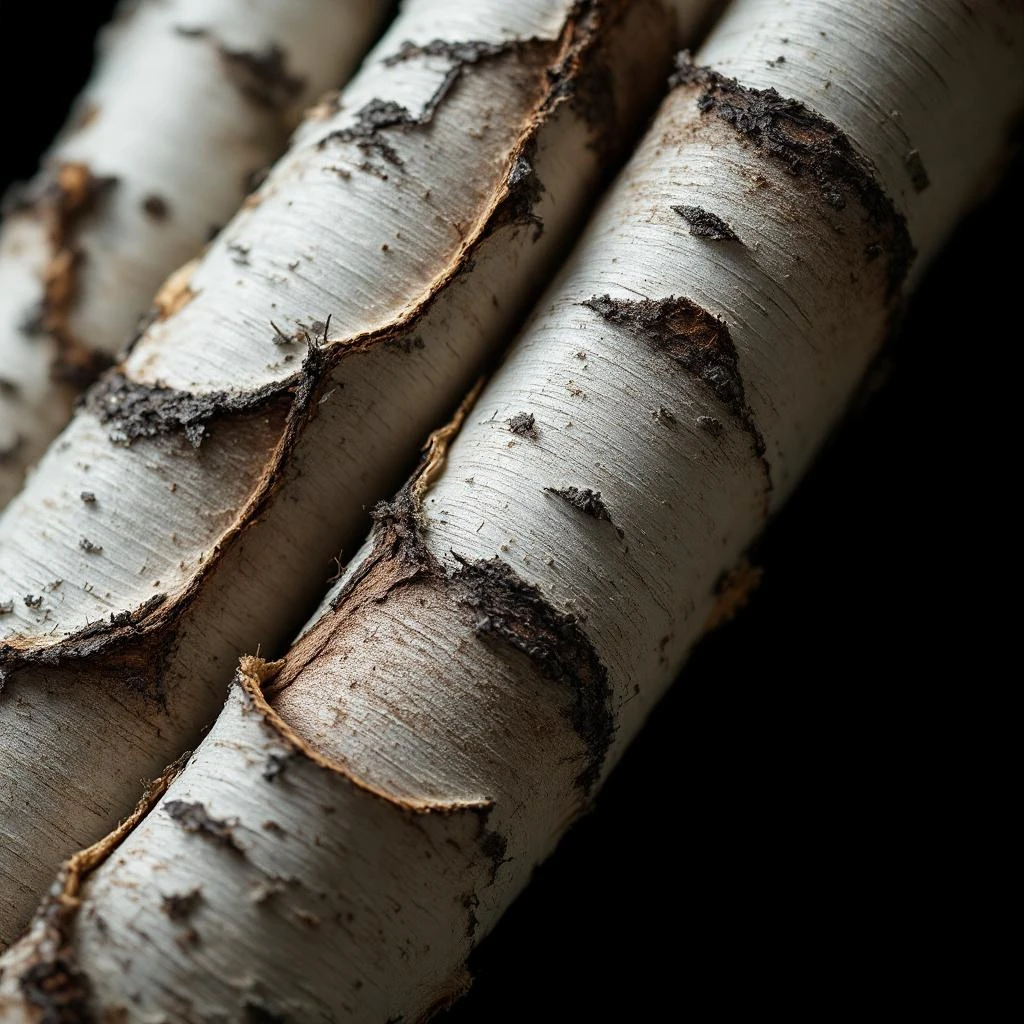
Red Elm brings a warm, woody depth to fragrance compositions, offering a subtle sweet-resinous character that anchors heart and base accords with quiet sophistication.
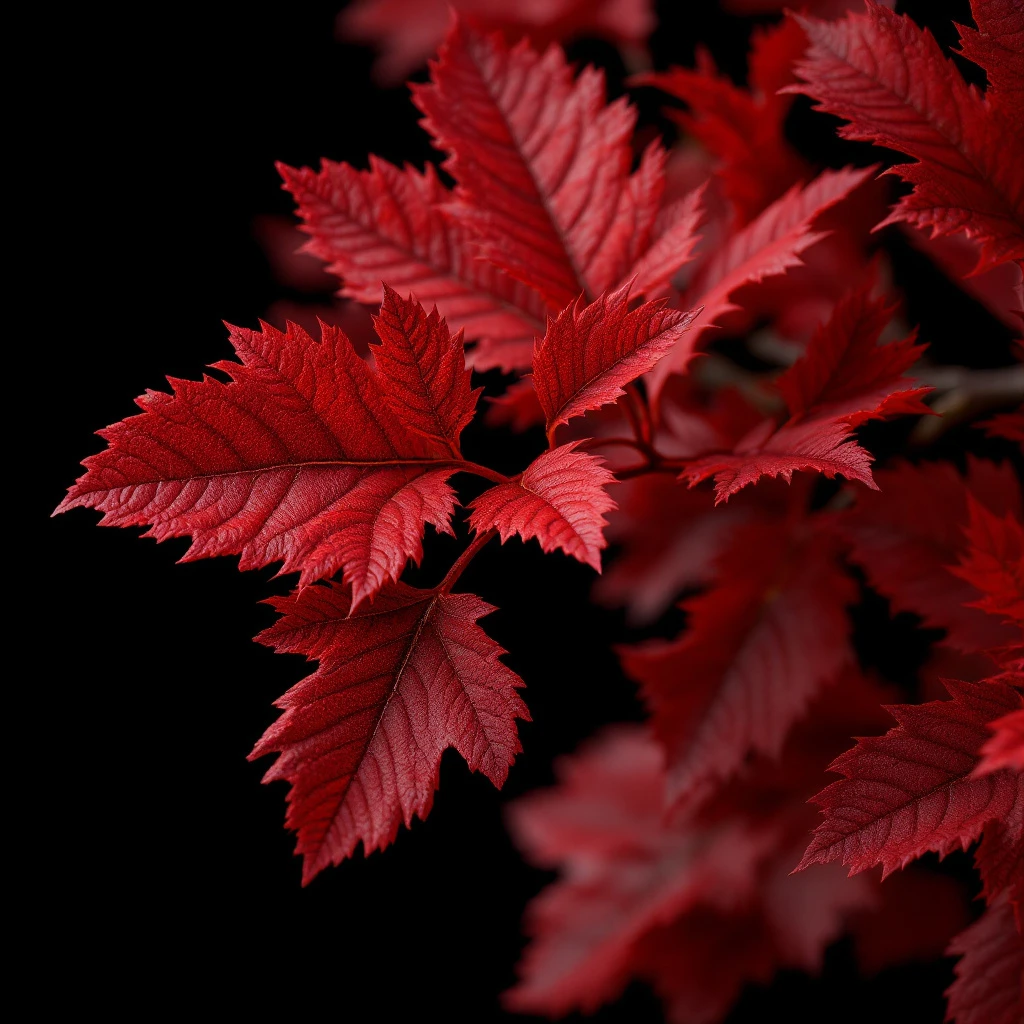
Character
How it smells
A warm North American wood with subtle sweetness
Red Elm bark was so prized by Native American tribes that they used it in ceremonial tobacco blends long before modern perfumery existed.



Origin
United States
Red Elm holds deep roots in North American botanical history. Indigenous peoples of the Appalachian region used the inner bark extensively in traditional medicine and ceremonial practices, valueing its soothing properties. Early European settlers adopted these applications, incorporating Red Elm bark into syrups and poultices.
The material found its way into perfumery during the early 20th century as fragrance creators sought regional alternatives to imported Oriental base notes. By mid-century, Red Elm had established a modest but steady presence in American fragrance formulations, prized for its accessible warmth and blending versatility.
Wears it best
Fragrances featuring Red Elm
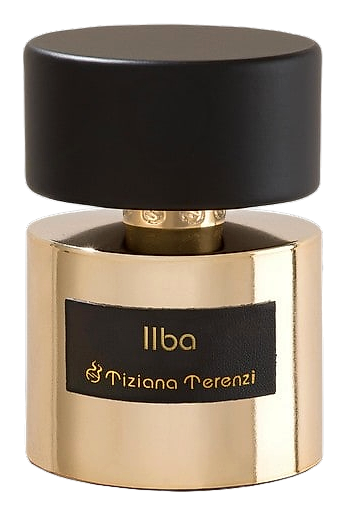
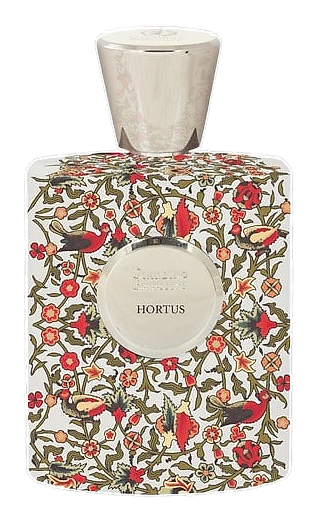
Brands
Brands known for Red Elm
Good to know
Questions, answered
The essentials on Red Elm in perfumery: how it smells, where it comes from, and how it behaves on skin.
What does Red Elm smell like?
Red Elm delivers a warm, woody aroma with subtle sweet and resinous undertones. It blends well with spices and other wood notes, adding quiet depth to fragrance bases.
Is Red Elm a natural or synthetic ingredient?
Red Elm is a natural ingredient sourced from the inner bark of the Ulmus rubra tree. Extraction typically uses cold maceration or CO2 processes.
What type of fragrance accord uses Red Elm?
Red Elm functions primarily as a base note. Its warm woody character pairs naturally with spices, resins, and other wood materials in oriental and woody fragrance families.
Where does Red Elm grow?
Red Elm (Ulmus rubra) grows natively across eastern North America, from Maine to Florida and west to Texas. The species prefers moist, fertile bottomlands.
Does Red Elm have other common names?
Red Elm is also known as Slippery Elm, reflecting the mucilaginous quality of its inner bark. The tree belongs to the Ulmaceae family.
How is Red Elm bark harvested sustainably?
Sustainable harvest involves taking only partial bark strips from mature trees, leaving enough bark for the tree to continue growing. This selective method protects both tree health and ecosystem stability.
Can Red Elm trigger allergies?
As with many natural bark materials, Red Elm may cause sensitivity in some individuals. Fragrance formulations using Red Elm should follow IFRA guidelines for responsible usage.
How does Red Elm compare to other wood notes?
Red Elm sits between the warmth of sandalwood and the dryness of cedar. Its character is softer and less assertive than oud or vetiver, making it a subtle supporting base note.