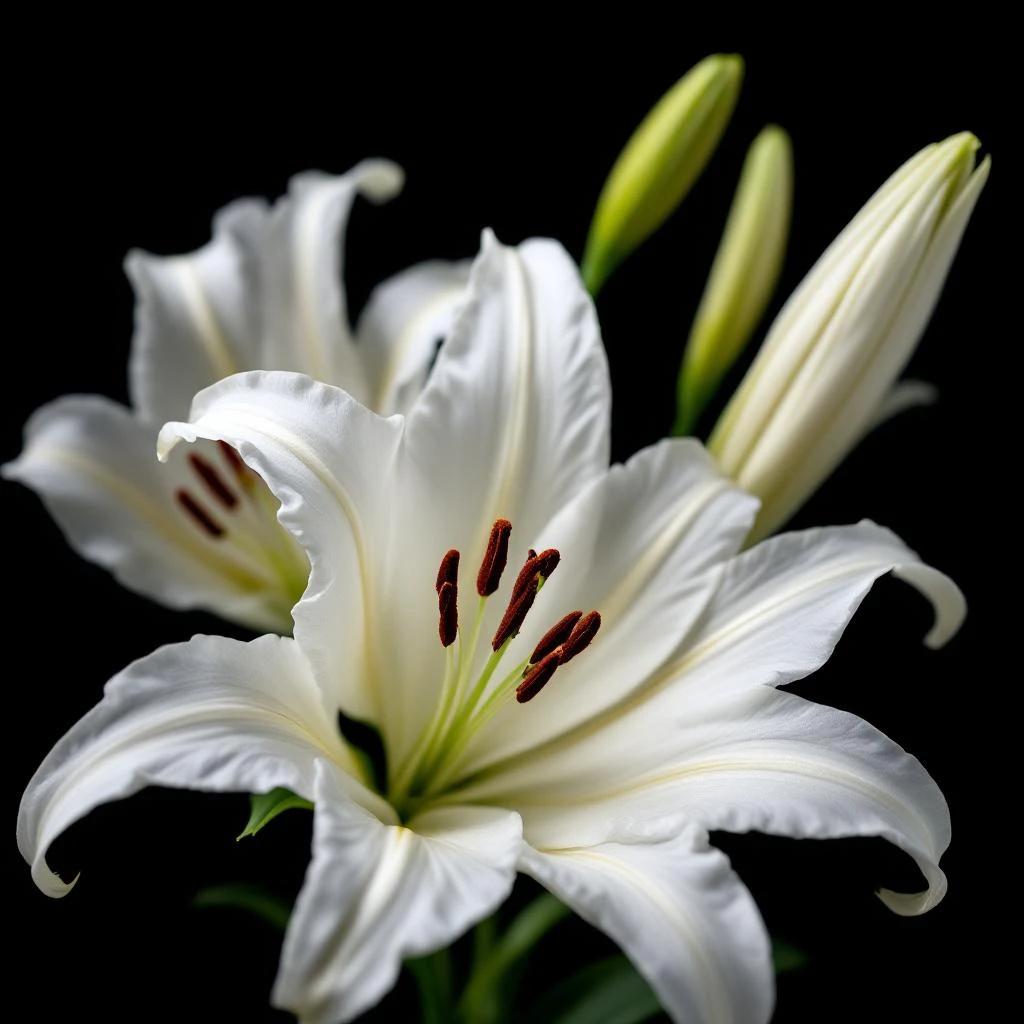
Red Dahlia
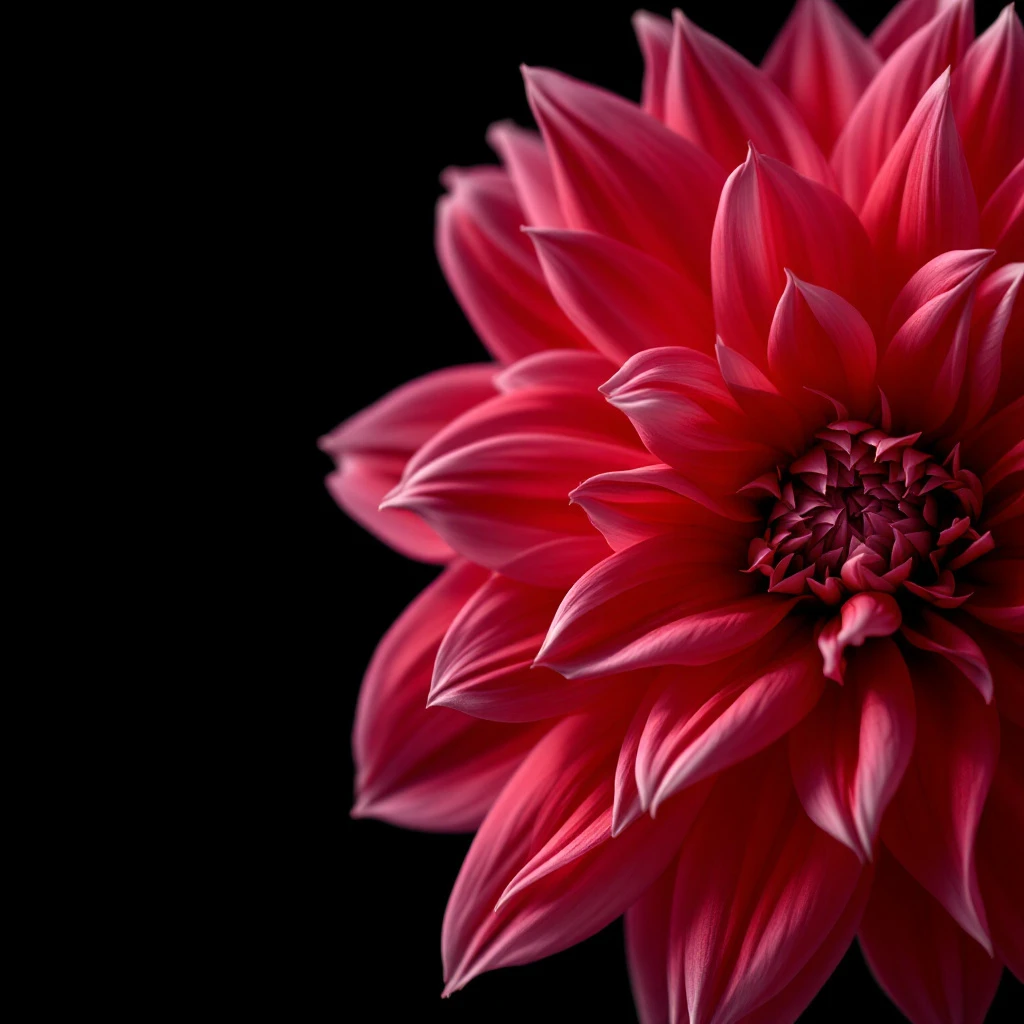
Red Dahlia brings an unexpected edge to florals: deep, velvety petals with green, almost leafy undertones and a quiet bitterness that grounds brighter notes. A rare treasure in perfumery, it lends compositions a wild, garden-fresh character rarely found in cultivated florals.
Character
How it smells
The wild edge of the floral garden.
Aztec cultivators grew dahlias not for beauty but for edible tubers, centuries before the flower caught the attention of European botanists.



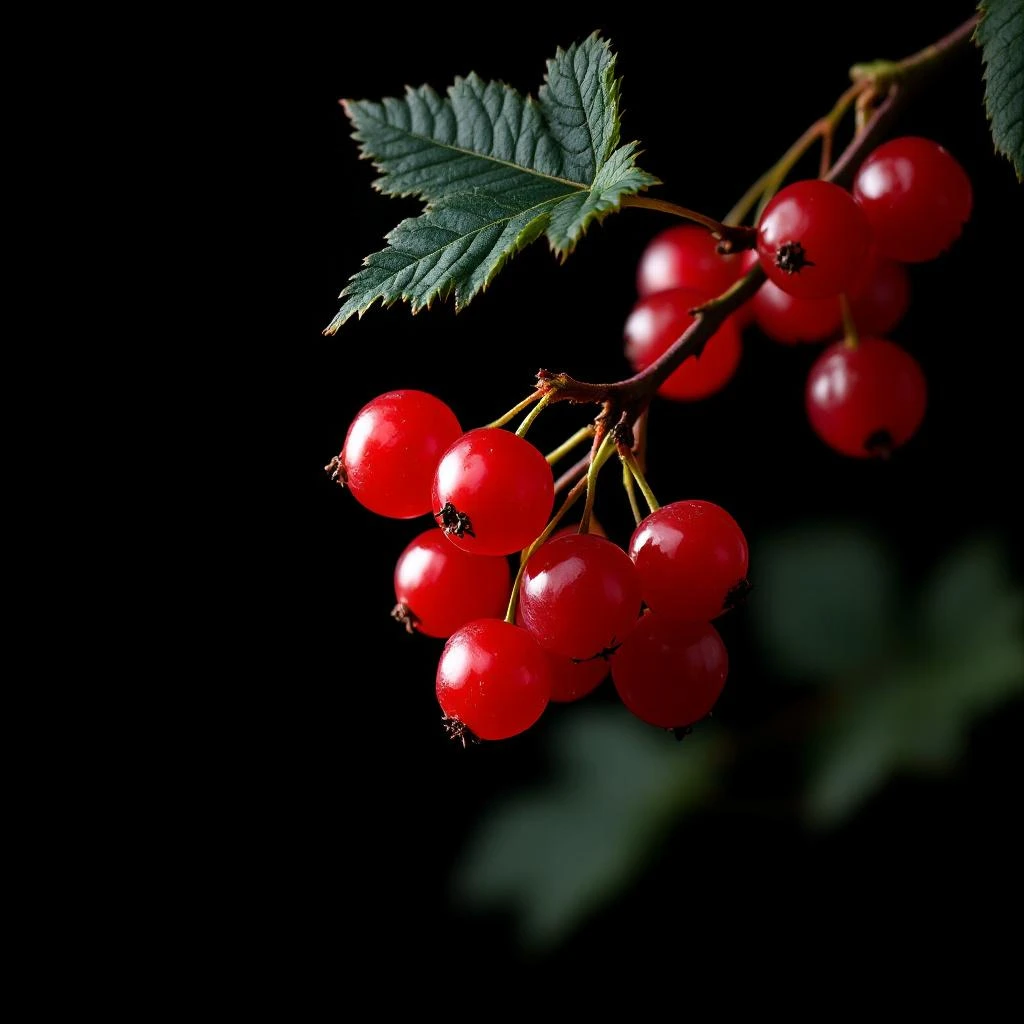
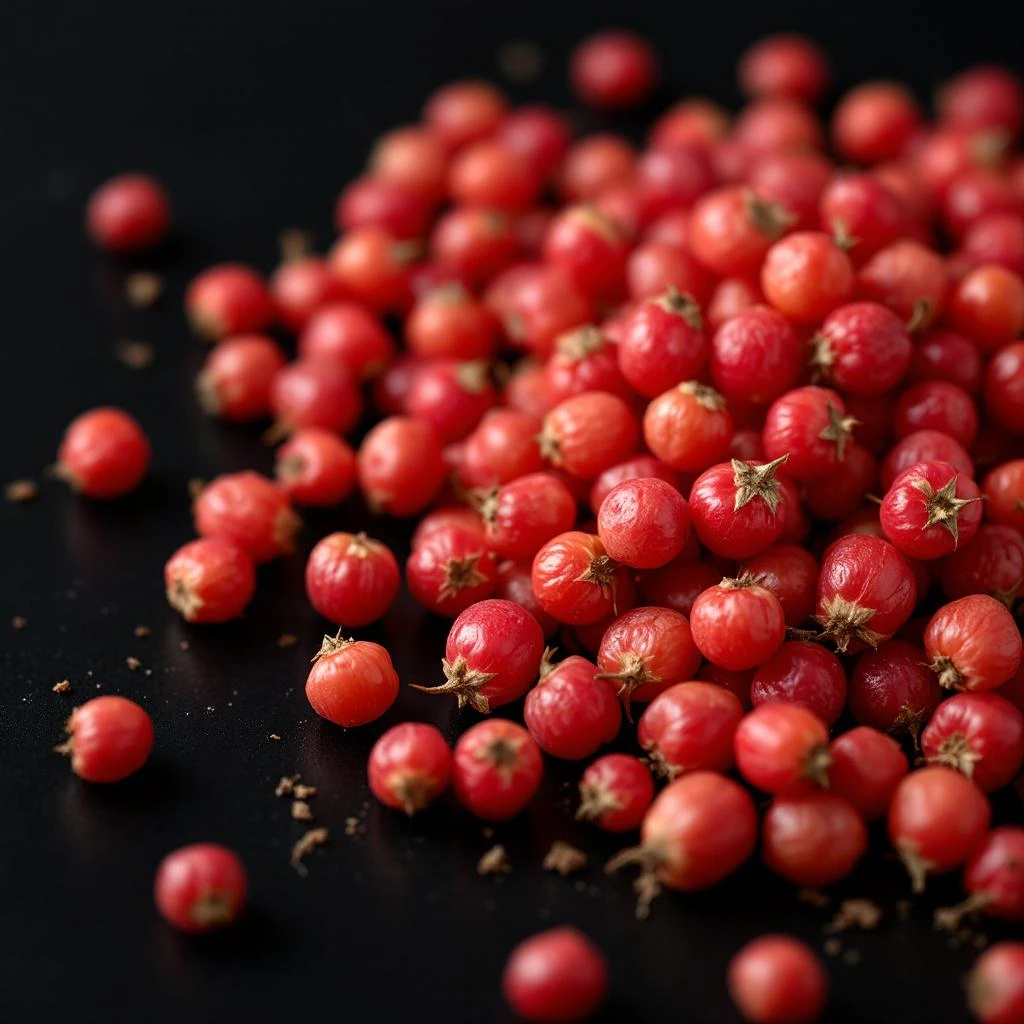


Origin
Mexico
Dahlias originated in the highland regions of Mexico and Central America, where pre-Columbian civilizations cultivated them as a food source. TheAztecs prized the tubers much like potatoes. European botanists encountered dahlias in the late 18th century, bringing specimens back to Spain where they became ornamental sensations.
The flower's transition into perfumery came much later, emerging in niche compositions from Mexican and Latin American perfumers who sought to honor local botanical heritage. Today, dahlia occupies a quiet but devoted following among perfumers exploring unconventional florals beyond the established rose-jasmine canon.
Wears it best
Fragrances featuring Red Dahlia
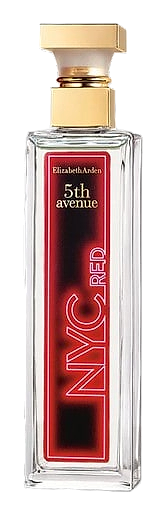

Brands
Brands known for Red Dahlia
Good to know
Questions, answered
The essentials on Red Dahlia in perfumery: how it smells, where it comes from, and how it behaves on skin.
What does Red Dahlia smell like?
Red Dahlia delivers a green-floral scent with subtle bitter undertones from the stems and leaves. It is less sweet than rose or peony, offering something wilder and more grounded.
Is Red Dahlia used often in perfumery?
No. Dahlia ranks among the less common floral materials in mainstream perfumery. Most usage occurs in niche or artisanal fragrances exploring unconventional botanical ingredients.
Can dahlia be extracted for natural perfume?
Yes, but it is technically challenging. Dahlia fragrance deteriorates quickly after harvest, so processors must extract immediately. The yield is small, making natural dahlia absolute quite rare.
What parts of the dahlia plant are used in fragrance?
Fragrance extractors typically use petals, stems, and leaves. Research indicates stems and leaves contribute the distinctive bitter-green notes that define dahlia's olfactory signature.
Where does dahlia originate from?
Dahlia is native to Mexico, Guatemala, and Colombia. The flower's wild ancestors grew in highland regions before Aztec cultivators domesticated varieties for their edible tubers.
Are most dahlia notes in perfume synthetic?
Likely. Given the scarcity and extraction difficulty of natural dahlia, most fragrance brands recreate the note through aromatic compounds that approximate its green-floral-bitter profile.
What fragrance families pair well with Red Dahlia?
Dahlia complements chypre bases, woody accords, and green notes. It adds complexity to rose and tuberose compositions while introducing an unexpected bitter edge.
Does Red Dahlia have cultural significance beyond perfumery?
Absolutely. Aztecs cultivated dahlias as a staple crop, consuming the tubers. The flower held ceremonial importance before becoming a European horticultural obsession in the 19th century.