Raspberry Puree
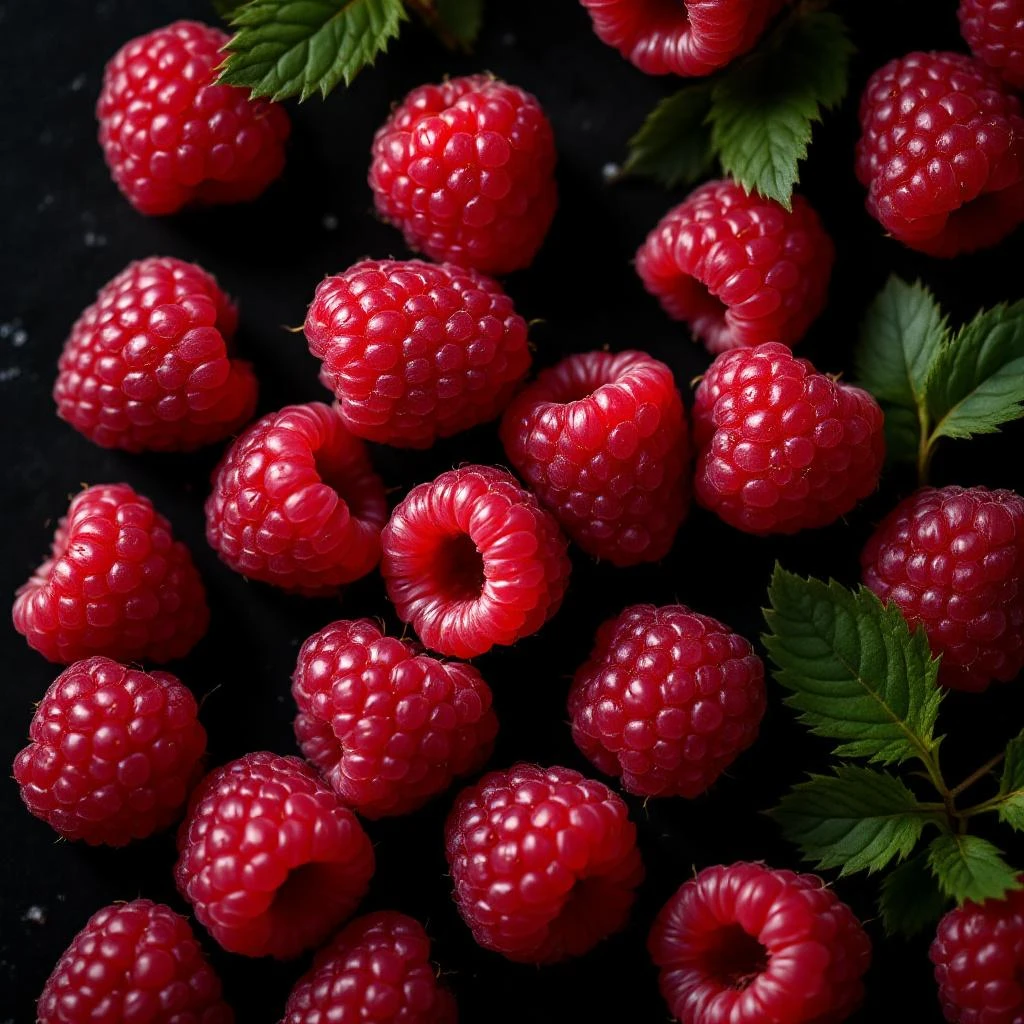
Raspberry puree brings a vibrant, sun-ripened sweetness to fragrance, capturing the berry at its most indulgent: jammy, subtly tart, and unmistakably alive. This note transforms compositions with a burst of freshness that feels both luxurious and approachable.
Character
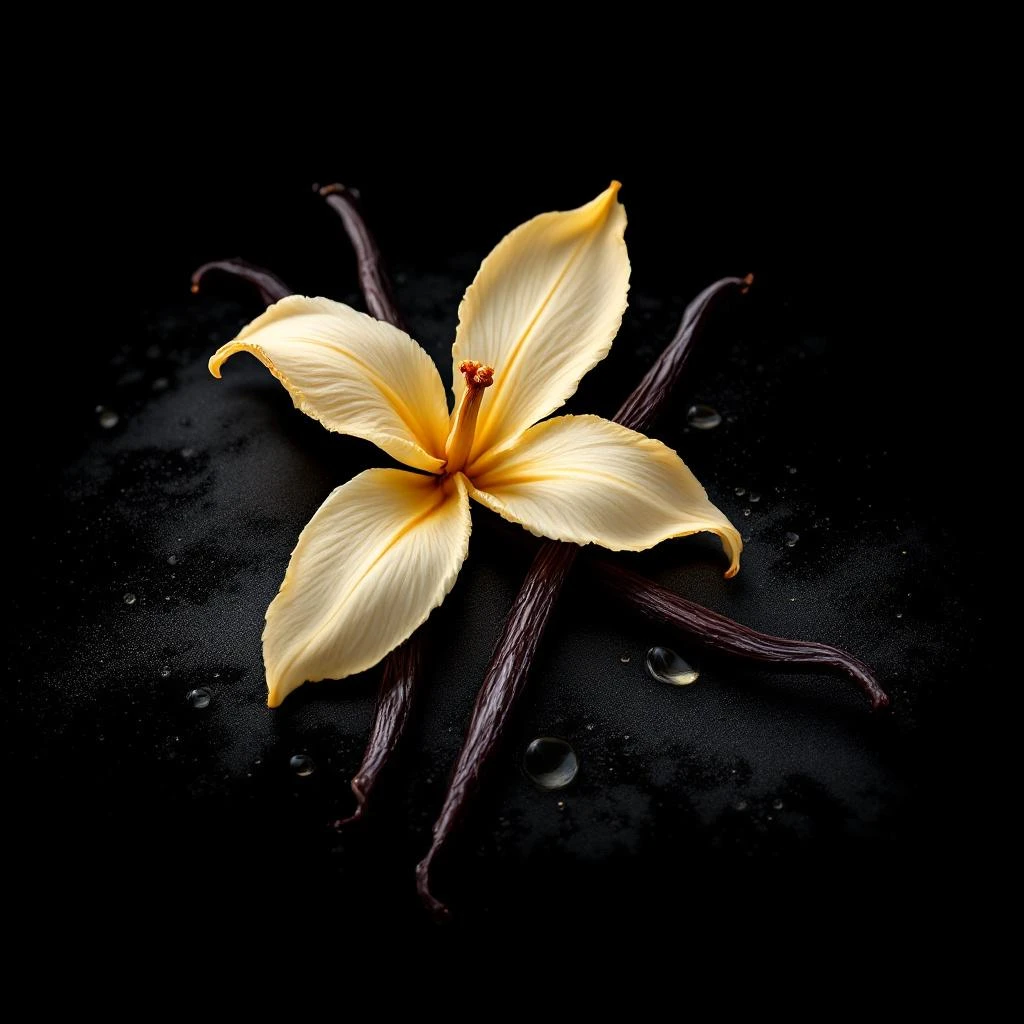
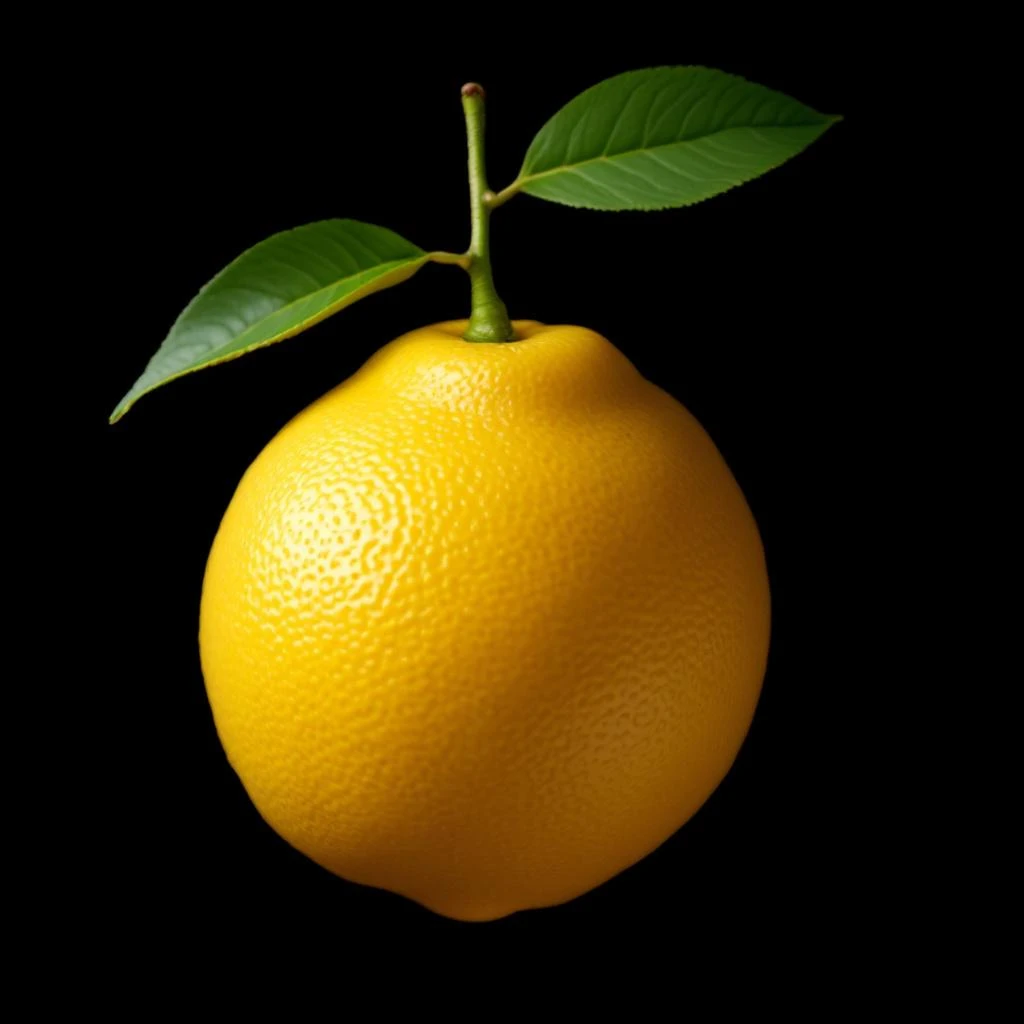
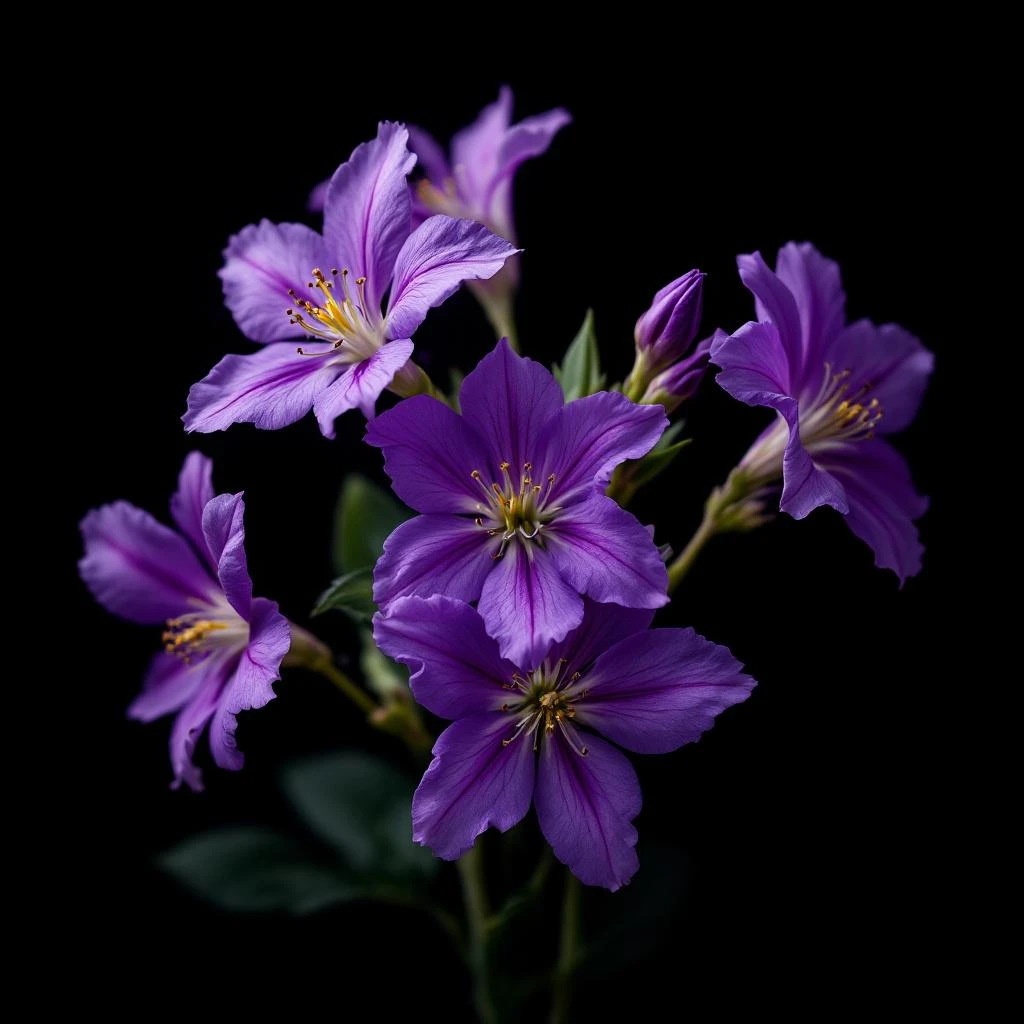
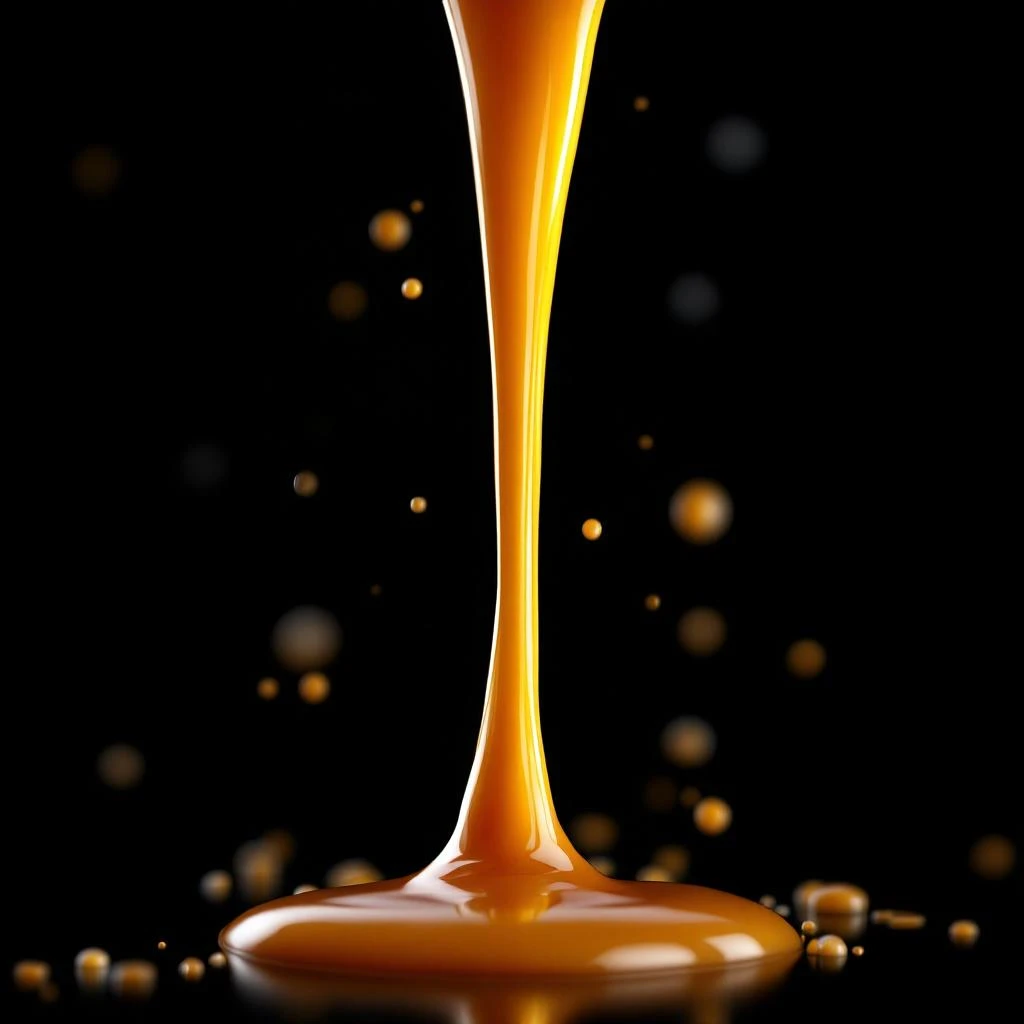
How it smells
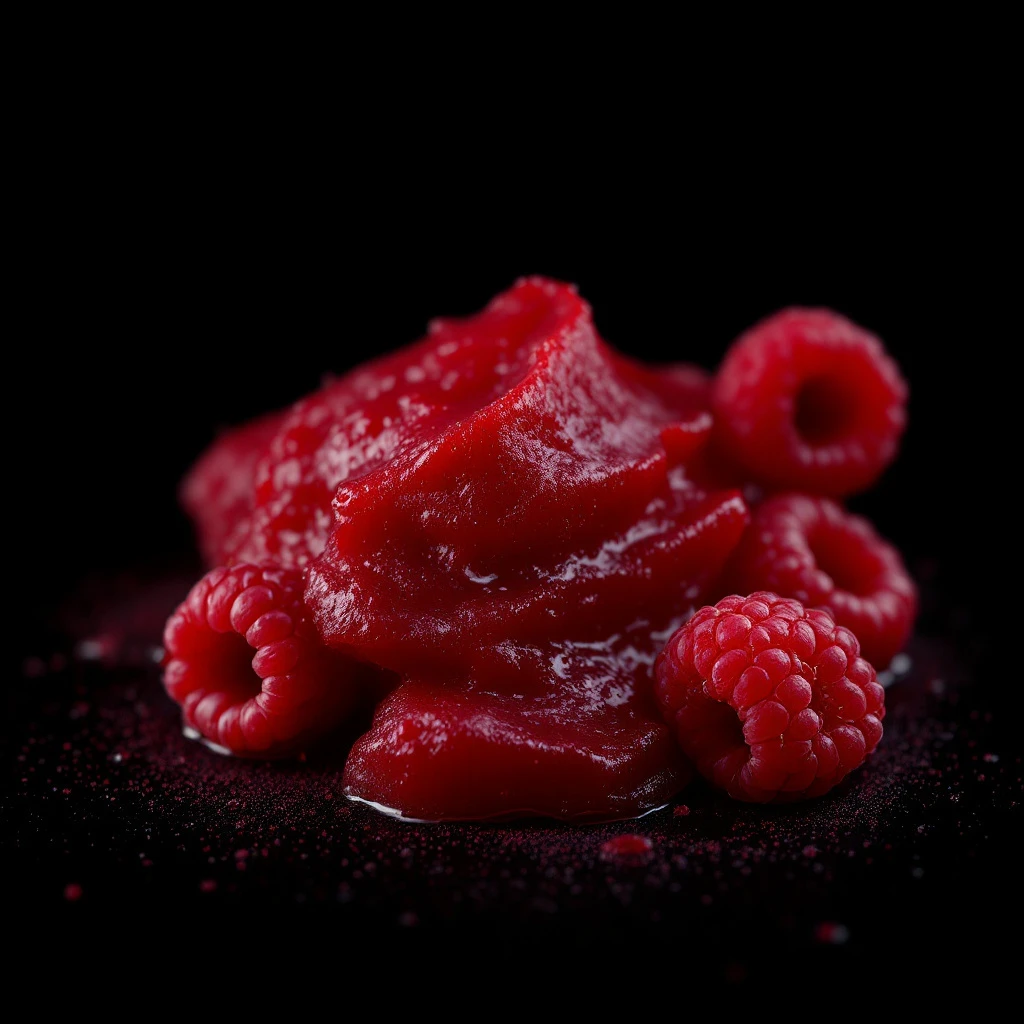
The berry, captured at peak ripeness.
Over 200 volatile compounds contribute to raspberry's aroma, making it one of the most chemically complex fruits in perfumery.


Origin
France
Raspberries have been gathered from the wild since ancient times, with evidence of consumption dating back to prehistoric settlements across Europe and Asia. The Romans cultivated Rubus idaeus in gardens by the 4th century, though the berry remained primarily a foraged luxury rather than a cultivated crop until the Renaissance. By the 16th century, European horticulturists began systematic cultivation, and raspberry cultivation spread rapidly across monasteries and manor gardens.
The berry entered perfumery relatively recently compared to florals like rose or jasmine, gaining prominence in the 20th century as fruity fragrance families evolved. Natural raspberry absolute from the leaves was first commercially produced in France during the mid-20th century, particularly in the Loire Valley and Rhône-Alpes regions, establishing a tradition of French raspberry extraction that continues today.
Wears it best
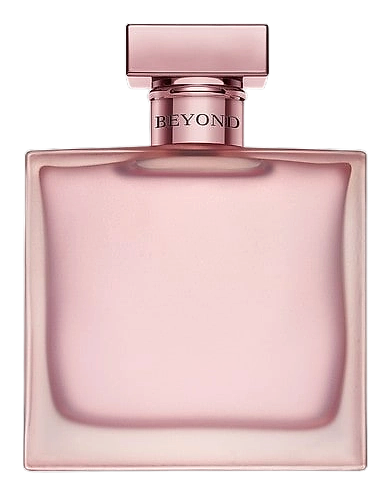
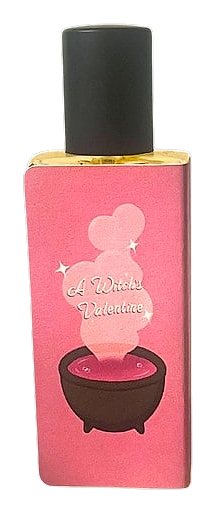
Fragrances featuring Raspberry Puree

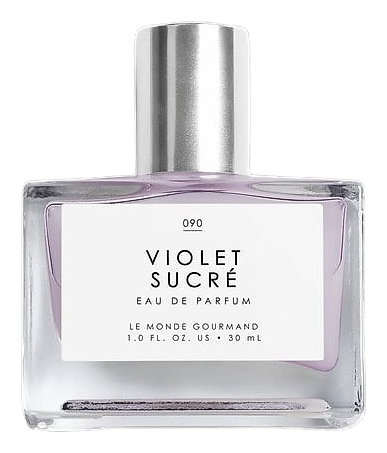
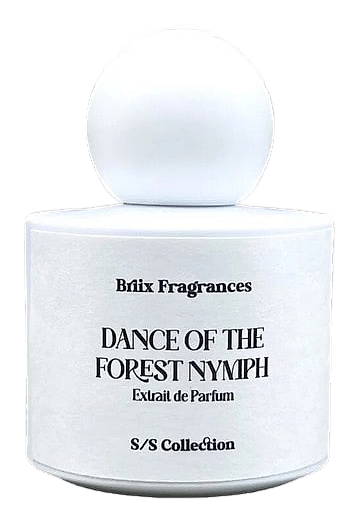
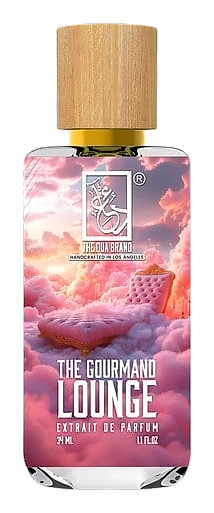
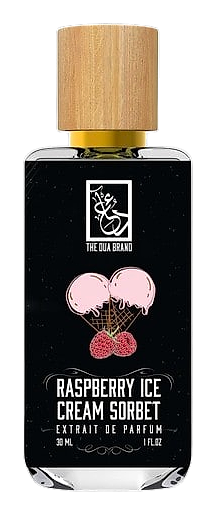
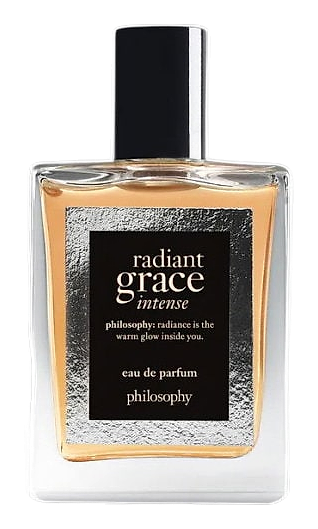
Brands
Brands known for Raspberry Puree
Good to know
Questions, answered
The essentials on Raspberry Puree in perfumery: how it smells, where it comes from, and how it behaves on skin.
What does raspberry smell like in perfume?
Raspberry delivers a jammy, sun-ripened sweetness with bright fruit character. It carries subtle tartness and green, leafy undertones that prevent it from feeling overly sugary. The note reads as fresh yet indulgent, often appearing in the heart of fruity and floral compositions.
Is raspberry puree a natural or synthetic ingredient?
It can be either. Natural raspberry absolute exists but remains rare due to cost and production challenges. Most commercial fragrances use synthetically recreated raspberry notes derived from aroma chemicals like raspberry ketone and gamma-decalactone, which approximate the natural fruit profile with greater consistency.
What fragrance families feature raspberry puree most prominently?
Fruity florals and chypre compositions most commonly feature raspberry. The note pairs naturally with rose, peony, and other berries like blackberry and strawberry. It also appears in gourmand fragrances paired with vanilla, chocolate, or caramel.
What role does raspberry play in a fragrance composition?
Raspberry typically functions as a heart or top note in perfumery. It adds immediate brightness and fruitiness that draws attention, while its sweet-tart character provides contrast against heavier base materials like musks, woods, or vanillas.
How long has raspberry been used in perfumery?
Raspberry emerged as a perfumery ingredient in the 20th century as fruity fragrance styles developed. Natural raspberry leaf absolute from France became commercially available by the mid-1900s, though synthetic recreations now dominate the market.
Which countries produce raspberry for fragrance use?
Major production regions include France (Loire Valley, Rhône-Alpes), Poland, the United States, and Mexico. French raspberry leaf absolute remains the benchmark for natural raspberry extracts, while North American and Eastern European production focuses on fruit-derived materials.
How does raspberry differ from other berry notes in perfume?
Raspberry stands apart with its distinctive tartness and green, almost floral edge. Strawberry reads sweeter and more confectionery. Blackberry carries deeper, earthier tones. Raspberry occupies a unique middle ground: bright, juicy, and refreshingly acidic.
Does raspberry note work year-round in fragrance?
Raspberry suits warmer seasons most naturally, particularly spring and summer, where its bright, fresh character enhances light compositions. In autumn and winter, it can provide a surprising counterpoint to warmer ingredients, adding unexpected freshness to richer fragrance constructions.