Raspberry Cream
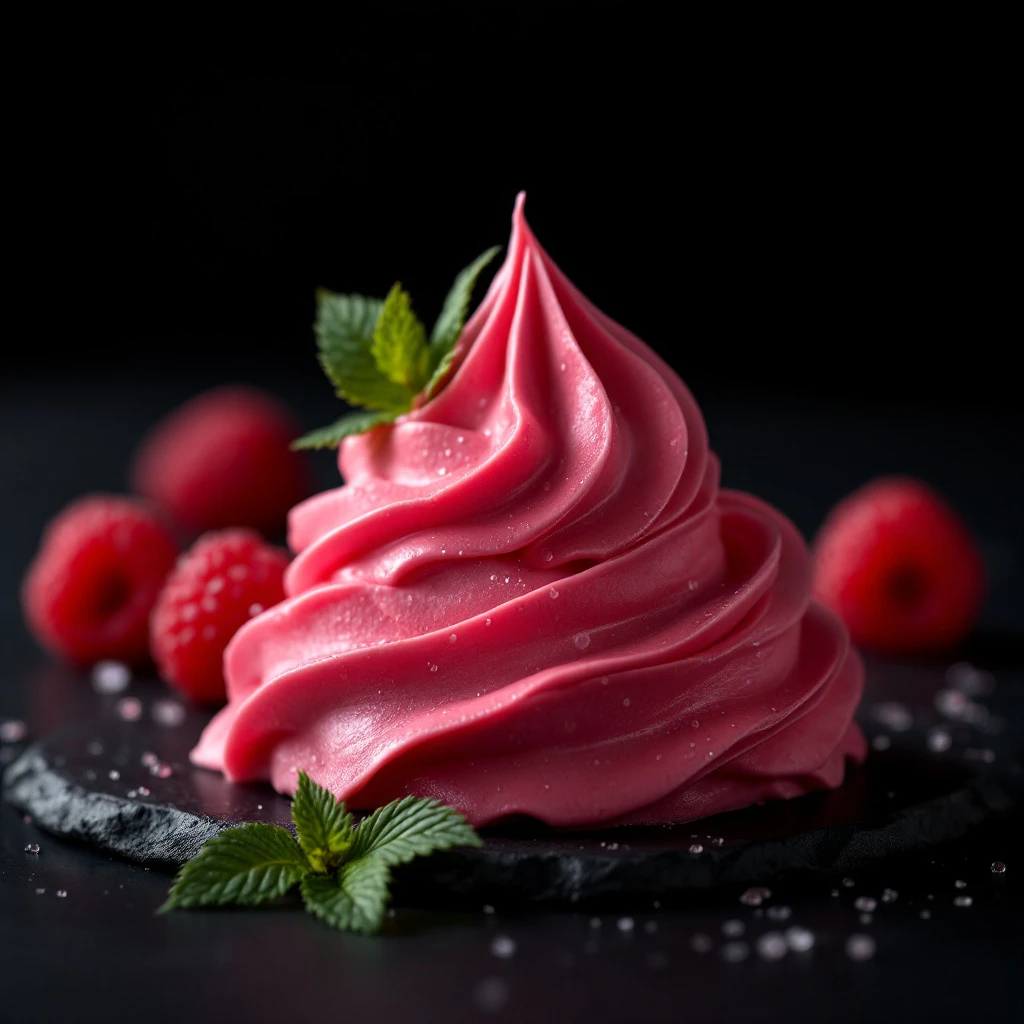
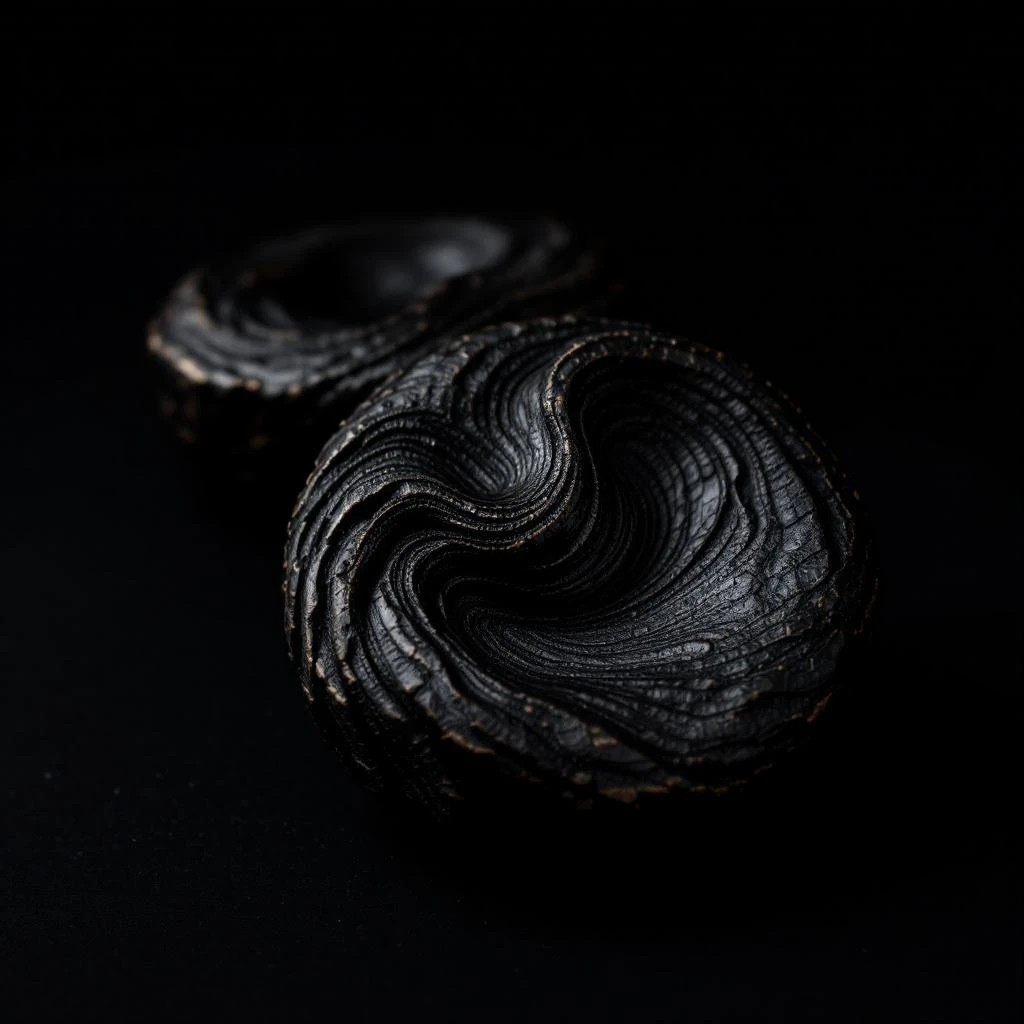
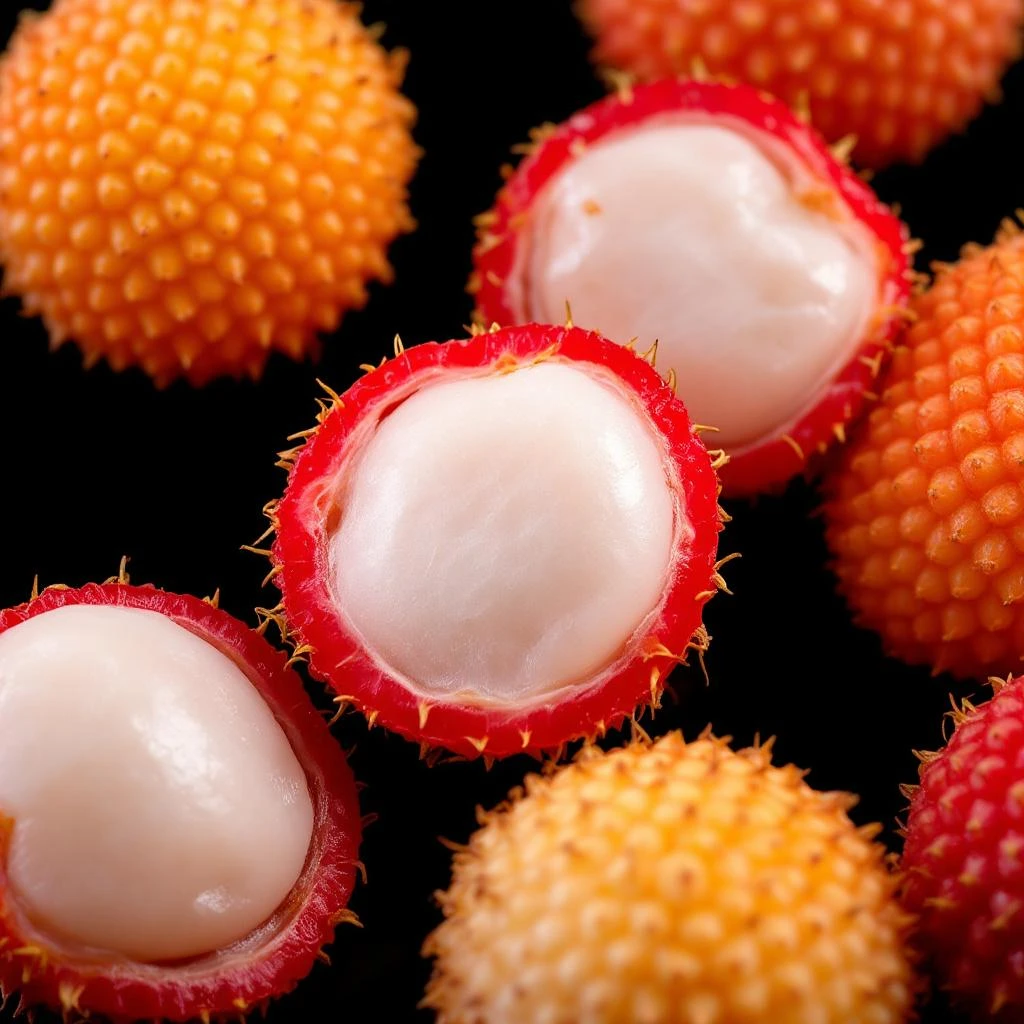
Raspberry Cream captures the fleeting sweetness of sun-warmed berries at peak ripeness, translated into a plush, gourmand note that blends jammy fruitiness with velvety, dairy-adjacent warmth.
Character
How it smells
Sun-drenched sweetness in every spritz.
The recognizable raspberry scent in perfumery comes from reconstructed esters like hexyl acetate and ethyl hexanoate, not from actual fruit extract.






Origin
United States
Raspberry as a perfumery note emerged from the broader transformation of fragrance chemistry in the late nineteenth century. Modern perfumery began around 1870 when commercial synthesis of compounds like vanillin and coumarin allowed perfumers to move beyond strictly natural ingredients. Berry notes including raspberry gained prominence as synthetic chemistry advanced through the early twentieth century.
The late 1800s saw the first lab-made fragrance ingredients emerge, including cinnamaldehyde, benzaldehyde, and anethole, establishing a foundation for recreating fruit scents that raspberry would later join. Raspberries themselves originate from wild species native to North America, with commercial cultivation spreading to Mexico and Poland by the twentieth century. The specific Raspberry Cream interpretation, with its dessert-like dairy warmth, developed as gourmand fragrances rose in popularity during the 1980s and 1990s.
Today it appears across modern compositions as both a primary heart note and a supporting accent, reflecting contemporary demand for warm, approachable scents.
Wears it best
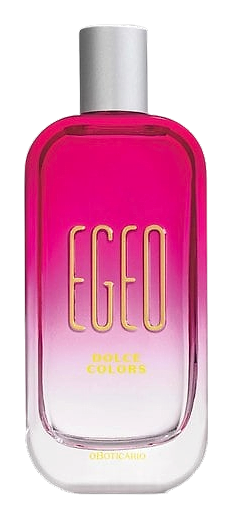
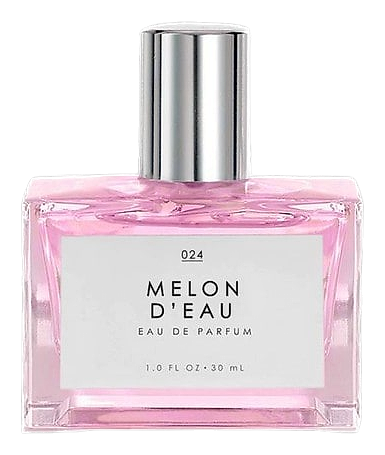
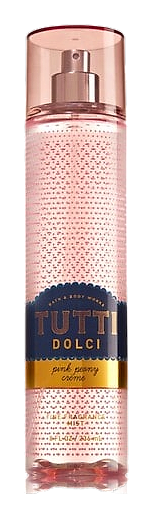
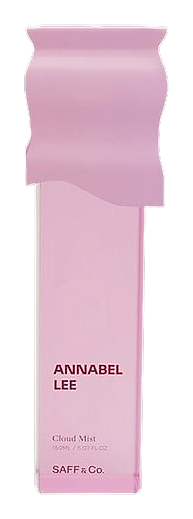
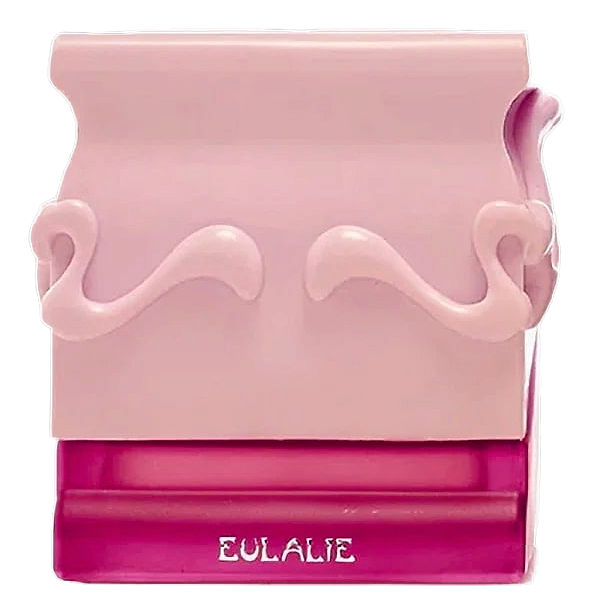
Fragrances featuring Raspberry Cream

Brands
Brands known for Raspberry Cream
Good to know
Questions, answered
The essentials on Raspberry Cream in perfumery: how it smells, where it comes from, and how it behaves on skin.
What creates the characteristic raspberry scent in perfumery?
The signature raspberry aroma comes from hexyl acetate and ethyl hexanoate, two esters that together create the sweet-fruity profile. Berry aldehydes add brightness to the top notes.
Is Raspberry Cream a natural or synthetic ingredient?
Raspberry Cream is a synthetic reconstruction. Natural raspberry extract exists but proves chemically unstable and cost-prohibitive for commercial fragrance use.
What fragrance family does Raspberry Cream belong to?
Raspberry Cream falls into the fruity family. Depending on its formula, it may carry gourmand undertones when paired with vanilla or cream notes.
How does Raspberry Cream function in fragrance compositions?
It typically serves as a heart note that adds warmth and approachability. It also works as a supporting accent to lift florals or enhance other fruity elements.
What ingredients pair well with Raspberry Cream?
Vanilla, white musk, rose, jasmine, and other berry notes create harmonious combinations. Cream and lactonic notes enhance its dessert-like quality.
Why do perfumers use synthetic raspberry compounds instead of natural fruit?
Natural raspberry essence degrades quickly and costs significantly more than synthetic alternatives. Reconstructed aroma allows consistent quality across batches.
When did raspberry first appear in modern perfumery?
Berry notes gained traction in the early twentieth century as synthetic chemistry advanced. The late nineteenth century marked the beginning of commercial aroma synthesis that made such recreation possible.
What mood does Raspberry Cream typically evoke?
It conveys comfort and sweetness, evoking the sensation of ripe berries with a plush, velvety quality that feels both fresh and indulgent.