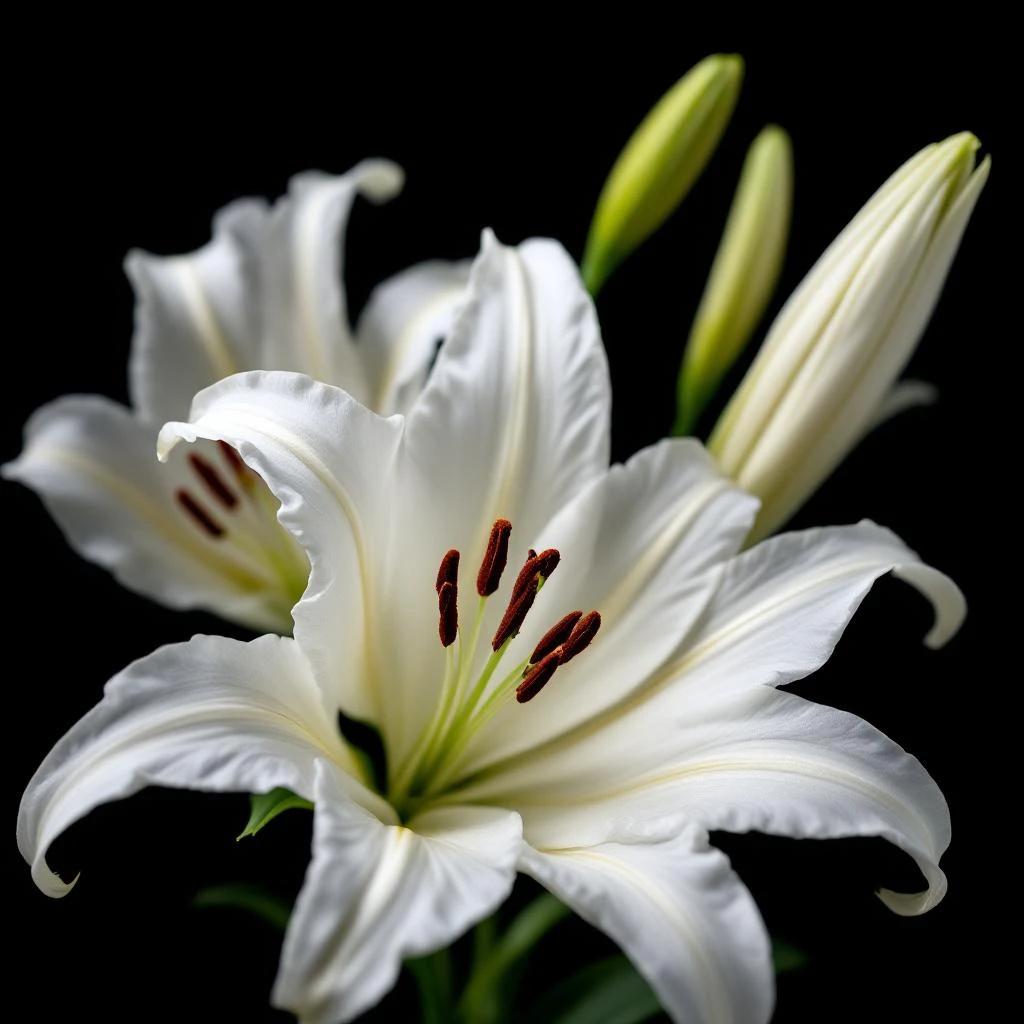
Prairie Gentian
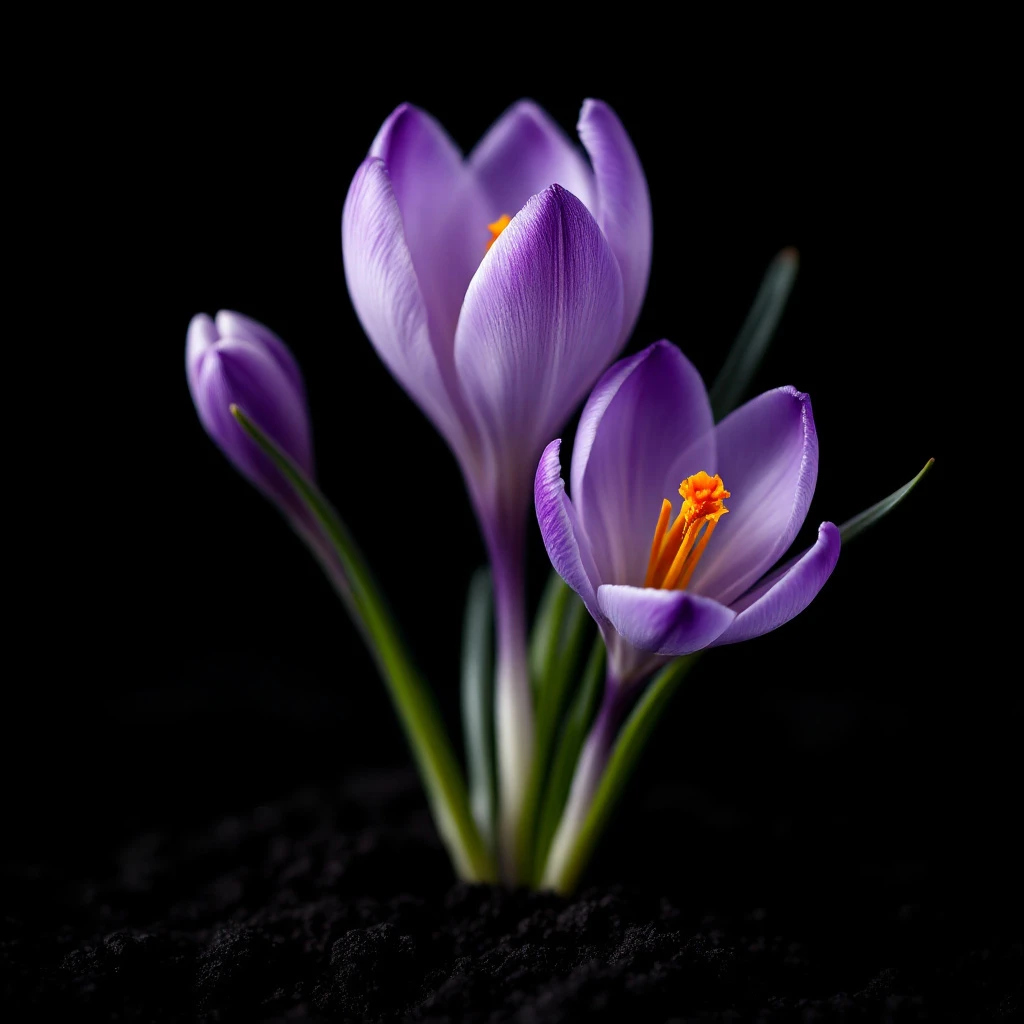
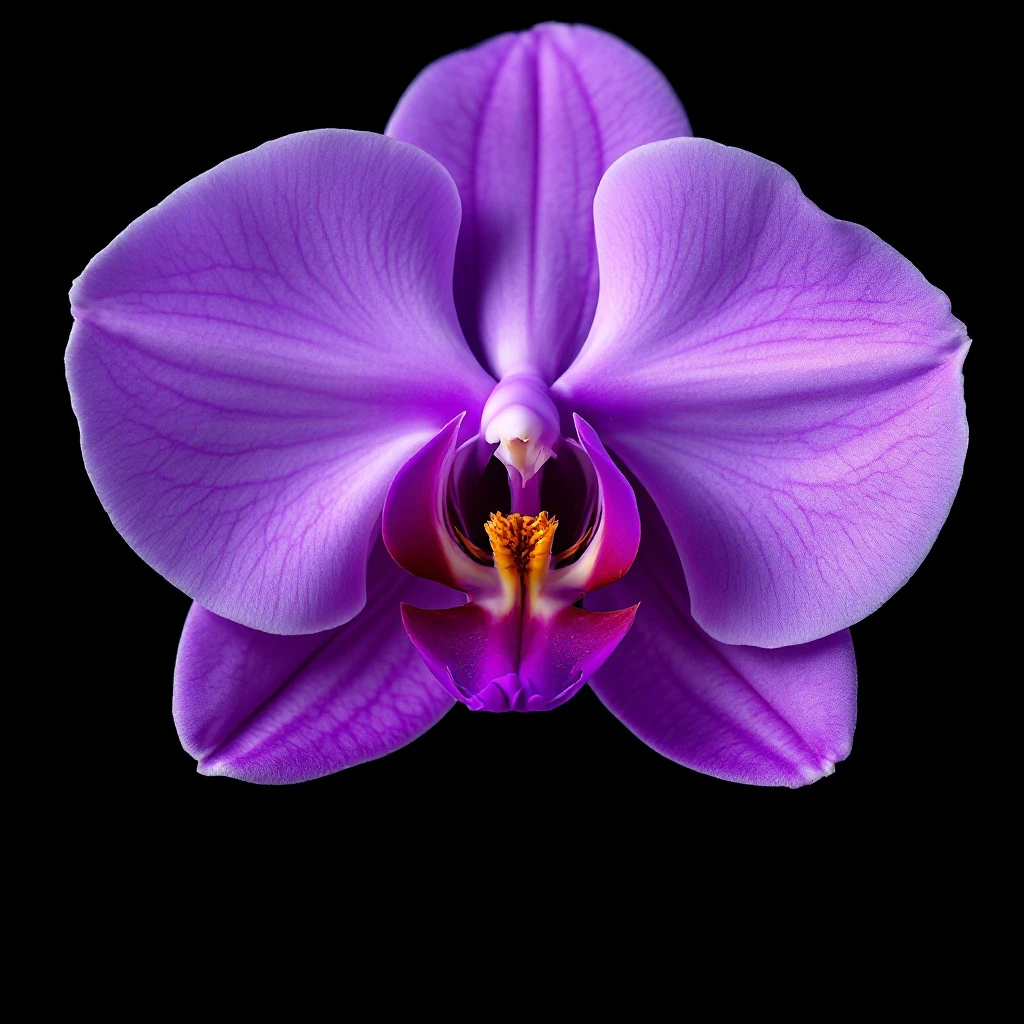
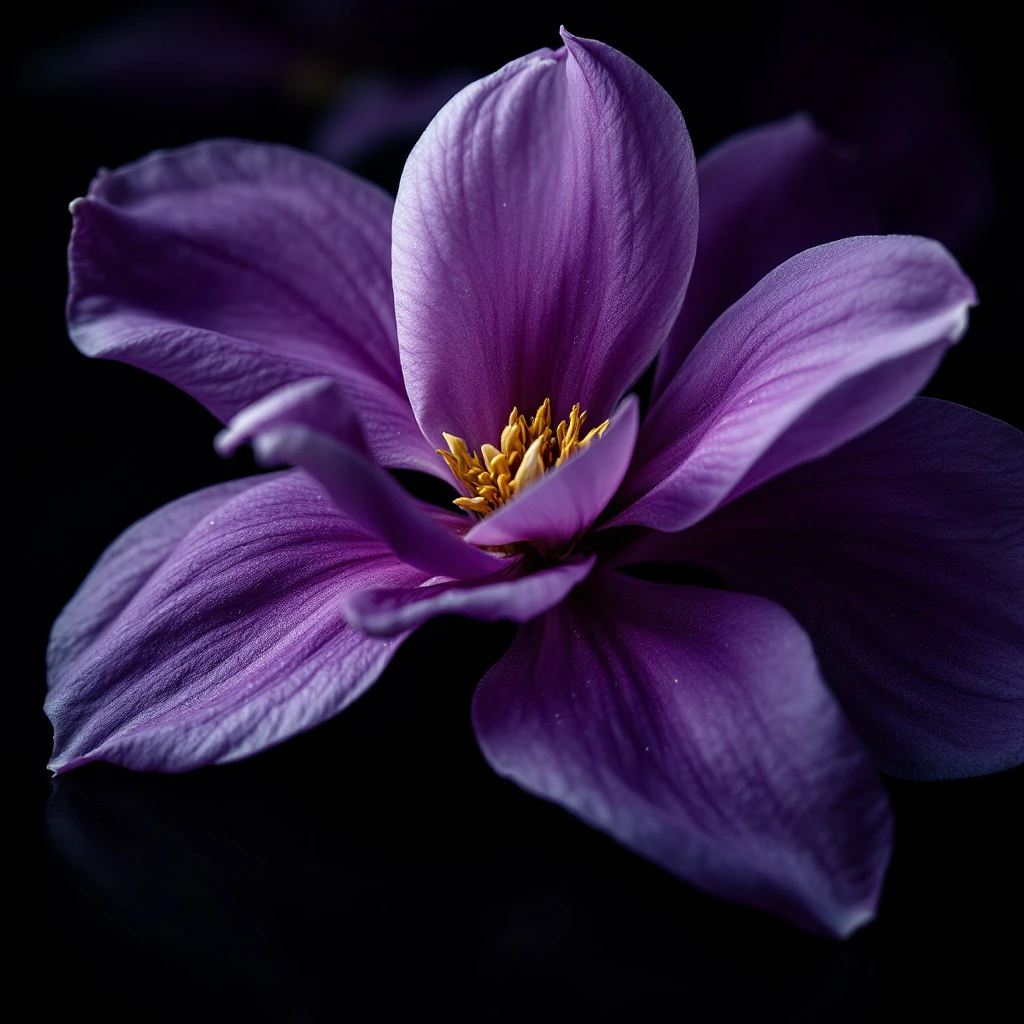
Native to North American prairies, this delicate bloom carries a fresh, slightly green floral character with subtle sweetness—captured through careful solvent extraction to preserve its ephemeral beauty.
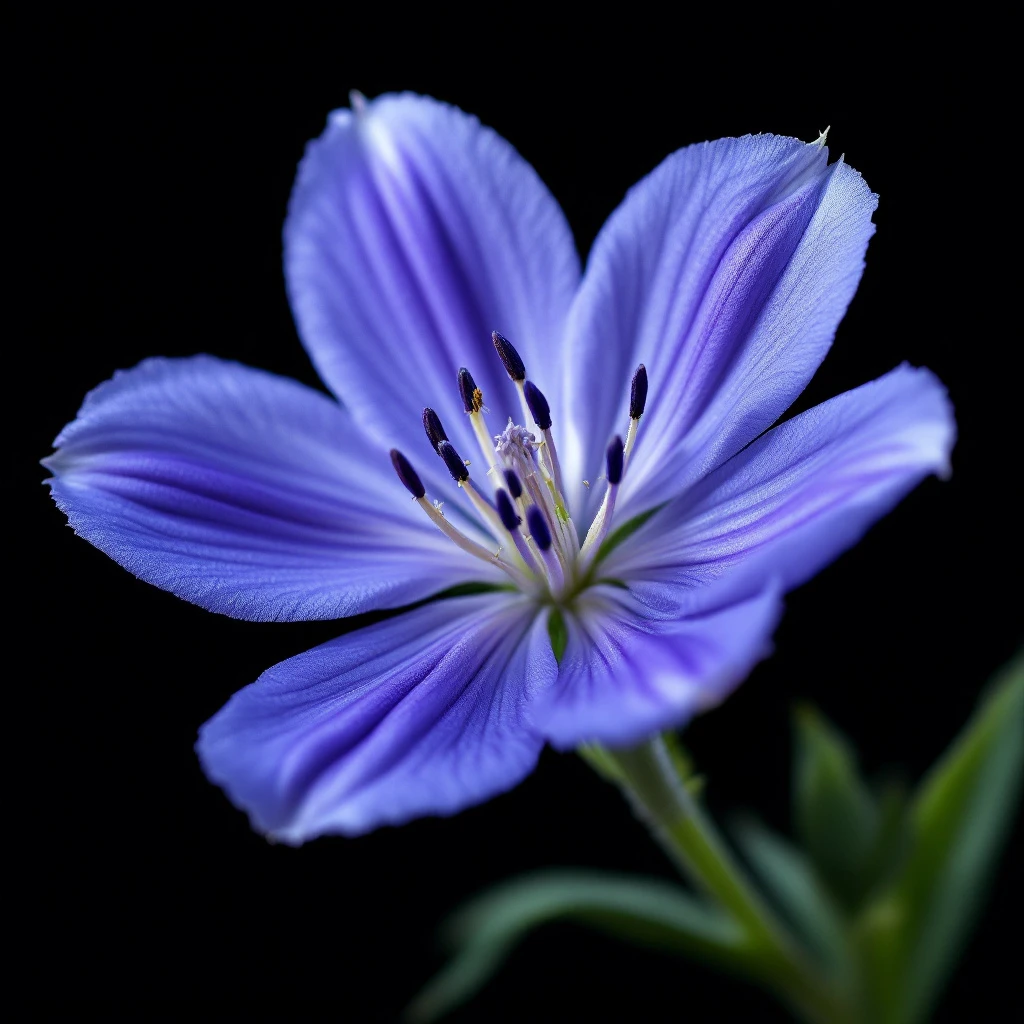
Character
How it smells
A prairie bloom, softly captured
Prairie Gentian was the state flower of Texas until 1907, when it was replaced by the Bluebonnet.


Origin
United States
Eustoma grandiflorum grew wild across the American Great Plains long before European settlement. Indigenous peoples of the prairie recognized the flower’s beauty and resilience, though its use in perfumery is a modern development. The plant earned its common name from early settlers who noted its resemblance to the gentians of European meadows.
The genus name Eustoma comes from Greek roots meaning “beautiful mouth,” a reference to the flower’s trumpet-shaped bloom. Commercial cultivation for cut flowers began in Japan in the 1930s before spreading globally. Perfumery applications emerged later, as extraction techniques advanced to capture this delicate bloom’s fleeting fragrance.
Today, Prairie Gentian remains a niche ingredient—prized by perfumers seeking fresh, green floral accents uncommon in mainstream fragrance.
Wears it best
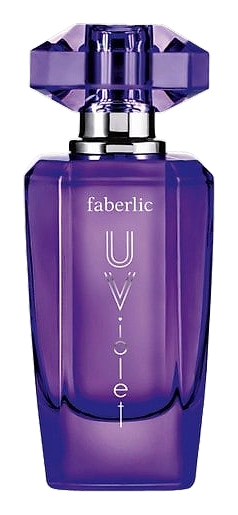
Fragrances featuring Prairie Gentian
Brands
Brands known for Prairie Gentian
Good to know
Questions, answered
The essentials on Prairie Gentian in perfumery: how it smells, where it comes from, and how it behaves on skin.
What does Prairie Gentian smell like?
Prairie Gentian offers a fresh, green floral scent with subtle sweetness. It combines aspects of lily of the valley and fresh-cut stems with a delicate, airy quality that adds brightness to fragrance compositions.
Is Prairie Gentian a natural or synthetic ingredient?
Natural Prairie Gentian exists but remains rare in perfumery due to low extraction yields. Some perfumers use lab-created isolates that replicate its aroma profile for broader accessibility.
Which fragrance families use Prairie Gentian?
Prairie Gentian appears primarily in green and fresh floral compositions. It works particularly well in spring and summer fragrances, as well as modern gender-neutral designs seeking natural green accents.