Purple Magnolia
Soft petals unfurl in summer warmth, releasing a scent that marries creamy white florals with a bright citrus kiss. Purple Magnolia brings the garden's most romantic bloom to your skin, a bloom named after a botanist who invented the plant family classification system.
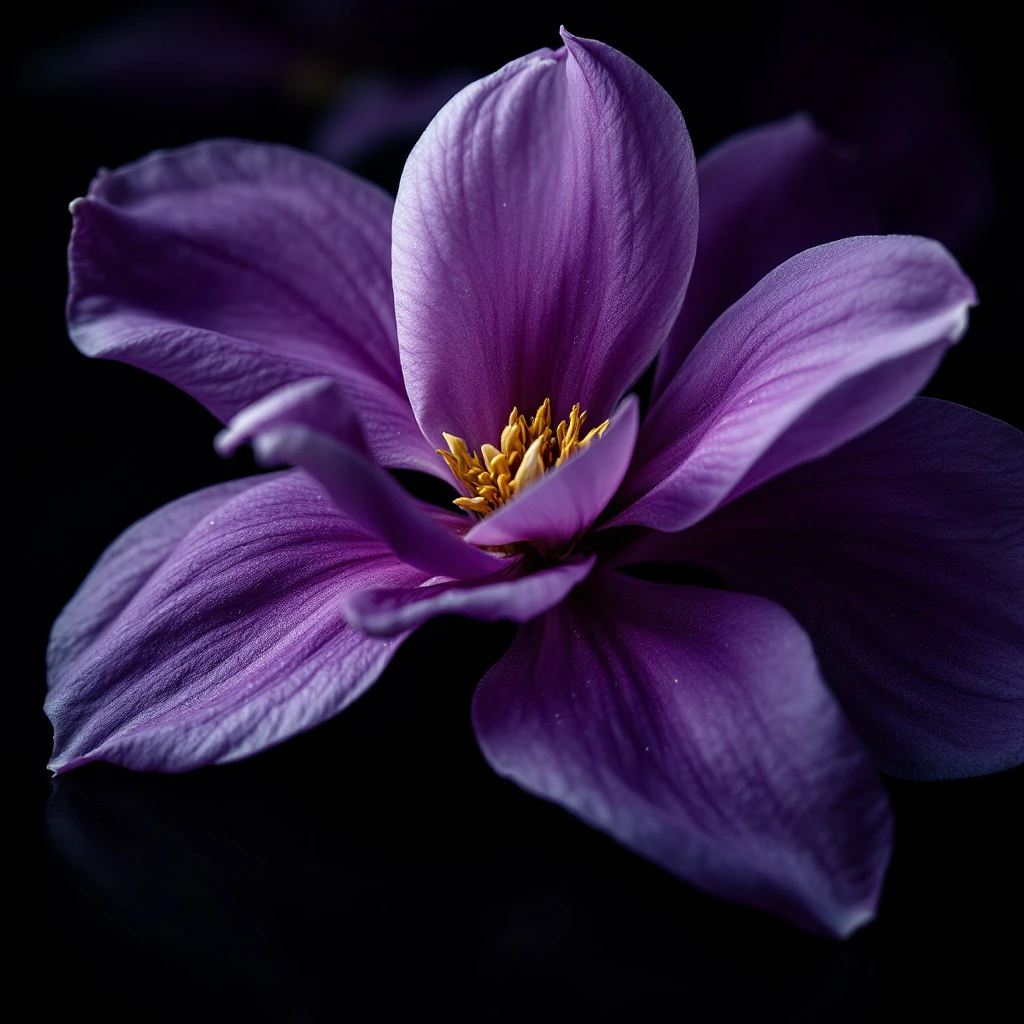
Character
How it smells
The queen of Southern gardens, captured in a bottle.
Pierre Magnol, who named this flower, invented the classification system that gave plants their family names in botany.

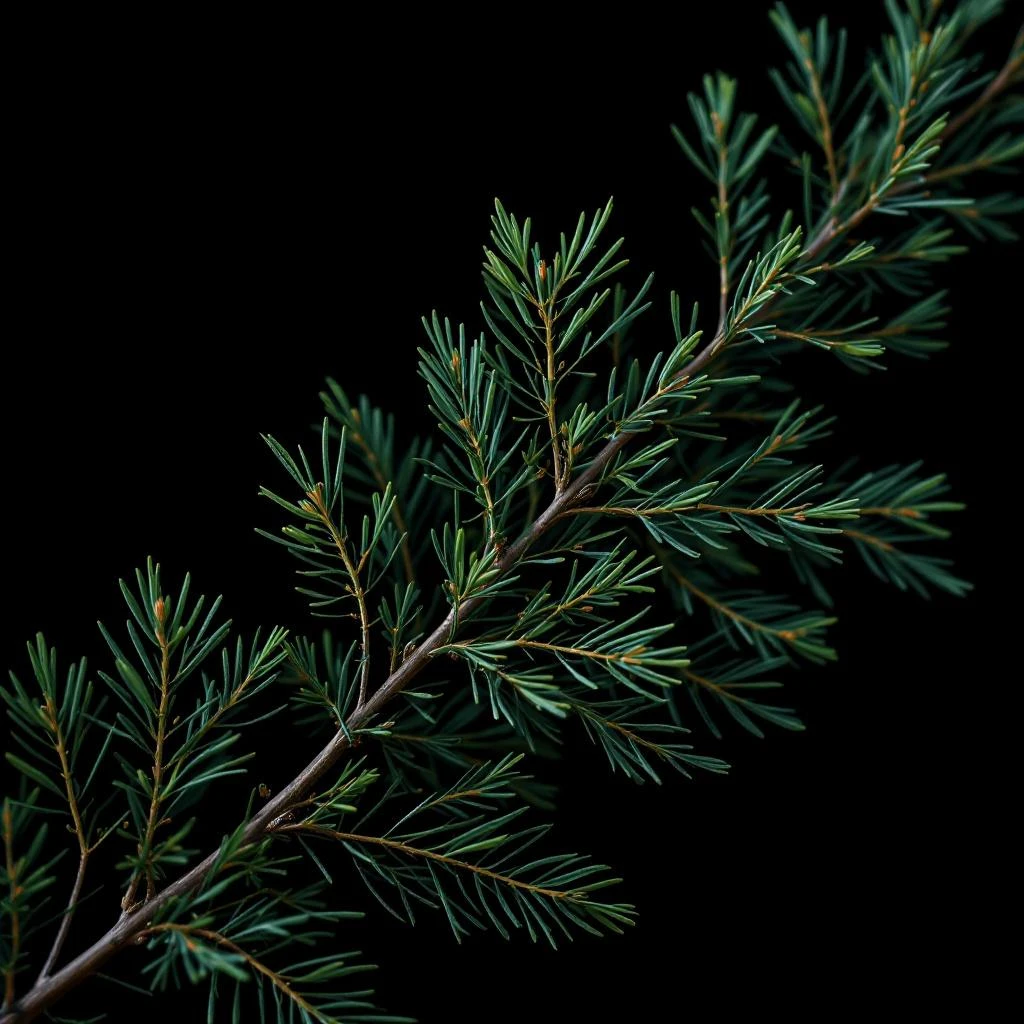
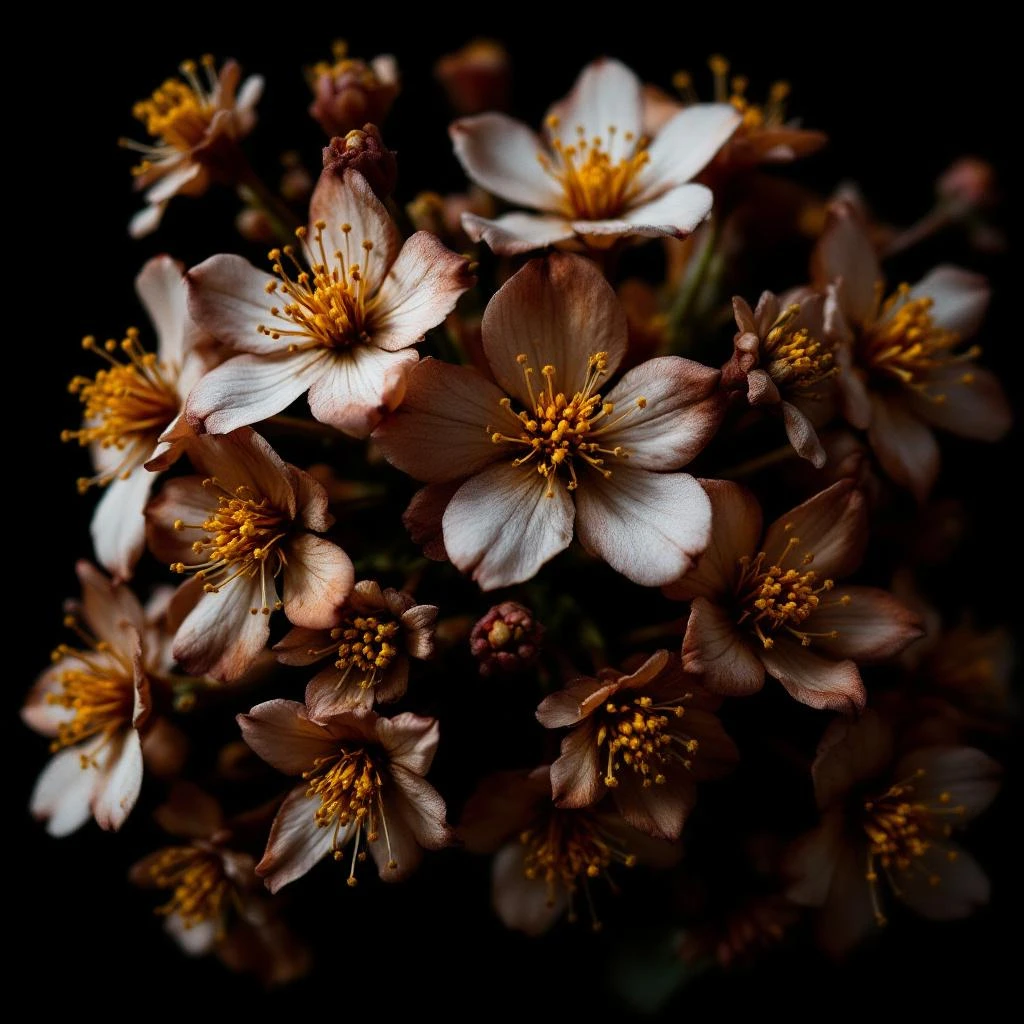

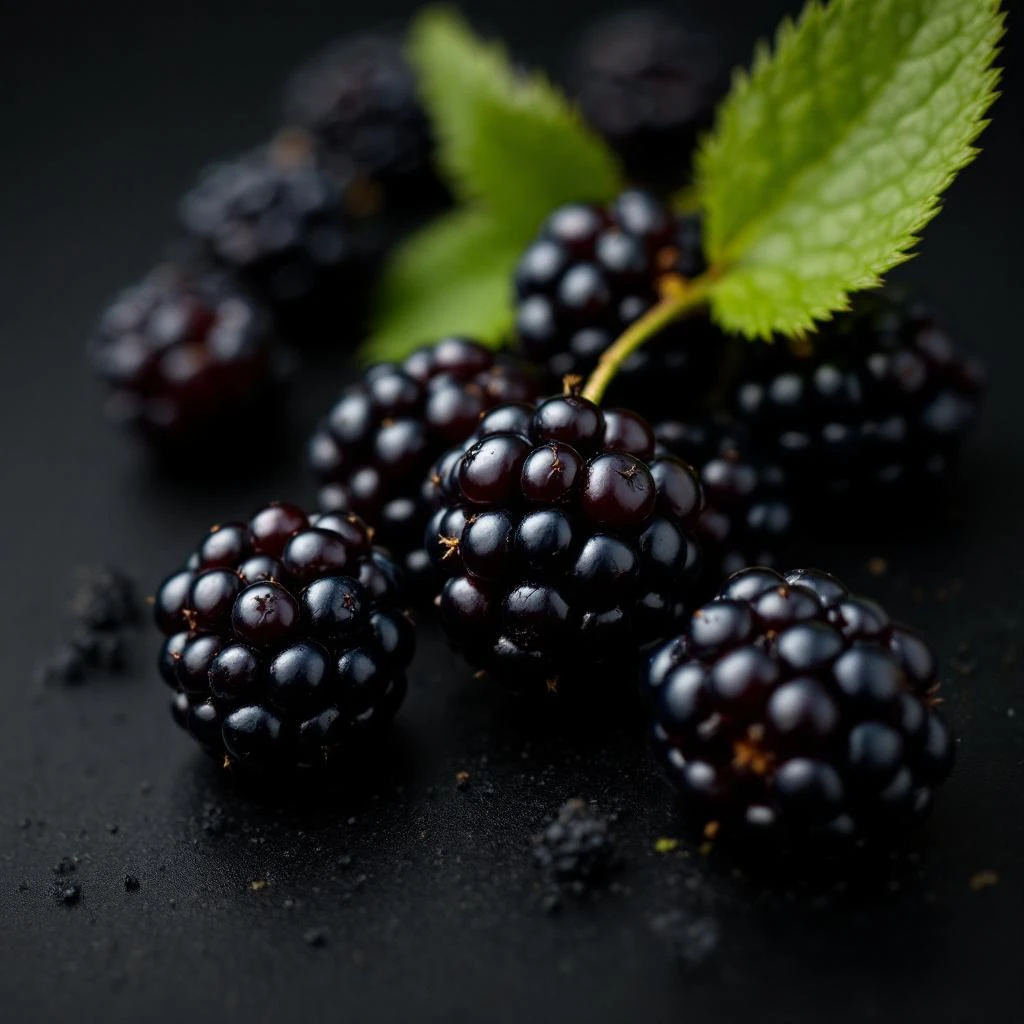
Origin
China
Magnolia carries a name rooted in scientific history. The flower honors Pierre Magnol, a 17th-century French botanist who pioneered the concept of grouping plants into families based on shared characteristics. His classification system became foundational to botany, and Carl Linnaeus later built upon this work to create modern taxonomy.
Native species like Magnolia grandiflora trace their roots to North America, where they have grown for millennia. Meanwhile, Michelia alba originated in Asian regions and carries different olfactory qualities. Chinese perfumers have developed significant expertise in extracting magnolia essence, particularly in Guangxi and Fujian provinces, where cultivation has flourished for decades.
The flower's presence in perfumery grew substantially during the 20th century as extraction techniques improved, allowing perfumers to work with this notoriously fleeting scent.
Wears it best
Fragrances featuring Purple Magnolia
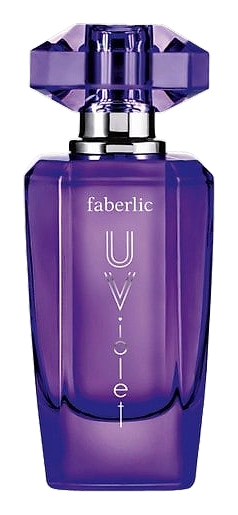
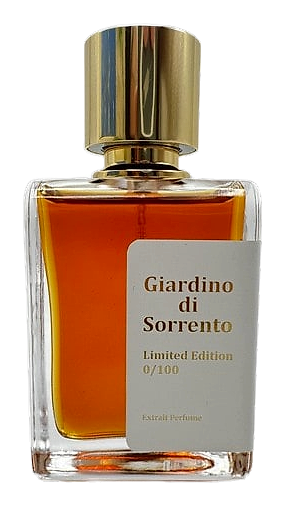
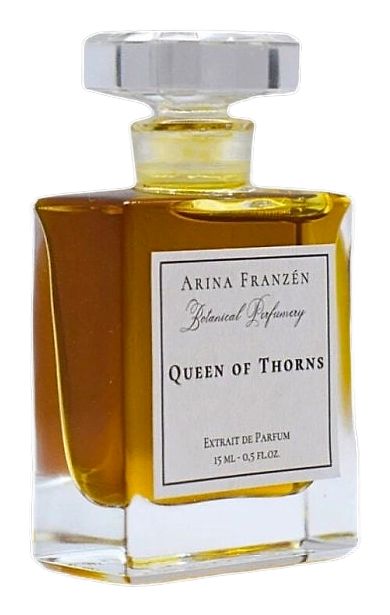
Brands
Brands known for Purple Magnolia
Good to know
Questions, answered
The essentials on Purple Magnolia in perfumery: how it smells, where it comes from, and how it behaves on skin.
Is Purple Magnolia a natural or synthetic ingredient?
Magnolia exists in both forms. Natural magnolia absolute comes from solvent extraction of flowers, primarily sourced from China. However, since Magnolia grandiflora and Michelia alba petals yield very little oil, most modern fragrances use reconstituted magnolia accords built from aromatic chemicals like linalool and methyl anthranilate.
What does Purple Magnolia smell like?
Purple Magnolia presents a solar, creamy floral character with distinct citrusy brightness. The scent balances white flower richness with lemony top notes, creating something that reads as both warm and refreshing. It sits between gardenia and ylang-ylang on the floral spectrum but with its own distinctive sunny personality.
Where does magnolia absolute originate?
The primary production region for magnolia absolute is China, specifically Guangxi and Fujian provinces. These provinces host significant cultivation of Michelia alba and Magnolia grandiflora for fragrance production. The warm, humid climate supports optimal growth of these species.
How is magnolia absolute extracted?
The process uses solvent extraction rather than steam distillation. Flowers are treated with hydrocarbon solvents to produce a concrete, which is then washed with alcohol and filtered to yield the absolute. This method captures the delicate aromatic compounds that would be destroyed or lost through heat-based extraction.
Why is magnolia flower oil not widely available?
Magnolia petals contain extremely low concentrations of aromatic compounds and are highly volatile. The yield from distillation is negligible, making steam distillation commercially unviable. Solvent extraction provides a more efficient route, though the flower remains challenging to work with compared to other perfume materials.
Who was Pierre Magnol?
Pierre Magnol was a 17th-century French botanist from Montpellier who developed the concept of plant families based on shared characteristics. His 1689 work Prodrome de la historia generale des plantes introduced this classification system, which later influenced Linnaeus and became fundamental to botanical taxonomy.
What magnolia species are used in perfumery?
Two species dominate perfumery use. Magnolia grandiflora, native to North America, offers the classic garden magnolia character with its large white blooms. Michelia alba, found across Asia, contributes a different aromatic profile. Both provide source material for natural extracts and serve as olfactory reference points for synthetic reconstructions.
Does Purple Magnolia contain any common allergens?
Like many floral materials, natural magnolia absolute may contain trace compounds that appear on allergen regulatory lists, including linalool and benzyl alcohol in some formulations. Synthetically reproduced magnolia accords allow for precise control over composition, making them preferable for formulations requiring specific allergenic profiles.