Portuguese Cistus
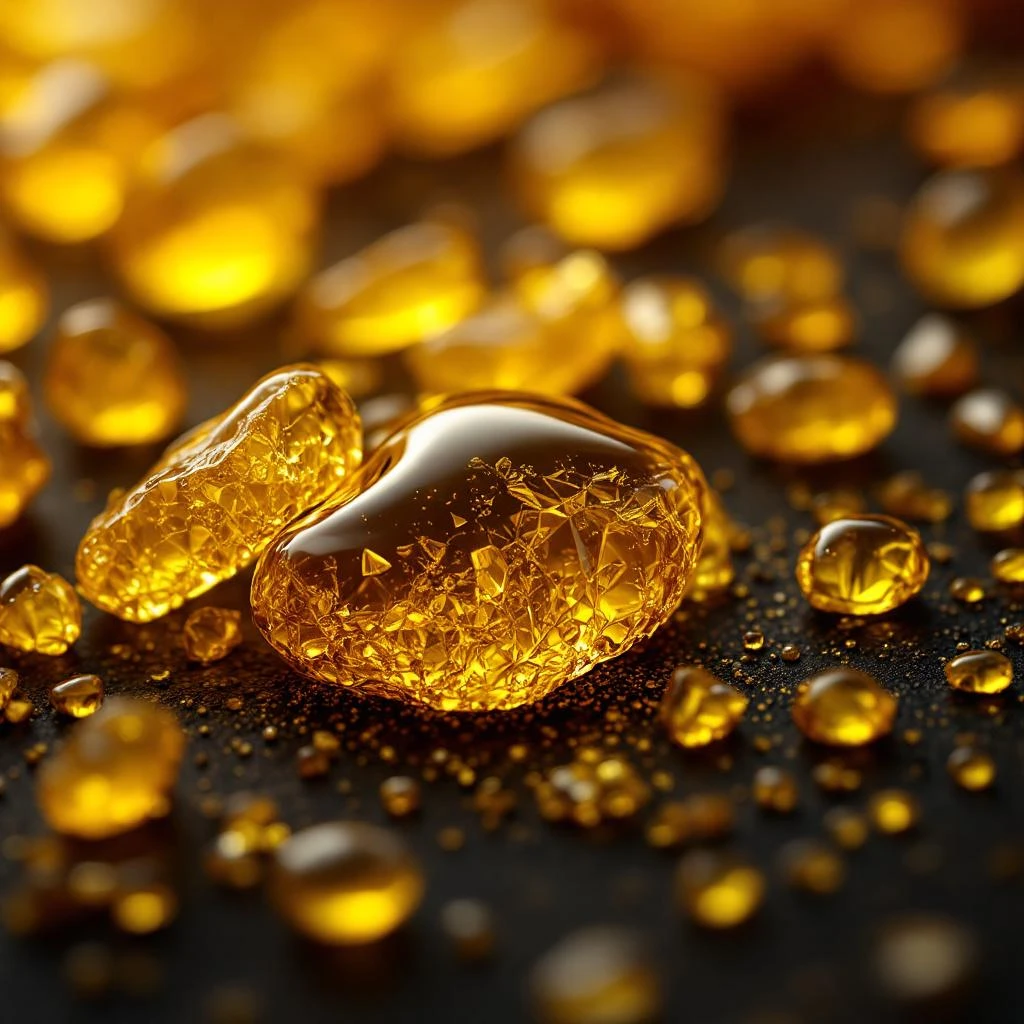
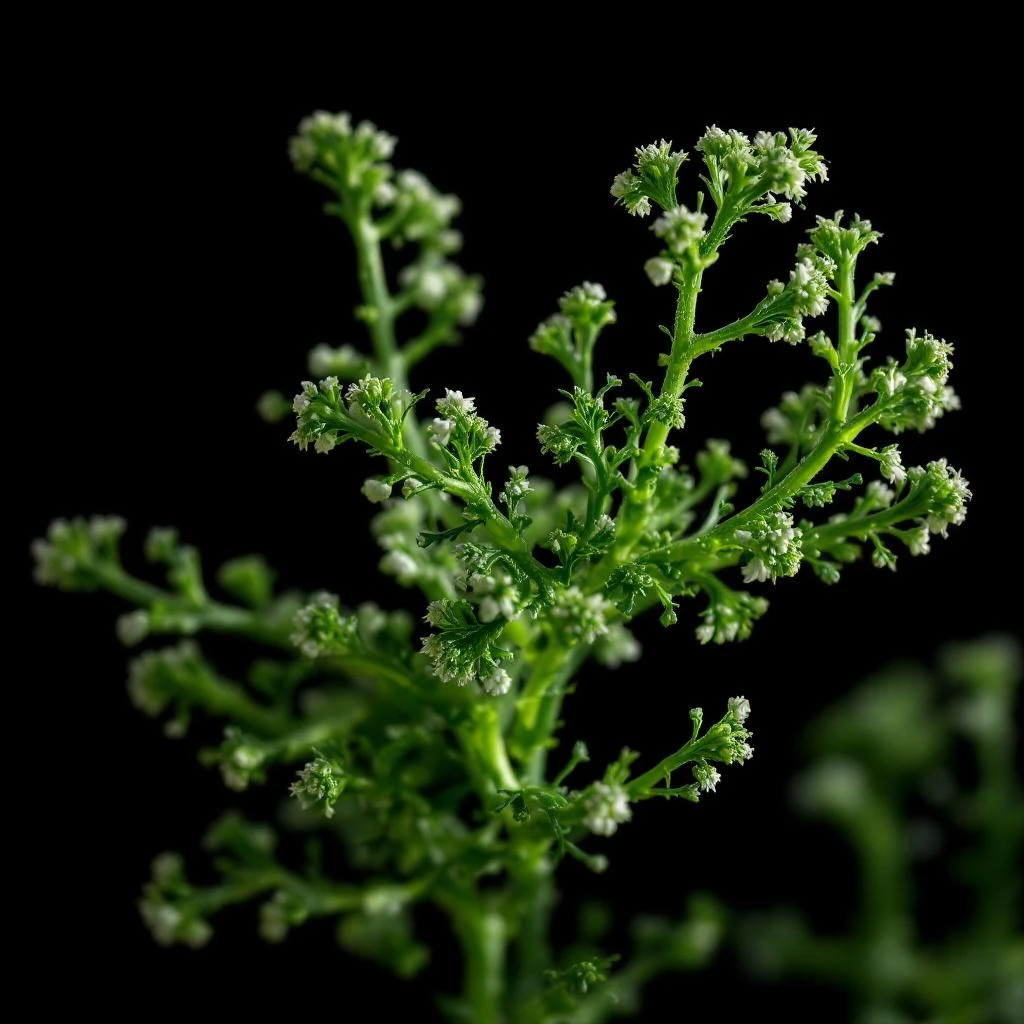
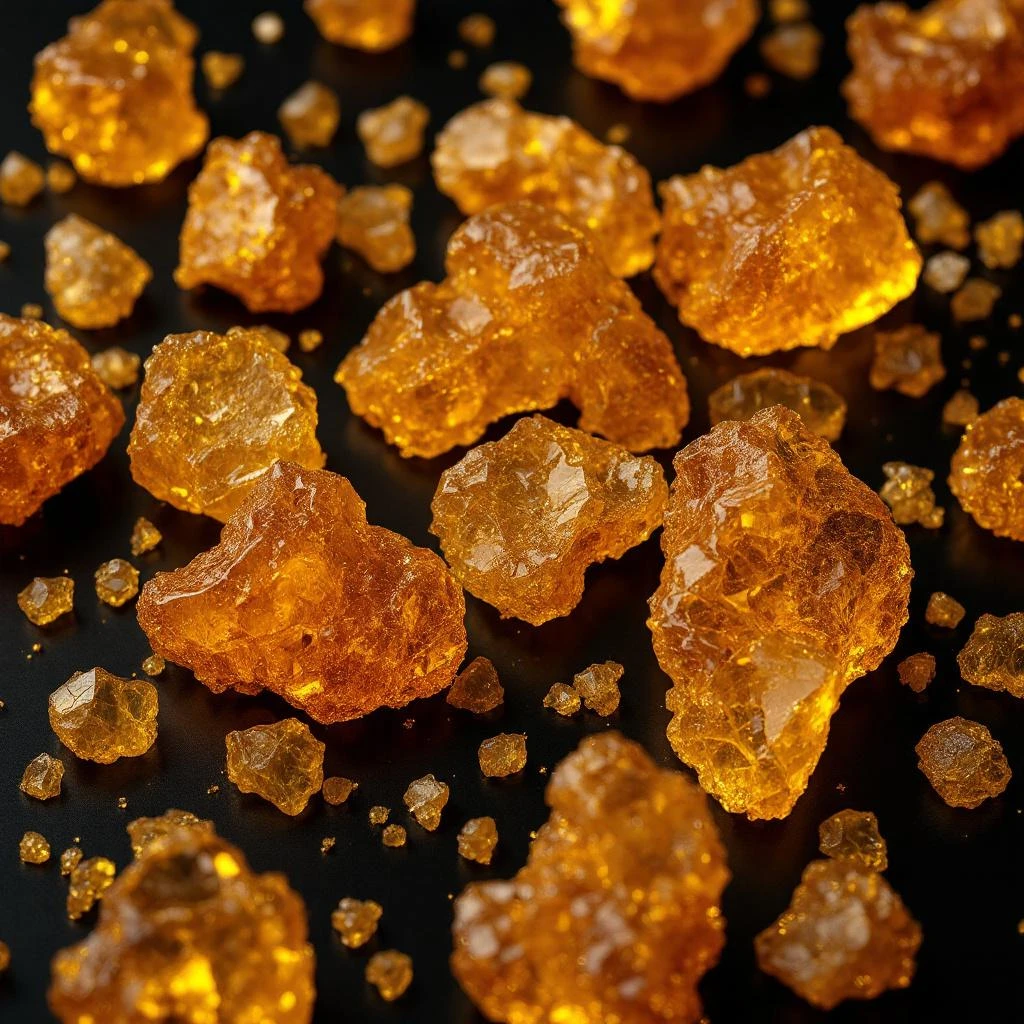
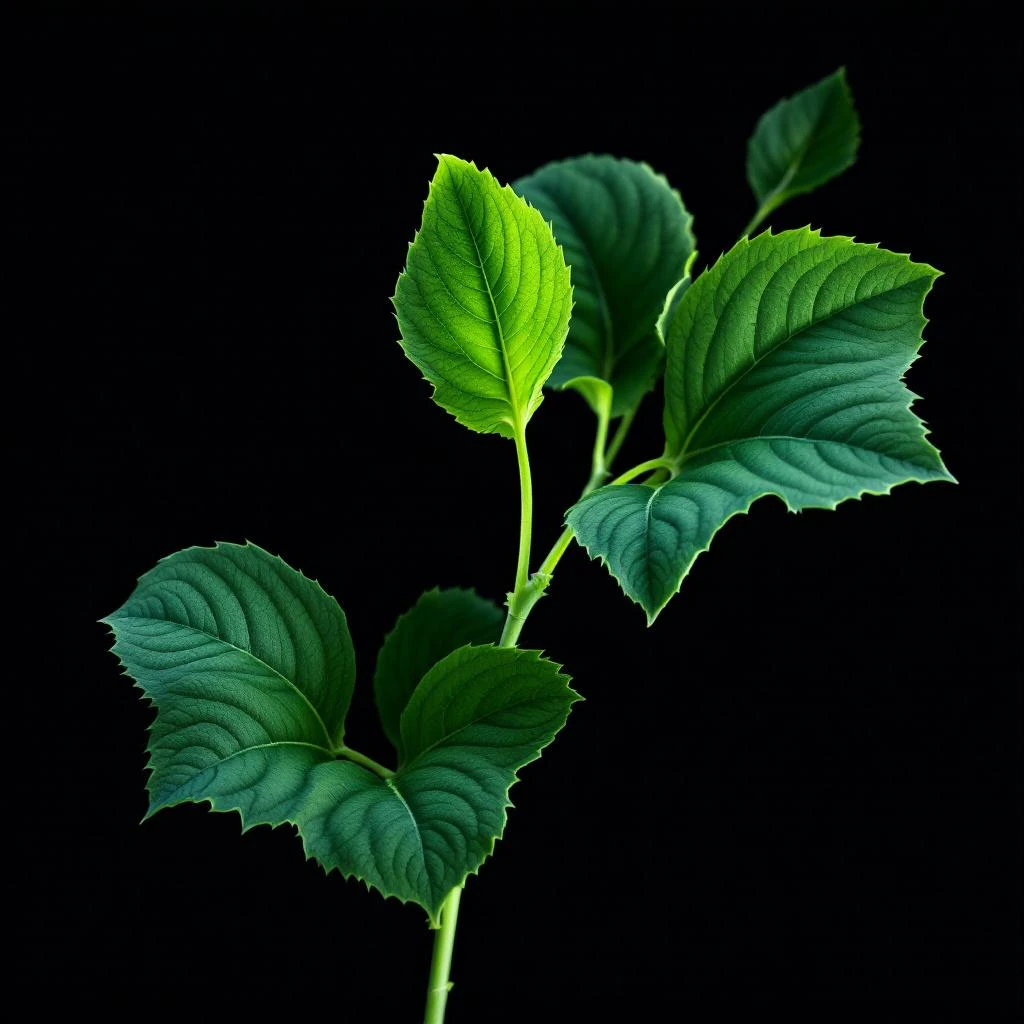
Portuguese Cistus yields a resin prized in fine perfumery for its warm amber character. The plant grows wild across Mediterranean landscapes, its sticky leaves and branches producing the precious labdanum absolute that perfumers have treasured since antiquity.
Character
How it smells
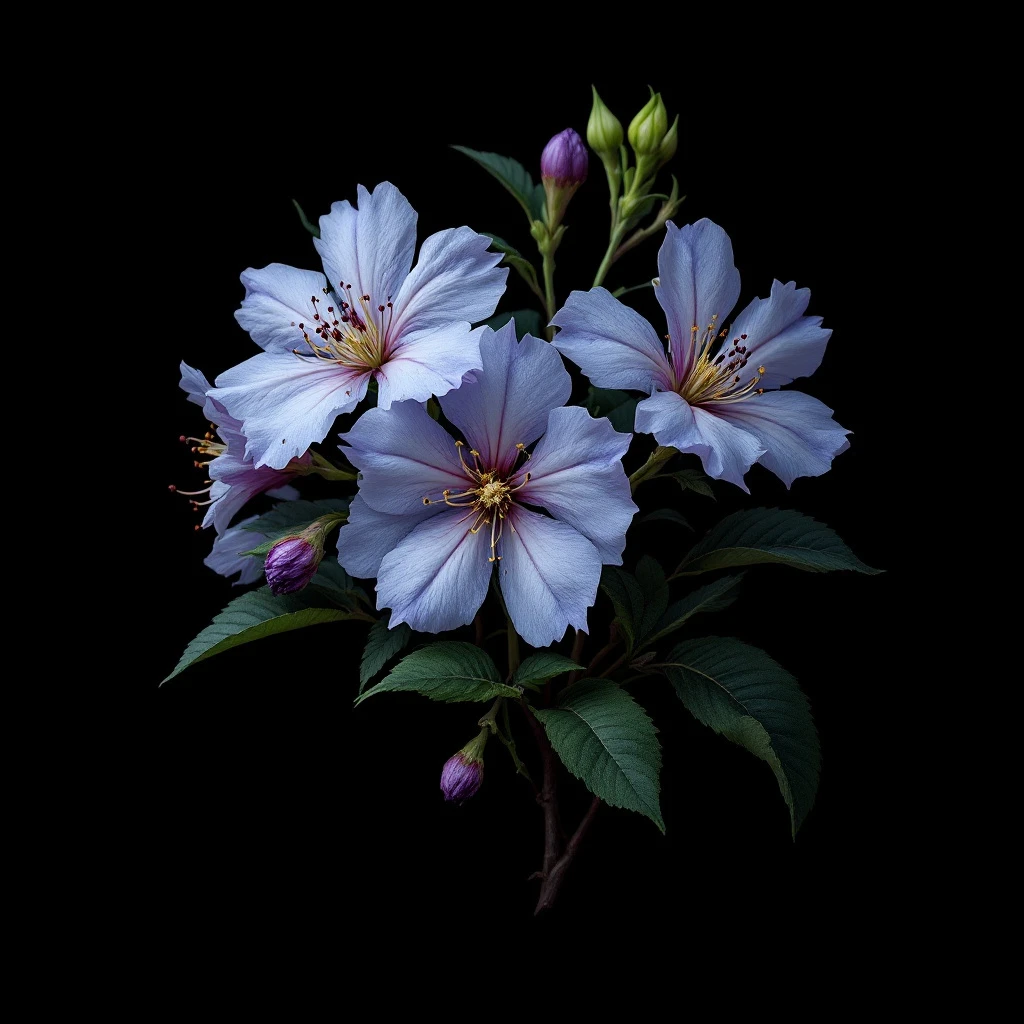
The Mediterranean shrub that ancient perfumers treasured.
Ancient Egyptians burned labdanum as incense and used it medicinally. Phoenician traders reportedly smoothed it through their hair as a primitive fixative.



Origin
Portugal
Cistus ladaniferus has served perfumery since ancient Mediterranean civilizations flourished. Egyptians employed labdanum in religious ceremonies and medicinal preparations, valuing its complex resinous scent.
Greek physicians documented its therapeutic applications in early medical texts. Phoenician traders distributed the material throughout the ancient world, creating one of the earliest aromatic supply chains.
Romans prized the resin for its fixative properties and warm, animalic character. The shrub still grows wild across Southern Portugal, Spain, North Africa, Southern France, and Cyprus, maintaining an unbroken connection to the Mediterranean basin where ancient perfumers first discovered its virtues.
Wears it best
Fragrances featuring Portuguese Cistus
Brands
Brands known for Portuguese Cistus
Good to know
Questions, answered
The essentials on Portuguese Cistus in perfumery: how it smells, where it comes from, and how it behaves on skin.
What does Portuguese Cistus smell like?
Portuguese Cistus produces a warm, resinous amber scent with balsamic and slightly leathery facets. The aroma is complex, combining sweet balsamic notes with dry, slightly smoky undertones. It serves as a natural fixative in compositions, lending depth and lasting power to the dry-down phase.
Why is Portuguese Cistus preferred over other origins?
Portuguese Cistus ladaniferus produces derivatives with distinct organoleptic qualities. Research confirms that Portuguese plants yield extracts rich in amber-like compounds with low monoterpene content, creating a smoother, more desirable aromatic profile compared to other regional varieties.
What fragrance families use Cistus?
Labdanum from Cistus forms a foundational pillar of chypre perfumes and amber fragrance families. Perfumers incorporate it into woody, oriental, and fougère compositions for its fixative properties and warm resinous character that develops beautifully in the dry-down.
How long has Cistus been used in perfumery?
Cistus resin has served perfumery since ancient Egyptian and Roman civilizations. Archaeological evidence shows its use in religious ceremonies and medicinal preparations dating back over 3,000 years, making it one of perfumery's oldest continuously used ingredients.
Is Cistus a sustainable ingredient?
Cistus ladaniferus grows as a resilient wild shrub across Mediterranean regions, regenerating after controlled harvesting. Sustainable wildcrafting practices ensure the plant populations remain healthy while meeting demand for this prized aromatic material.
What is the difference between Cistus absolute and Cistus essential oil?
Cistus absolute comes from solvent extraction and captures the full aromatic profile including non-volatile components. Cistus essential oil results from steam distillation and contains the volatile aromatic compounds. Both derivatives serve different functions in perfumery depending on the desired effect.
Does Cistus combine well with other ingredients?
Cistus absolute pairs naturally with woody materials like sandalwood and cedar, resinous ingredients such as frankincense and myrrh, and aromatic herbs including lavender and rosemary. It also complements other amber materials and adds depth to citrus top notes.
What is the current market availability of Portuguese Cistus?
Approximately 80 percent of global Cistus derivatives originate from Spain, primarily Andalusia. Limited production also occurs in Morocco, Portugal, and Corsica. Portuguese-origin material commands particular interest among perfumers seeking its distinctive amber-rich profile.