Pandanus leaf
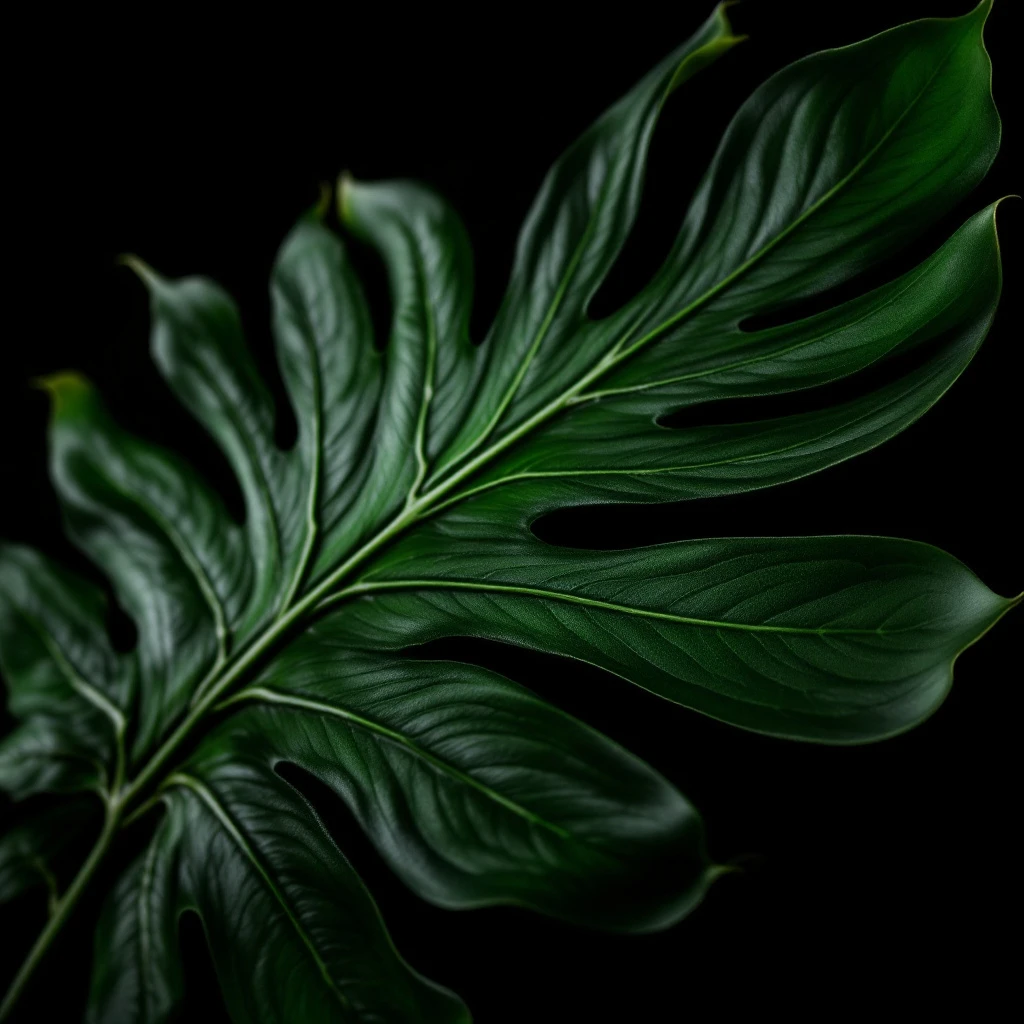
Pandan leaf delivers a distinctive tropical greenness to perfumery—herbaceous, subtly sweet, and slightly nutty. Native to Southeast Asia, this botanical has been used in regional cuisine and perfumery for centuries. Perfumers value its fresh, verdant character for adding authenticity to green and tropical fragrance compositions.
Character
How it smells
Southeast Asia's green, nutty botanical secret.
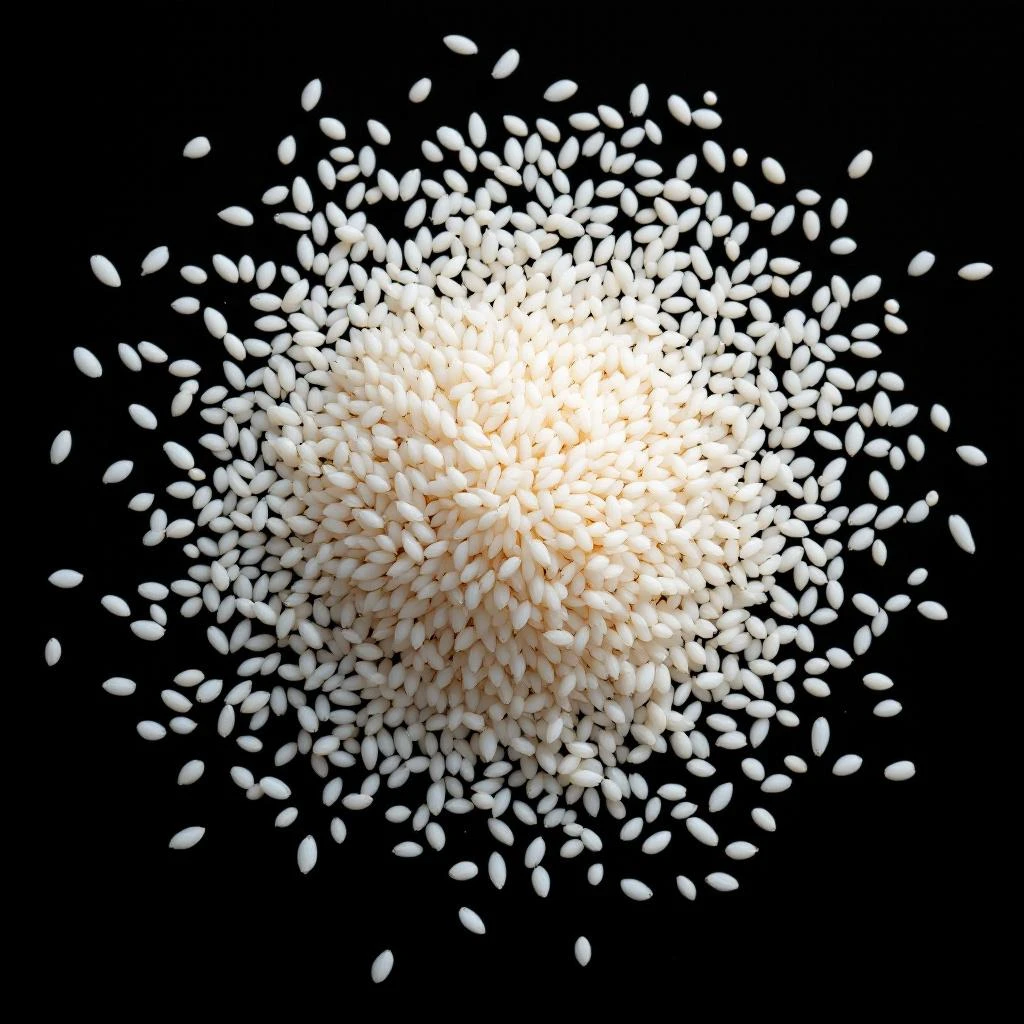
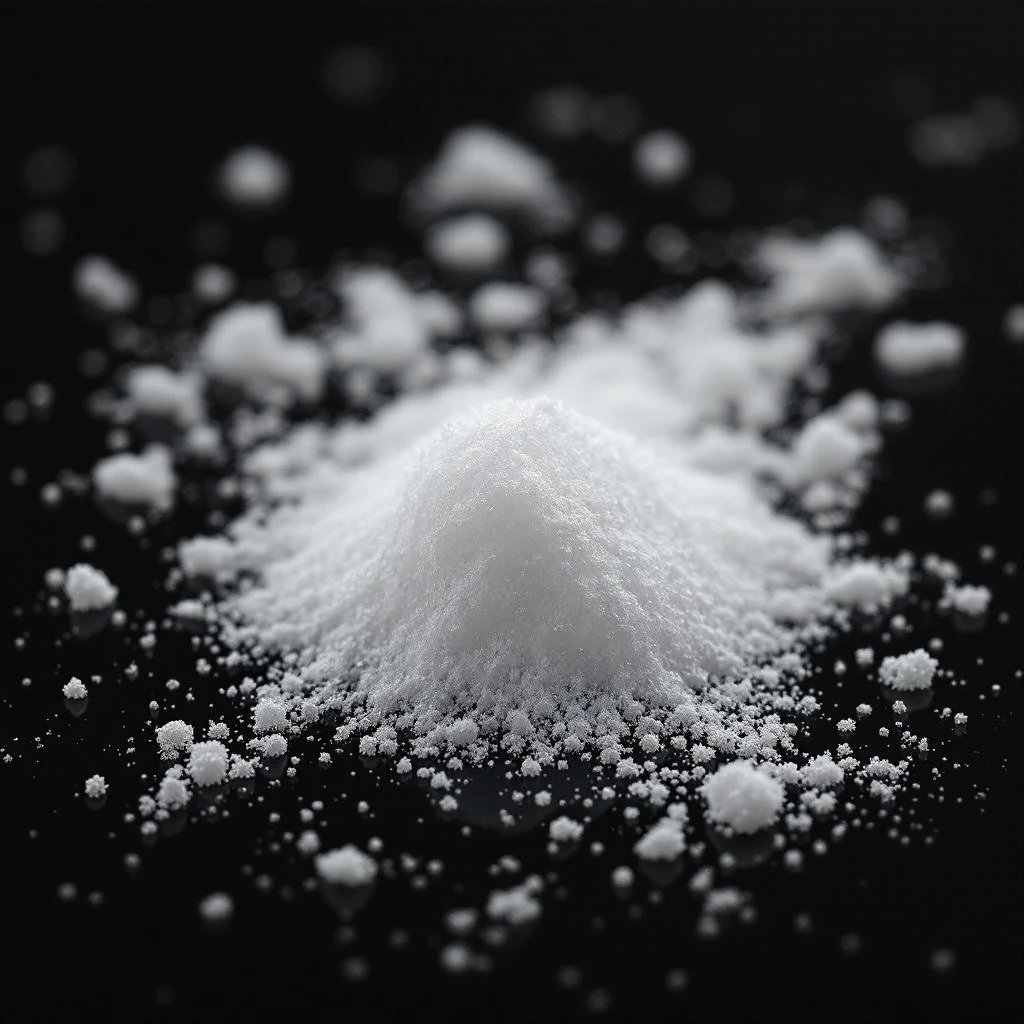
2-Acetyl-1-pyrroline is the primary aroma compound in pandan leaves—the same molecule responsible for the scent of freshly cooked jasmine rice.





Origin
Malaysia
The Peranakan Chinese communities of the Malay Archipelago crafted traditional pandan perfume in the 19th century, blending Chinese, Malay, and Thai cultural influences. This fragrant tradition became embedded in Peranakan cultural identity and eventually gained global recognition.
Before pandan entered perfumery, Southeast Asian civilizations had used the plant for centuries in daily life—its leaves scented temples, flavored rice dishes, and perfumed bathwater across Thailand, Malaysia, Indonesia, and Sri Lanka. The plant itself, Pandanus amaryllifolius, is believed to originate from the Malay Peninsula or adjacent island regions.
Its deep cultural roots across multiple Southeast Asian and South Asian cuisines provided the foundation for its eventual adoption in perfumery. While pandan remains relatively uncommon in Western fine fragrances, it holds an honored place in regional perfumery traditions, where it continues to symbolise tropical authenticity and cultural heritage.
Wears it best
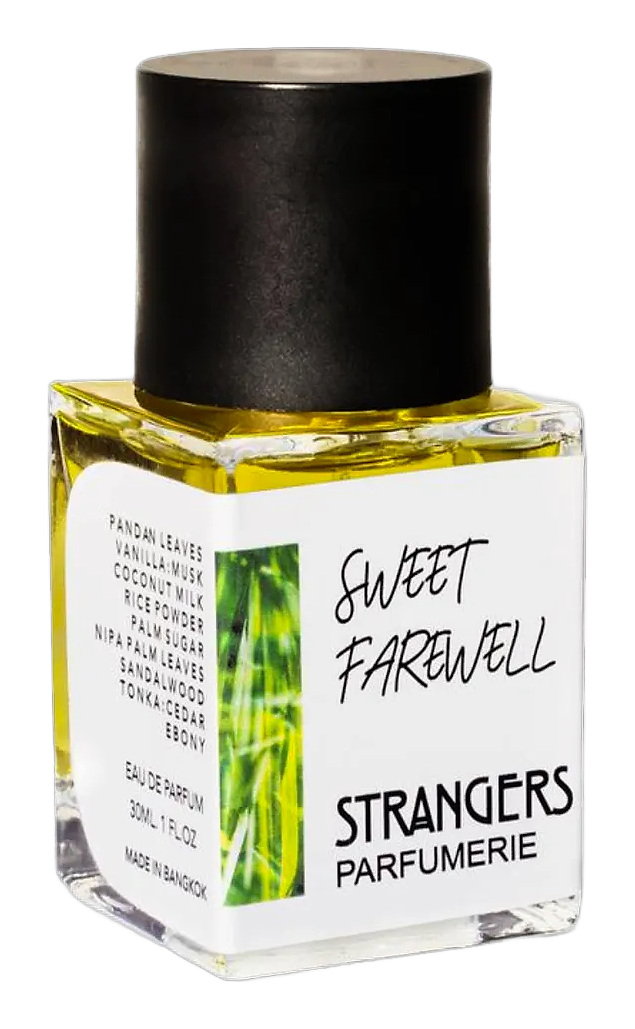
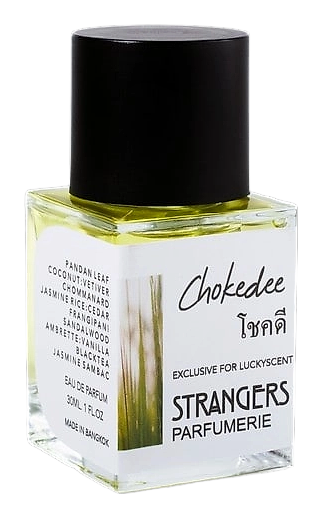
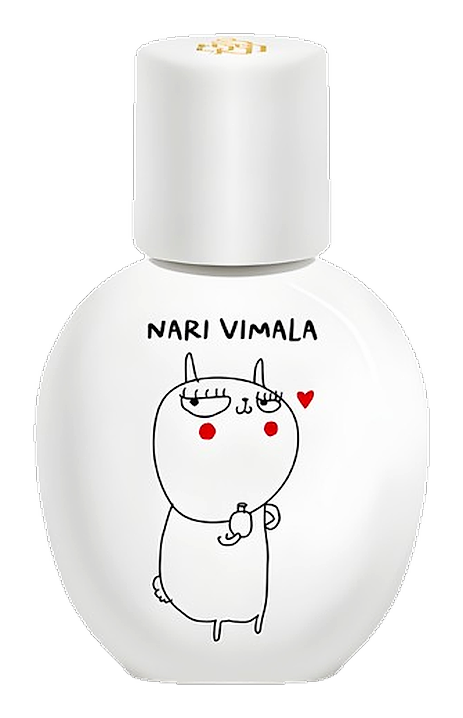
Fragrances featuring Pandanus leaf
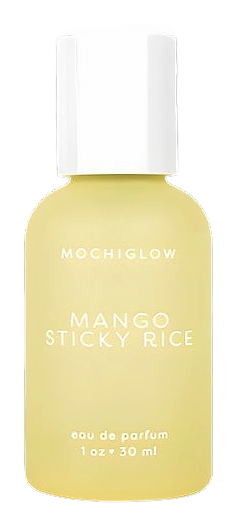
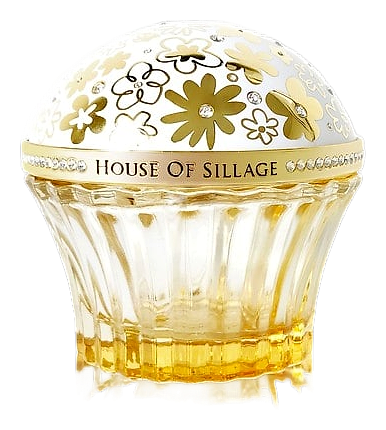
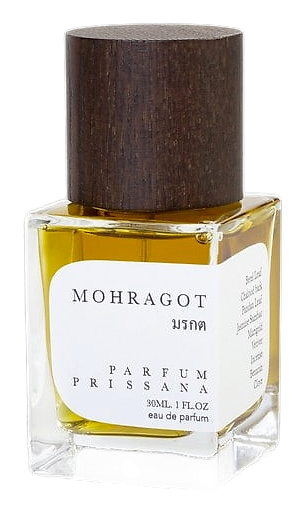
Brands
Brands known for Pandanus leaf
Good to know
Questions, answered
The essentials on Pandanus leaf in perfumery: how it smells, where it comes from, and how it behaves on skin.
What is pandan leaf in perfumery?
Pandan leaf is a tropical botanical ingredient derived from Pandanus amaryllifolius. It contributes a green, herbaceous, slightly nutty, and subtly sweet aroma to fragrances. The ingredient has been used in Southeast Asian perfumery traditions for centuries and appears primarily in green, tropical, and oriental fragrance compositions.
What does pandan leaf smell like in a fragrance?
Pandan leaf smells like freshly cut tropical greenery with a distinct nutty sweetness. It combines the clean quality of fresh-cut grass with a subtle rice-like warmth. In perfumery, it adds a natural, verdant authenticity that distinguishes green fragrances from synthetic interpretations.
How is pandan leaf extracted for use in fine fragrance?
Perfumers extract pandan leaf through steam distillation or solvent extraction to produce an essential oil or absolute. Steam distillation works well for capturing the fresh, green notes, while solvent extraction preserves the complete aromatic profile in a more concentrated form. Synthetic replication of its key aroma compound is also common in the fragrance industry.
Is pandan leaf commonly used in Western perfumery?
Pandan leaf appears less frequently in Western fine fragrances compared to Southeast Asian and Peranakan perfumery traditions. It is more commonly used in regional Asian fragrance houses and by independent perfumers seeking authentic tropical green notes. Its use in mainstream Western perfumery remains niche but growing.
What aromatic compound defines pandan's scent?
2-Acetyl-1-pyrroline (2-AP) is the primary aroma compound in pandan leaf, responsible for its characteristic sweet, nutty, and slightly floral scent. This same compound is found naturally in fragrant rice varieties and certain bread products. Its low natural concentration makes synthetic production more practical for large-scale perfumery applications.
Is pandan leaf sustainable to source?
Pandan leaf comes from a renewable tropical plant that regrows quickly after harvest, making it generally sustainable. The plant is cultivated across Thailand, Indonesia, Malaysia, and the Philippines. However, competition with the food industry for the same raw material can affect availability and price for fragrance production.
Does pandan leaf have cultural significance beyond perfumery?
Pandan leaf holds deep cultural significance throughout Southeast Asia, where it has been used in cooking, religious rituals, and traditional medicine for centuries. In Thai, Malaysian, Indonesian, and Sri Lankan cuisines, it is a fundamental flavoring. The Peranakan Chinese communities adopted pandan perfume in the 19th century, making it part of their cultural identity.
Is natural pandan leaf extract available for perfumers?
Natural pandan leaf extract does exist and is available from specialist suppliers, though it is relatively uncommon in the fine fragrance supply chain. The extraction yield from pandan leaves is modest, making natural extracts less commercially accessible than synthetic replicas. Perfumers seeking authentic pandan character often work with specialty producers or use high-quality synthetic 2-AP.