Ponderosa Pine Bark
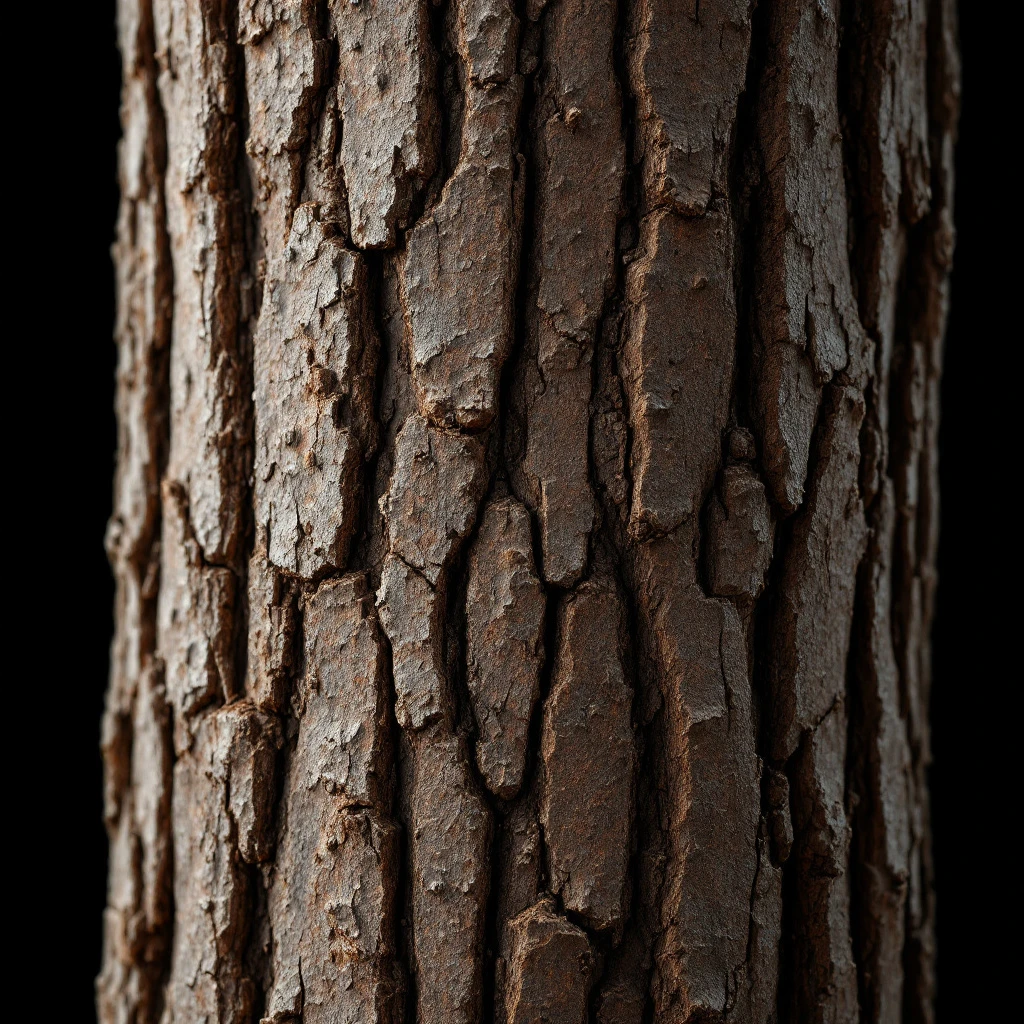
Harvested from the towering ponderosa pine of western North America, this bark releases a rare vanilla-kissed warmth beneath its rugged, scale-textured surface. Ancient peoples treasured it. Modern perfumers covet it.
Character
How it smells
Vanilla warmth from the high country
Terpenes in the bark create its distinctive vanilla scent, a smell so beloved that visitors to ponderosa forests report pressing their noses directly to the trunks.



Origin
United States
Indigenous peoples of western North American mountain ranges used ponderosa pine bark for centuries. Medicine bundles contained it for respiratory ailments and ceremonial purposes.
Early European settlers adopted these practices, learning from Native communities how to harvest and prepare the bark. The distinctive vanilla fragrance became synonymous with the American frontier, as recognizable as the tree's towering silhouette against mountain ridges.
By the early 20th century, the aromatherapy movement brought wider attention to ponderosa bark's aromatic properties, cementing its place in perfumery's lexicon of natural materials. Today, sustainable harvesting protocols honor both the material's indigenous heritage and modern ecological concerns.
Wears it best
Fragrances featuring Ponderosa Pine Bark
Brands
Brands known for Ponderosa Pine Bark
Good to know
Questions, answered
The essentials on Ponderosa Pine Bark in perfumery: how it smells, where it comes from, and how it behaves on skin.
What does ponderosa pine bark smell like?
Ponderosa pine bark carries a distinctive vanilla scent backed by dry, resinous wood. Terpenes in the bark create this rare combination. The vanilla note reads as warmer and sweeter than typical conifer extracts.
Is ponderosa pine bark sustainably harvested?
Yes, sustainable practices allow bark collection without killing trees. The thick bark regenerates over seasons. Selective peeling from mature trees ensures long-term viability of the supply.
How does ponderosa bark differ from pine needle oil?
Pine needle oil comes from foliage and carries sharper, more citrus-like top notes. Ponderosa bark oil offers deeper vanilla warmth and a richer resinous base. The two create different olfactory effects in composition.
What fragrance families use ponderosa pine bark?
Woody and fougère families incorporate this note most often. It functions well as a base note in masculine and unisex compositions. Its vanilla character bridges wood and oriental categories.
Where does commercial ponderosa pine grow?
The species Pinus ponderosa dominates western North American forests. Native stands stretch from British Columbia to Mexico, with primary harvest regions in the Rocky Mountains and Sierra Nevada ranges.
Does heat processing affect the scent quality?
Excessive heat degrades the delicate vanilla-scented compounds. Controlled steam distillation at lower temperatures preserves the full aromatic profile. Temperature management directly impacts final scent quality.
Can ponderosa bark be combined with other conifer notes?
It pairs naturally with cedar, fir, and spruce materials. The vanilla warmth softens sharper conifer edges. It also complements amber and vanilla bases for richer oriental effects.
What historical uses did indigenous peoples make of this bark?
Indigenous communities used it in medicine bundles for respiratory support. Ceremonial applications included smudging and spiritual preparations. These traditional uses predated written records by centuries.