Pomelo Zest
Pomelo zest delivers a fresh, juicy citrus aroma with subtle sweetness and a clean, barely bitter finish. This large citrus fruit (Citrus maxima) provides perfumers with a balanced top note that avoids the sharpness of lemon or the saccharine edge of orange, adding transparent brightness to fragrance compositions from first spray.

Character
How it smells
The gentle giant of citrus, bright and balanced, never bitter.
Pomelo is a genetic ancestor of grapefruit, which is actually a hybrid of pomelo and sweet orange.









Origin
Thailand
Pomelo holds the distinction of being the largest member of the citrus family, botanically classified as Citrus maxima and native to Southeast Asia, where it has grown for centuries across warm, humid landscapes. Unlike many citrus fruits that gained prominence through trade, pomelo remained closely tied to regional traditions, particularly in China, where the fruit has long symbolized prosperity and family unity. During Lunar New Year celebrations, pomelos are offered to ancestors and given as gifts carrying wishes for good fortune, a cultural significance that elevated the fruit beyond mere food to an object of ritual importance.
The scientific story of pomelo deepened understanding of its broader citrus lineage. Botanists recognized that pomelo serves as a non-hybrid ancestor to several key citrus fruits, including sweet orange, which emerged from a cross between pomelo and mandarin, and grapefruit, which arose from a hybrid of pomelo and sweet orange. This genetic position means that in a sense, pomelo contains the aromatic blueprint for many of the citrus notes perfumers have relied upon for generations. By the late twentieth century, as natural perfumery expanded and consumer interest shifted toward cleaner, more transparent fragrance profiles, pomelo oil found renewed appreciation for offering character and complexity that lemon and orange alone could not provide.
Wears it best
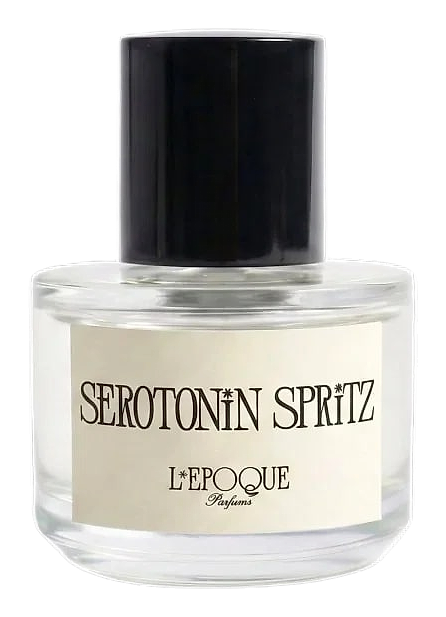
Fragrances featuring Pomelo Zest


Brands
Brands known for Pomelo Zest
Good to know
Questions, answered
The essentials on Pomelo Zest in perfumery: how it smells, where it comes from, and how it behaves on skin.
What does Pomelo zest smell like in perfume?
Pomelo zest smells fresh, juicy, and slightly sweet with a clean, barely bitter finish. It strikes a balance between sugary and sharp, offering transparent citrus brightness without the intensity of lemon or the heavy sweetness of orange. The scent is often described as quietly cheerful and uplifting.
Why is Pomelo zest used in perfumery?
Pomelo zest gives perfumers a refined citrus option that avoids extremes. Unlike lemon or grapefruit, which can skew sharp or bitter, pomelo offers balanced sweetness with clean transparency. It energizes the top of a fragrance composition and adds an approachable brightness that works across seasons.
Is Pomelo zest in perfume natural or synthetic?
Natural pomelo zest is typically obtained through cold expression of the fruit's rind. Nature-identical synthetic versions also exist and are used when cost, supply consistency, or allergen considerations make them preferable. High-end niche fragrances more frequently feature natural pomelo oil.
What famous perfumes contain Pomelo zest?
Guerlain Aqua Allegoria Pamplelune features pomelo paired with vanilla and patchouli for a fresh-yet-luxurious effect. The fragrance showcases how pomelo's brightness can anchor a composition without overwhelming subtler base notes.
Is Pomelo zest a top note, heart note, or base note?
Pomelo zest functions almost exclusively as a top note. As a volatile citrus oil, it evaporates within the first thirty minutes on skin or blotter. In heavier fragrance bases, its presence may be fleeting, which is why perfumers pair it with complementary citrus or floral heart notes to extend freshness.
What notes pair well with Pomelo zest in perfume?
Pomelo zest harmonizes naturally with other citrus oils such as bergamot, yuzu, and grapefruit. It also pairs beautifully with white florals like neroli and jasmine, which soften its brightness. For contrast, marine notes, light woods, and amber add depth without dulling its cheerful character.
How is Pomelo zest extracted?
Pomelo zest is primarily extracted via cold expression of the fruit's thick rind. This mechanical pressing method avoids heat, preserving the oil's fresh, zesty integrity. Steam distillation is a secondary method that produces a softer citrus aroma, used when a more rounded note is desired in a composition.
Is Pomelo zest used in men's or women's fragrances?
Pomelo zest is fully unisex and appears across men's, women's, and gender-neutral fragrances. Its balanced sweetness and clean character make it equally suitable for fresh masculine colognes and bright feminine florals. It is especially prevalent in unisex and gender-neutral releases that emphasize transparency and naturalness.