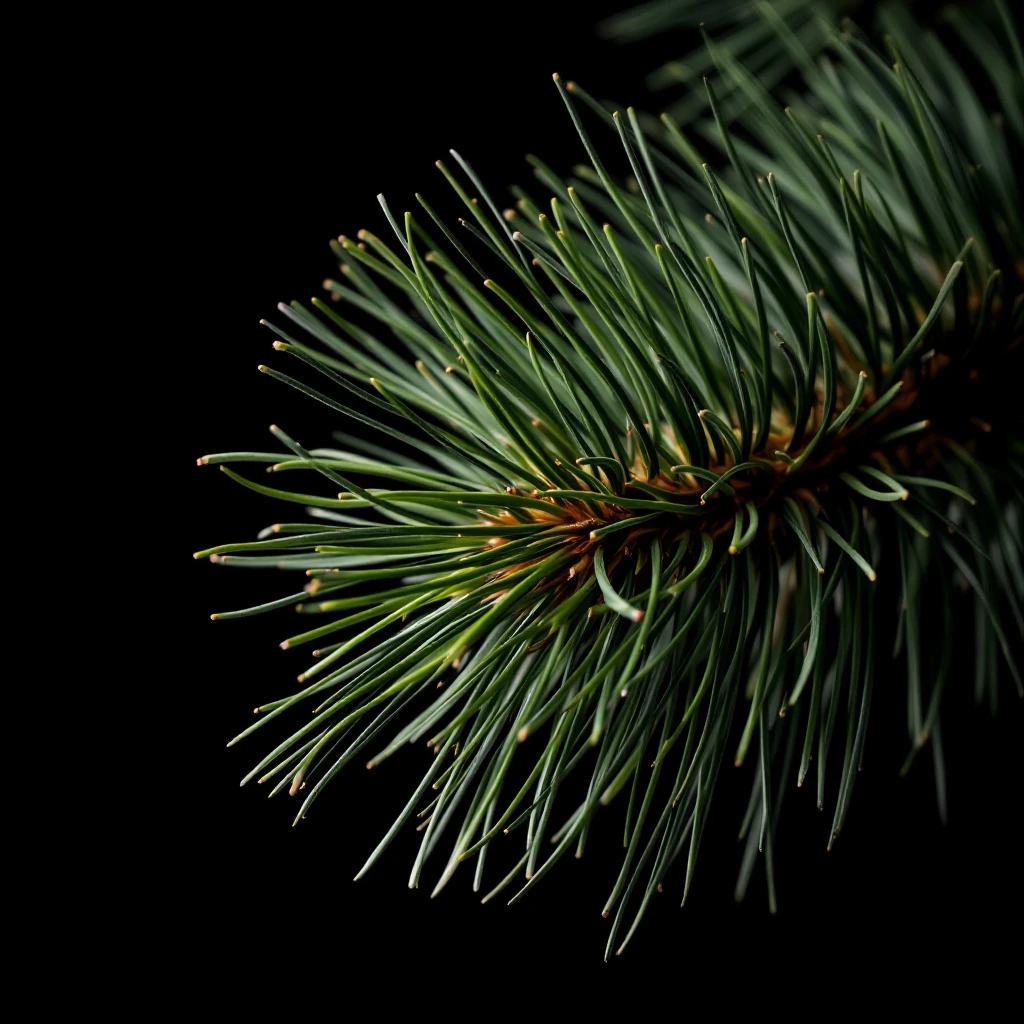
Conifer Needle
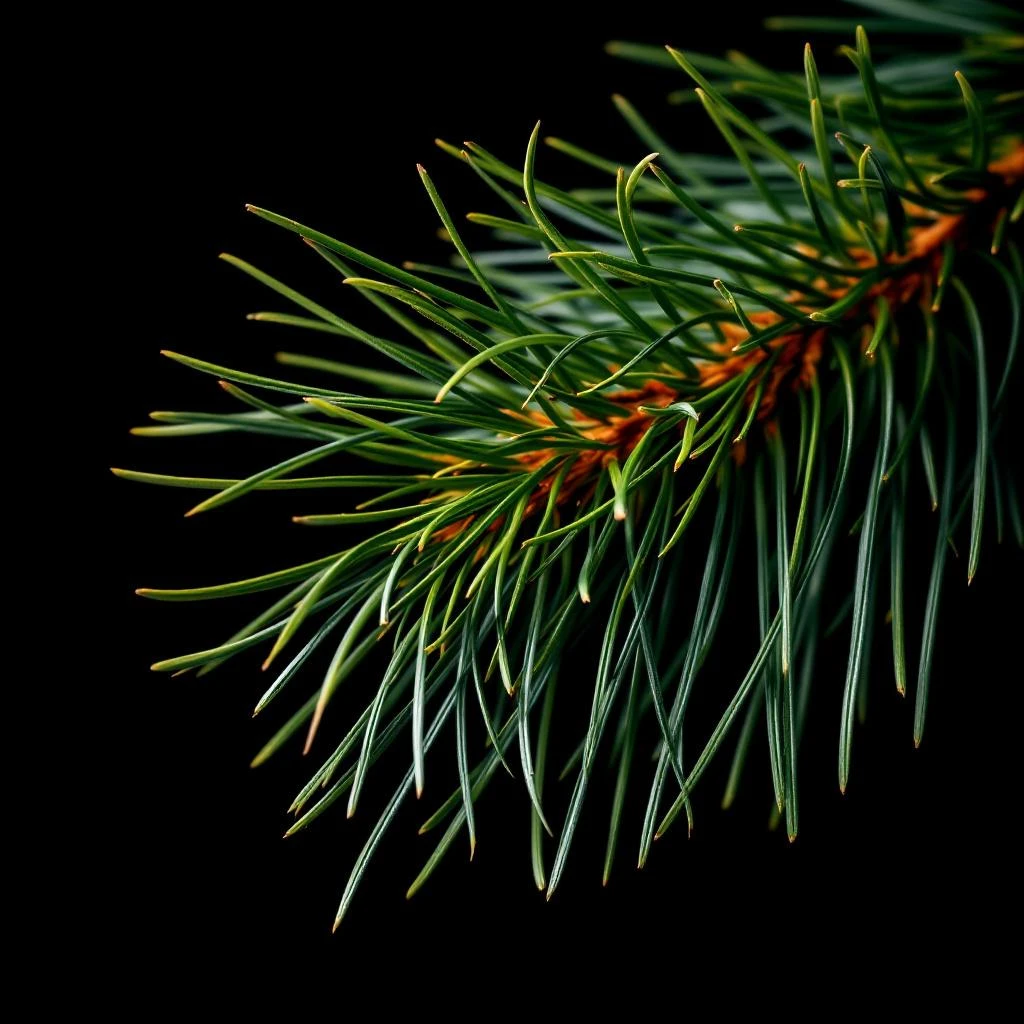
Conifer needle captures the crisp, elevated air of boreal forests—fresh, resinous, and unmistakably woody. This material brings outdoor clarity into fragrance, grounding compositions with its aromatic bite and evergreen soul.
Character
How it smells
The crisp bite of boreal air, bottled.
A single pine tree can yield up to 15 liters of essential oil per hectare annually, making it one of the most abundant natural fragrance materials available.



Origin
Russia
Conifer needles rank among the oldest botanical materials used in fragrance. Ancient Egyptians and Mesopotamian cultures burned conifer resins as incense, believing the smoke carried prayers skyward.
By the Middle Ages, European monks cultivated pine and fir forests specifically for their aromatic needles, distilling them into medicinal waters and early perfumes. The industrial extraction of conifer needle oil began in earnest during the 18th century in Scandinavia and Russia, where vast boreal forests made large-scale steam distillation economically viable.
The conifer fragrance tradition intensified in the 20th century as outdoor-themed perfumes grew popular, with classic compositions drawing on needle oils to evoke forests, mountains, and untamed nature. Today, conifer needle remains a staple of fresh and woody fragrance families worldwide.
Wears it best
Fragrances featuring Conifer Needle
Brands
Brands known for Conifer Needle
Good to know
Questions, answered
The essentials on Conifer Needle in perfumery: how it smells, where it comes from, and how it behaves on skin.
What does conifer needle smell like in perfume?
Conifer needle smells fresh, resinous, and woody with a sharp, evergreen character. It recalls the crisp air of pine and fir forests, bringing outdoor clarity and aromatic intensity to fragrance compositions.
Which conifer species are most commonly used in perfumery?
Pinus sylvestris (Scots pine) and various Abies (fir) species are the primary sources. Each species yields slightly different aromatic profiles, with pine offering sharper, turpentine-like notes and fir providing softer, more citrusy undertones.
How is conifer needle oil extracted?
Steam distillation is the standard method. Fresh needles are placed in a distillation chamber where pressurized steam passes through, releasing essential oils that are then condensed and collected. The process preserves delicate aromatic compounds including alpha-pinene and limonene.
Is conifer needle oil natural or synthetic?
Conifer needle oil used in perfumery is predominantly natural, extracted from pine and fir foliage via steam distillation. Synthetic alternatives exist, but natural versions retain a complexity that laboratories struggle to replicate fully.
What fragrance families use conifer needle?
Conifer needle appears most often in fresh, woody, and fougère compositions. It anchors outdoor-themed fragrances, adds evergreen depth to masculine scents, and provides aromatic structure in unisex and even some feminine perfumes.
Does conifer needle oil contain allergens?
Like most essential oils, conifer needle oil contains naturally occurring compounds such as limonene and linalool that appear on allergen declaration lists. Regulatory thresholds apply depending on product type and concentration.
Can conifer needle oil be used in skincare?
Conifer needle oil is used in some skincare and aromatherapy products for its clarifying, invigorating properties. It must be properly diluted in a carrier medium and should never be applied undiluted to the skin.
What countries produce the most conifer needle oil?
Russia, Finland, Sweden, Austria, and Canada are leading producers. Boreal and mountainous regions with extensive pine and fir forests provide the raw material, with Russia being the largest global supplier historically.