Pomegranate Seed
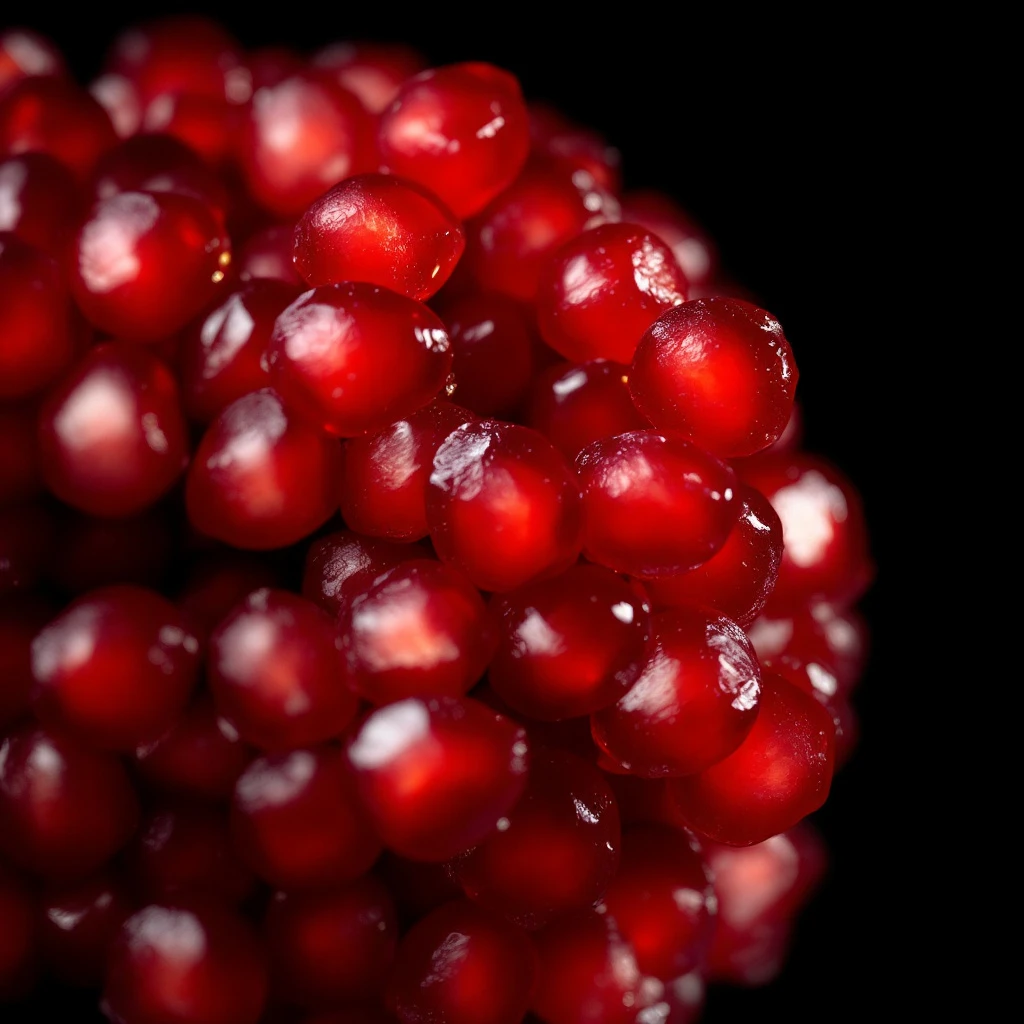
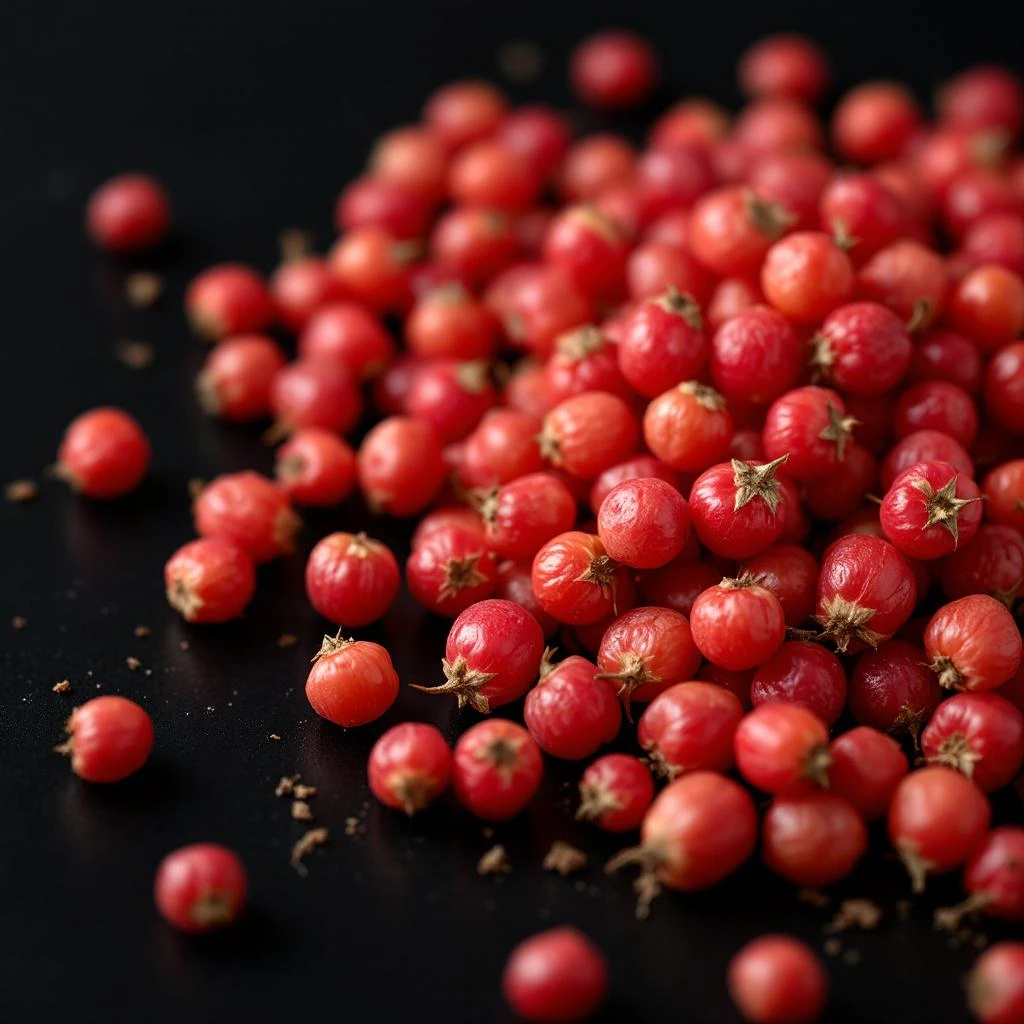
The pomegranate seed delivers a bright, tart freshness that captures the moment you bite into ripe fruit. Its crisp, fruity character brings energy and contrast to fragrance compositions.
Character
How it smells
Bracing tartness from ancient groves
Ancient Persians considered the pomegranate a symbol of eternity, burying the fruit with royalty to ensure prosperity in the afterlife.






Origin
Iran
Pomegranate holds one of the oldest documented histories among cultivated fruits. Ancient Iranians first domesticated the pomegranate in the Iranian plateau roughly 5,000 years ago, making it among humanity's earliest agricultural successes. From Persia, the fruit traveled along ancient trade routes to India, the Mediterranean, and beyond.
Ancient Egyptians incorporated pomegranate imagery extensively in tomb art, believing the fruit possessed protective qualities for the afterlife. Greek mythology ties the pomegranate to Persephone, connecting it to cycles of renewal and eternal life. The fruit appears repeatedly in religious texts including the Bible and Quran, reinforcing its sacred status across civilizations.
For perfumery, pomegranate seed absolute emerged as extraction techniques advanced, allowing perfumers to capture the bright, tart character that had been celebrated in art and mythology for millennia but remained inaccessible to fragrance creation until recently. Today, Iran and India together produce over sixty percent of the world's pomegranate crop, continuing a tradition that began in ancient Persian gardens.
Wears it best
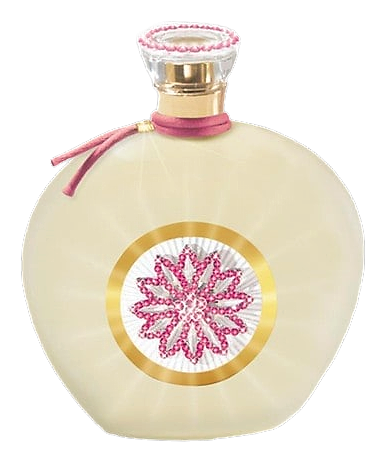
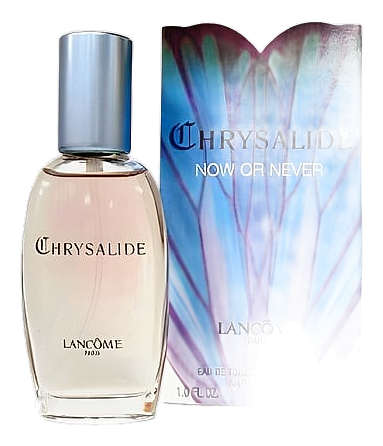
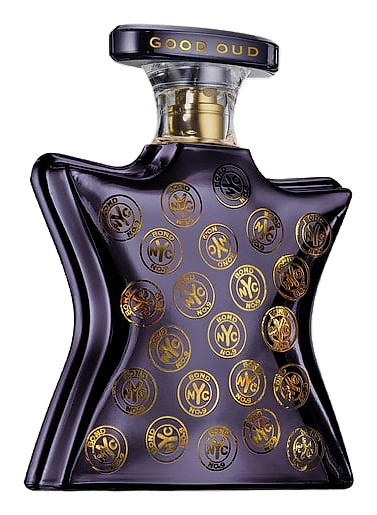
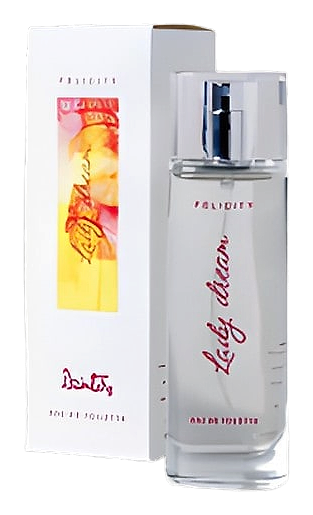
Fragrances featuring Pomegranate Seed

Brands
Brands known for Pomegranate Seed
Good to know
Questions, answered
The essentials on Pomegranate Seed in perfumery: how it smells, where it comes from, and how it behaves on skin.
What does pomegranate seed smell like in perfumery?
Pomegranate seed absolute has a bright, tart, and fruity scent that closely mimics the sensation of biting into ripe fruit. It offers crisp sweetness balanced by pleasant sourness, with subtle green undertones that add freshness and energy to fragrance compositions.
Is pomegranate seed natural or synthetic in fragrances?
Pomegranate seed absolute is typically natural, extracted from seeds using solvents. While synthetic reproductions exist, natural absolutes remain preferred in fine perfumery for their complexity and authenticity.
What type of fragrance uses pomegranate seed?
Pomegranate seed works as a top to heart note in feminine, fruity, and fresh fragrance families. It provides an immediate juicy impression and pairs well with florals, making it popular in modern women's perfumes.
How long does pomegranate seed last in a fragrance?
Pomegranate seed functions as a relatively fleeting top note. Its presence is most notable in the opening stages of wear, typically lasting thirty to sixty minutes before softer base notes become more prominent.
Which fragrances feature pomegranate seed?
Pomegranate seed appears in numerous contemporary perfumes including Dior Addict, Givenchy Ange ou Demon, Chloe Eau de Parfum, and Kilian Good Girl Gone Bad, among others.
What ingredients pair well with pomegranate seed?
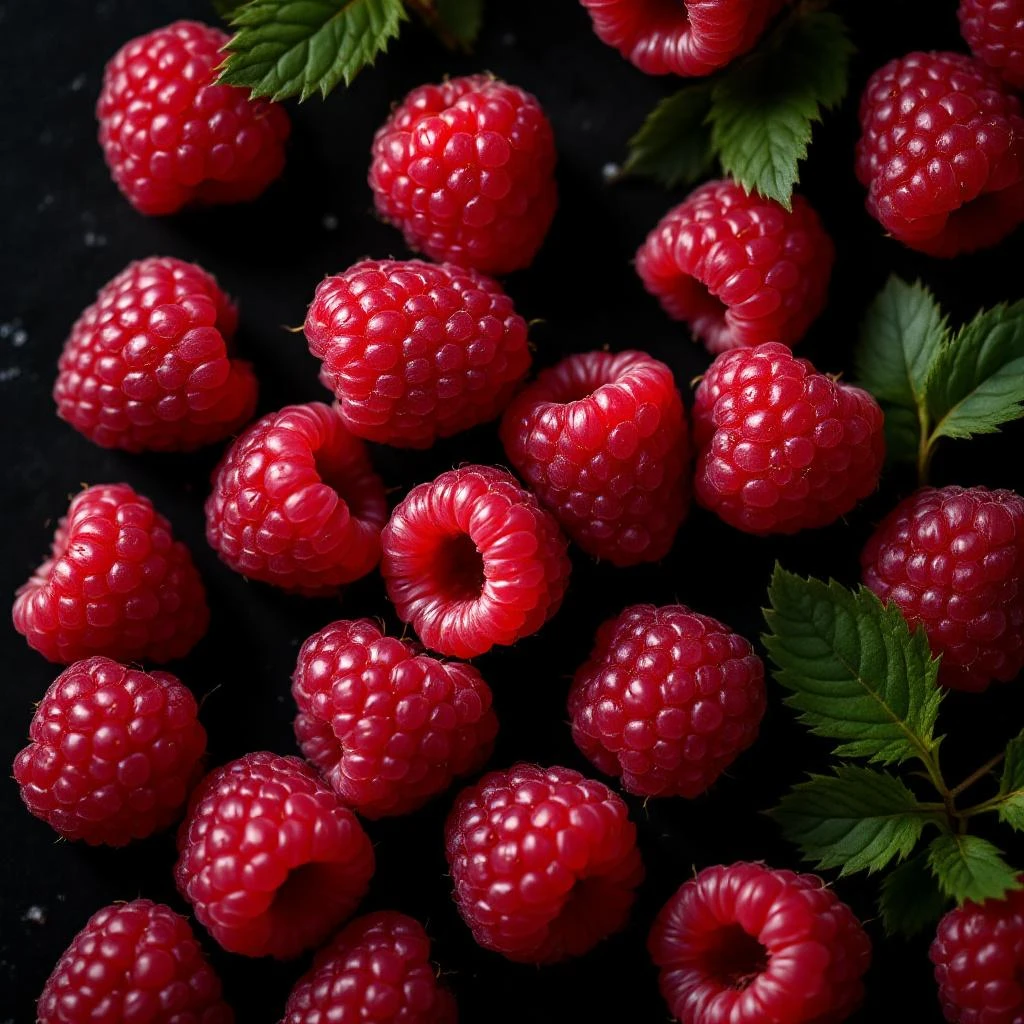
Pomegranate seed combines effectively with rose, peony, raspberry, blackcurrant, musk, and sandalwood. These pairings create bright, modern compositions with lasting appeal.
Where does the best pomegranate for perfumery come from?
Iran and India lead global pomegranate production, accounting for over sixty percent of the world's supply. Both regions produce high-quality fruit suitable for extraction, with Iran holding historical significance as the plant's birthplace.
When did pomegranate enter perfumery?
Pomegranate has been cultivated for five thousand years but only became available to perfumery with advances in extraction technology. Its use in fragrance became common in the late twentieth century as solvent extraction techniques improved.