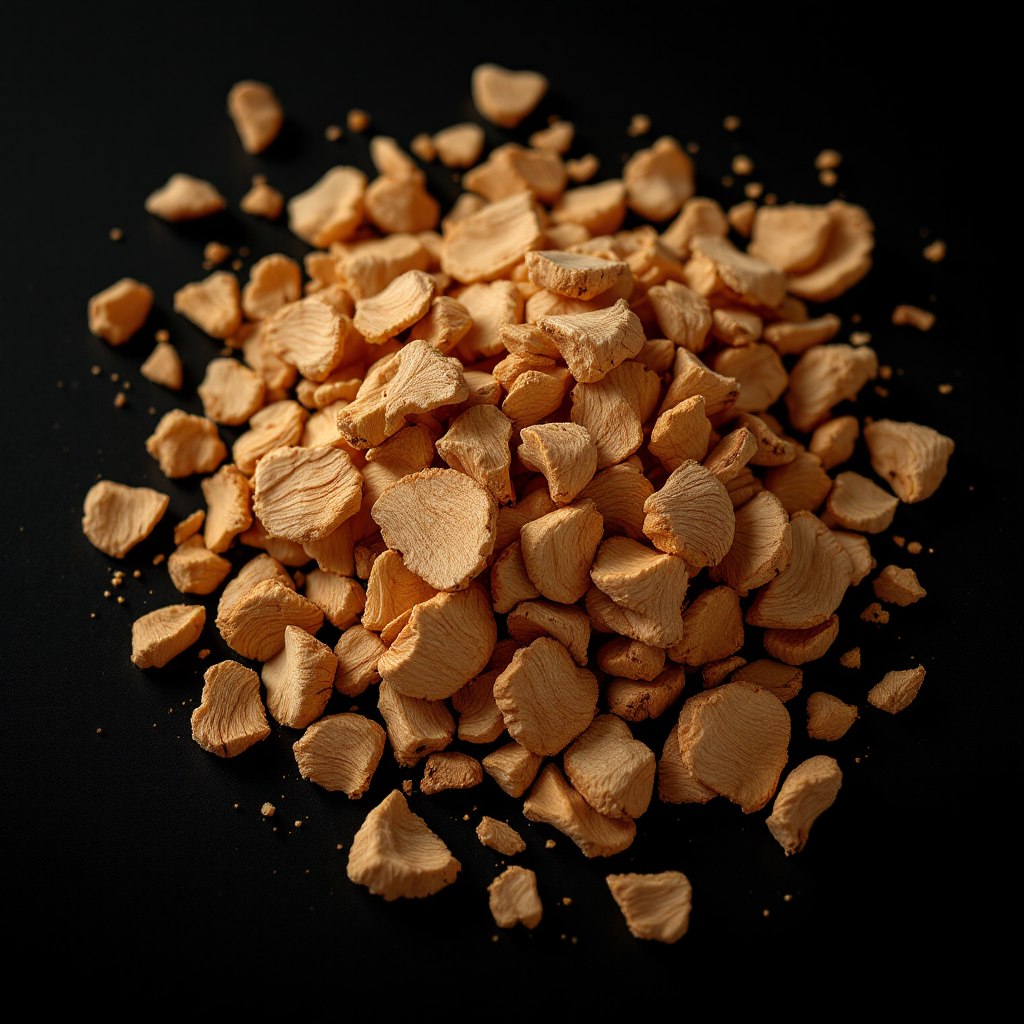
Polished Wood
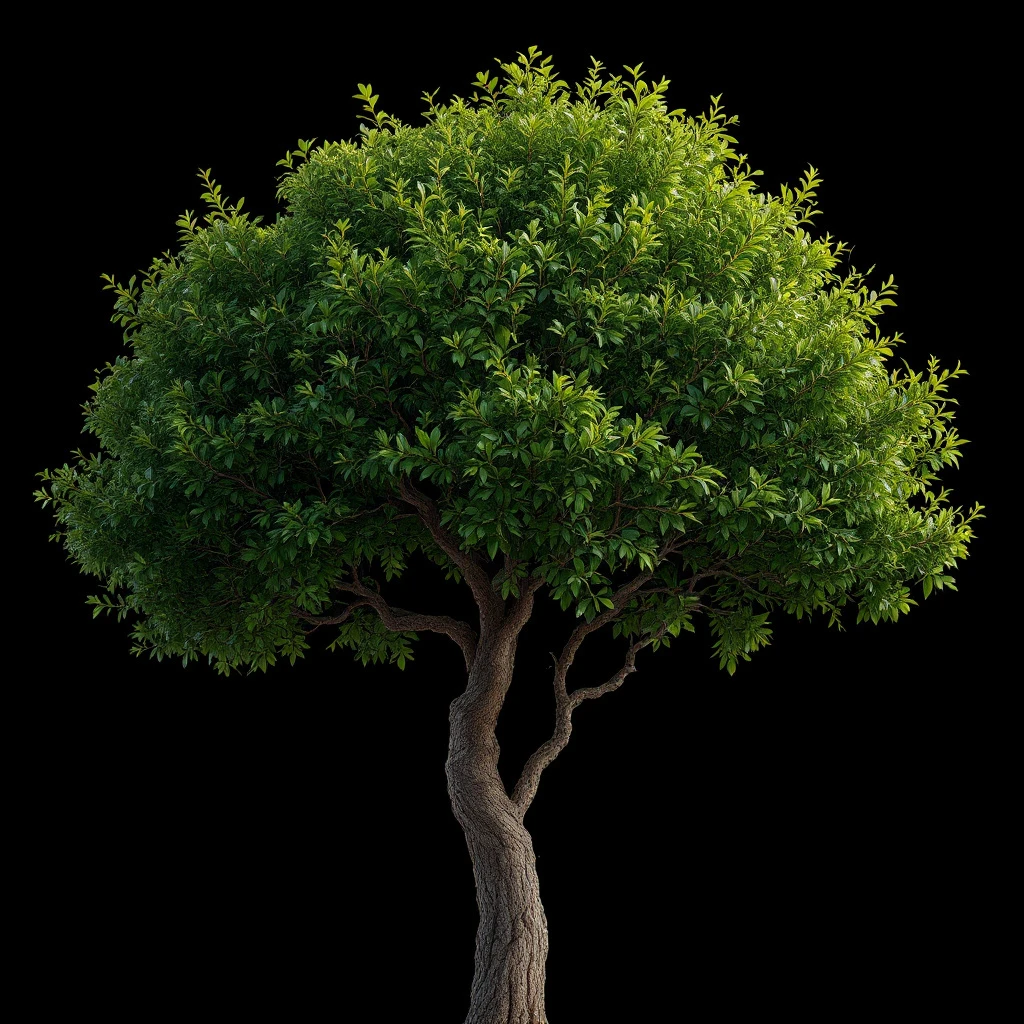
A warm, refined scent that captures the intimate smell of waxed hardwood and fine furniture. Polished wood evokes sunlit libraries, antique desks, and treasured surfaces that invite touch.
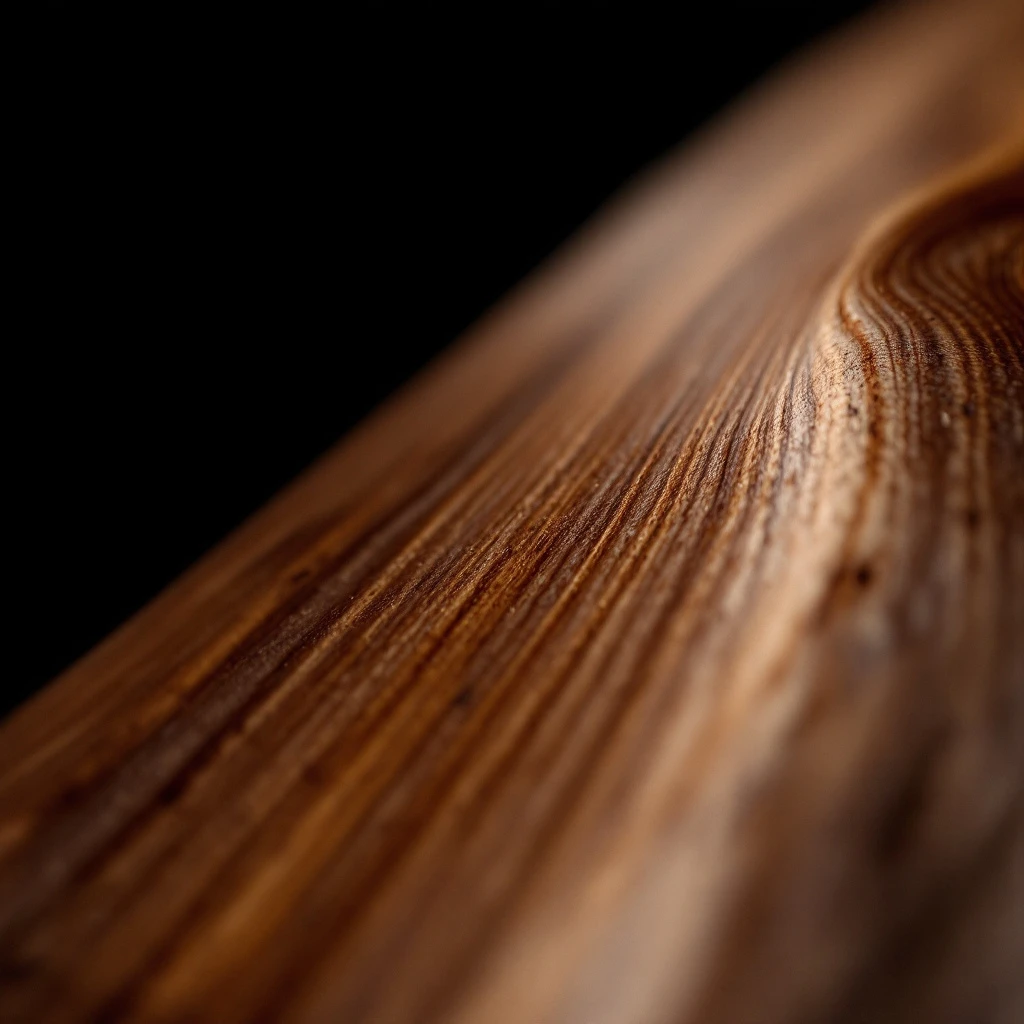
Character
How it smells
The quiet elegance of well-loved wood.
The polished wood accord typically combines over a dozen materials including multiple woody bases, ambery molecules, and smooth synthetics to perfectly replicate the feeling of a finished surface.





Origin
Global
The connection between polished wood and luxury dates to ancient Egypt, where craftsmen developed sophisticated finishing techniques using beeswax and fragrant oils. Their furniture released subtle fragrance when touched, making finished wood a sensory marker of wealth.
Medieval European artisans refined these practices, and by the Renaissance, the scent of polished wood had become inseparable from education, refinement, and intellectual pursuit. Libraries paneled in mahogany, studies lined with cedar, writing desks finished in hand-rubbed oils—these became olfactory symbols of prosperity and learning.
Perfumers began recreating this specific scent in the early 20th century as interest in lifestyle fragrances and atmospheric accords grew. Today, polished wood remains one of the most recognizable notes in both fine fragrance and home scent, a direct link to centuries of craftsmanship and the human desire to surround ourselves with beautiful, fragrant materials.
Wears it best
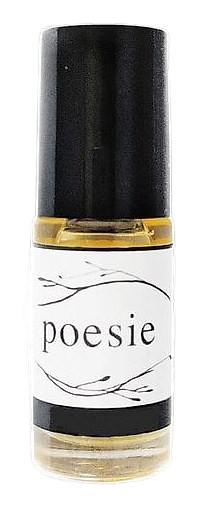
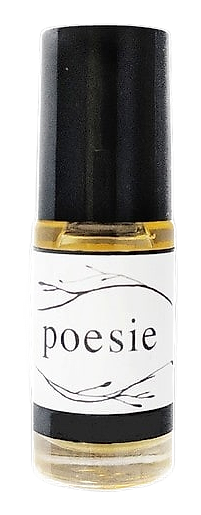
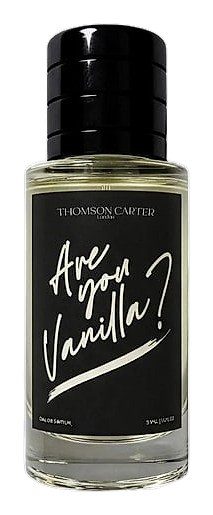
Fragrances featuring Polished Wood

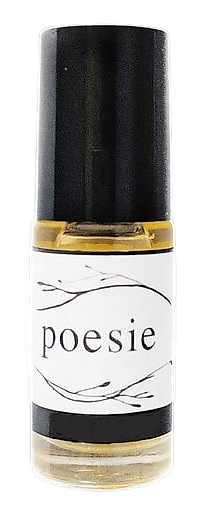
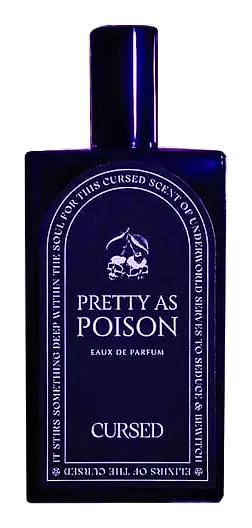
Brands
Brands known for Polished Wood
Good to know
Questions, answered
The essentials on Polished Wood in perfumery: how it smells, where it comes from, and how it behaves on skin.
What is polished wood in perfumery?
Polished wood is a constructed fragrance accord that recreates the warm, smooth scent of finished wood surfaces. It combines multiple woody materials with ambery and waxy-smelling compounds to capture the sensation of waxed hardwood or fine furniture.
How do perfumers create the polished wood note?
Perfumers blend several woody ingredients—typically sandalwood, cedar, and vetiver—with molecules like amberwood, ISO E Super, and norlimbanol. These materials together produce the clean, rich, slightly waxy character of a finished wood surface.
Why is polished wood so common in modern fragrances?
Polished wood occupies a specific olfactory space that feels both warm and refined. It evokes luxury and craftsmanship without being heavy, making it versatile enough for both men's and women's fragrances across casual and formal contexts.
Is polished wood a natural or synthetic ingredient?
It's neither purely natural nor purely synthetic. Polished wood is an accord—a blend combining natural woody materials like sandalwood and cedar with synthetic molecules that provide the smooth, waxy finish characteristic of the note.
How does polished wood differ from raw wood notes?
Raw wood notes smell like freshly cut or stripped timber—dry, sometimes sharp, and slightly green. Polished wood evokes wood that has been treated, waxed, and buffed, adding warmth, smoothness, and a subtle sheen to the fragrance profile.
What fragrances are known for polished wood accords?
Many designer and niche fragrances feature polished wood as a prominent note. It appears frequently in woody ambers and chypres, often described on fragrance labels simply as 'wood' or as part of a 'sandalwood' or 'cedar' accord.
What notes pair well with polished wood?
Polished wood pairs naturally with other warm materials—amber, vanilla, and labdanum. It also works well with brighter top notes like bergamot and cardamom, which highlight the wood's refined quality.
Can polished wood appear in both men's and women's fragrances?
Yes. Polished wood is gender-neutral by nature, occupying the middle ground between masculine and feminine. Its warmth and refinement work equally well in fragrances marketed to any demographic.