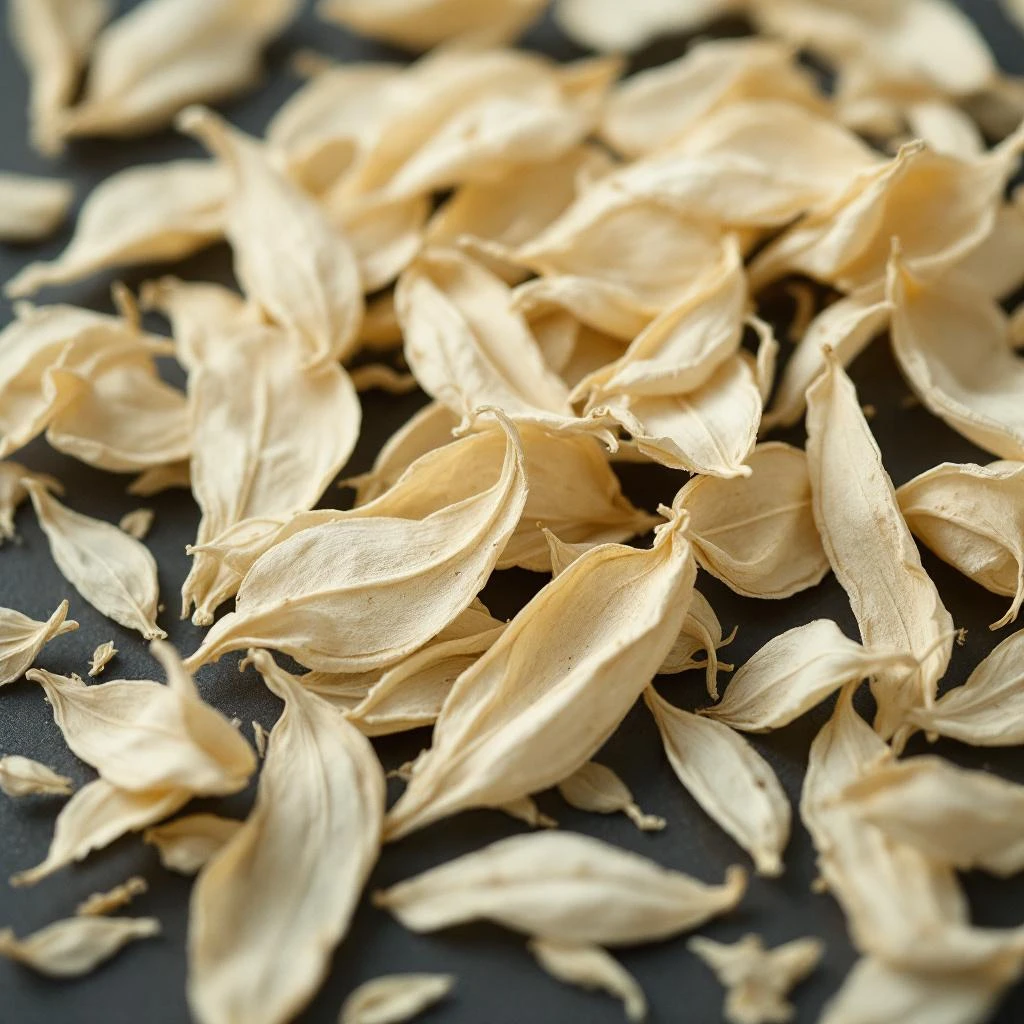
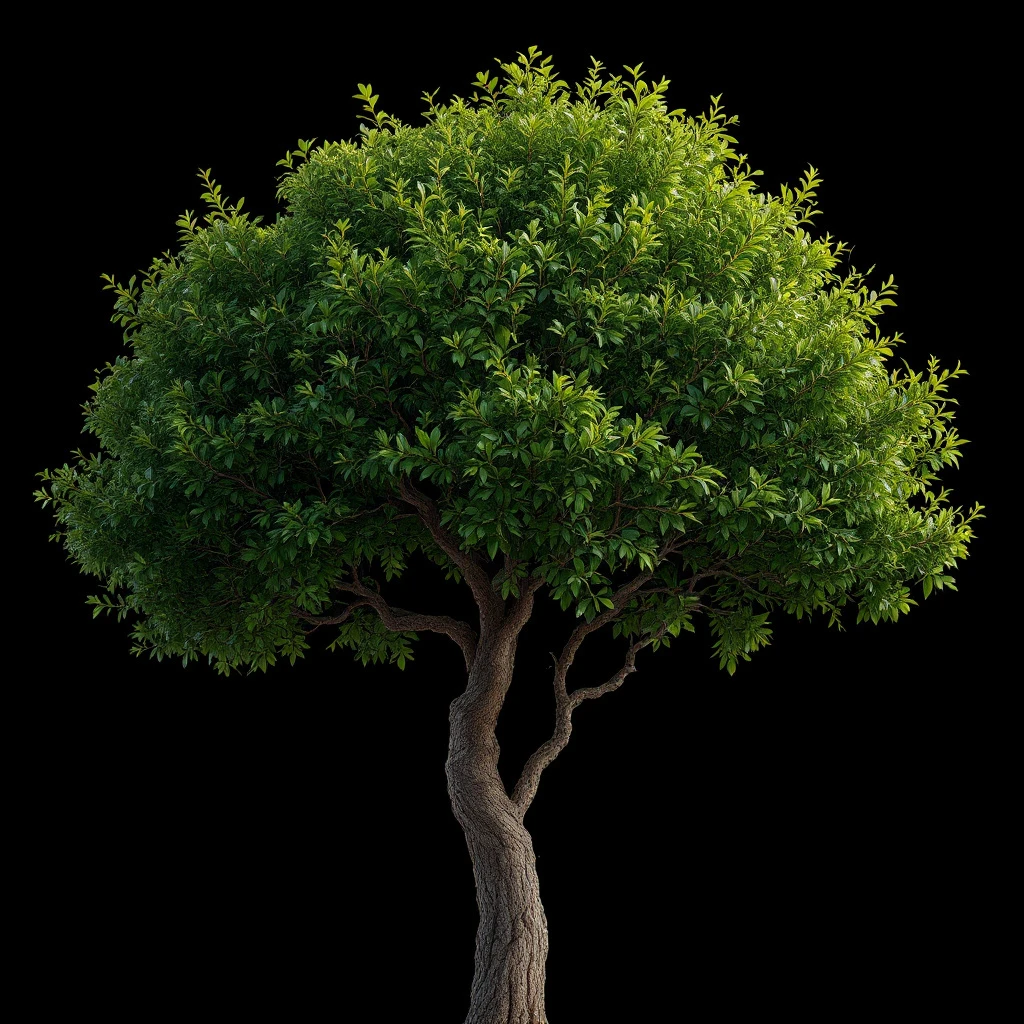
Terebinth Tree
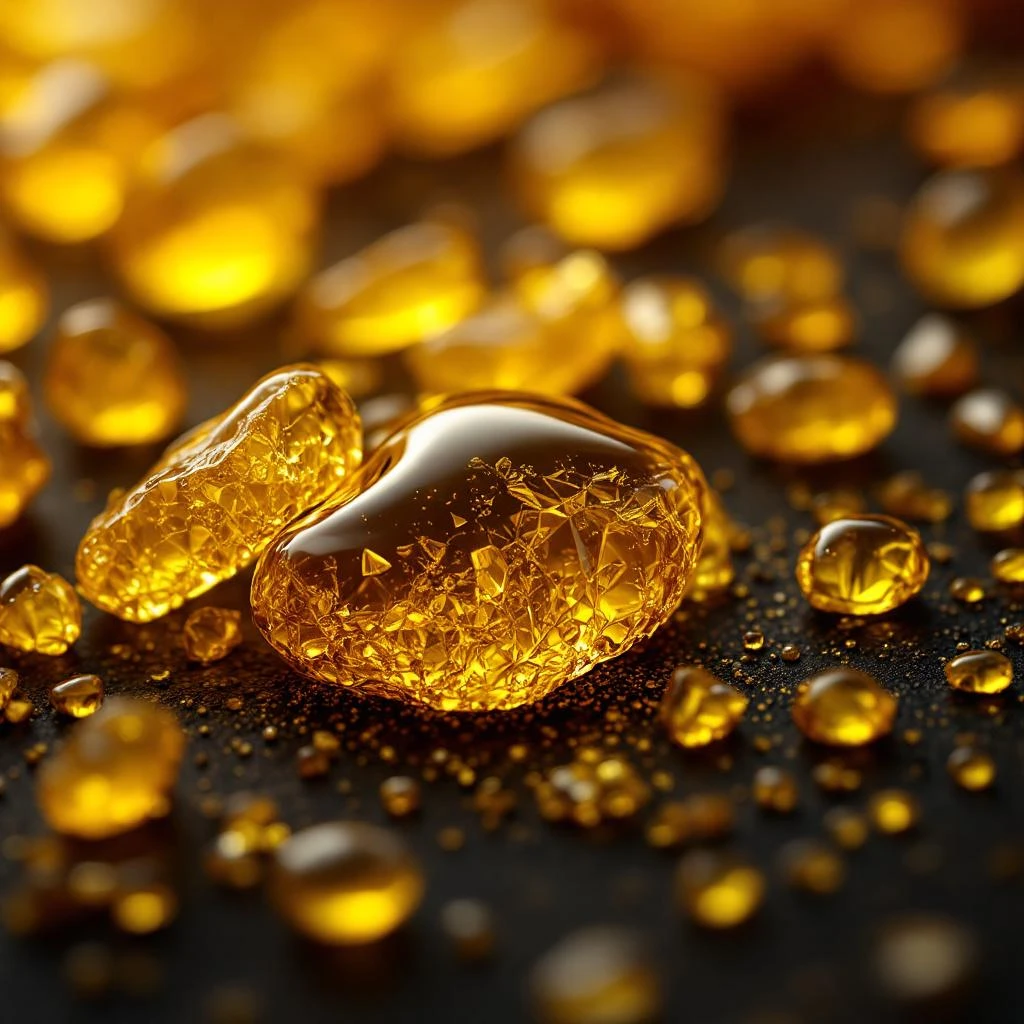
The terebinth tree yields one of the Mediterranean’s oldest aromatic resins, a storied ingredient that shaped ancient perfumery. Its warm, balsamic scent bridges past and present, offering depth that synthetic alternatives struggle to replicate.
Character
How it smells
Ancient Mediterranean resin with warm, balsamic character.
Ancient Greek athletes rubbed terebinth resin on their bodies before competitions, believing it enhanced performance and conveyed protection to the gods.


Origin
Turkey
The terebinth tree has shaped Mediterranean perfumery and culture for over 3,000 years. Ancient Greek texts describe perfumers using terebinth resin to create unguents and scented oils, while Roman physicians documented its medicinal applications.
The resin appeared prominently in Kyphi, the sacred Egyptian incense that temples used for religious ceremonies. Greek mythology connected the tree to the god of healing, reinforcing its reputation for restorative properties.
Medieval apothecaries across the Levant prized terebinth resin alongside frankincense and myrrh as essential aromatic materials. Trade routes carried the ingredient throughout the ancient world, establishing it as a cornerstone of early perfumery traditions that eventually influenced modern fragrance development.
Wears it best
Fragrances featuring Terebinth Tree

Brands
Brands known for Terebinth Tree
Good to know
Questions, answered
The essentials on Terebinth Tree in perfumery: how it smells, where it comes from, and how it behaves on skin.
What does terebinth resin smell like?
Terebinth resin carries a warm, balsamic character with notes of pine and rosin. It combines earthy depth with a subtle sweet quality that reminds some people of ancient libraries and aged wood. The scent evolves significantly when exposed to air during curing.
Is terebinth the same as turpentine?
Terebinth resin produces what ancient texts called "true turpentine," distinct from modern wood turpentine. Industrial turpentine typically comes from pine trees and undergoes heavy processing. Chian turpentine, derived from Pistacia terebinthus, retains a refined, aromatic quality suitable for perfumery.
Which fragrance families use terebinth resin?
Perfumers incorporate terebinth resin primarily in oriental and woody compositions. It functions as a base note that adds depth and longevity to fragrances. The ingredient appears most often in perfumes designed around resinous, smoky, or aromatic wood themes.
Does terebinth cause skin reactions?
Terebinth resin contains allergens including turpentine-specific compounds that can trigger contact dermatitis in sensitive individuals. IFRA guidelines regulate its concentration in consumer products. Those with tree resin allergies should exercise caution when using products containing this material.
How long has terebinth been used in perfumery?
Archeological evidence places terebinth resin in use by 700 BCE in ancient Greek perfumery. Written records from Dioscorides and Pliny the Elder document its applications around 50 CE. The ingredient remained common in European perfumery through the 19th century before synthetic alternatives emerged.
What regions produce the best quality terebinth resin?
The Aegean coastal regions of Turkey and the Greek island of Chios produce the most prized terebinth resin. These areas offer the specific Mediterranean climate and soil conditions that stress the trees appropriately, encouraging them to produce higher concentrations of aromatic compounds in their resin.
Can terebinth be synthetically reproduced?
Chemists have synthesized some terebinth components like alpha-pinene and beta-pinene, but the complete aromatic profile resists perfect replication. The subtle interplay of minor compounds in natural resin creates complexity that laboratory reproduction captures only partially.
What role did terebinth play in ancient perfumery?
Ancient perfumers treated terebinth as a fixative and base note in complex compositions. They combined it with citrus oils, herbs, and other resins to create unguents used for personal grooming, religious offerings, and medicinal preparations. Its fixative properties helped expensive perfumes last longer.