Plum Cream
Plum Cream is a gourmand accord built almost entirely in the laboratory, since the fruit's delicate aroma cannot survive traditional extraction. Expect a syrupy, jammy sweetness with lactonic softness.
Character
How it smells
Jammy, milky, and impossible to bottle straight from the tree.
White plum's natural aroma traces largely to three molecules: benzaldehyde, benzyl acetate, and benzyl alcohol, the same building blocks that give bitter almond and jasmine their character.
Pairs beautifully with


Origin
Global (synthetic origin)
Plum motifs entered modern perfumery only after synthetic chemistry matured in the late 19th century, when Paris-based houses began assembling fruit accords from newly isolated aldehydes and esters. Before that, plum existed in fragrance only as an indirect impression: prunus oils from related blossoms, or the bitter-almond character of benzaldehyde first isolated in 1832. The shift accelerated when firms like Givaudan and IFF developed dedicated fruity bases during the 1950s and 60s, allowing perfumers to capture plum without natural raw materials.
The cream variant emerged alongside the gourmand movement of the 1990s, when Thierry Mugler Angel demonstrated that edible-seeming notes, milk, caramel, and stone fruit, could anchor a serious composition. Plum cream now appears in dozens of niche and commercial launches, a testament to how thoroughly synthetic molecules have replaced the orchard.
Wears it best
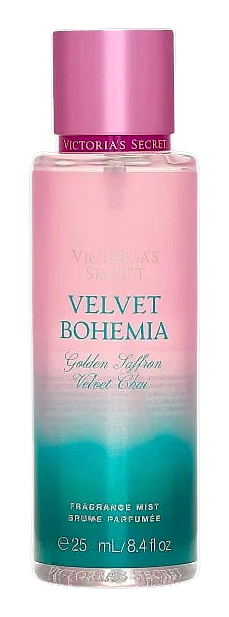
Fragrances featuring Plum Cream
Brands
Brands known for Plum Cream
Good to know
Questions, answered
The essentials on Plum Cream in perfumery: how it smells, where it comes from, and how it behaves on skin.
What does plum cream smell like in perfumery?
Plum cream is a gourmand accord blending jammy fruit sweetness with milky, lactonic softness. It smells syrupy and rounded, more dessert than fresh fruit, and typically carries a subtle marzipan undertone from shared molecular building blocks.
Is plum cream made from real plums?
No. Plums contain too much water and too little volatile oil for traditional extraction. Perfumery versions are constructed entirely from synthetic molecules such as ethyl 2-methylbutyrate and gamma-decalactone.
What molecules create the plum cream scent?
Research on white plum identified benzaldehyde, benzyl acetate, and benzyl alcohol as its primary odorants. Lactones like gamma-decalactone add the cream dimension, while fruity esters supply the ripe-skin impression.
When did plum notes first appear in perfume?
Plum became a viable perfume note only after synthetic aroma chemicals expanded in the late 19th and 20th centuries. The creamy variant emerged alongside 1990s gourmand compositions that treated edible notes as serious materials.
What fragrance families use plum cream?
Plum cream sits primarily in the gourmand family, frequently paired with vanilla, caramel, and amber bases. It also appears in oriental and fruity-floral structures, where its jammy sweetness softens resinous or powdery elements.
How long does plum cream last on skin?
Longevity depends on formulation, but the lactones and vanillin derivatives typical of plum cream are moderately tenacious, usually persisting 4 to 6 hours in eau de parfum concentrations. Layering with musk extends wear further.
Is plum cream safe for sensitive skin?
Since plum cream is synthetic, it avoids the phototoxic compounds found in some citrus materials. However, individual molecules like benzyl alcohol can irritate reactive skin, so patch testing remains wise before full application.
How does plum cream differ from regular plum notes?
Standard plum notes emphasize tart, skin-like fruitiness. Plum cream adds lactones and vanillin for a milky, dessert-like depth, reading less like biting into fruit and more like stewed compote topped with cream.