Plastic
Plastic in perfumery captures the sharp, modern edge of contemporary scent design. These synthetic notes evoke warm vinyl, new packaging, and industrial materials, adding unexpected contrast to traditional compositions.

Character
How it smells
The unexpected edge of modern scent.
The same chemistry that created plastic in the 20th century birthed entirely new fragrance families now found in countless perfumes.







Origin
France
Plastic notes entered perfumery during the post-war synthetic revolution of the 1950s and 1960s. Chemical companies developed new aromatic molecules as alternatives to scarce natural materials. Galaxolide, created in 1954, and Tonalide, introduced in 1959, became foundational ingredients for plastic-like effects in fragrance.
These synthetic musks transformed perfumery by offering intense, long-lasting scent that natural ingredients could not match. The 1970s brought increased demand for clean, modern fragrance profiles, driving innovation in plastic note development. Contemporary perfumers now treat plastic accords as sophisticated design elements rather than mere substitutes.
The Osmotheque in Versailles preserves historic formulas demonstrating how these notes evolved. Today, plastic notes appear across mass-market and niche fragrances, symbolizing the democratization of complex scent design.
Wears it best
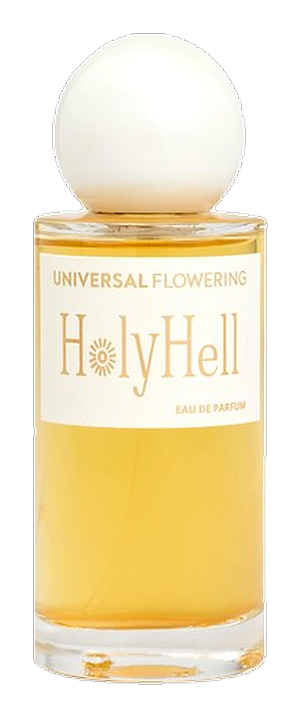
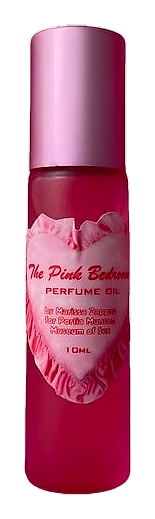
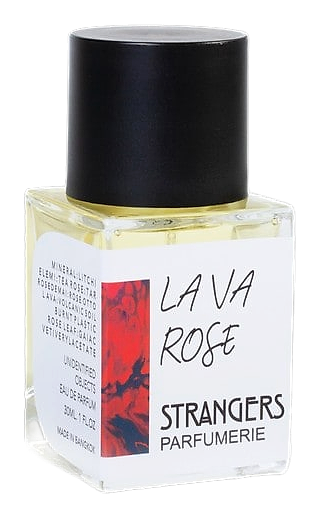
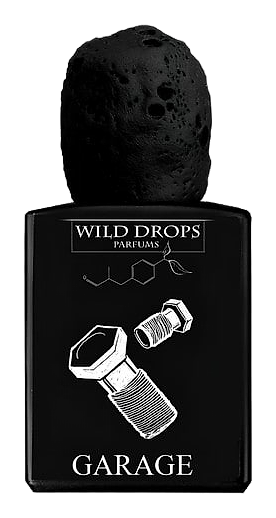
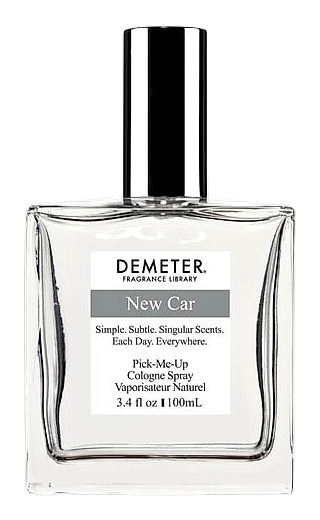
Fragrances featuring Plastic
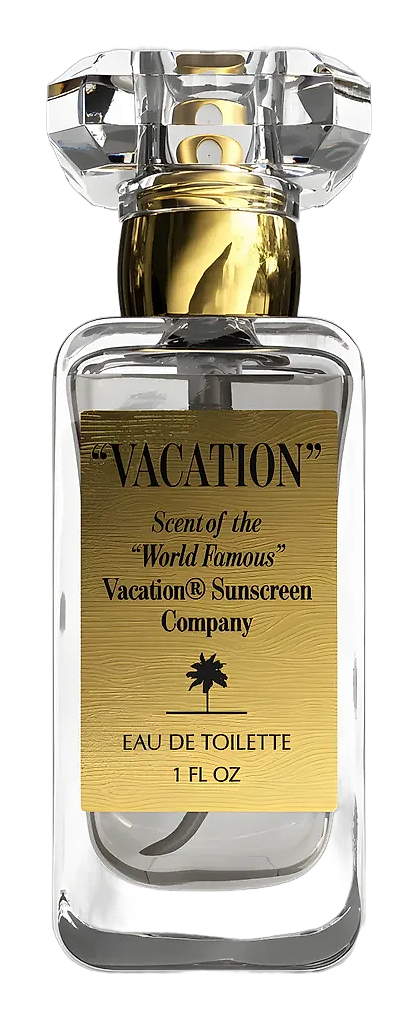
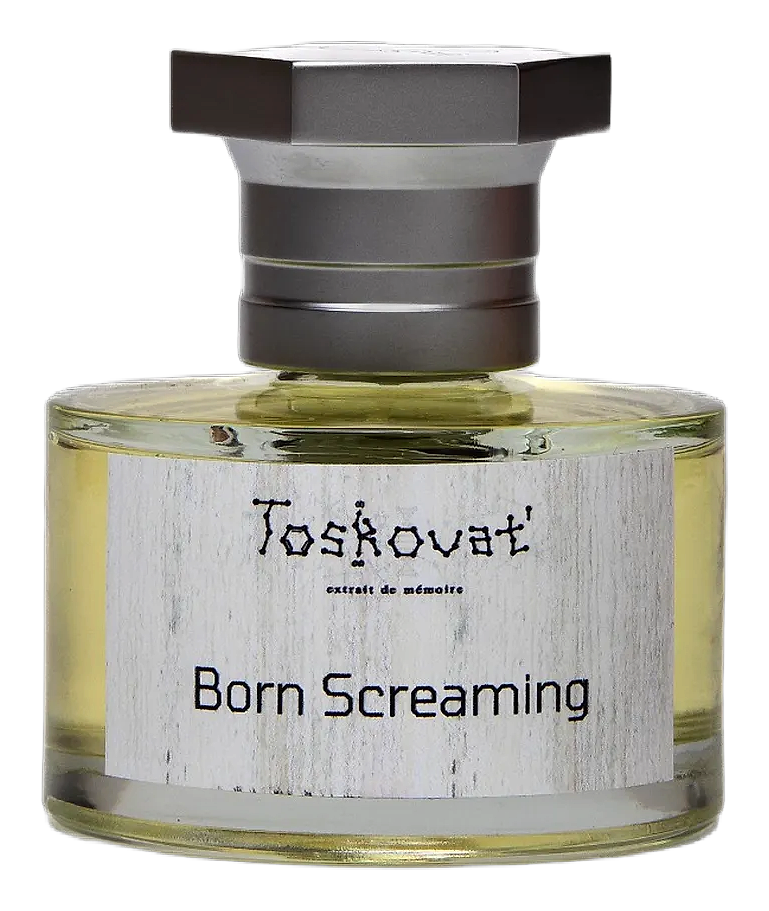
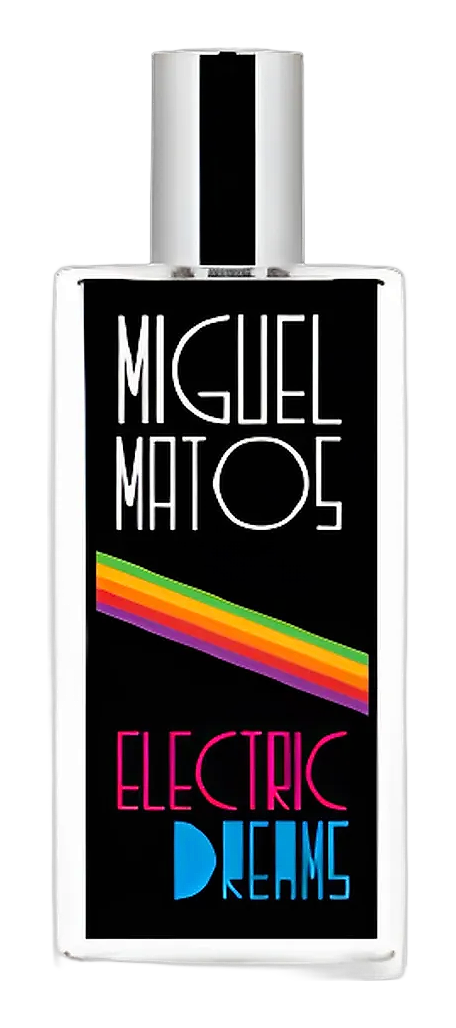
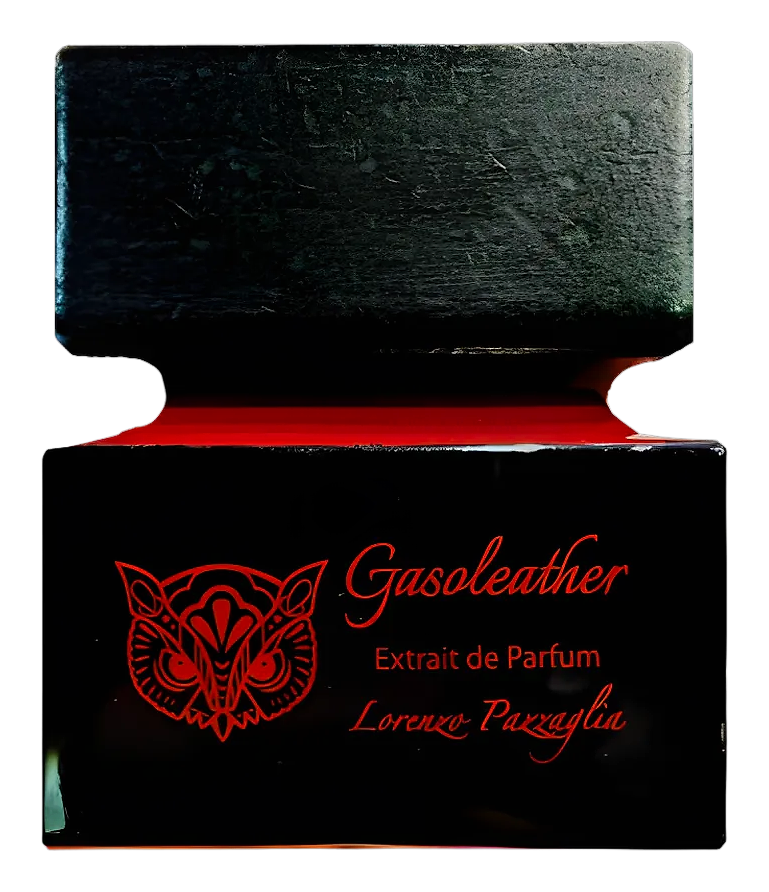
Brands
Brands known for Plastic
Good to know
Questions, answered
The essentials on Plastic in perfumery: how it smells, where it comes from, and how it behaves on skin.
What does plastic smell like in perfumery?
Plastic notes in fragrance evoke warm vinyl, new packaging, and industrial materials with a clean, slightly waxy character. They add modern sharpness and unexpected contrast to traditional compositions.
Is plastic a natural or synthetic fragrance ingredient?
Plastic notes are purely synthetic, derived from petroleum-based aromatic chemicals. Laboratories synthesize specific molecules to recreate plastic's characteristic clean, industrial scent profile.
Which famous perfumes use plastic notes?
Mugler Alien uses synthetic musks creating plastic effects. Bvlgari Omnia Crystalline features plasticky ambroxan. Bleu de Chanel incorporates synthetic molecules providing modern plastic character.
When did plastic notes first appear in perfume?
Plastic notes emerged during the 1950s synthetic revolution. Galaxolide (1954) and Tonalide (1959) became foundational synthetic musks enabling plastic-like effects in perfumery.
What chemicals create plastic notes in fragrance?
Polycyclic musks like Galaxolide and Tonalide, ambroxan, Cetalox, and specific aromatic aldehydes combine to produce plastic character in fragrance compositions.
Why do perfumers use plastic notes?
Plastic notes add modernity, depth, and unexpected contrast to fragrances. They enhance longevity and sillage while creating distinctive contemporary signatures unachievable with naturals alone.
Are plastic notes safe in perfume?
Regulatory bodies like IFRA evaluate synthetic fragrance materials for safety. All plastic note chemicals used in commercial perfumes meet established safety standards for cosmetic use.
How do plastic notes differ from synthetic musk?
Plastic notes often incorporate synthetic musks but include additional aromatic chemicals creating warmer, waxy, industrial character distinct from pure muskiness. The combination defines the plastic accord.