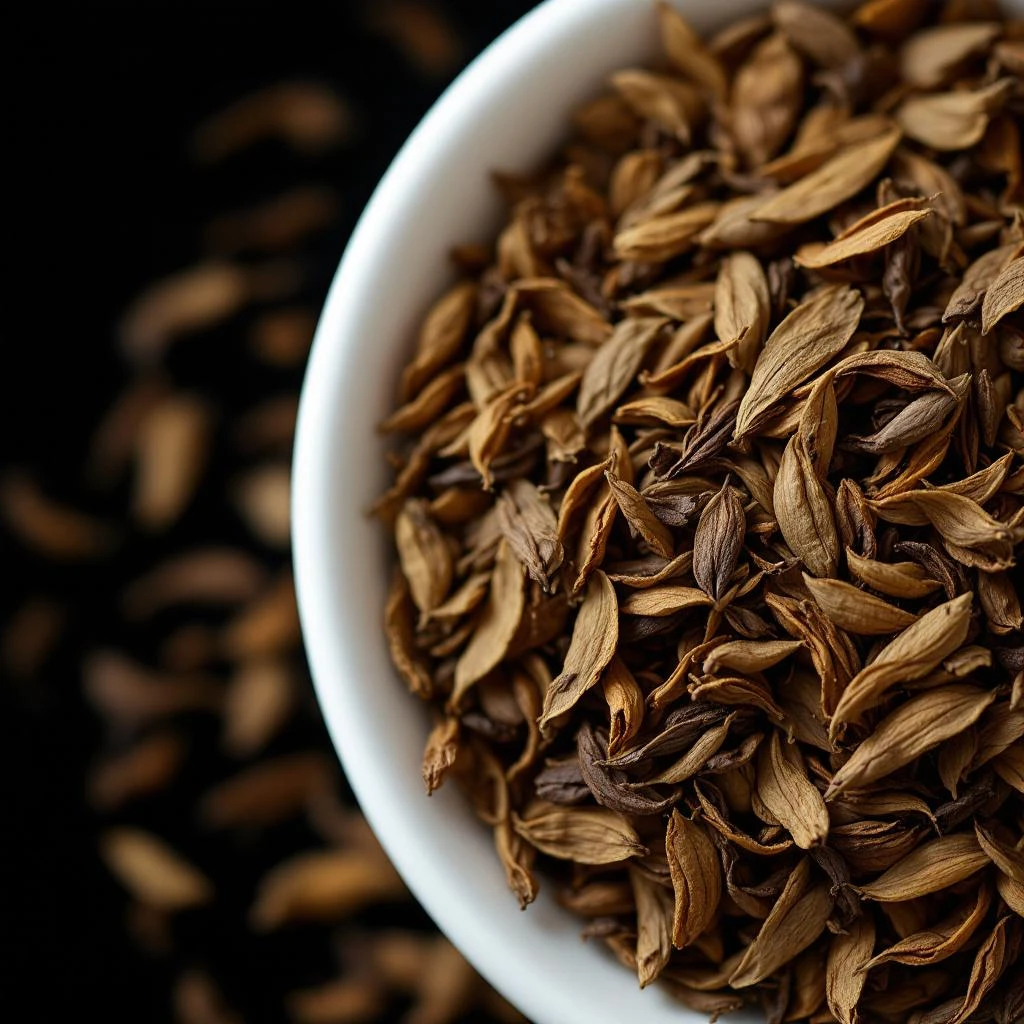
Pistachio Leaf
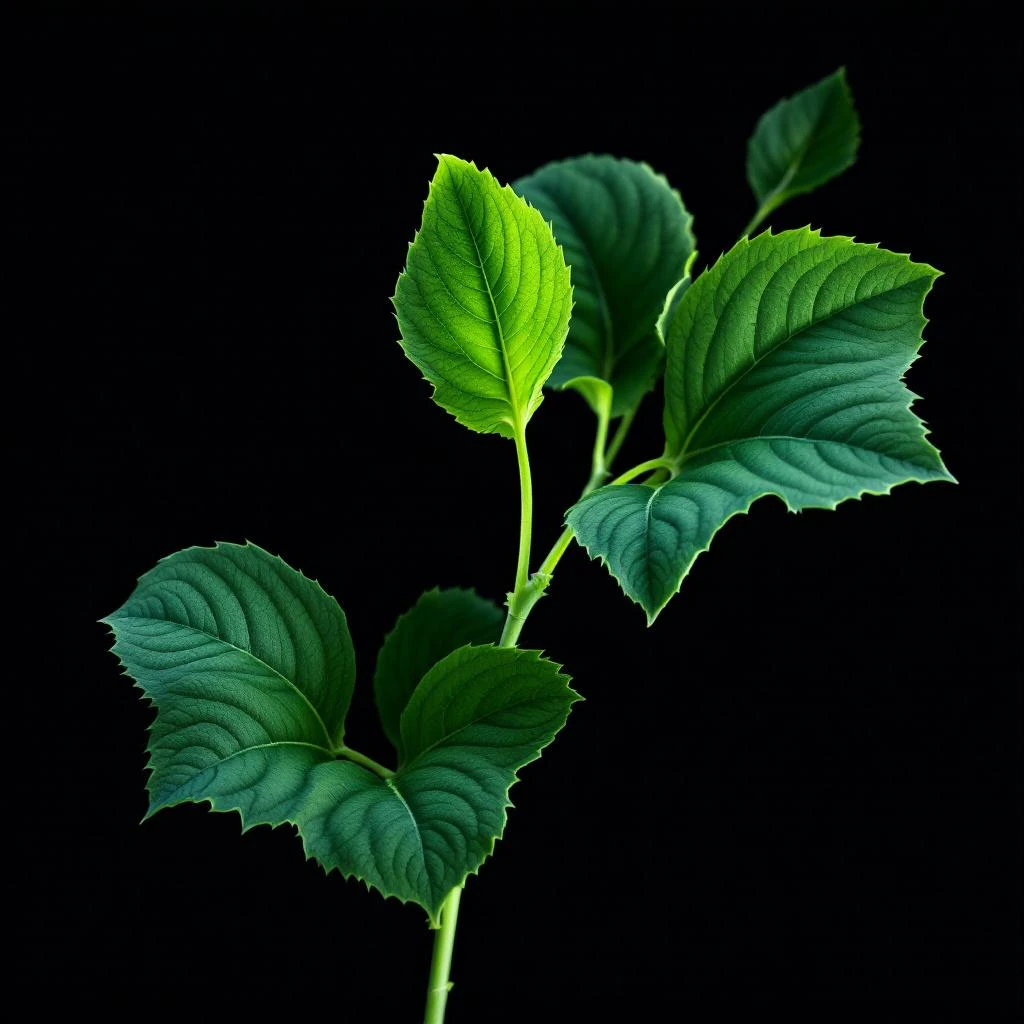
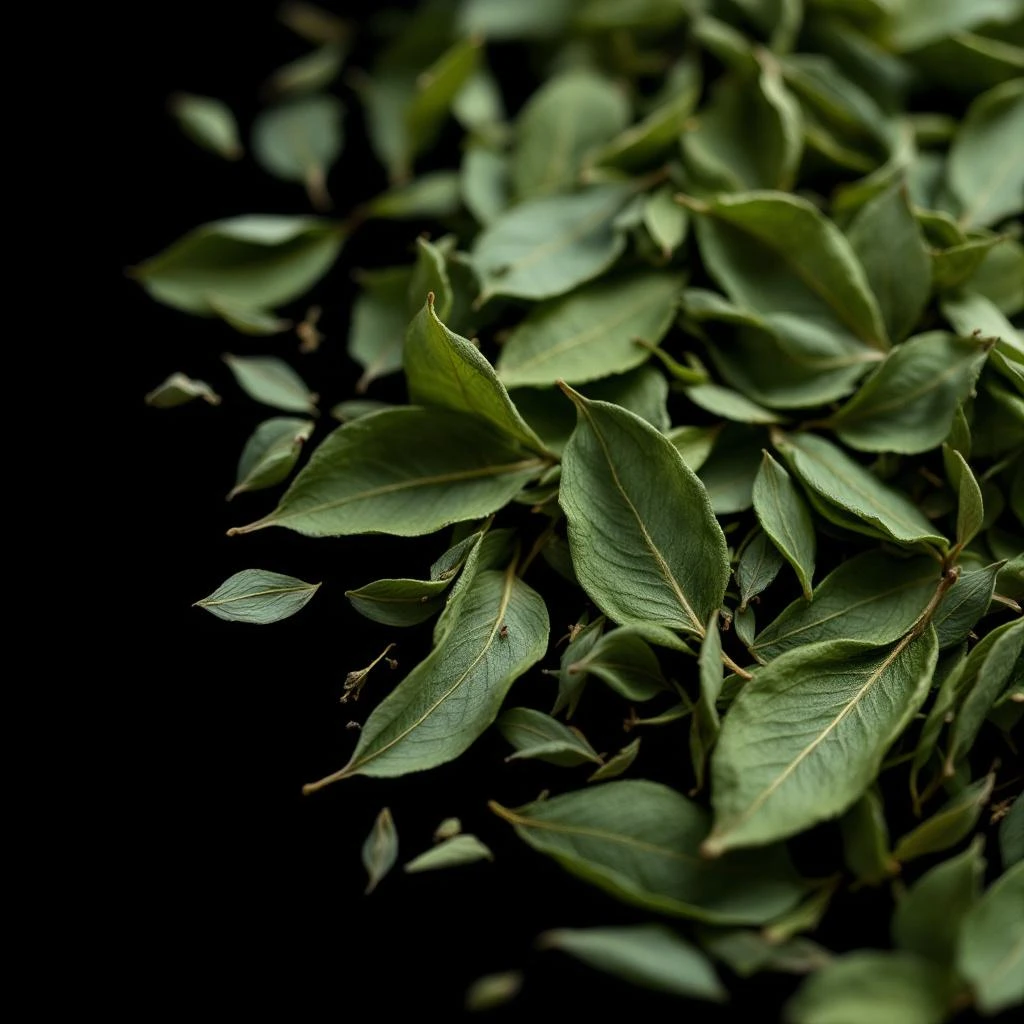
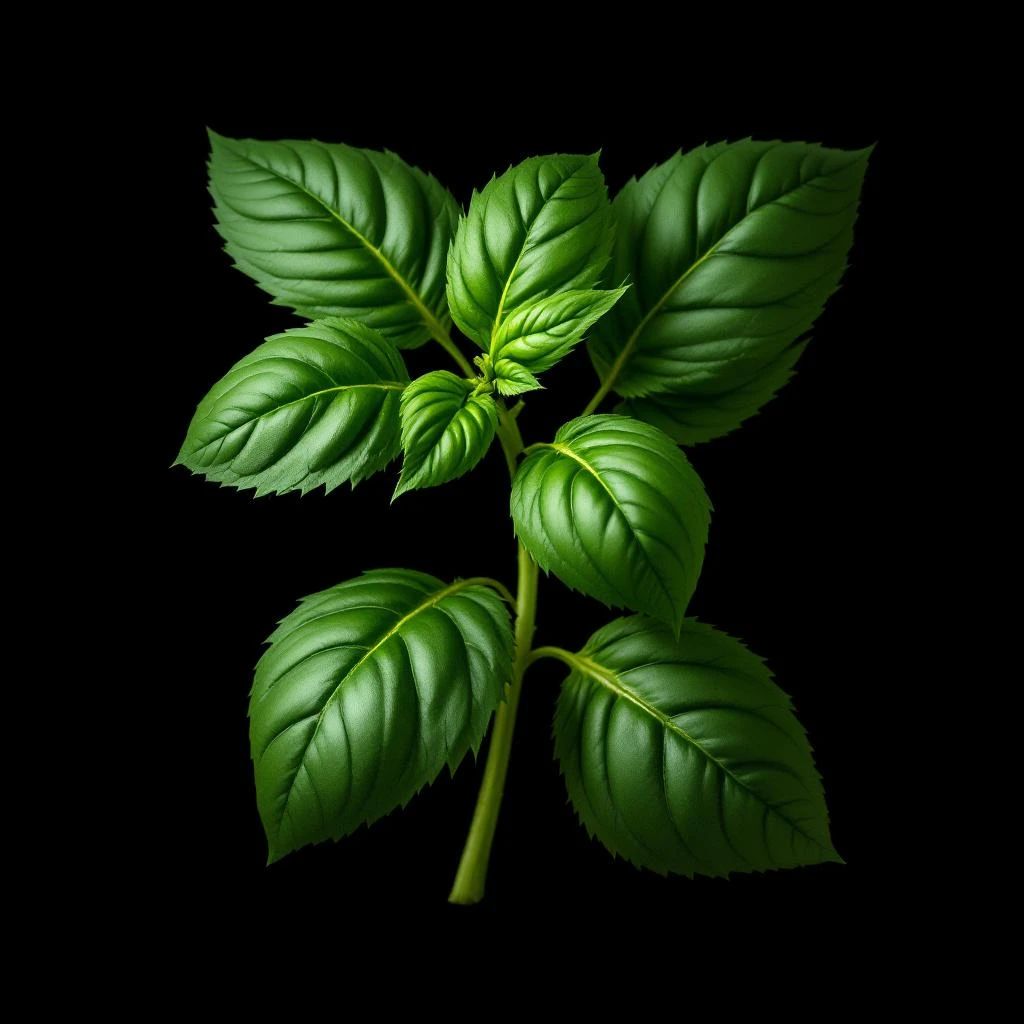
Pistachio leaf brings a rare green-fresh dimension to perfumery. Its subtle bitterness and vegetable nuance create a distinctive base for gourmand and aromatic compositions.

Character
How it smells
Green, fresh, subtly bitter.
Pistachio trees are dioecious, requiring both male and female plants for the nuts we eat to develop.


Origin
Iran
The pistachio tree traces its origins to the arid highlands of Central Asia and the Middle East, where humans began cultivating it around 7000 BCE. Ancient Persian and Mesopotamian cultures prized the nut, but the leaf played a separate role in traditional medicine and folk practices. Perfumery only adopted pistachio leaf in the late 20th century, once analytical chemistry could identify and isolate its characteristic green-bitter aldehydes.
Before synthetic chemistry enabled precise recreation, the leaf remained largely outside the perfumer's vocabulary. Today it appears in both natural and synthetic forms, valued for adding an authentic green-nutty freshness that distinguishes pistachio-forward fragrances from those using only gourmand sweetness.
Wears it best
Fragrances featuring Pistachio Leaf
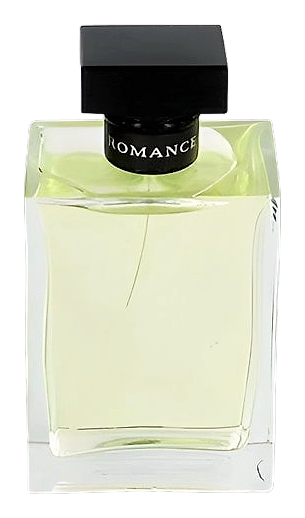
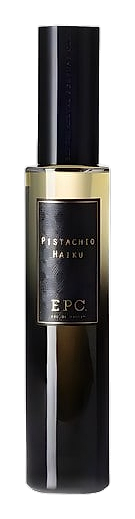
Brands
Brands known for Pistachio Leaf
Good to know
Questions, answered
The essentials on Pistachio Leaf in perfumery: how it smells, where it comes from, and how it behaves on skin.
What does pistachio leaf smell like in perfume?
Pistachio leaf delivers a green, fresh, and subtly bitter aroma with vegetable and nutty undertones. It reads as more bitter and vegetative than the creamy nuttiness of the actual pistachio kernel.
Is pistachio leaf a natural or synthetic ingredient?
Both forms exist. Steam distillation of Pistacia vera leaves produces a natural absolute, though yields are modest. Most perfumers today use synthetically recreated pistachio leaf compounds, which offer consistency batch to batch.
What fragrance families use pistachio leaf?
It appears most often in gourmand and woody compositions, where it adds a green counterpoint to sweet notes. It also features in aromatic and fougere structures for its fresh, herbaceous quality.
How does pistachio leaf differ from other green notes like fig leaf or galbanum?
Fig leaf is softer and milkier. Galbanum is sharp, intensely green, and medicinal. Pistachio leaf sits between them, with a rounder green quality and a distinctive nutty undertone that no other green note reproduces.
What ingredients pair well with pistachio leaf?
It combines naturally with creamy sandalwood, heliotrope, tonka bean, and vanillin for gourmand effects. Against woody bases like cedar, it reads as fresh and aromatic. Bitter notes like opoponax deepen its complexity.
Which perfume houses use pistachio leaf?
Gourmand and niche houses incorporate it most frequently. Amouage, Byredo, and Le Labo have all used pistachio leaf as a supporting note in fragrances centered on nuttiness and creaminess.
Does pistachio leaf have fixative properties?
It functions as a heart-to-base transition note rather than a primary fixative. Its moderate tenacity means it carries a fragrance composition forward without dominating the drydown.
Where does Pistacia vera grow commercially?
Iran produces roughly 500,000 tonnes annually, accounting for over 40 percent of global output. The United States, Turkey, and Syria are also significant producers. The tree thrives in hot, dry climates with cold winters.