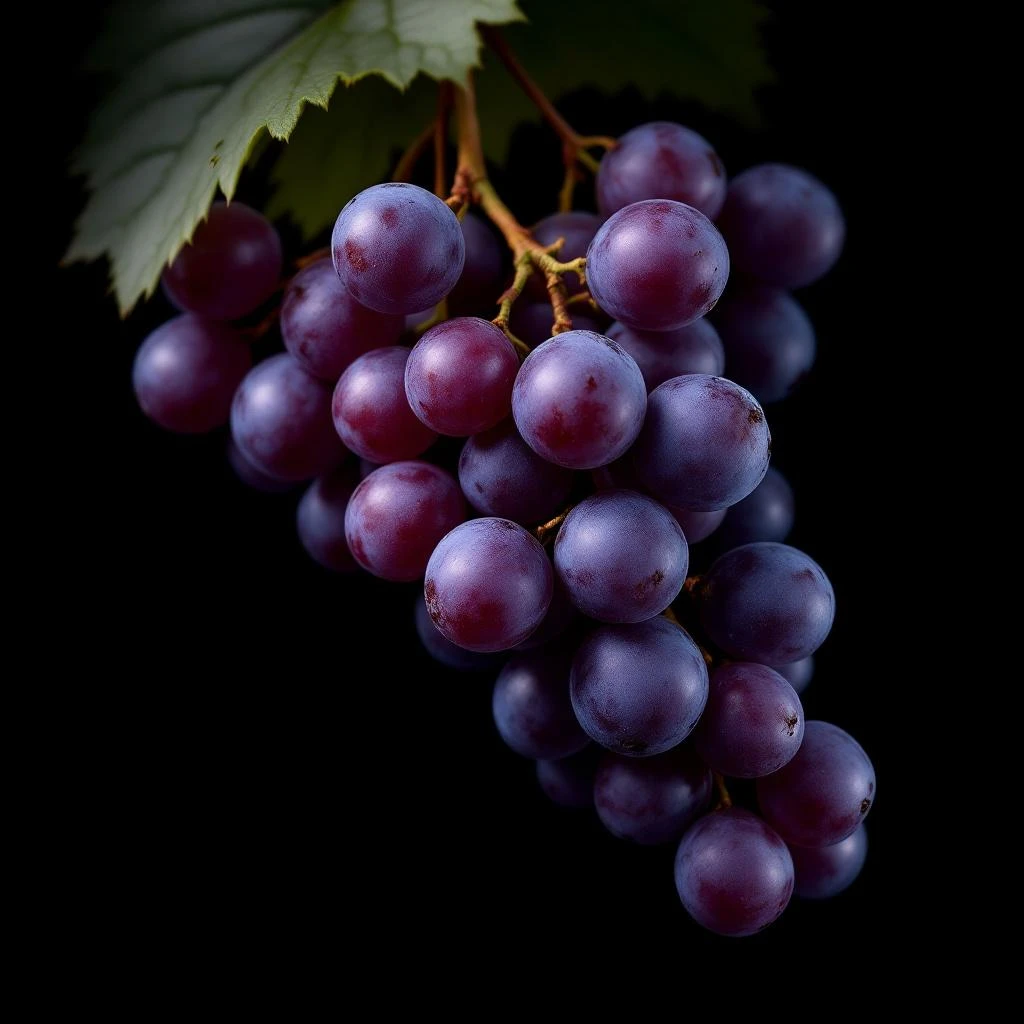
Pinot Noir Grapes
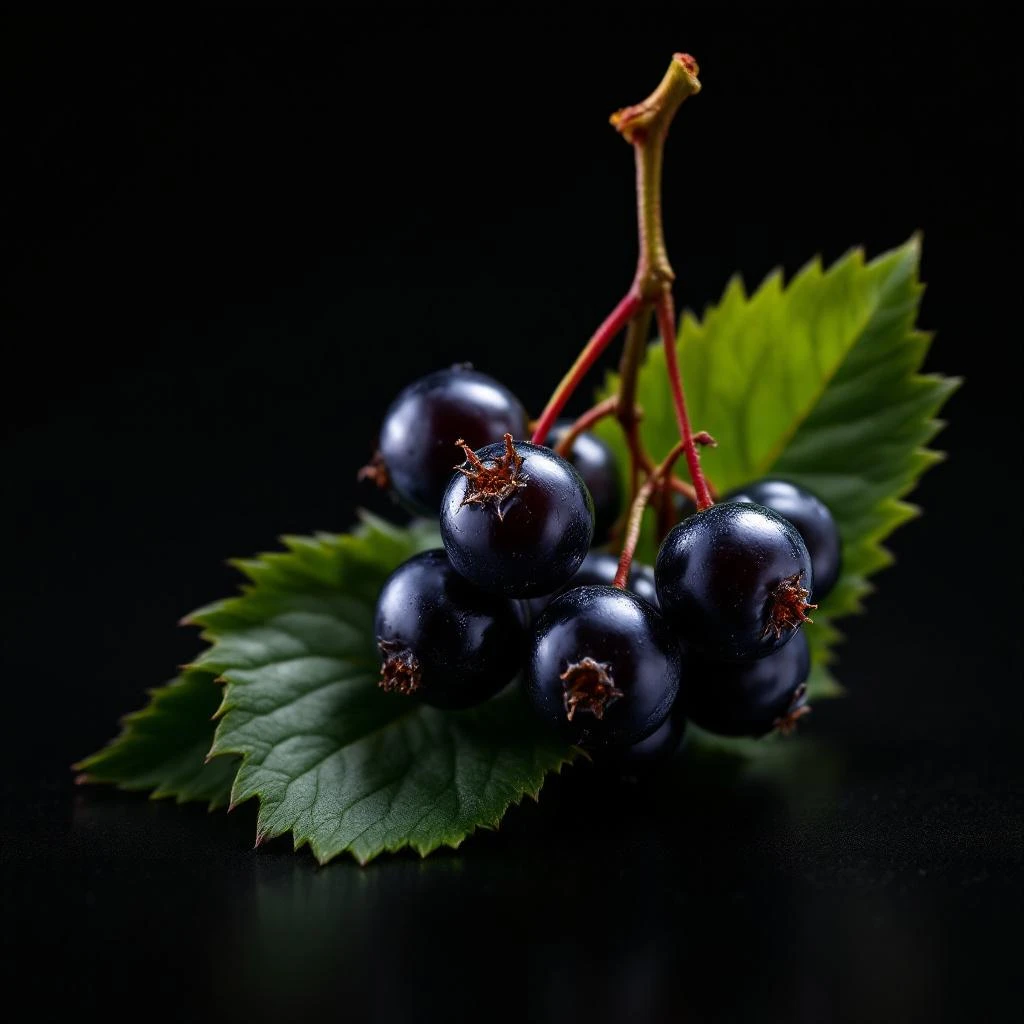
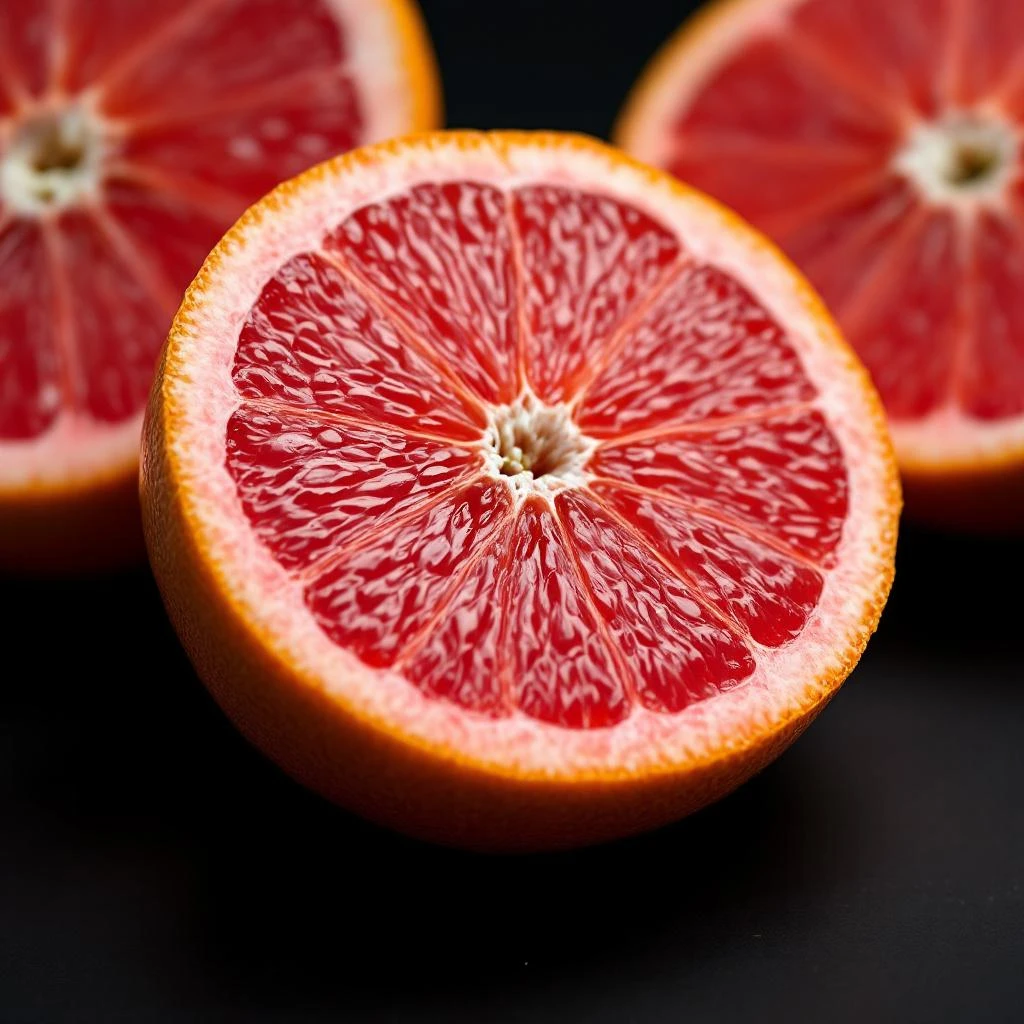
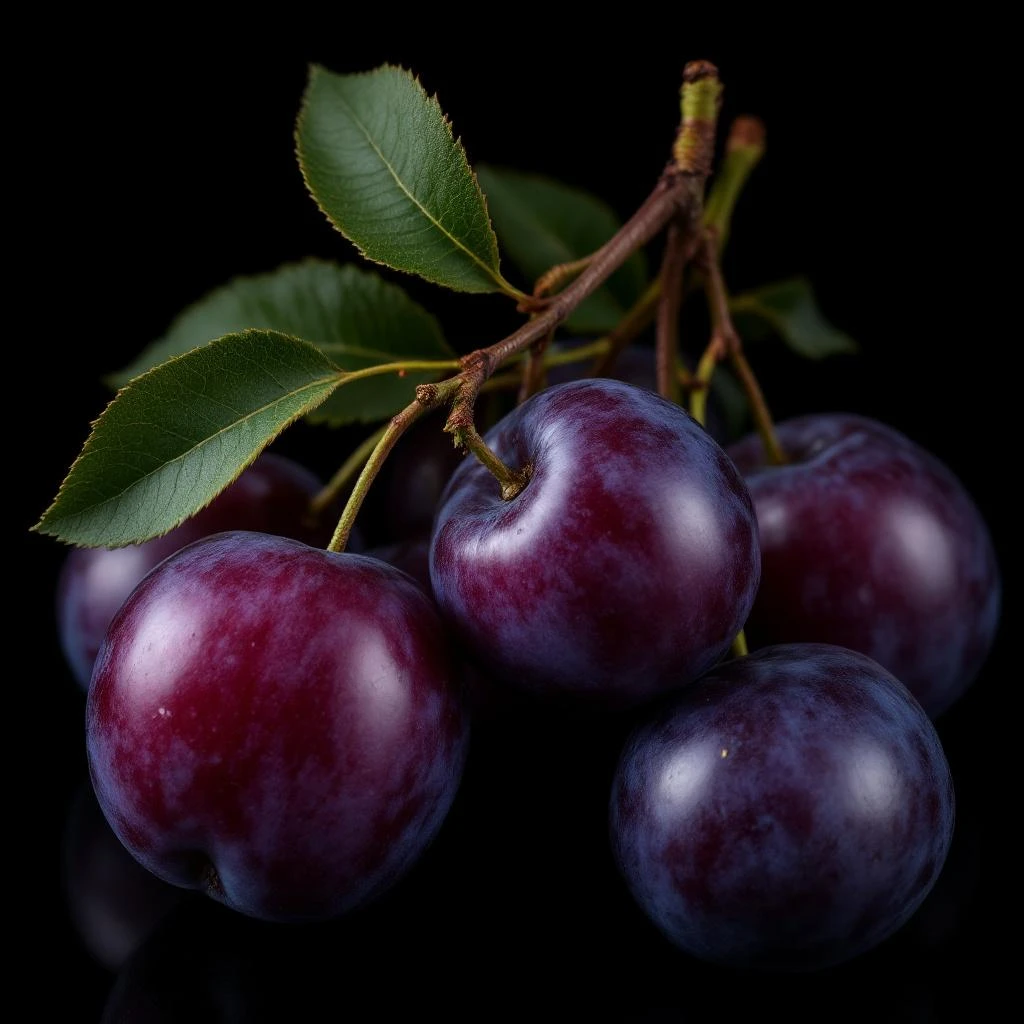
Pinot Noir is one of the oldest cultivated grape varieties in the world. In perfumery, its extracted essence carries the dark fruit character of the wine itself: black cherry, plum, and subtle earthiness gathered into a singular, opulent note.
Character
How it smells
Burgundy's ancient grape, rendered in scent.
Archaeological evidence places grape use in perfumery as far back as ancient Egypt, centuries before wine itself became a cultural force.






Origin
France
Pinot Noir is almost certainly a very ancient variety, possibly only one or two generations removed from wild Vitis sylvestris vines. The grape appears in records dating to the first century AD, when Romans brought it to what is now Burgundy and began cultivating it in the region's limestone soils. Over centuries, Burgundian monks refined the variety into the benchmark it remains today.
By the 1880s, cultivation had reached California, where Eugene Hilgard planted Pinot Noir in the Sierra Nevada foothills near Jackson in 1889. The grape's thin skin makes it both prized and challenging to grow, a quality that translates directly into perfumery: the same delicacy and depth that makes Pinot Noir beloved in wine becomes a rare and nuanced fragrance material when extracted.
Wears it best
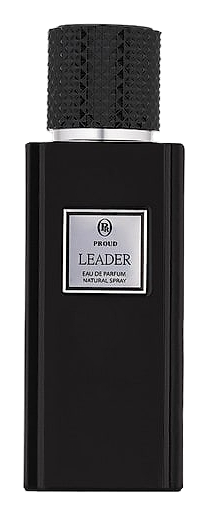
Fragrances featuring Pinot Noir Grapes
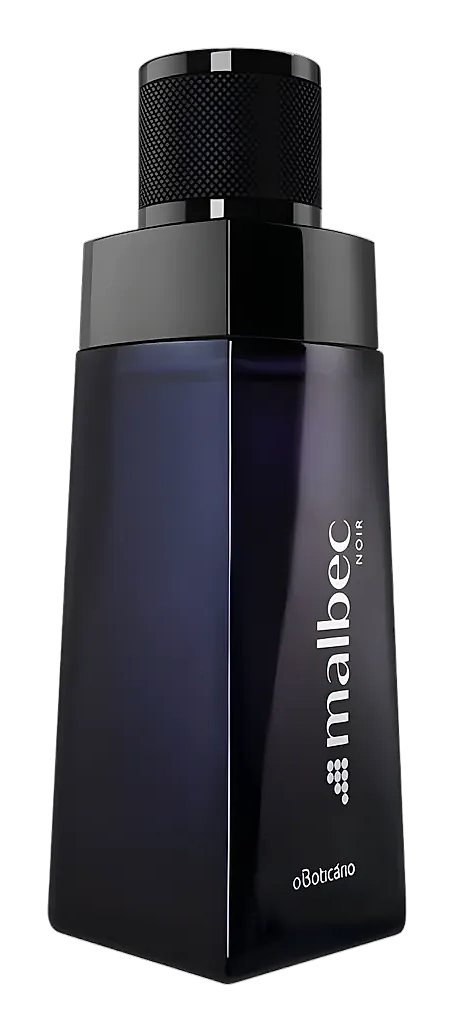
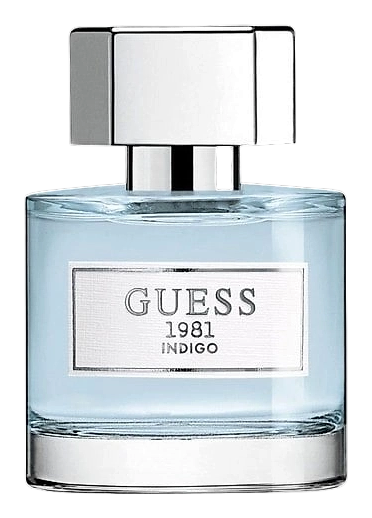
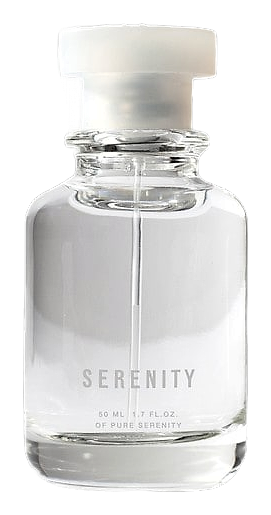
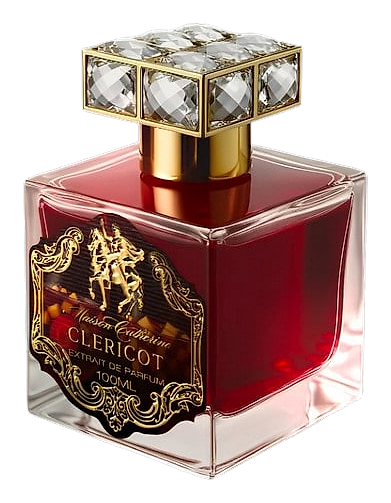
Brands
Brands known for Pinot Noir Grapes
Good to know
Questions, answered
The essentials on Pinot Noir Grapes in perfumery: how it smells, where it comes from, and how it behaves on skin.
What does Pinot Noir smell like in perfumery?
Pinot Noir in perfumery captures the dark fruit character of the wine itself. Expect notes of black cherry, plum, and subtle earthiness, with a wine-like quality that distinguishes it from simpler fruit notes.
How is Pinot Noir extracted for fragrance use?
Perfumers use solvent extraction with ethanol or supercritical CO2 to capture the aromatic compounds from the grape. This method preserves the delicate fruity and green notes while maintaining the characteristic wine-like depth.
Where does Pinot Noir originate from?
Pinot Noir likely originated in Burgundy, France, where it has been cultivated since at least the first century AD. Archaeological evidence suggests it descends directly from wild Vitis sylvestris vines.
Why is Pinot Noir significant in fragrance?
Pinot Noir's significance lies in its antiquity and aromatic complexity. It is one of the oldest cultivated grape varieties and produces a fragrance note that carries both fruit and wine-like qualities rarely found in other botanical materials.
How does Pinot Noir differ from other wine-based fragrance notes?
Pinot Noir carries a distinctly earthy, wine-like character rather than a单纯 fruit smell. Its thin-skinned grapes produce lighter, more translucent aromatics that translate into a fruitier and more nuanced perfume note compared to heavier varietals.
What extraction yields can perfumers expect from Pinot Noir grapes?
The yield of grape absolute or extract from Pinot Noir is relatively low, making it a prized and somewhat rare material in perfumery. Solvent extraction produces a concentrated material that captures both fruit and vegetative notes.
Which regions produce the finest Pinot Noir for perfumery?
Burgundy remains the spiritual and agricultural home of Pinot Noir, with its limestone soils producing grapes of exceptional aromatic depth. California, particularly Sonoma and the Sierra Nevada foothills, also grows high-quality Pinot Noir used in fragrance production.
How does terroir affect the scent of Pinot Noir in fragrance?
Terroir shapes every aspect of the grape's aromatic profile. Cool Burgundy vineyards produce grapes with higher acidity and earthy depth, while warmer regions like California develop richer, more jammy fruit characteristics that translate into distinct fragrance profiles.