Pink Violet
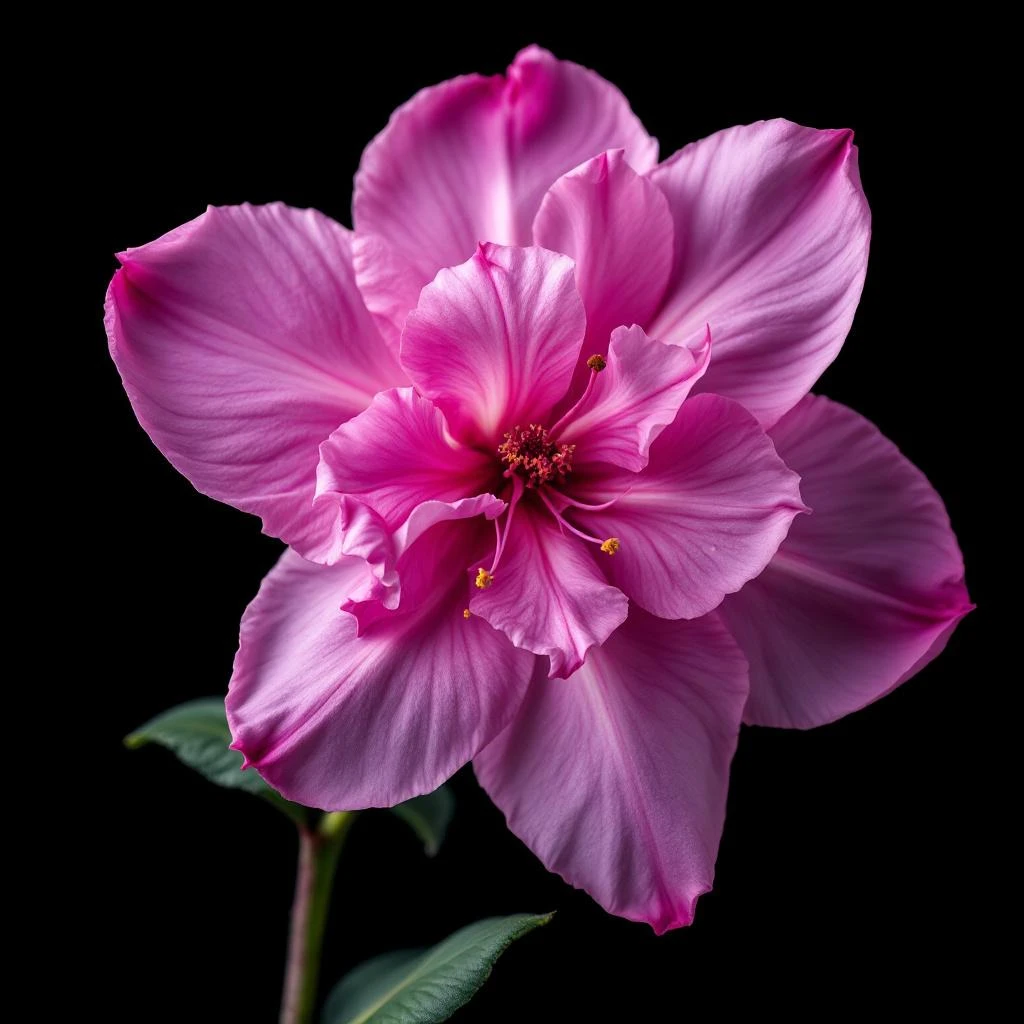
Pink Violet carries the tender, powdery sweetness of the flower that inspired generations of feminine fragrances. The violet is a mute flower—it yields almost no essential oil—so perfumers must recreate its romantic scent from synthetic ionones and violet leaf absolute. Pink Violet represents the softest, most romantic interpretation of this challenging note.
Character
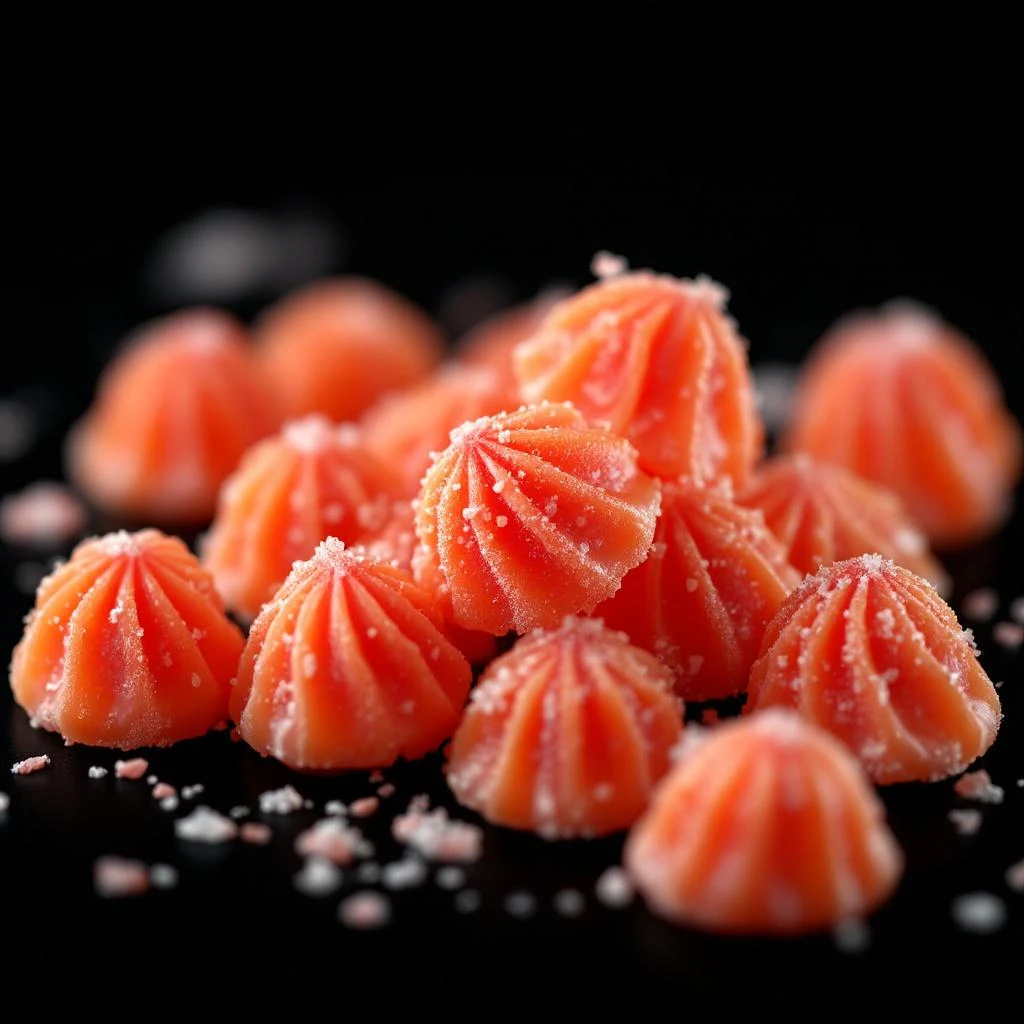
How it smells
The sweetest, most romantic member of the violet family.
Napoleon loved violets so deeply that his second wife, Empress Marie Louise, made Parma the world capital of violet cultivation.





Origin
Italy (Parma)
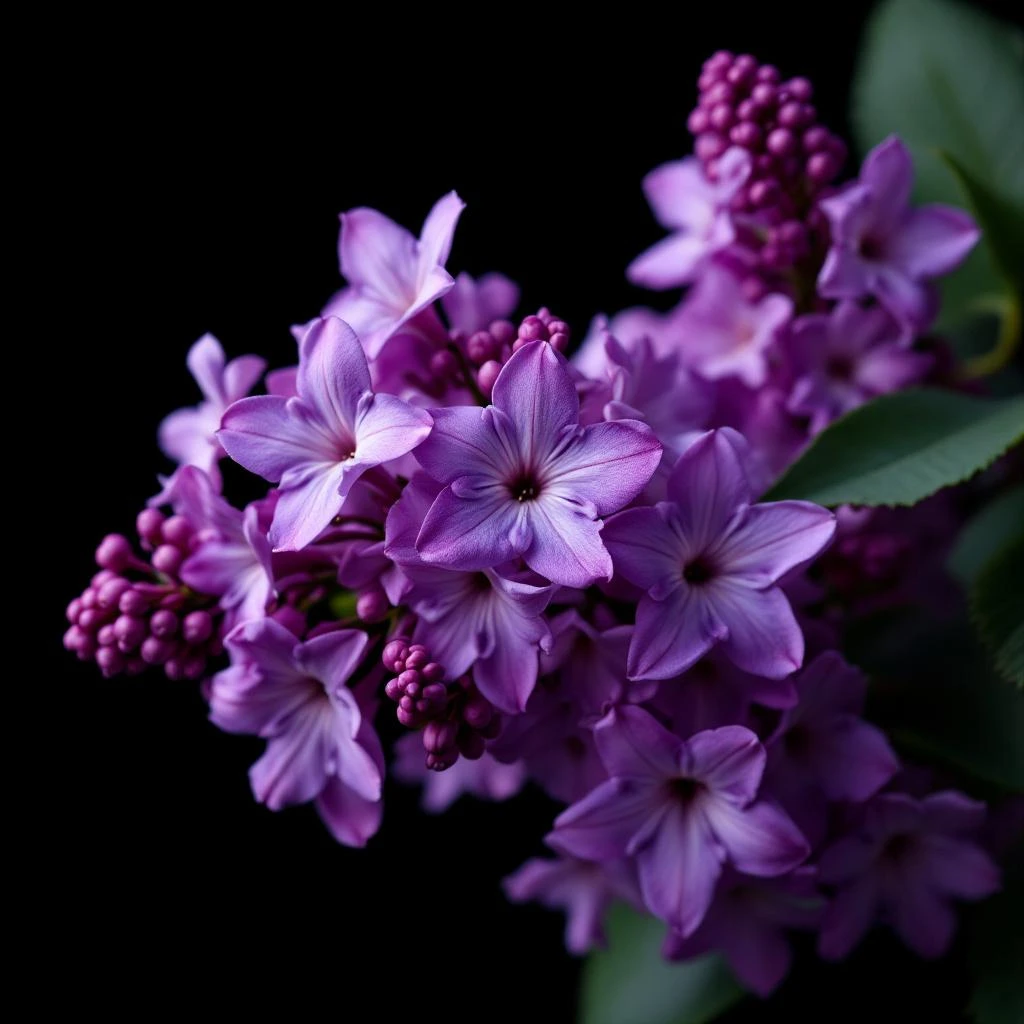
Violets have been symbols of ancient cities and distillers' art since the time of early Arab perfumers. Catherine de' Medici herself introduced the plant to the French court from Italy in the 16th century. Napoleon loved violets so deeply that his second wife, Empress Marie Louise Bonaparte, made Parma the world capital of violet cultivation for perfume.
By 1867, violet fields had spread to Grasse, and the sweet, powdery floral note became synonymous with femininity for generations. Natural violet extracts nearly vanished after World War I, which is why today's violet fragrances depend on molecular reconstruction.
Wears it best
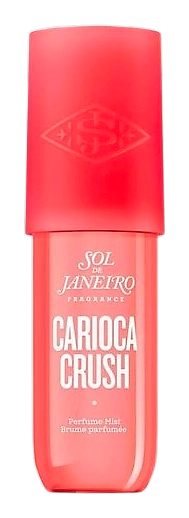
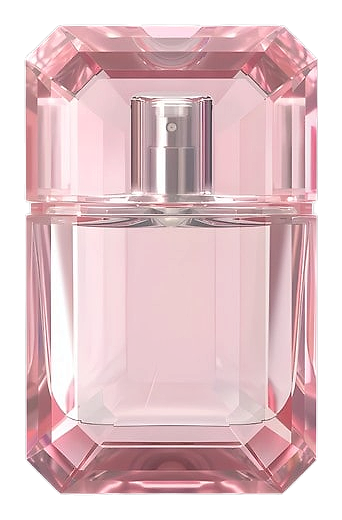
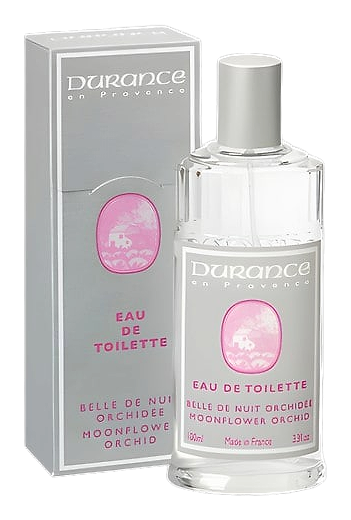
Fragrances featuring Pink Violet

Brands
Brands known for Pink Violet
Good to know
Questions, answered
The essentials on Pink Violet in perfumery: how it smells, where it comes from, and how it behaves on skin.
Is Pink Violet a natural or synthetic ingredient?
Pink Violet is predominantly synthetic. The violet flower is what perfumers call a mute flower—it yields almost no essential oil by steam distillation. Perfumery recreates the soft, powdery violet note using organic compounds called ionones, primarily Beta Ionone and Methyl Ionone.
What does the Pink Violet note smell like?
Pink Violet evokes a soft, romantic sweetness with powdery and slightly candy-like character. This profile reflects our modern idea of violet, shaped by confectionery and cosmetics rather than the natural flower's actual scent, which is far more subtle and fleeting.
Why did natural violet extracts almost disappear from perfumery?
Natural violet flower extracts were nearly wiped out after World War I, when access to haute couture natural extracts from Grasse and Parma became impossible. This is why many iconic 1930s perfumes cannot be reproduced exactly today.
What extraction methods were used for violets historically?
In the 19th century, hot enfleurage was the standard technique. Flower petals were infused in heated fat to capture the fragrance—a slow, labor-intensive process. Violet leaves yield absolute via solvent extraction, which produces a green, cucumber-like scent quite different from the flower.
What are ionones and why are they important for violet notes?
Ionones are aroma compounds that occur naturally in violets. Methyl Ionone delivers the most powdery, violet-like quality and also evokes tea and carnation notes. Beta Ionone brings a sweeter, more floral character. These synthetics allow consistent formulation that natural materials cannot guarantee.
Where were violets first cultivated for perfumery?
Parma, Italy, became the world center of violet cultivation thanks to Empress Marie Louise Bonaparte in the early 19th century. By 1867, violet fields had expanded to Grasse in southern France, cementing the region's role in perfumery history.
Can violet flowers be distilled for essential oil?
No. Violets do not contain enough essential oil for steam distillation. The only violet part extracted commercially is the leaf, which yields absolute via solvent extraction with a distinctly green, watery character reminiscent of cucumber or cut grass.
How much ionone should a perfumer use in a formulation?
With restraint. Ionones are high-impact molecules that can desensitize the nose if overused, temporarily numbing olfactory perception. Skilled perfumers dose them lightly to preserve the fragrance's clarity and longevity.




