Pink Passion Fruit
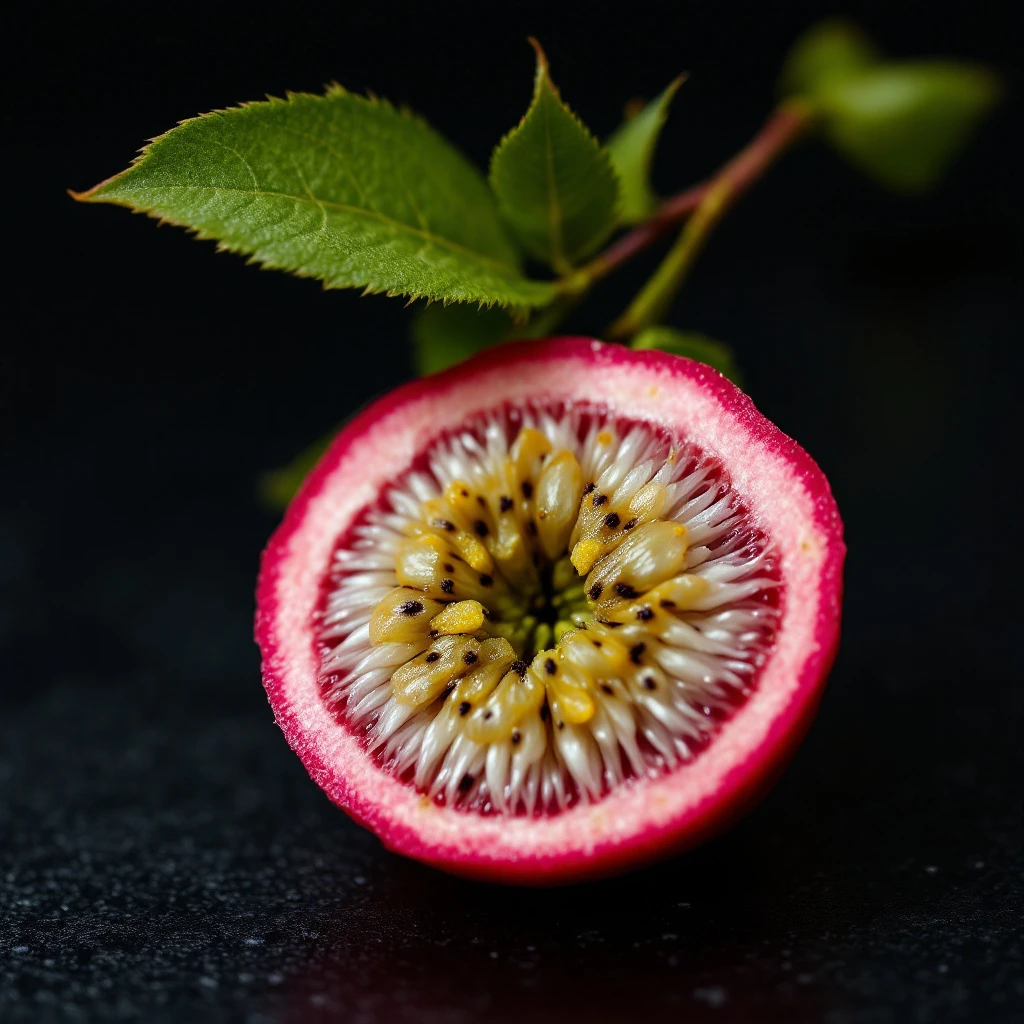
No natural extract captures passionfruit's wild complexity. Perfumers build it from scratch, combining tart, juicy, and slightly sulfuric facets into one vivid tropical note.
Character
How it smells
Synthesized from scratch, captured in full
The passionfruit's signature sulfur note signals ripeness in nature. Perfumers preserved this unusual trait to keep the fruit's true character alive.





Origin
Paraguay
Passionfruit entered modern perfumery only when organic chemistry advanced enough to synthesize its complex profile. Before this breakthrough, perfumers could approximate fruity notes but never truly captured the tropical complexity of passionfruit.
This marked a fundamental shift. For centuries, perfumery relied entirely on botanical materials and simple aromatic chemicals. The ability to recreate intricate fruit scents using sophisticated synthetic molecules transformed what fragrances could achieve.
Today, passionfruit appears in countless fruity-floral, fresh, and tropical compositions. Its balance of tartness and sweetness adds vibrancy without overwhelming other notes. The slight sulfur edge keeps it grounded and authentic, preventing the sweet/tropical trap that often undermines fruity fragrances.
Perfumers continue refining synthetic passionfruit, pushing toward ever greater accuracy and complexity.
Wears it best
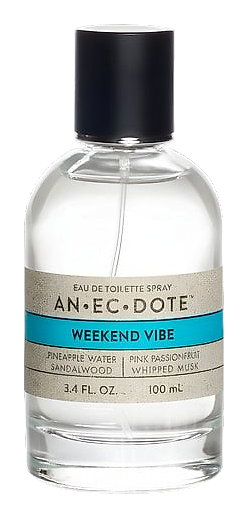
Fragrances featuring Pink Passion Fruit

Brands
Brands known for Pink Passion Fruit
Good to know
Questions, answered
The essentials on Pink Passion Fruit in perfumery: how it smells, where it comes from, and how it behaves on skin.
Why does passionfruit appear as a synthetic note in perfumery?
Natural extraction destroys passionfruit's aromatic compounds, making it impossible to capture the fruit's true scent. Perfumers build the note synthetically using esters and lactones, combining juicy, tart, and subtly sulfuric facets for an authentic tropical character.
What molecules create passionfruit's signature scent in fragrance?
Esters deliver the sweet, fruity backbone while lactones add creamy undertones. A measured amount of sulfur compounds replicates the characteristic tang of ripe passionfruit. Perfumers adjust these ratios to achieve exactly the right balance for each fragrance.
Can passionfruit be extracted naturally for perfume?
No. Passionfruit lacks extractable aromatic compounds because the scent molecules break down during extraction attempts. Perfumers must construct the note entirely from laboratory synthesized ingredients.
How does passionfruit interact with other fragrance notes?
Passionfruit pairs naturally with peach, mango, and other tropical fruits for deep tropical harmony. It also complements white florals like gardenia and frangipani, amplifying their lush, sunlit character. The note adds vibrant exoticism to any composition.
What fragrance families commonly feature passionfruit?
Passionfruit appears most often in fruity-floral women's fragrances, particularly summer and tropical themed releases from the late 1990s onward. It also shows up in fresh aquatic and green fragrances where its bright tang cuts through and adds exotic depth.
What advantages does synthetic passionfruit offer perfumers?
Synthetic passionfruit provides batch-to-batch consistency impossible to achieve with natural materials. Perfumers can precisely control each aromatic facet, adjusting tartness, sweetness, and tropical depth. This flexibility makes it indispensable for modern fragrance creation.
When did synthetic passionfruit first appear in perfumery?
Synthetic passionfruit became possible in the late 20th century when organic chemistry advanced enough to recreate its intricate molecular profile. Earlier perfumers lacked the technology to capture this complex tropical fruit.
How would you describe passionfruit's scent in a fragrance?
Passionfruit smells intensely tart and tropical with bright sweetness. A subtle sulfur edge adds authenticity and prevents the note from smelling synthetic or candy-like. The overall effect is vivid, exotic, and immediately recognizable.