Pink Osmanthus
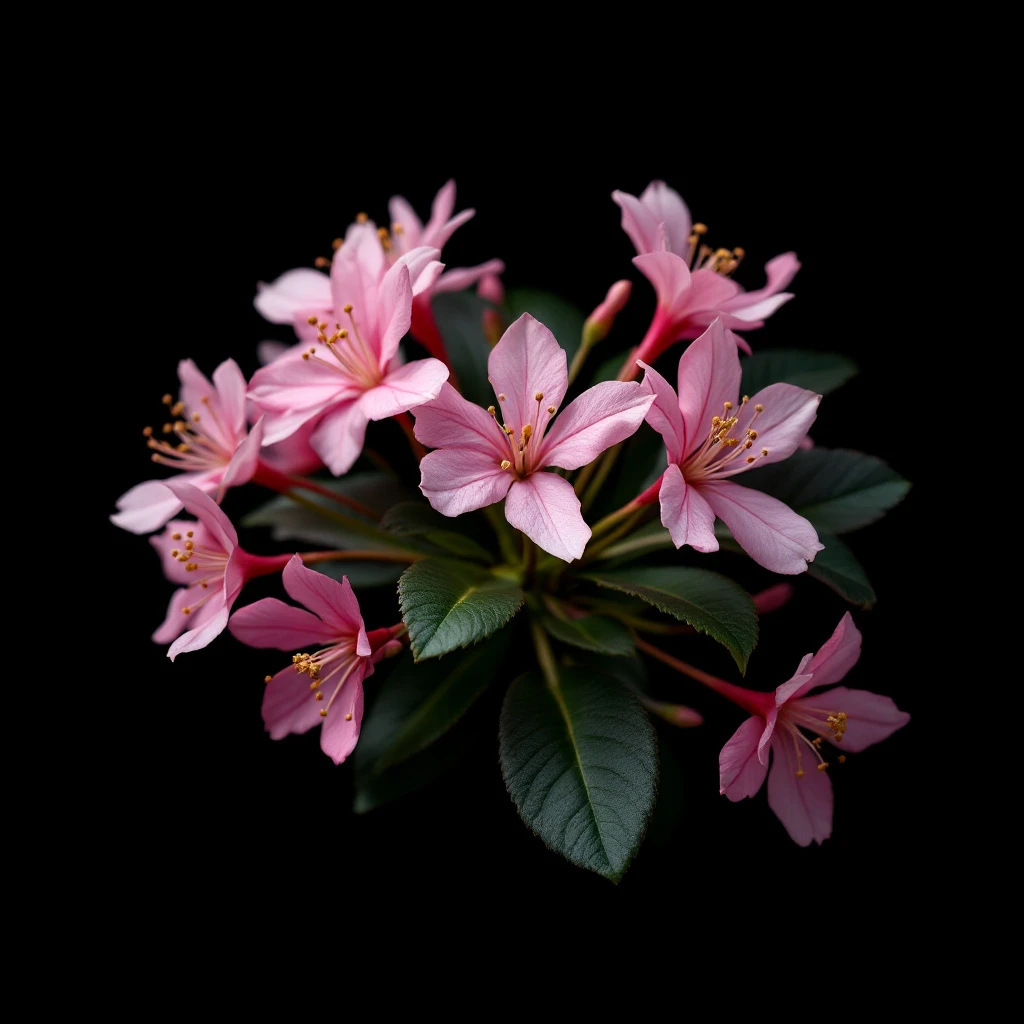
Pink Osmanthus brings a delicate blush to one of perfumery's most coveted florals, offering the same apricot-kissed warmth as its golden cousin in a rarer, more nuanced form.
Character
How it smells
The rare blush variant of a two-millennium floral treasure.
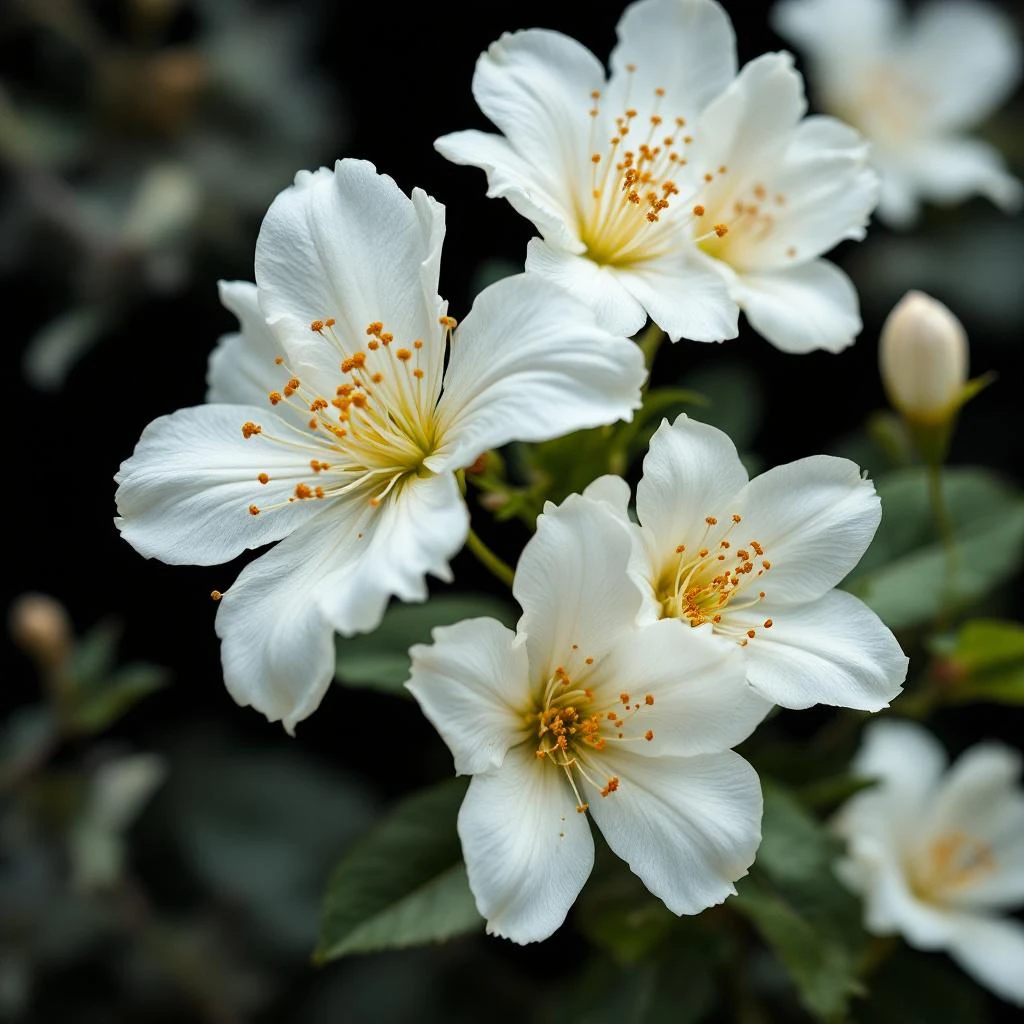
The pink-flowered variety produces blossoms so delicate that harvesters spread sheets beneath trees and gently shake the branches to collect the falling petals.




Origin
China
Chinese cultivators have treasured Osmanthus for over two thousand years, ranking it among ten traditional flowers prized for their fragrance. The pink-flowered variety emerged as a valued cultivar within this tradition, its blush-colored blossoms associated with romance and feminine grace in classical poetry. Osmanthus made its Western perfumery debut in 1930 through Jean Patou\'s Joy, where it contributed to what became the world\'s most famous perfume.
The flower's journey from ancient Chinese gardens to modern fragrance laboratories represents a rare bridge between Eastern horticultural tradition and Western creative practice. Today, pink osmanthus remains a collector\'s ingredient, appearing in only the most carefully composed fragrances.
Wears it best
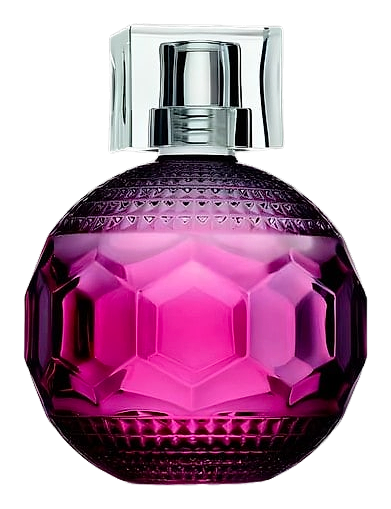
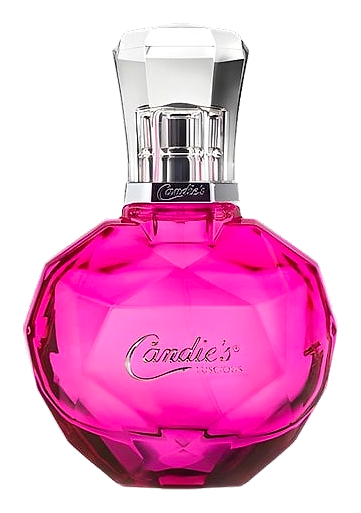
Fragrances featuring Pink Osmanthus
Good to know
Questions, answered
The essentials on Pink Osmanthus in perfumery: how it smells, where it comes from, and how it behaves on skin.
What makes Pink Osmanthus different from regular Osmanthus?
Pink Osmanthus comes from a specific cultivar of Osmanthus fragrans that produces blush-colored blossoms rather than the typical golden or white flowers. The aromatic profile remains similar, offering that signature apricot-fruity character, but perfumers prize the pink variety for its additional subtlety and rarity in perfumery work.
Does Pink Osmanthus smell different from yellow or white varieties?
The core fragrance remains consistent across varieties: apricot, peach, and a unique tea-like quality. The pink cultivar tends toward slightly softer, more delicate expression, with some perfumers noting a hint of rose in the drydown that distinguishes it from its golden counterpart.
Why is Pink Osmanthus so expensive?
Osmanthus absolute yields are extremely low, with roughly one ton of blossoms producing only a few kilograms of concrete. The pink variety adds another layer of scarcity since farmers cultivate yellow and white forms more widely for commercial production. Combined with the rapid fading of the flowers\' fragrance after harvest, costs remain high.
Can I smell authentic Pink Osmanthus in natural perfumes?
Natural perfumes featuring true osmanthus absolute will display that characteristic apricot and stone-fruit note upfront, followed by warm, slightly animalic undertones. The fragrance evolves over several hours on skin, revealing honeyed and tea-like dimensions as the top notes fade.
What blending partners work well with Pink Osmanthus?
Pink Osmanthus pairs naturally with other florals like rose and jasmine, where it adds depth and fruity complexity. Its apricot character complements woody bases such as sandalwood and cedar. In citrus-forward compositions, it provides warmth and prevents the blend from feeling too bright.
Is Pink Osmanthus sustainable?
Sustainable farming practices have taken root in major producing regions, particularly in China\'s Guangxi province and Japan. Harvesters collect fallen petals from sheets placed under trees, a method that protects the plants while ensuring only the freshest material enters the extraction process.
How should I experience Pink Osmanthus in a fragrance?
Apply osmanthus-forward perfumes to pulse points where body heat reveals the full evolution of the scent. The top notes of fresh apricot appear within minutes, giving way to a warmer, more honeyed heart as the fragrance dries down over three to four hours on skin.