Pink Hydrangea
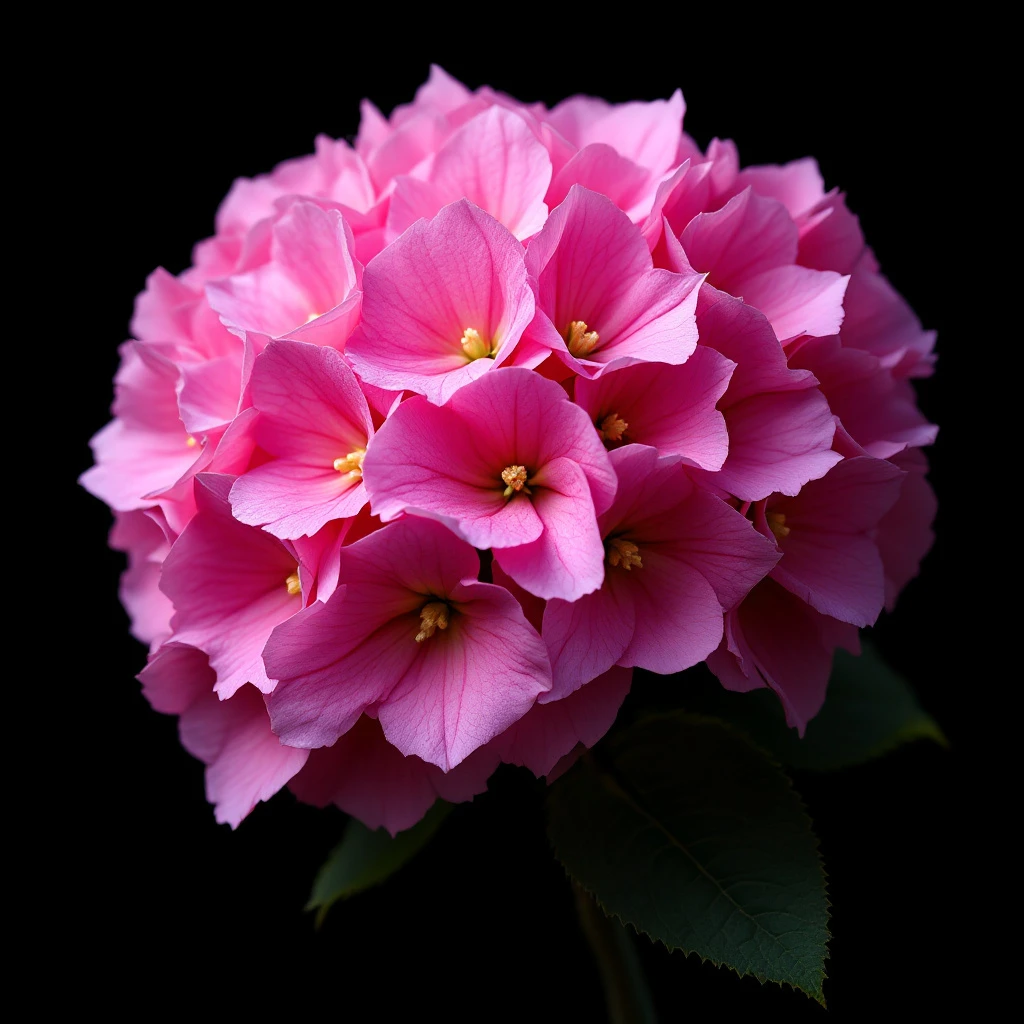
Pink Hydrangea brings a fresh, airy greenness to fragrances with subtle floral sweetness reminiscent of lilac and violet leaf. This delicate note captures the spirit of summer gardens in full bloom.
Character
How it smells
Fresh garden sweetness in bloom
Hydrangea flowers can shift from pink to blue depending on soil acidity, a trick controlled by aluminum absorption in the plant.





Origin
Japan
Hydrangea macrophylla originated in Japan, where it has grown wild across Honshu, Shikoku, and Kyushu for centuries. Japanese gardens have cultivated hydrangea as ornamental plants since the Edo period, with the flower becoming symbolically associated with heartfelt emotion and gratitude.
Western botanists first documented the species in the 1780s when Carl Thunberg described specimens from Japanese plant collections. The flower entered perfumery only recently, as analytical chemistry advanced enough to identify and recreate its subtle scent profile in the late 20th century.
Wears it best
Fragrances featuring Pink Hydrangea
Brands
Brands known for Pink Hydrangea
Good to know
Questions, answered
The essentials on Pink Hydrangea in perfumery: how it smells, where it comes from, and how it behaves on skin.
What does pink hydrangea smell like?
Pink hydrangea has a fresh, green-floral scent with subtle sweetness. Think of dewy garden air, cut stems, and delicate violet-like petals with a light, airy quality that reads as clean and uplifting.
Is pink hydrangea a natural fragrance ingredient?
Pink hydrangea is almost always synthetic. The flower produces negligible amounts of essential oil, so perfumers recreate its scent profile using aromatic chemicals that capture its green, slightly sweet floral character.
What note family does hydrangea belong to in perfumery?
Hydrangea functions as a floral heart note, often appearing in the top to heart transition where it provides immediate freshness before deeper florals take over. It frequently appears in spring and summer fragrance lines.
When did hydrangea first appear in commercial fragrances?
Hydrangea became a recognized note in perfumery during the 1990s and 2000s, as designers sought fresh, garden-inspired green florals distinct from traditional rose or jasmine compositions.
What synthetic molecules create the hydrangea scent?
Perfumers combine green compounds like cis-3-hexenol with floral aldehydes and phenylacetaldehyde derivatives to recreate hydrangea's characteristic fresh-petal character. The specific blend varies by manufacturer.
Do pink hydrangeas smell different from blue varieties?
The color difference in hydrangeas stems from soil pH affecting aluminum availability, not scent compounds. Both colors carry the same characteristic fresh-green-floral fragrance profile.
Which fragrance families commonly use hydrangea?
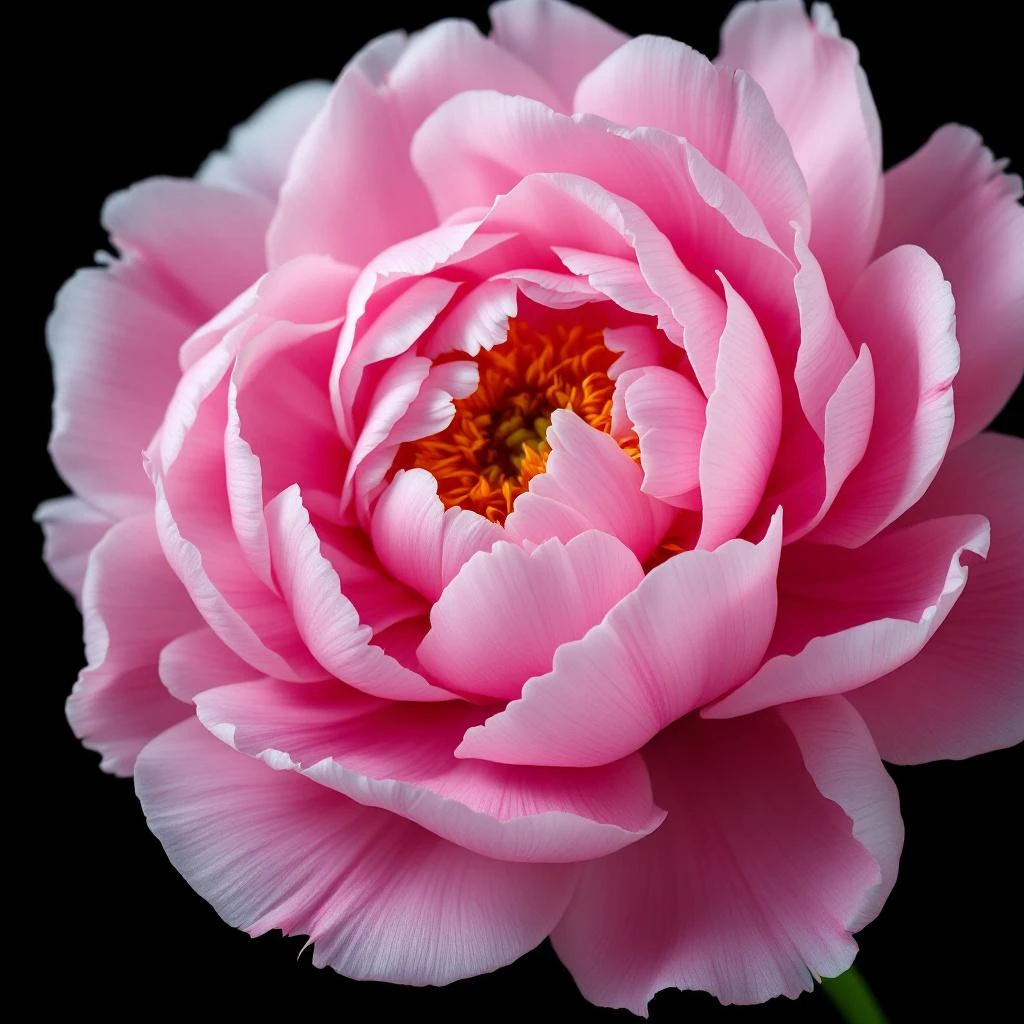
Hydrangea appears frequently in modern florals, green fragrances, and aquatic compositions. It works particularly well in combinations with lily of the valley, peony, magnolia, and fresh aquatic notes.
Why is natural hydrangea extraction impractical?
Hydrangea petals contain only trace amounts of volatile aroma compounds compared to rose or jasmine. Industrial extraction yields would be negligible, making synthetic recreation the only viable option for perfumery.




