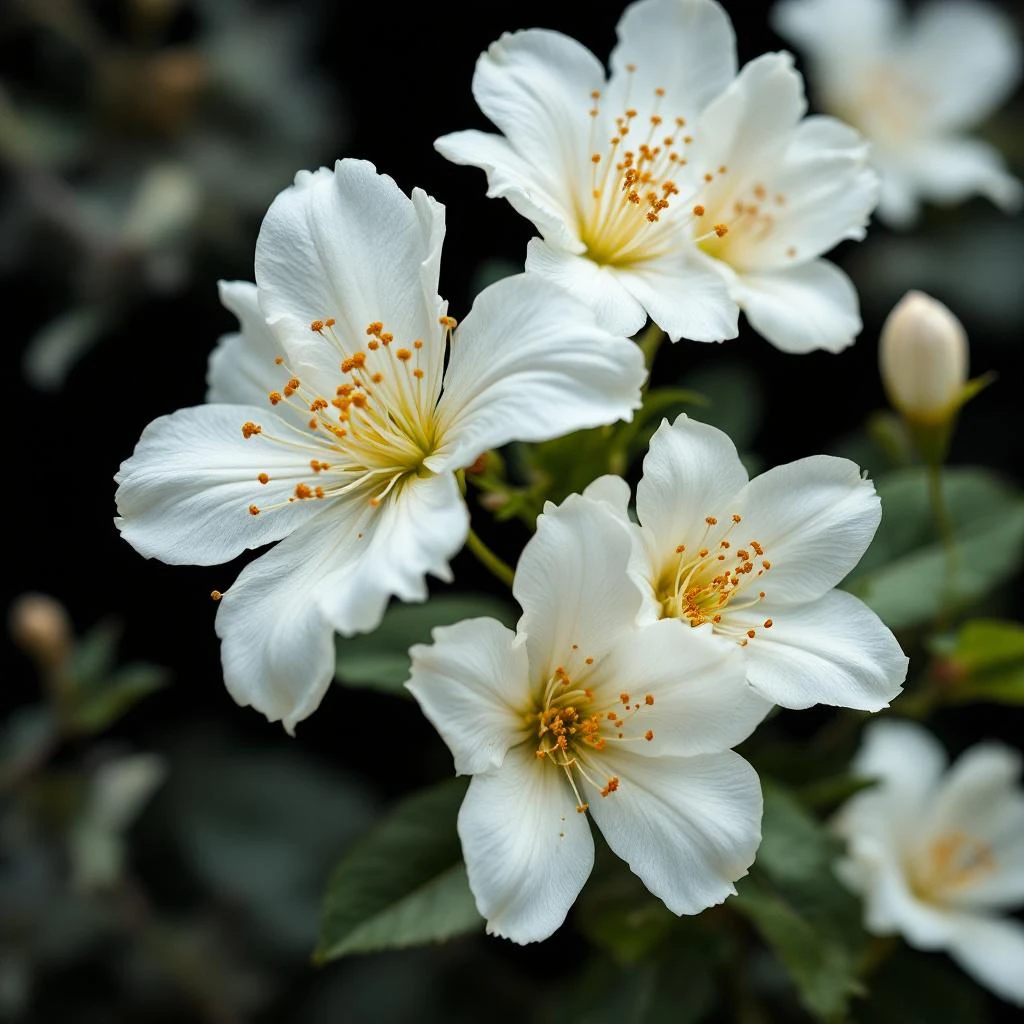
Pink Camellia
Pink camellia brings a soft, petal-like sweetness to modern perfumery. Its scent reads as creamy, faintly fruity, and gently green, capturing the freshness of a blossom just past its peak.
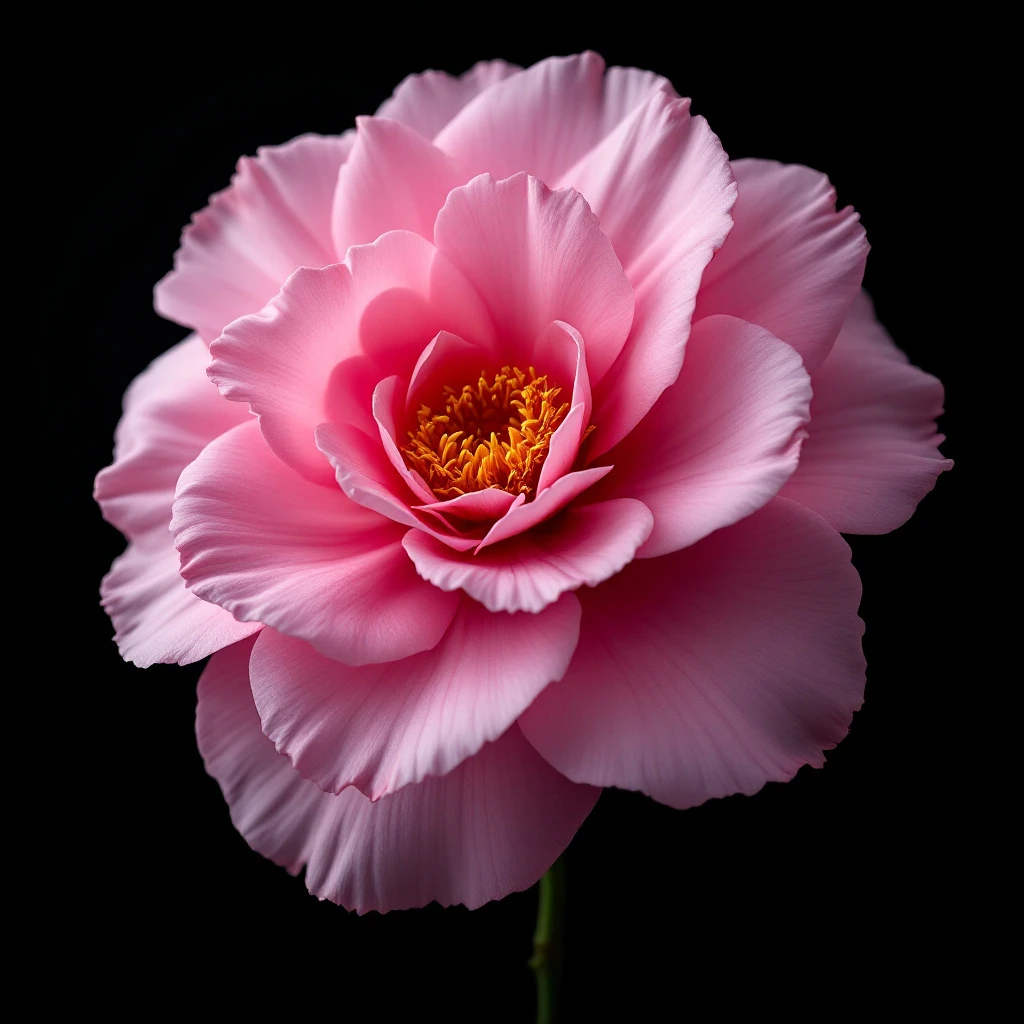
Character
How it smells
Soft petals, quiet sweetness.
Unlike jasmine or rose, camellia yields almost no essential oil through traditional distillation, so perfumers rely on carefully composed accords or CO2 extracts to recreate its scent.
Pairs beautifully with



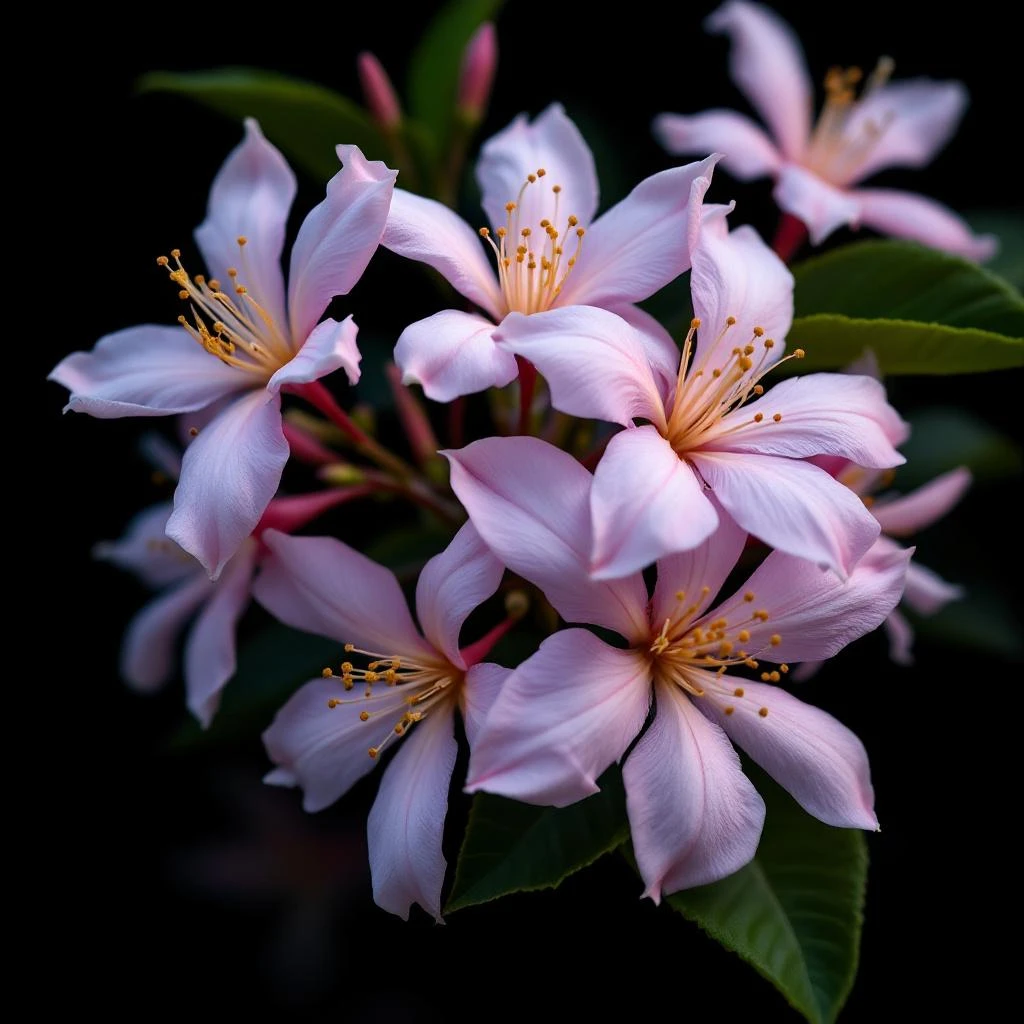

Origin
Japan
Camellias have been cultivated in China and Japan for centuries, prized as ornamental shrubs long before perfumers considered their scent. The pink-flowered Camellia japonica appeared in Chinese gardens by the 11th century and later spread along trade routes into Europe, where botanists classified it in the 18th century.
Unlike roses or jasmine, camellia never developed a strong tradition of aromatic use, since its petals release very little fragrance. That changed slowly in the late 20th century as niche perfumers began seeking quieter, more translucent florals.
Pink camellia appeared in select compositions in the early 2000s, valued for its pale, slightly fruity softness that sits well beside white musks and green tea accords. Today it signals a restrained, modern floral style rooted in an ancient garden flower.
Wears it best
Fragrances featuring Pink Camellia
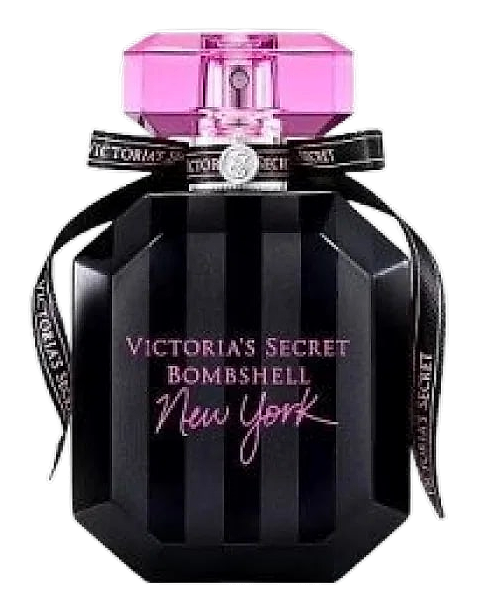
Brands
Brands known for Pink Camellia
Good to know
Questions, answered
The essentials on Pink Camellia in perfumery: how it smells, where it comes from, and how it behaves on skin.
What does pink camellia smell like?
Pink camellia has a soft, creamy floral scent with hints of green leaves, faint fruitiness, and a gentle powdery finish. It smells lighter and less indolic than jasmine, and less honeyed than rose. The note reads as airy and modern, often used to add subtle floral smoothness without dominating a composition.
Is pink camellia a natural or synthetic perfume ingredient?
Pink camellia is almost always represented through synthetic accords in mainstream perfumery. Natural extraction yields extremely low amounts of usable oil, making pure camellia extracts rare and costly. Most fragrances use a blend of aroma molecules designed to capture the flower's soft, green-floral character.
Where does pink camellia come from?
Pink camellia, Camellia japonica, is native to East Asia. It grows widely across Japan, particularly in regions like Kansai, and parts of southern China and South Korea. Commercial cultivation for the fragrance industry remains limited compared to its ornamental horticulture.
How is pink camellia extracted for perfume?
When a natural extract exists, fresh petals undergo supercritical CO2 or solvent extraction. These methods preserve the flower's fragile top notes without the heat damage caused by steam distillation. Yields are small, which is why synthetic interpretations are far more common in commercial perfumery.
What perfumes feature pink camellia?
Pink camellia appears in several niche and luxury florals, often paired with green tea, white musk, or soft citrus. It tends to feature in fragrances designed around translucent, modern florals rather than heavy oriental or gourmand styles. Availability varies by brand and seasonal collection.
Is pink camellia similar to rose or peony?
Pink camellia shares peony's fresh, slightly green softness, but it lacks peony's sharper citrus edge. Compared to rose, camellia is lighter, less honeyed, and more translucent. It occupies a middle ground between watery florals and classic powdery ones, making it useful for bright compositions.
When did camellia start being used in perfumery?
Camellia entered perfumery relatively late, mostly from the late 20th century onward. Traditional perfume cultures focused on higher-yield flowers like rose and jasmine. Modern interest in quieter florals brought camellia into niche fragrance houses during the early 2000s.
Is pink camellia safe for skin?
Pink camellia accord ingredients used in finished perfumes are formulated to meet IFRA safety standards. Individual sensitivities vary, but the synthetic molecules typically employed are tested for skin contact. As with any fragrance, a patch test is wise for those with known allergies.