Phlox
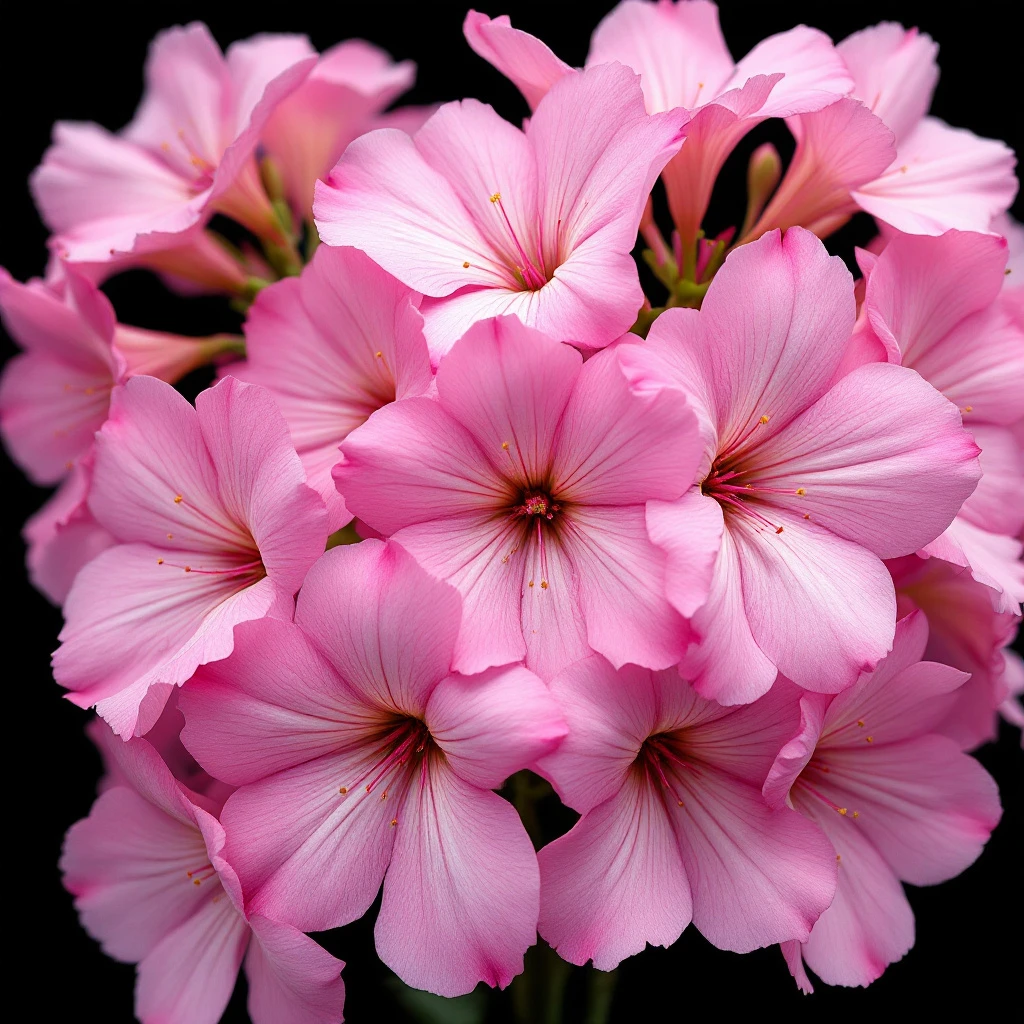
Phlox brings a sweet, honeyed floral whisper to fragrance. Though not traditionally extracted commercially, this North American wildflower inspires perfumers to recreate its soft, lingering garden scent in blends seeking an authentic floral realism.
Character
How it smells
North America's wildflower that perfumes gardens at dusk.
Phlox paniculata releases its strongest fragrance in the evening, specifically to attract nocturnal moths.





Origin
United States
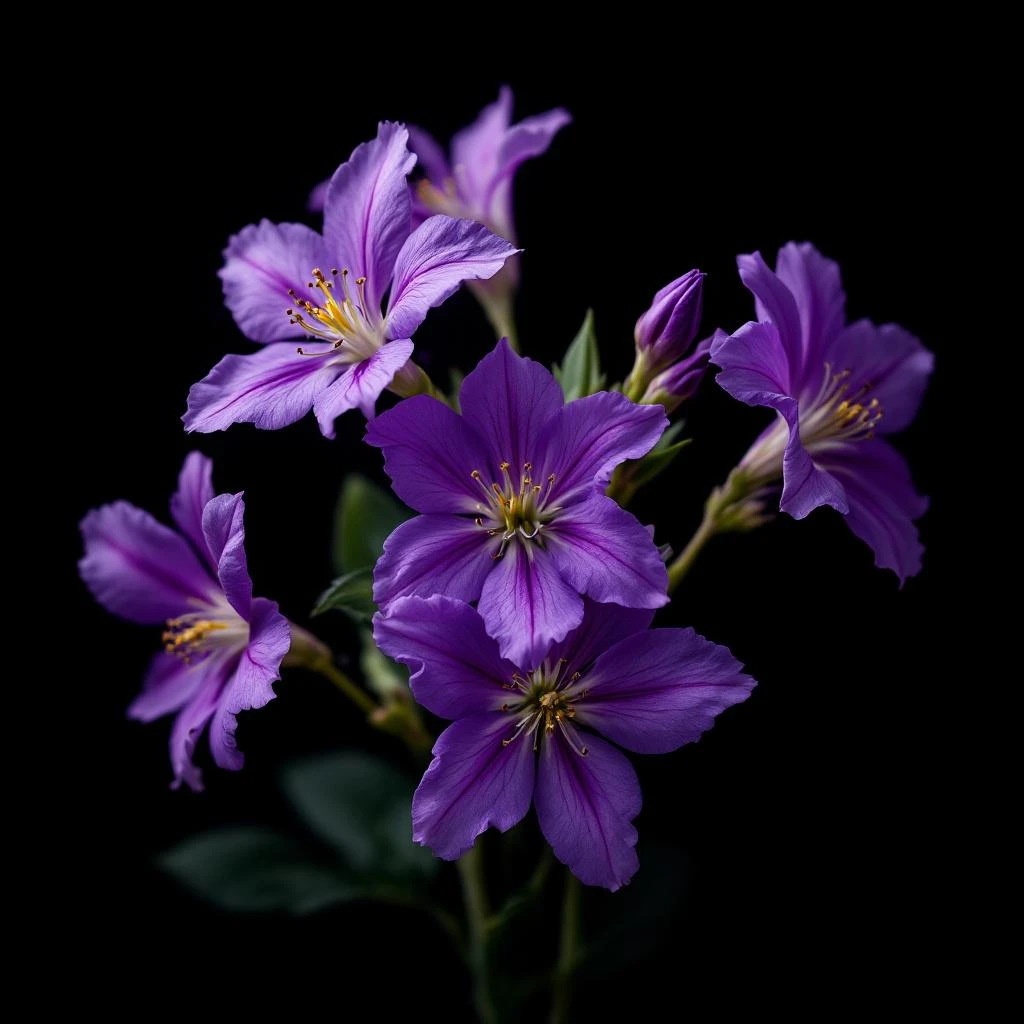
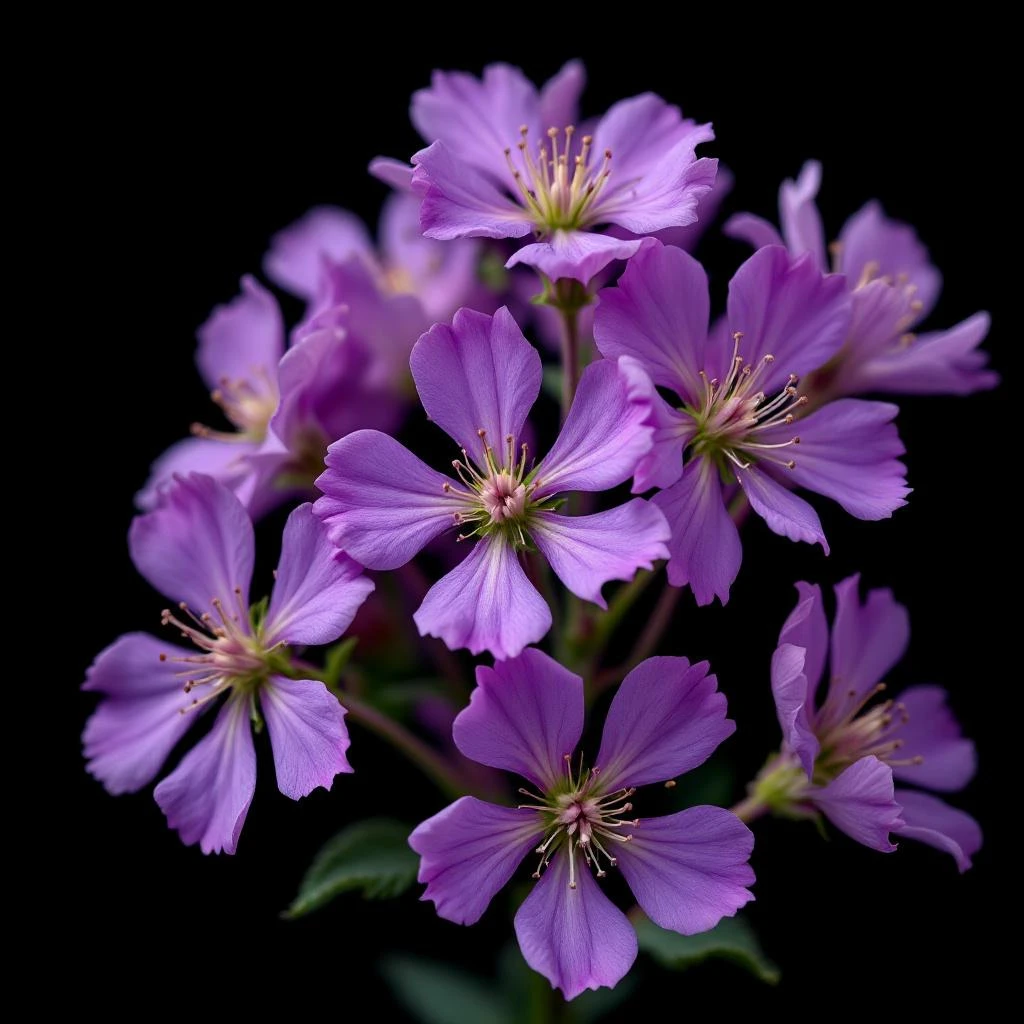
Phlox holds deep roots in North American flora, with over 60 species native to the continent from the Canadian woodlands to the Mexican highlands. Indigenous peoples of the Eastern Woodlands used certain phlox species in traditional medicine, particularly Phlox paniculata, known for its purported calming properties when prepared as a poultice.
European botanists first documented phlox in the early 18th century, and by the 1740s, colonial American gardeners were cultivating these plants extensively. The genus name derives from the Greek word for flame, describing the vivid colors of wild species.
Garden phlox became a staple of American estate gardens and Victorian flower beds by the 1800s. Though phlox never achieved the commercial fragrance status of rose or jasmine, its sweet evening scent has perfumed American landscapes for centuries, inspiring perfumers to capture its ephemeral garden character in modern compositions.
Wears it best
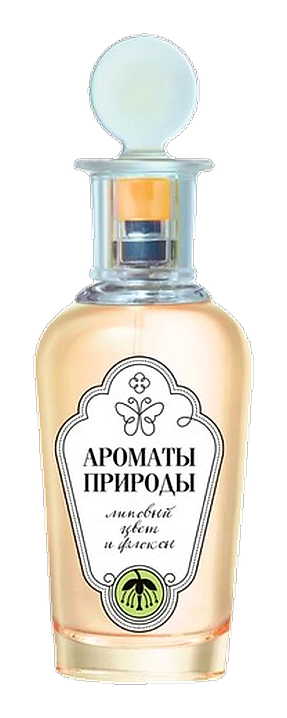
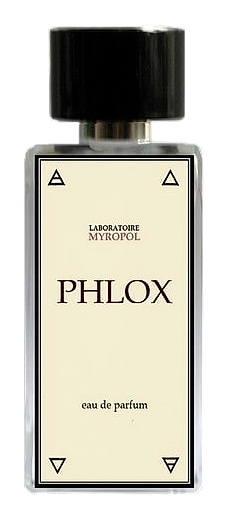
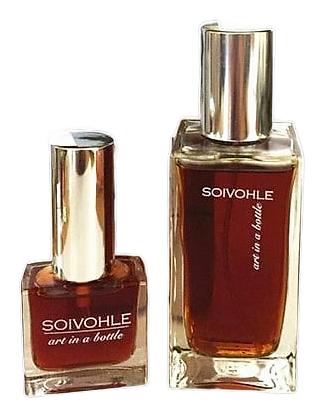
Fragrances featuring Phlox

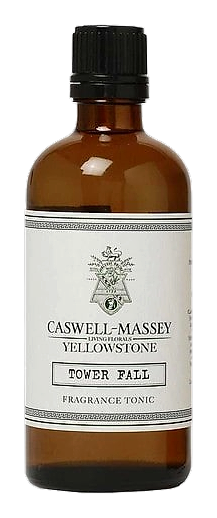
Brands
Brands known for Phlox
Good to know
Questions, answered
The essentials on Phlox in perfumery: how it smells, where it comes from, and how it behaves on skin.
Is phlox used as a real fragrance ingredient or is it always synthetic?
Phlox remains rarely extracted commercially. Most perfumers recreate its scent profile using synthetic accords rather than natural phlox extracts, making authentic phlox absolute exceptionally uncommon in the market.
What does phlox smell like?
Phlox carries a sweet, honey-like floral scent with dewy green undertones. Certain species like Phlox paniculata release their strongest fragrance during evening hours, making them particularly noted for nocturnal scent.
Which fragrance families commonly feature phlox notes?
Phlox appears most often in floral and green fragrance families. Niche perfumers use it to add authentic botanical realism, particularly in compositions themed around wildflower meadows or American gardens.
Can you make phlox absolute at home?
Small-batch extraction is possible using solvent extraction of freshly picked petals, though yields remain extremely low. The process requires substantial plant material for minimal output, making it impractical for most enthusiasts.
What compounds create phlox's characteristic scent?
Phlox fragrance derives from a combination of aromatic compounds including phenylacetaldehyde for honey notes, various terpene alcohols contributing to floral character, and green-scented aldehydes that add freshness.
Are all phlox species equally fragrant?
Fragrance varies significantly by species. Phlox paniculata and Phlox maculata offer notable sweetness, while creeping varieties like Phlox subulata have more subtle scent profiles.
Does phlox have traditional uses beyond perfumery?
Native American tribes used certain phlox species medicinally, particularly for treating minor wounds and skin irritations. Modern herbal applications remain limited compared to historical use.
Why isn't phlox more common in perfumery?
Phlox petals contain relatively low concentrations of aromatic compounds, making extraction economically inefficient. The delicate flowers also bruise easily, complicating handling at scale.



