Philippine Pink Pepper
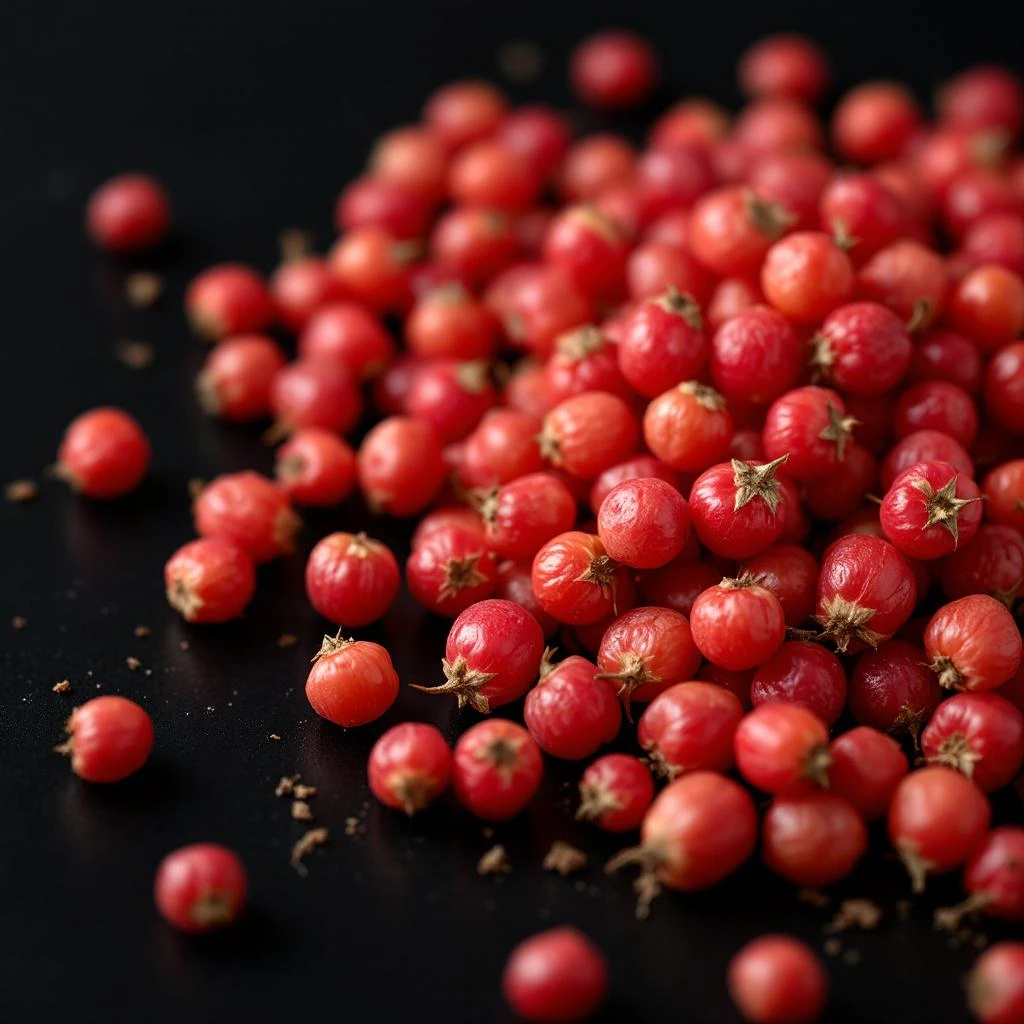
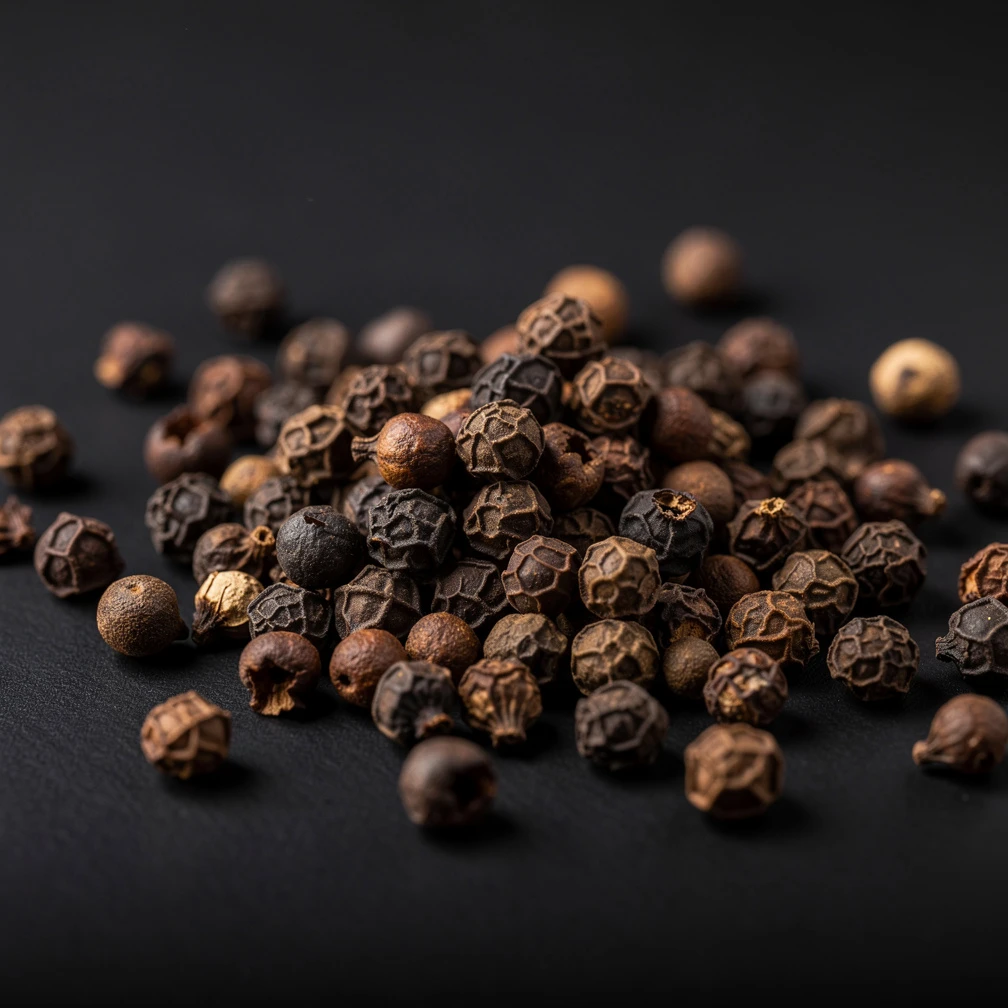
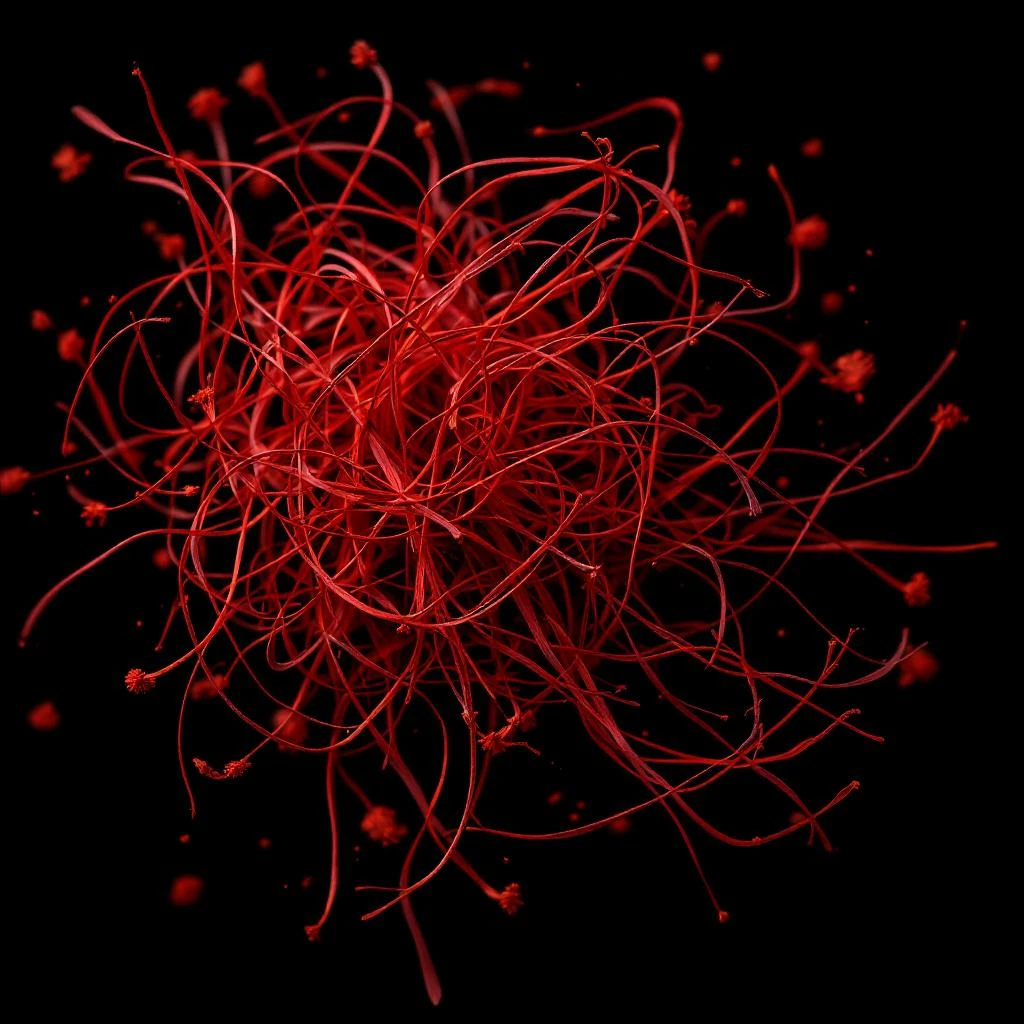
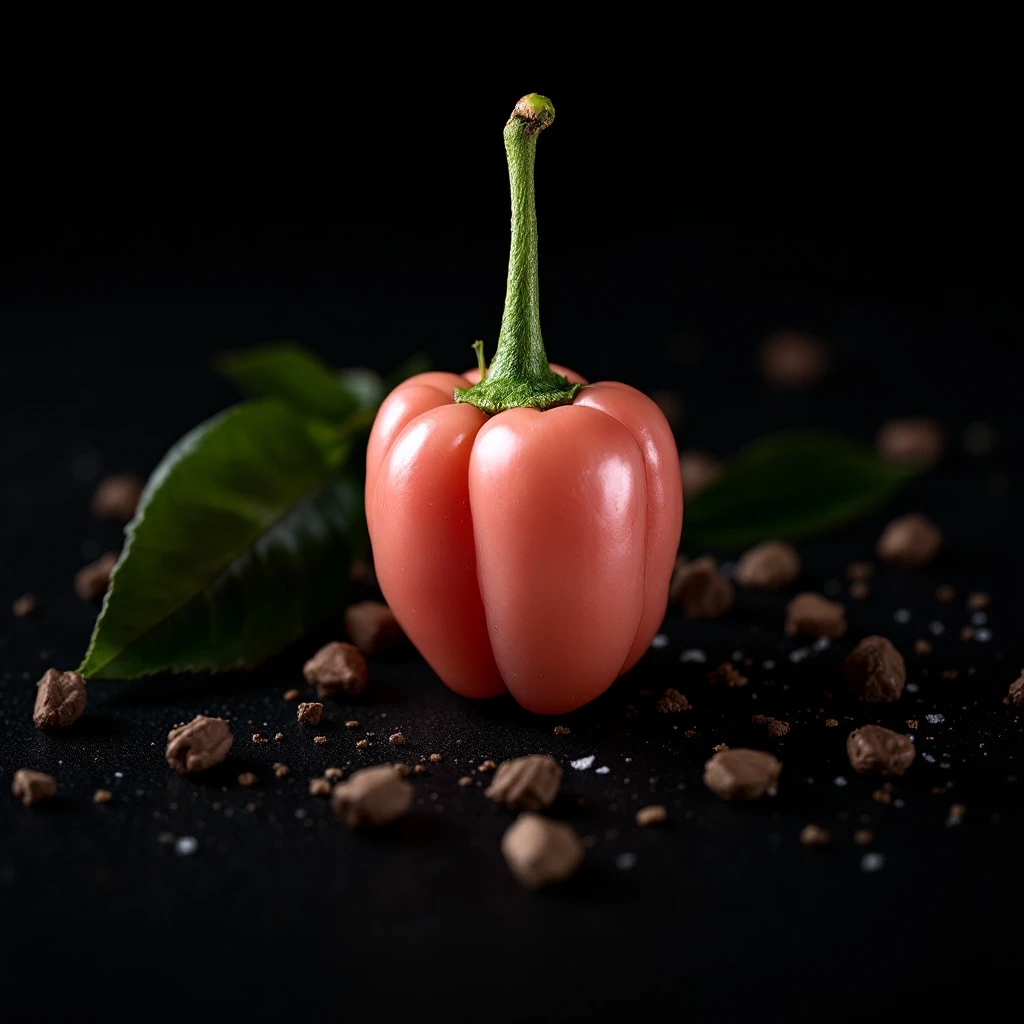
Philippine Pink Pepper brings a bright, cooling sparkle to compositions. Unlike black pepper's dry heat, this berry offers a crisp, slightly sweet piquancy that lifts top notes with airy freshness and subtle rosy undertones.
Character
How it smells
Cool spice with a sun-warmed glow
Despite its name, pink pepper is not a true pepper. The berries belong to the cashew family, making them closer botanical relatives to poison ivy than to Piper nigrum.






Origin
Philippines
The Philippine archipelago has long harbored wild stands of Schinus molle, introduced centuries ago through trade routes connecting Southeast Asia to South America. Indigenous communities recognized the aromatic properties of these coral-pink berries well before commercial perfumery took notice. By the late twentieth century, Philippine growers began cultivating the trees specifically for the fragrance industry, taking advantage of the islands' volcanic soil and consistent tropical climate to produce berries with distinctive aromatic intensity.
The species itself carries a remarkable history; its original Andean homeland spans Peru and Brazil, where pre-Columbian peoples used the resin and fruit for medicinal preparations and ritual ceremonies. Spanish colonists spread the tree across their Pacific trading routes, and it naturalized in the Philippines by the 1700s. Filipino harvesters developed traditional methods of drying the berries on woven mats before sun exposure concentrated their essential oil content.
Today, Philippine pink pepper occupies a respected position in perfumery as a regional terroir expression of this globally traveled spice.
Wears it best
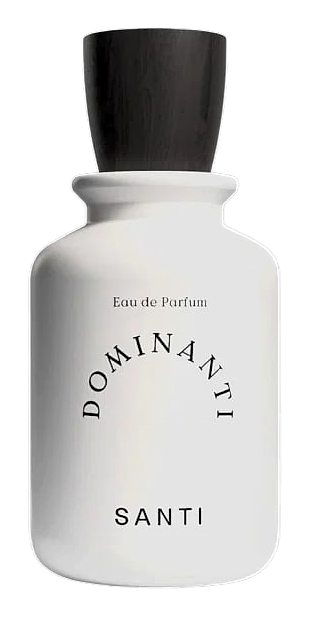
Fragrances featuring Philippine Pink Pepper
Good to know
Questions, answered
The essentials on Philippine Pink Pepper in perfumery: how it smells, where it comes from, and how it behaves on skin.
What does Philippine Pink Pepper smell like?
Philippine Pink Pepper smells crisp, slightly sweet, and sparkling with a cooling sensation. Unlike black pepper's heavy heat, it carries a fresh piquancy with subtle rosy and citrus undertones, making it ideal for brightening fragrance openings.
Is pink pepper related to black pepper?
No. Pink pepper comes from Schinus molle, a tree in the Anacardiaceae (cashew) family, while black pepper derives from Piper nigrum vines. Botanically, pink pepper is closer to cashews and mangoes than to true peppercorns.
Where is Philippine Pink Pepper sourced?
It is sourced from Schinus molle trees cultivated across the Philippine archipelago, particularly in regions with volcanic soil. The tree was introduced from South America centuries ago and naturalized throughout the islands.
How is Philippine Pink Pepper oil extracted?
The oil is typically obtained through steam distillation of dried berries, though supercritical CO2 extraction is increasingly used. This newer method captures a fuller range of aromatic compounds for a richer final profile.
Can you eat pink pepperberries?
Culinary-grade pink peppercorns are generally safe in small quantities, though some people with cashew-family sensitivities may experience reactions. The perfumery-grade material is not intended for consumption.
What perfumes use Philippine Pink Pepper?
Many contemporary fragrances feature pink pepper as a top-note accent, including compositions from major houses seeking a modern, sparkling spicy character. Philippine-sourced material is valued for its consistent quality.
Is pink pepper sustainable?
Pink pepper production is relatively sustainable when managed properly, as Schinus molle grows rapidly and abundantly. New extraction methods using leaves instead of berries further reduce harvest pressure on the trees.
How does Philippine Pink Pepper differ from Peruvian pink pepper?
Philippine Pink Pepper, grown in tropical island volcanic soils, often shows brighter citrus-tinged facets, while Peruvian material tends toward warmer, more resinous tones. Both share the signature cooling piquancy.