Philippine Coconut
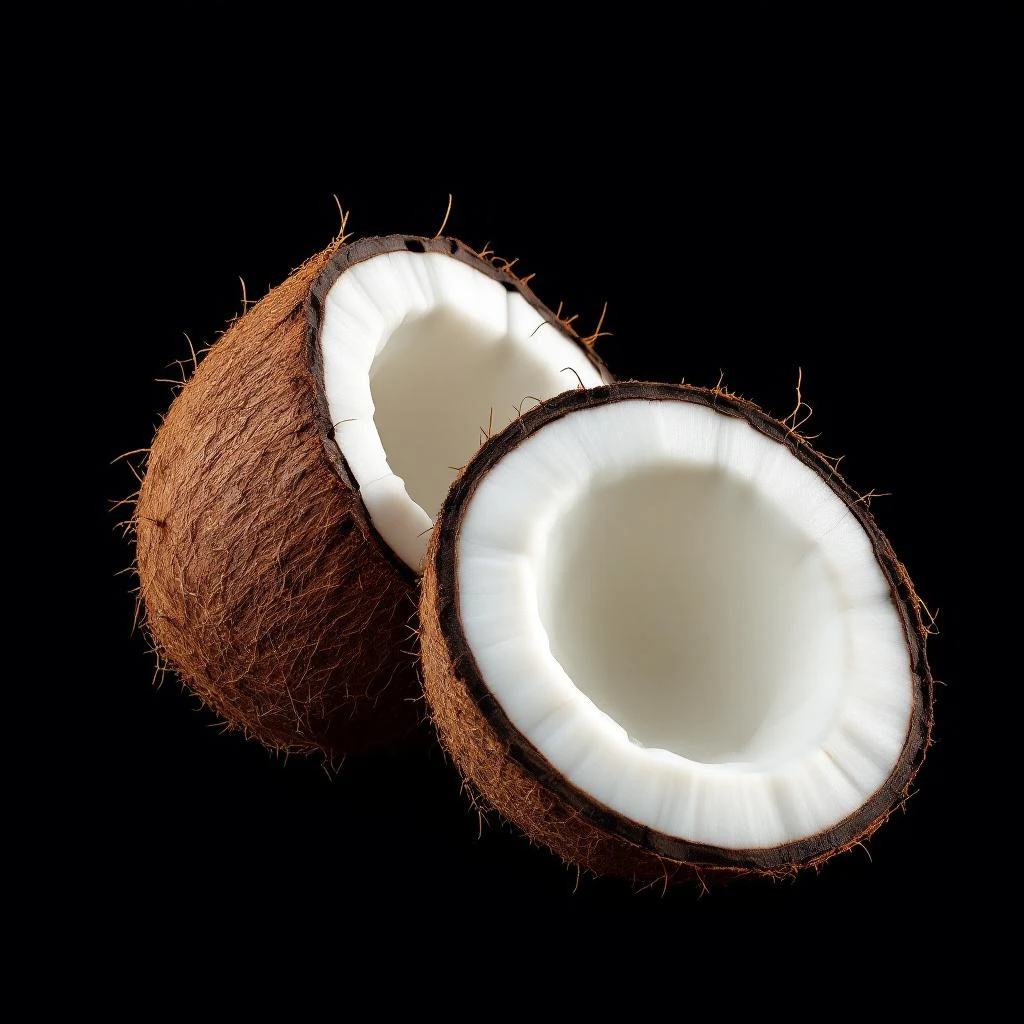
Tropical milk and sun-warmed husk: Philippine coconut brings creamy, addictive warmth to fragrances that evoke island serenity and coastal ease.
Character
How it smells
Liquid warmth from the island groves
The Philippines ranks among the world's top coconut producers, with the fruit taking up to 12 months to fully mature on the tree.



Origin
Philippines
Coconut has shaped Southeast Asian culture for thousands of years, though its role in fine perfumery developed more recently than other tropical materials. Filipino communities used coconut oil for centuries in traditional perfumery as a fixative and carrier for fragrant flowers. The fruit became more prominent in Western perfumery during the 20th century as tropical and exotic fragrance themes gained popularity.
Geurlain's seminal 1981 release Mitsouko introduced coconut to luxury perfumery audiences, though coconut notes became truly mainstream in the 1990s and 2000s with the rise of tropical and beach-inspired fragrances. Today, coconut appears across all fragrance categories, from niche natural perfumery to mass-market summer lines, valued for its ability to convey warmth, sensuality, and exotic escape.
Wears it best
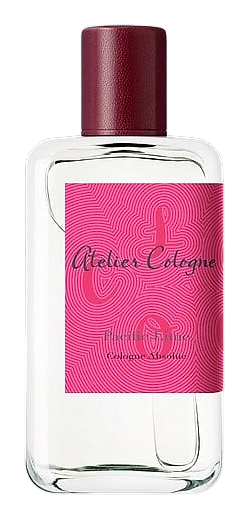
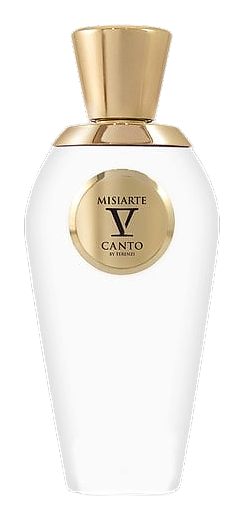
Fragrances featuring Philippine Coconut
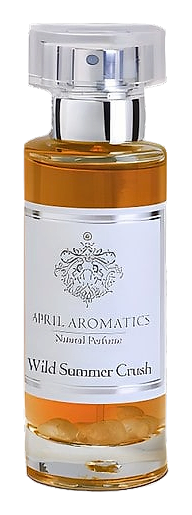
Brands
Brands known for Philippine Coconut
Good to know
Questions, answered
The essentials on Philippine Coconut in perfumery: how it smells, where it comes from, and how it behaves on skin.
What does Philippine coconut smell like in perfume?
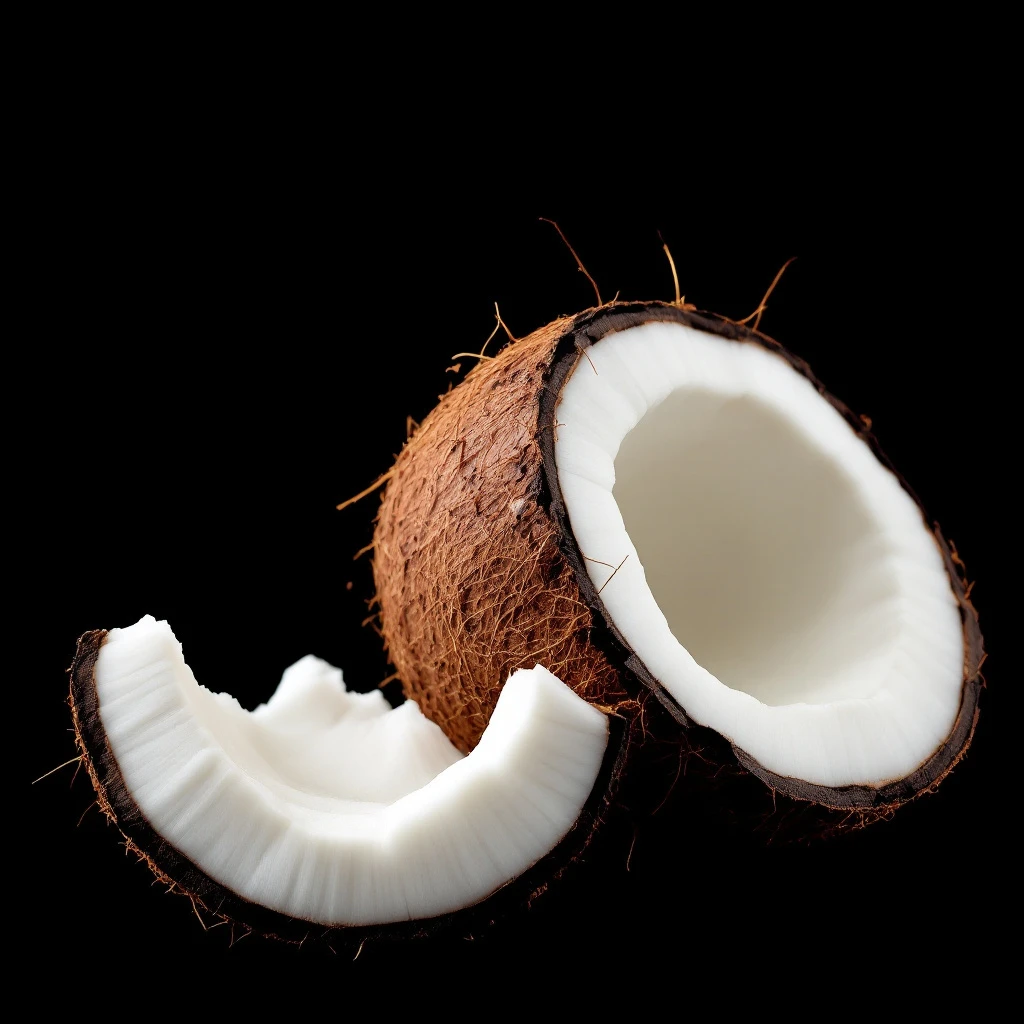
Philippine coconut typically presents as creamy, sweet, and milky with subtle tropical fruit undertones. The scent evokes fresh coconut flesh rather than suntan lotion, with warm lactonic notes that feel intimate and inviting.
Is coconut a natural or synthetic perfumery ingredient?
Both forms exist in modern perfumery. Natural coconut comes from cold-pressed or solvent-extracted coconut oil. Aroma chemicals like delta-decalactone replicate coconut characteristics for formulations requiring consistency or specific intensity levels.
What fragrance families commonly feature coconut?
Floral, oriental, and woody fragrances frequently incorporate coconut. It also anchors tropical and Gourmand compositions, pairing well with vanilla, sandalwood, jasmine, and marine notes.
Does coconut function as a fixative in perfume?
Coconut oil has moderate fixative properties due to its fatty acid composition. Perfumers often use it in natural bases to extend the longevity of lighter top notes and add creamy depth to compositions.
Which extraction method produces the best coconut absolute?
Solvent extraction of dried coconut kernel yields the most complete aromatic profile. Cold pressing preserves fresh, clean coconut character but captures fewer of the deeper, creamier nuances found in absolutes.
What sustainability concerns affect coconut in perfumery?
Coconut farming raises concerns around monoculture practices, pesticide use, and land conversion in producing regions. Sustainable sourcing certifications help ensure ethical production while maintaining quality standards.
Can coconut notes work in winter fragrances?
Yes. Coconut pairs effectively with warm spices, vanilla, benzoin, and sandalwood in autumn and winter compositions, where its creamy character adds comfort and richness rather than suggesting summer themes.
What coconut alternatives exist for perfumers?
Gamma-nonalactone offers a coconut-like creamy note. For natural perfumers, coconut CO2 extract or fractionated coconut oil provides options. Some use bamboo salt or rice bran to approximate coconut's fatty, clean character.