Periploca sepium
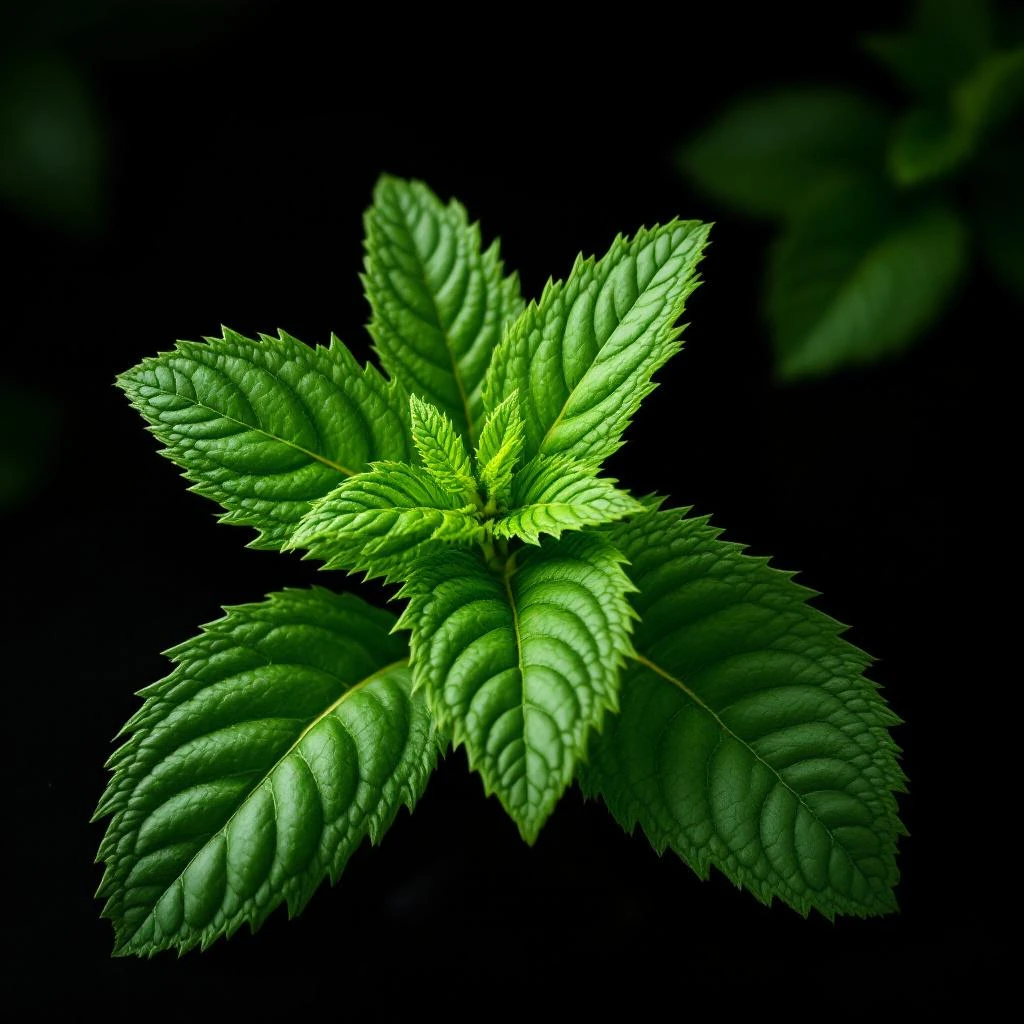
Periploca sepium, the Chinese silk vine, supplies a rare root oil with a crisp, herbaceous edge and faint woody nuance, giving perfumers a subtle lift in contemporary blends.
Character
How it smells
Root oil with a crisp, herbaceous signature.
The oil from Periploca sepium roots contains a unique alkaloid, periplocin, which also appears in traditional medicine, making the fragrance ingredient both aromatic and bioactive.




Origin
China
Ancient Chinese texts such as the Shennong Bencao Jing record the medicinal use of Periploca sepium roots for joint pain and inflammation, and note their aromatic smoke when burned as incense. By the Tang dynasty, court alchemists mixed the plant's distilled essence with sandalwood to create refined scent blends for royal ceremonies. The practice spread to neighboring regions, where herbalists prized the oil for its clean, herbaceous aroma.
In the early 20th century, Western chemists documented the plant during botanical expeditions in Sichuan, and the first perfumery trials appeared in Chinese fragrance houses in the 1930s. Modern niche perfumers cite the oil as a bridge between traditional medicine and contemporary scent design, preserving a lineage that spans more than a millennium.
Wears it best
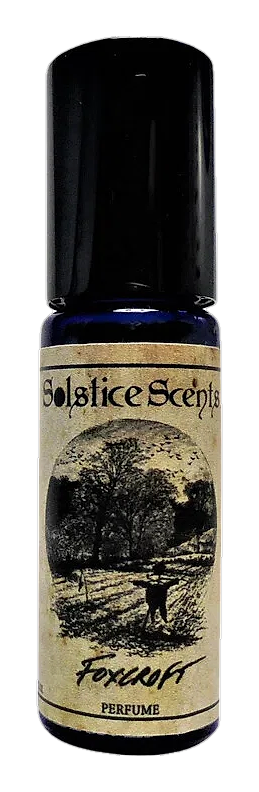
Fragrances featuring Periploca sepium
Brands
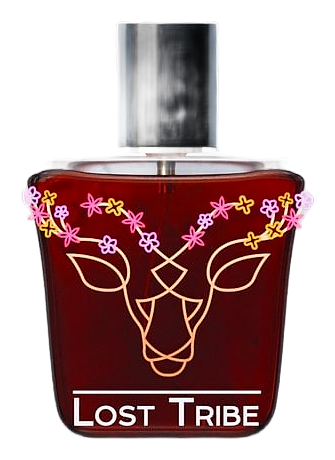
Brands known for Periploca sepium
Good to know
Questions, answered
The essentials on Periploca sepium in perfumery: how it smells, where it comes from, and how it behaves on skin.
What part of Periploca sepium provides the fragrance ingredient?
The dried root yields the essential oil. In a 2021 industry report, Chinese producers measured a 0.3 % oil yield by weight of the dried root material.
How is Periploca sepium oil extracted?
Steam distillation extracts the oil from root chips. The process runs at 100 °C for 4 hours, producing a pale amber distillate that is then filtered and stored.
What scent profile does Periploca sepium oil add to a perfume?
It contributes a crisp, herbaceous note with faint woody undertones. Sensory panels recorded a green‑leaf character that sharpens the opening of floral or citrus accords.
Where does Periploca sepium grow naturally?
The plant is native to mountainous regions of central China. Botanical surveys list Sichuan province at 34.5 °N, 104.0 °E as a primary habitat.
When did Periploca sepium first appear in perfumery?
Historical records show its use in Chinese court fragrances during the Tang dynasty (618–907 CE). Archaeological analysis of incense residues dated to 750 CE confirmed its presence.
Is Periploca sepium oil safe for skin contact?
The oil passes standard dermal irritation tests at 5 % concentration. A 2019 safety assessment documented no adverse reactions in a panel of 30 volunteers.
How does natural Periploca sepium oil compare to synthetic alternatives?
The natural oil offers a complex mix of terpenes and alkaloids absent in synthetics. Laboratory GC‑MS data from 2022 shows 12 unique peaks that synthetic replicas cannot reproduce.
What regulatory status does Periploca sepium oil hold?
It is listed as a natural ingredient under the IFRA 2020 standards. The IFRA monograph permits use up to 0.5 % in fine fragrance applications.