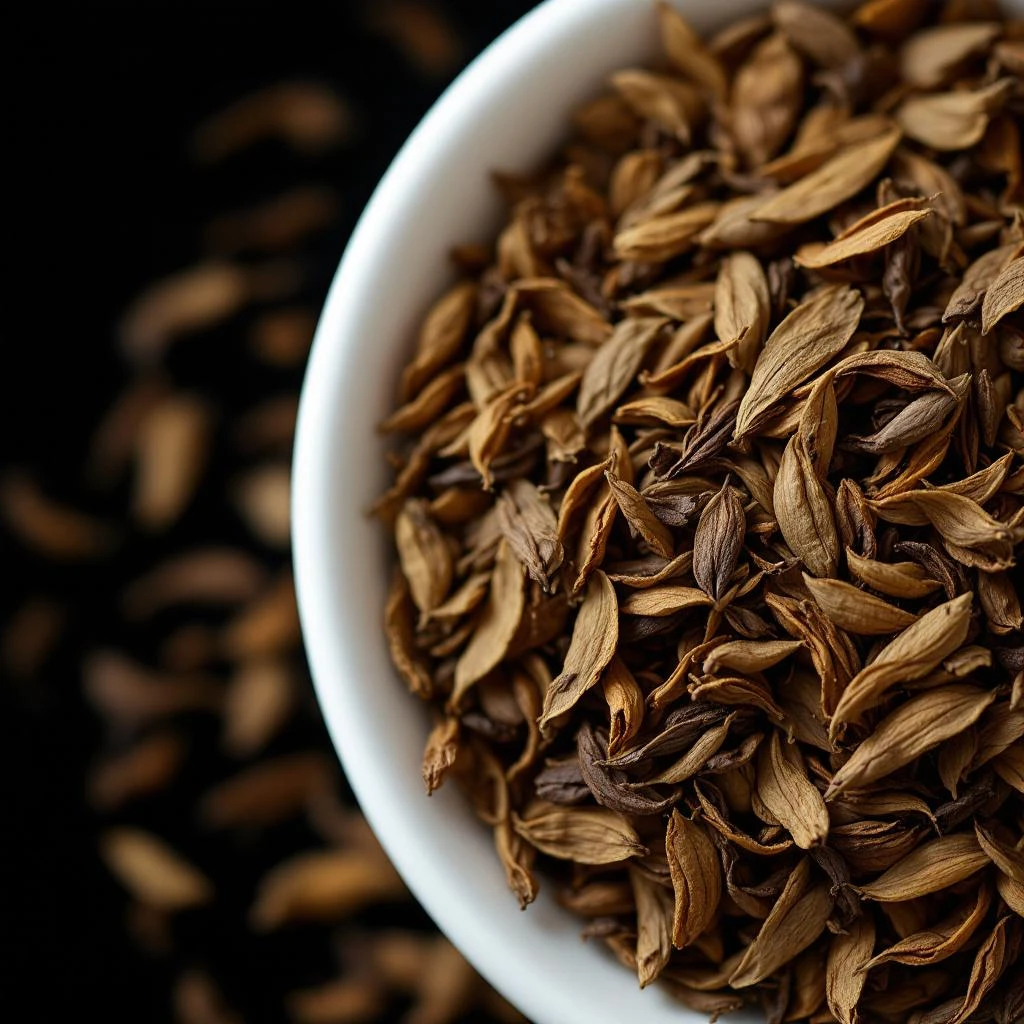
Bluegrass
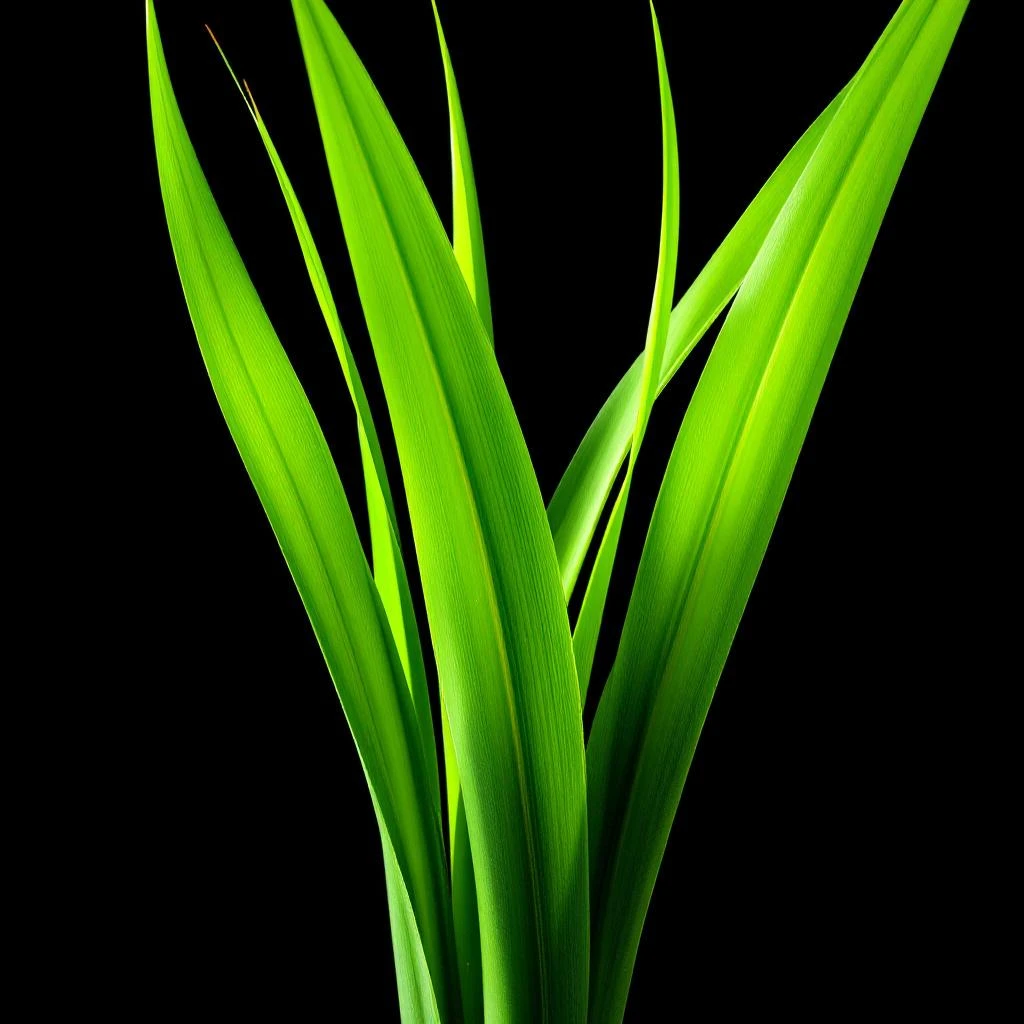
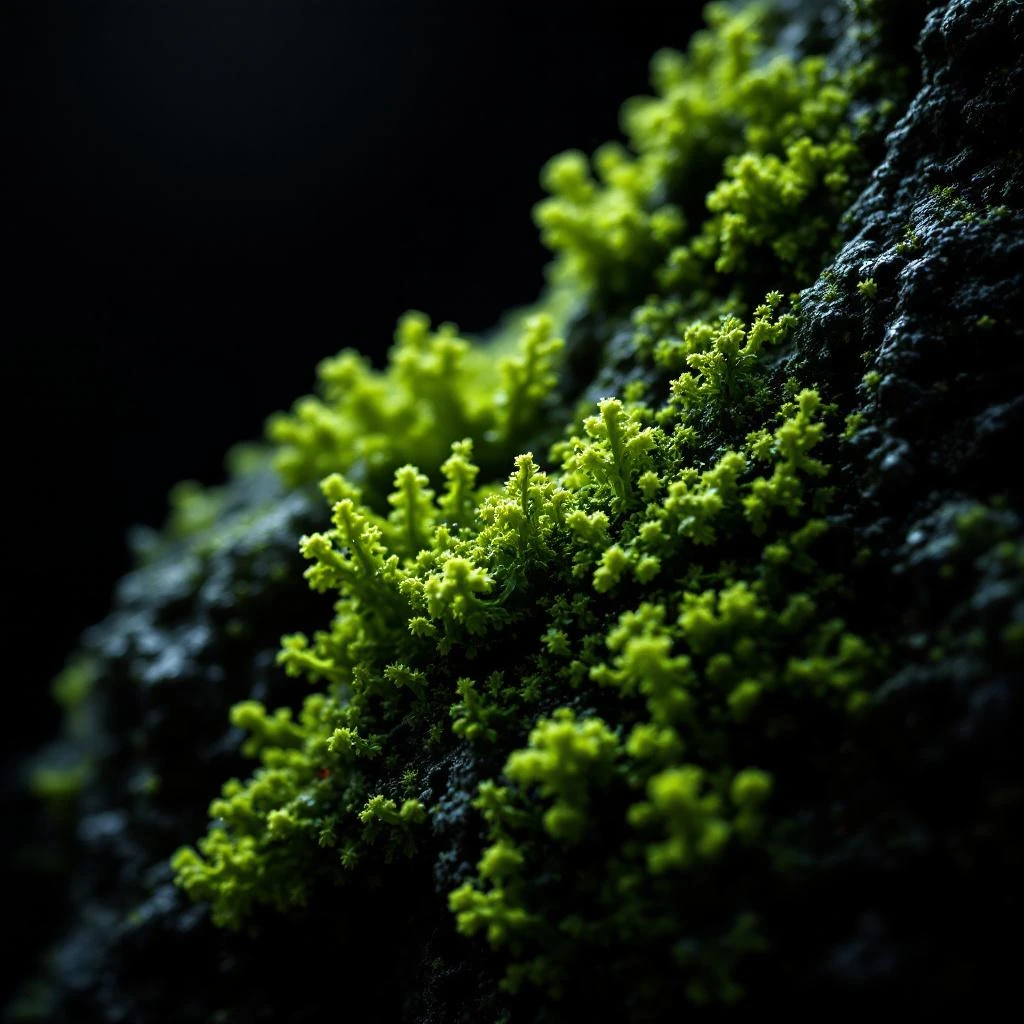
Bluegrass captures the scent of sunlit meadows and morning dew on fresh-cut lawns. This bright, verdant note brings the outdoors into fragrance, evoking wide-open American pastures and the quiet beauty of grasslands in summer.

Character
How it smells
Fresh-cut meadows in a bottle.
cis-3-hexen-1-ol, the primary compound creating that fresh-cut grass smell, is called the "leaf alcohol" and was first isolated in 1962.



Origin
United States
Kentucky Bluegrass earned its name from the blue-purple hue that blankets central Kentucky's limestone meadows each June. European colonists brought the grass to North America in the 1600s, though the plant had grown across European meadows for centuries before.
The Bluegrass State's thoroughbred farms and horse breeding traditions cemented this grass variety into American cultural identity. In perfumery, green grass notes gained recognition in the early 20th century when French and American fragrance houses began exploring outdoor, nature-inspired accords.
The Kentucky Bluegrass region's global reputation for exceptional grass cultivation influenced how perfumers named and categorized this green note family. Today, bluegrass remains a staple in fresh, sporty, and nature-inspired fragrances, valued for its ability to bring brightness, authenticity, and outdoor immediacy to compositions.
Wears it best
Fragrances featuring Bluegrass
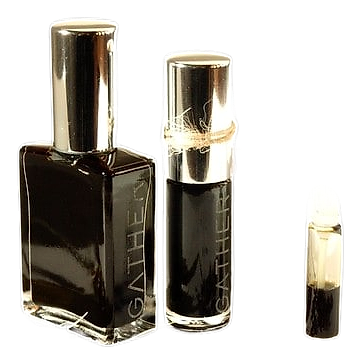

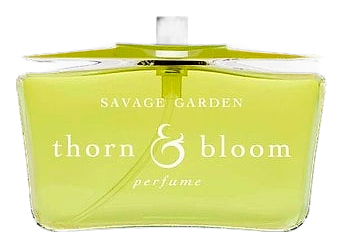
Brands
Brands known for Bluegrass
Good to know
Questions, answered
The essentials on Bluegrass in perfumery: how it smells, where it comes from, and how it behaves on skin.
What does bluegrass smell like in perfume?
Bluegrass has a fresh, green, grassy scent resembling freshly cut lawn and summer meadows. It carries bright, dewy top notes with subtle hay-like undertones.
Is bluegrass a natural or synthetic fragrance ingredient?
Both exist in modern perfumery. Natural bluegrass comes from steam-distilled Kentucky Bluegrass, while most commercial bluegrass notes are high-quality synthetic accords replicating the natural scent profile.
How is bluegrass fragrance extracted?
Steam distillation is the primary method. Fresh grass is harvested before flowering and distilled for 4-6 hours, yielding approximately 0.02-0.05% essential oil by weight.
What gives bluegrass its characteristic scent?
The fresh, green character comes primarily from cis-3-hexen-1-ol, known as the "leaf alcohol." This compound appears in trace amounts but dominates the perceived grass scent.
Where does bluegrass grow best?
Kentucky Bluegrass thrives in temperate climates with limestone-rich soil, particularly between 37-39 degrees north latitude. The Kentucky Bluegrass region remains the global benchmark for this variety.
Which fragrances feature bluegrass as a prominent note?
Bluegrass appears frequently in fresh, sporty, and nature-inspired fragrances. It pairs well with citrus, aquatic, and other green notes in modern perfume compositions.
Is natural bluegrass essential oil better than synthetic versions?
Natural steam-distilled bluegrass offers complex botanical nuances but lacks consistency due to seasonal variation. Synthetics provide reliable, year-round availability for perfumers.
What is the history of bluegrass in perfumery?
Green grass accords emerged as a recognized fragrance category in early 20th-century French and American perfumery. Kentucky's reputation for exceptional grass cultivation influenced how perfumers named this note family.