Peony Bud
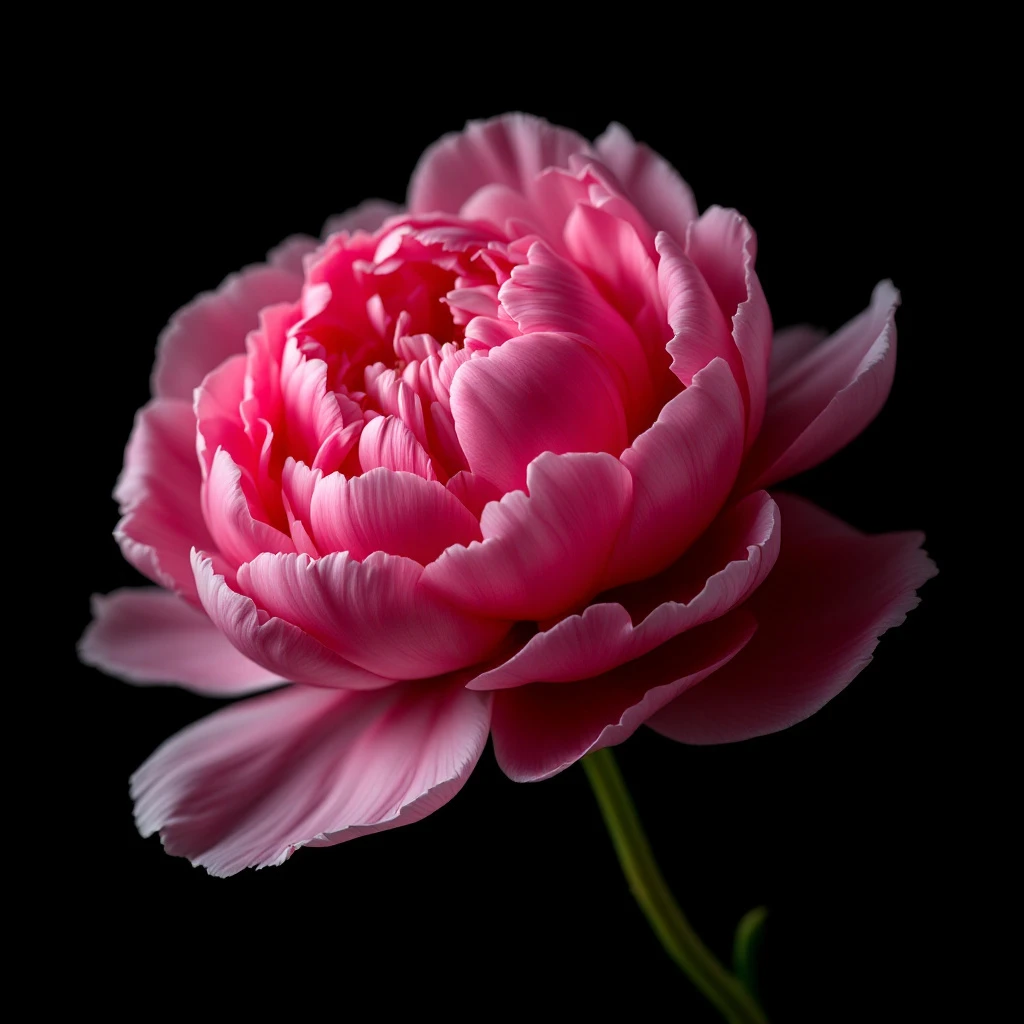
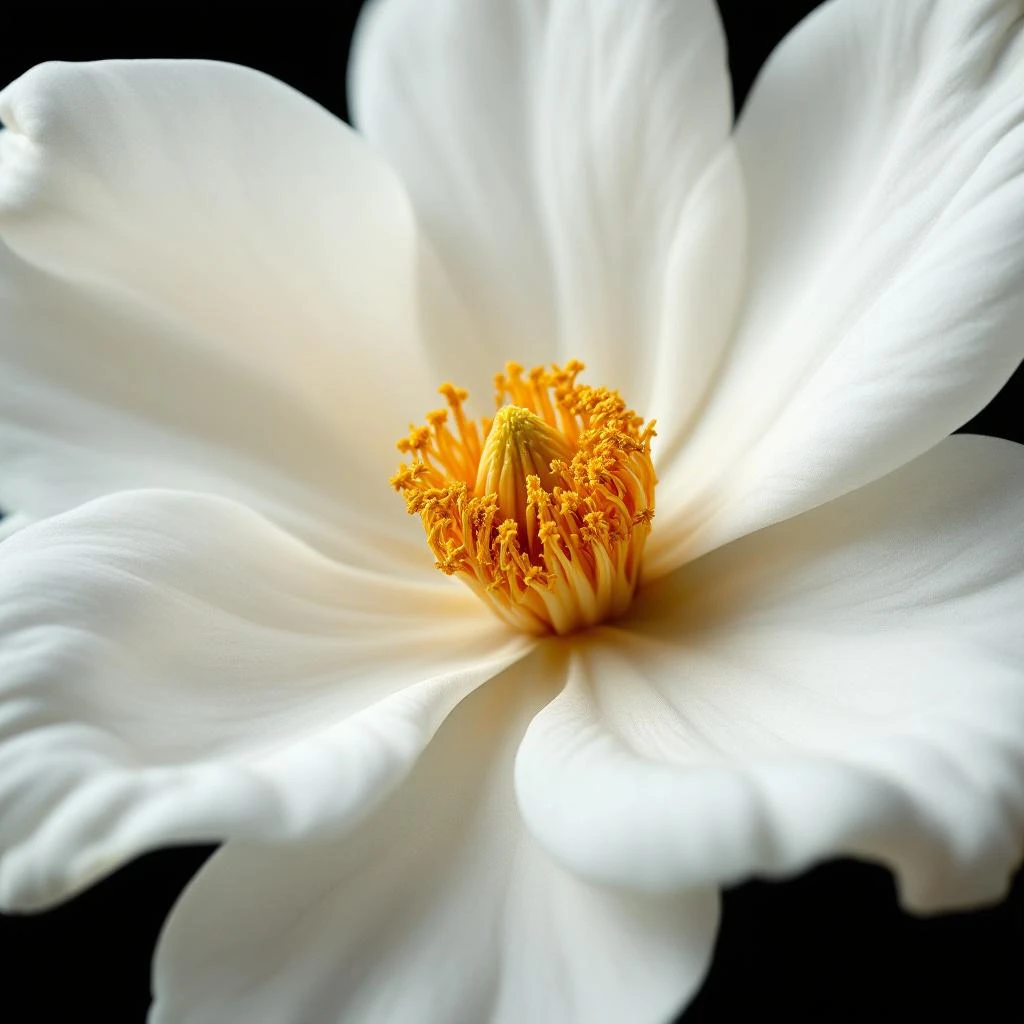
Peony bud is a perfumer's invention. This lush flower releases no extractable aroma, so chemists rebuild its scent from rose alcohols and complementary aromatics to capture peony's fresh, rosy blossom character.
Character
How it smells
The mute flower perfumers learned to speak.
Peonies have been cultivated for over 1,000 years in China, where they once grew only in imperial gardens.



Origin
China
The peony carries thousands of years of human fascination beyond its perfumery applications. Native to China, Paeonia lactiflora has been cultivated since at least the Tang Dynasty, when it earned the title of "flower of honor" and grew exclusively in imperial gardens.
Ancient Chinese physicians incorporated peony root into Traditional Chinese Medicine, using it to treat night sweats, injuries, and digestive complaints. The plant traveled westward along trade routes, eventually becoming a symbol of prosperity and honor in European gardens by the 18th century.
Despite centuries of cultivation, perfumers only began working with peony accords in the late 20th century, when synthetic chemistry advanced enough to reconstruct its elusive scent. Today, peony remains one of the few major florals that exists entirely through perfumery artistry rather than botanical extraction.
Wears it best
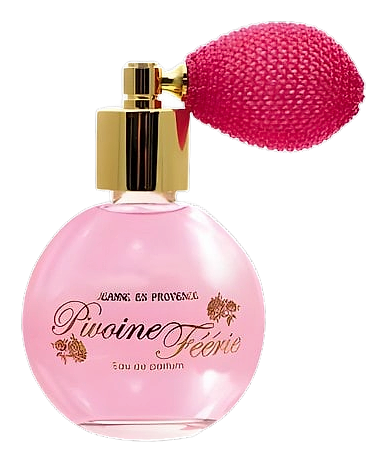
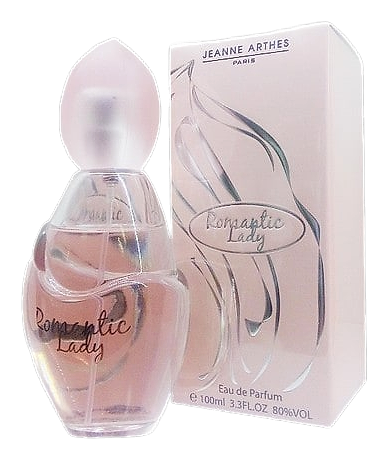
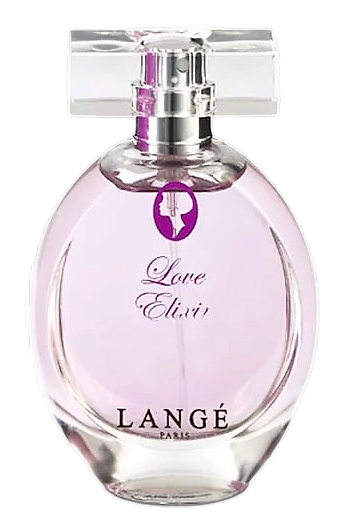
Fragrances featuring Peony Bud

Brands
Brands known for Peony Bud
Good to know
Questions, answered
The essentials on Peony Bud in perfumery: how it smells, where it comes from, and how it behaves on skin.
Is peony a real perfume ingredient?
No, peony is not a real perfume ingredient in the traditional sense. The peony flower produces no extractable aroma, making it what perfumers call a mute flower. All peony notes in fragrance are synthetic accords constructed from materials like rose alcohols, bergamot, and ester compounds.
Why can't peony be extracted like other flowers?
Peony releases no volatile aromatic compounds during extraction processes. Steam distillation and solvent extraction both fail to capture its scent because the flower simply does not produce extractable essential oils the way roses, jasmines, or lavender do.
What does peony smell like in perfume?
Peony accord smells fresh, rosy, and slightly green—like biting into a just-opened peony blossom. It carries watery, dewy qualities mixed with soft powderiness and subtle sweetness reminiscent of rose.
How do perfumers create the peony scent?
Perfumers build peony accord starting with rose alcohols as the foundation. They layer in materials like rose oxide for greenness, bergamot for freshness, and various aromatic esters to achieve the lush, powdery floral character that defines peony.
Are there natural peony extracts available?
No natural peony extracts exist on the market. Every fragrance labeled as containing peony actually uses synthetic accord. This is why peony appears in ingredient lists inconsistently across different brands.
Which flowers are also mute flowers?
Lilac and honeysuckle share this characteristic with peony. None of these flowers yield extractable aromas, so perfumers must construct their scents artificially using other aromatic materials.
Has peony always been synthetic in perfumery?
Peony only entered perfumery in the late 20th century, and always in synthetic form. Modern perfumery's ability to create convincing floral accords made peony's recreation possible decades after its visual popularity in gardens.
What family does peony belong to?
Peony belongs to the Paeoniaceae family. Paeonia lactiflora, the Chinese peony, is the primary species used in cultivation. The root has historical use in Traditional Chinese Medicine, though this differs entirely from its perfumery application.




