Pear Water
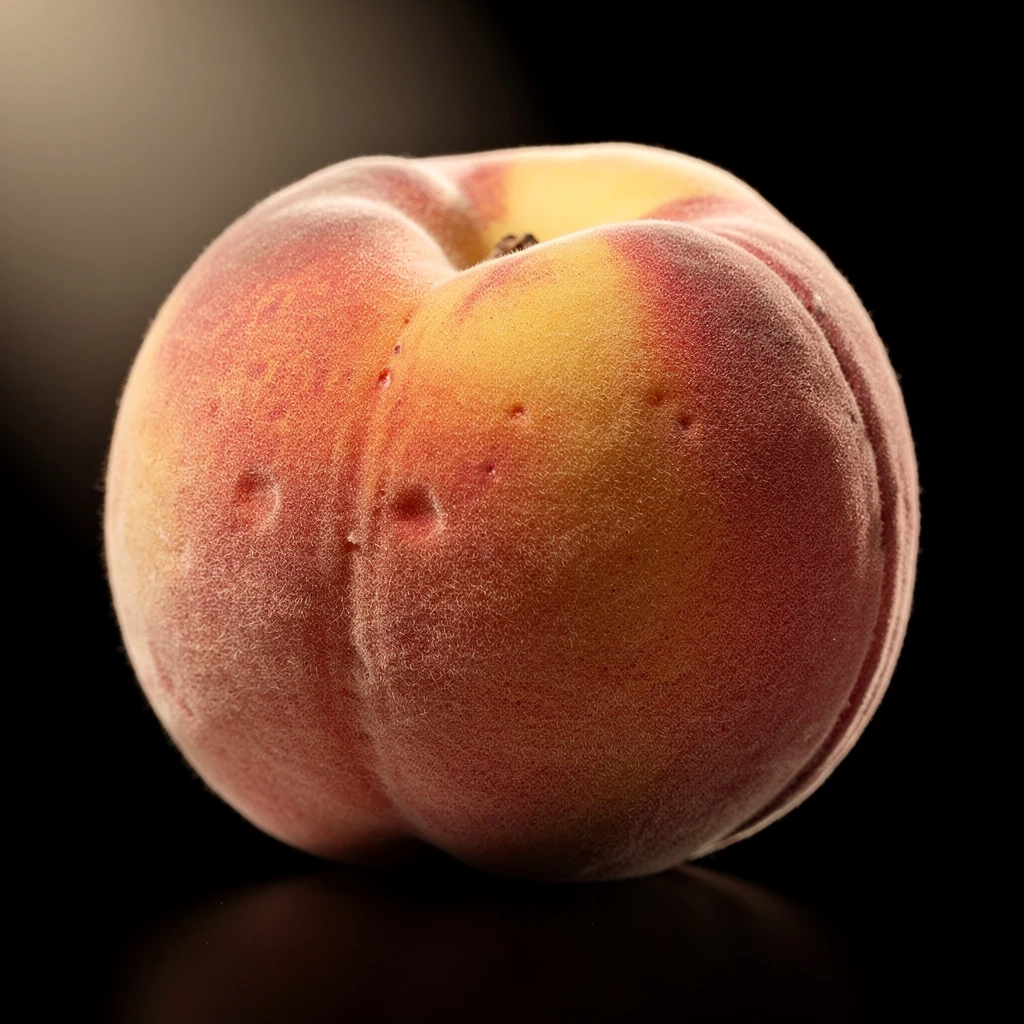
A crisp, juicy facet of fruity perfumery. Pear water captures the green-fresh bite of orchard fruit, lending instant brightness and modern vitality to fragrances.
Character
How it smells
Orchard-fresh, green-fruity brilliance.
China produces roughly 16 million tonnes of pears annually, around 70% of global output.





Origin
China
Pears rank among the oldest cultivated fruits, grown across Europe and Asia for thousands of years. The ancient Romans appreciated pears as food and medicine, yet true pear essence eluded early perfumers. Unlike rose petals or jasmine flowers, pears lack sufficient volatile compounds for practical natural extraction.
The emergence of synthetic chemistry in the late 19th century changed this limitation. As perfumers gained access to aroma chemicals that could replicate natural scents, pear joined vanillin, coumarin, and other reconstructed notes in the perfumer's palette. This development opened fruity, fresh character to modern fragrance composition.
Today, pear appears prominently in contemporary fruity-florals and green fragrances. The word itself traces through Old English pera to Latin pirum, reflecting the fruit's deep roots in Western culture.
Wears it best
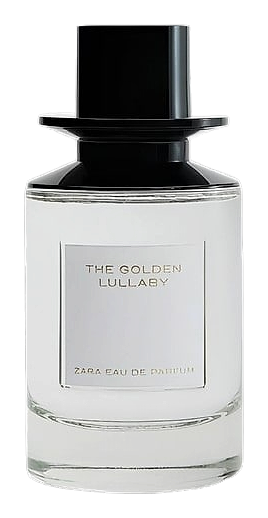
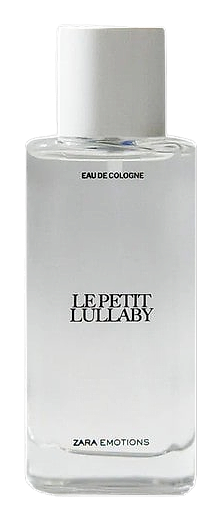
Fragrances featuring Pear Water
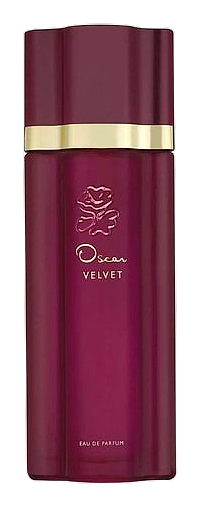
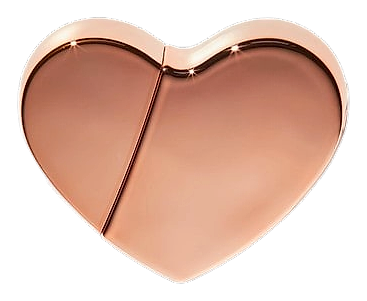
Brands
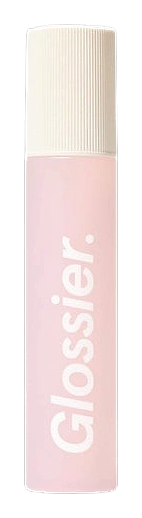
Brands known for Pear Water
Good to know
Questions, answered
The essentials on Pear Water in perfumery: how it smells, where it comes from, and how it behaves on skin.
Is pear water natural or synthetic in perfumery?
Pear water is typically synthetic in modern perfumery. Natural pear essence exists but demands enormous fruit quantities due to low volatile content, making it impractical. Most perfumers use aroma chemicals like ethyl 2,4-decadienoate to achieve consistent pear character.
What aroma chemicals create pear scent?
Ethyl 2,4-decadienoate serves as the primary pear-imparting chemical, replicating the fruit's distinctive ester profile. Blends often include isoamyl acetate for fruity brightness and undeca-1,5,6-triene for green, skin-like authenticity.
Does natural pear extract exist?
Natural extracts exist but remain uncommon and expensive. Pear hydrolat from distillation and CO2 extracts offer subtle natural alternatives. Both require significant fruit volumes, limiting commercial availability.
Where does pear rank in fragrance pyramids?
Pear functions as a top note, delivering immediate freshness upon application. Its volatility means it appears prominently in the opening minutes, fading within the first hour as heart and base notes develop.
What notes complement pear water?
Pear pairs naturally with light florals like jasmine and rose, citrus elements including bergamot, and green notes such as galbanum. These combinations create the fruity-floral and green fragrance families where pear appears most frequently.
What fragrance families feature pear?
Pear dominates fruity-floral compositions, bright chypres, and modern green fragrances. It appears across women's and men's lines, valued for its approachable freshness and contemporary appeal.
How long does pear last on skin?
Natural pear character dissipates quickly as a top note. Modern aromachemicals like stemone extend presence while preserving green quality. Expect 30 minutes to 1 hour of noticeable pear character on skin.
What is the historical background of pear in perfumery?
Pears have grown worldwide for millennia, yet their perfume use required 19th-century chemistry. Before synthetic aroma chemicals, no practical method existed to capture pear essence. Only after organic synthesis emerged did pear become a standard perfumery note.