Peach Water
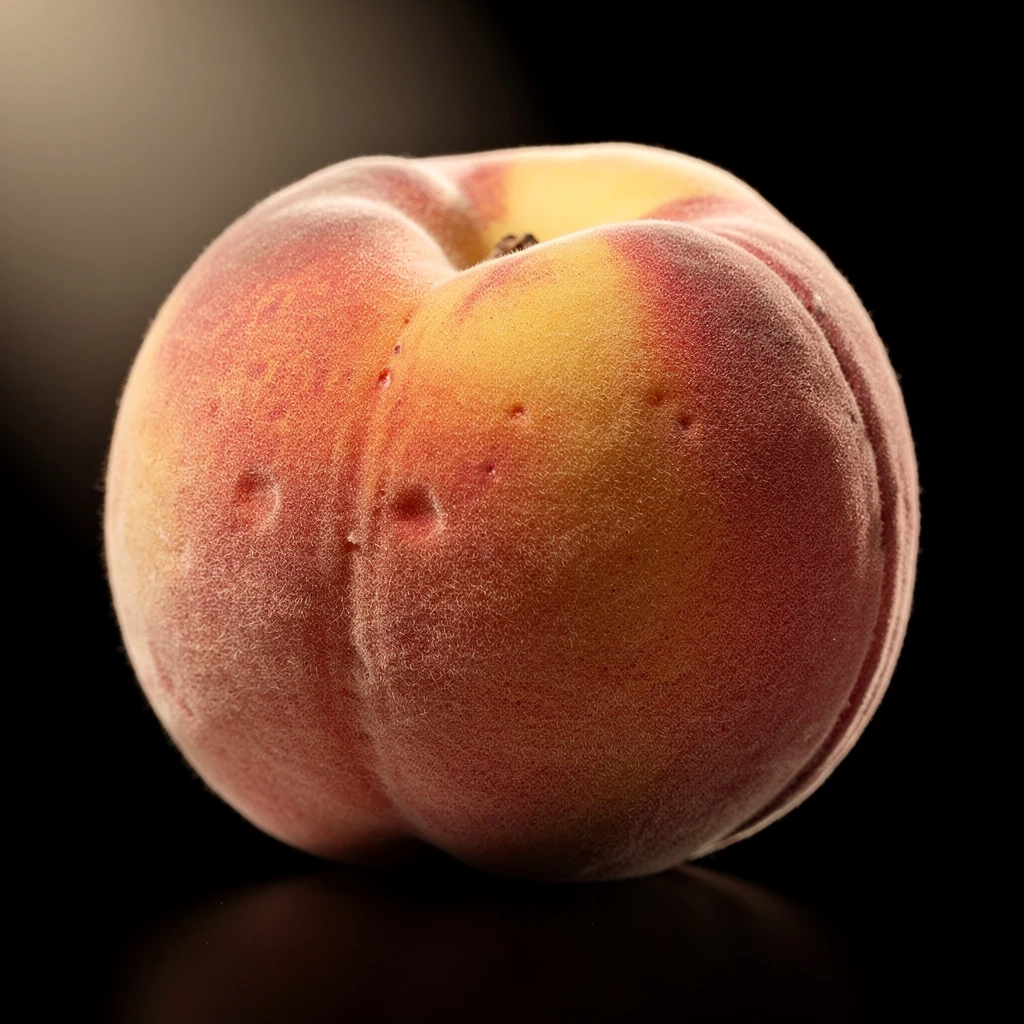
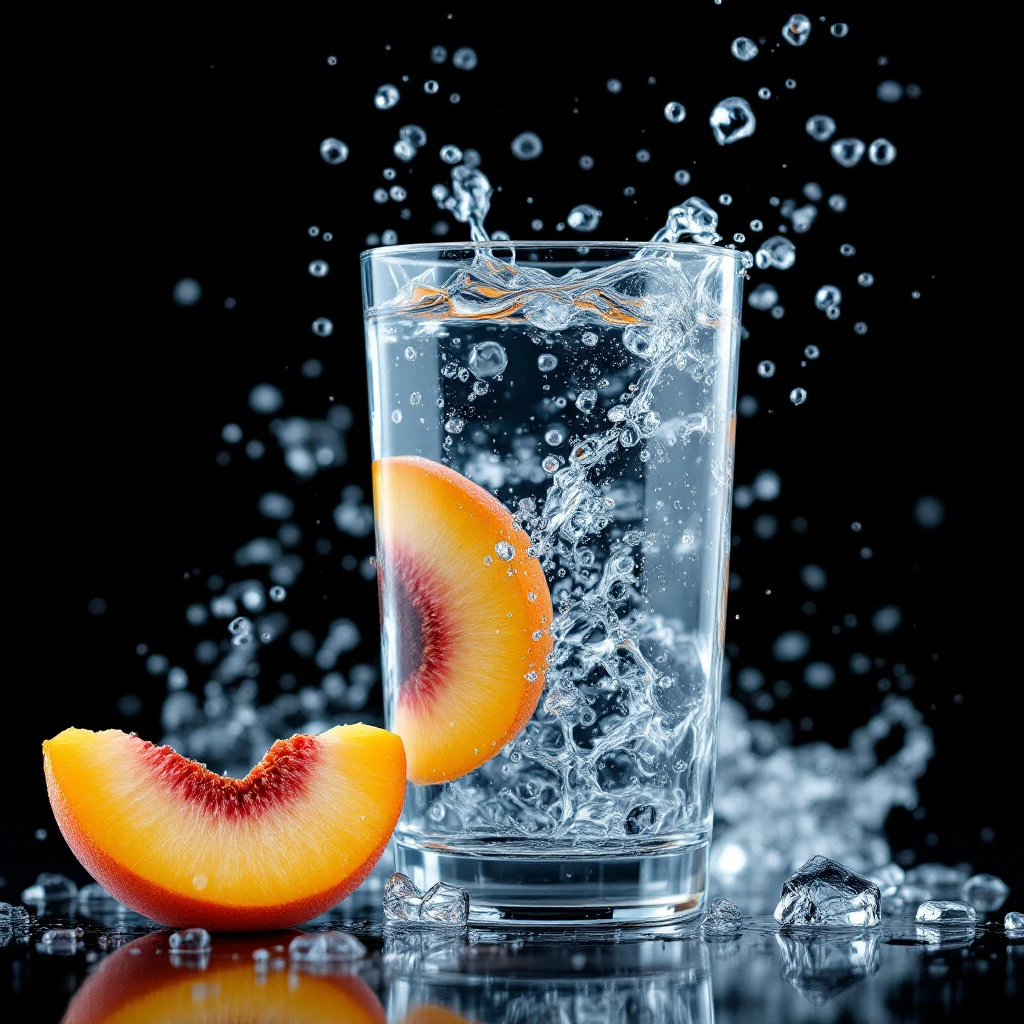
Peach water captures summer's most fleeting moment—the ripe fruit's juicy sweetness, softened by cream and a whisper of sun-warmed skin. It remains one of perfumery's rarest and most coveted materials.
Character
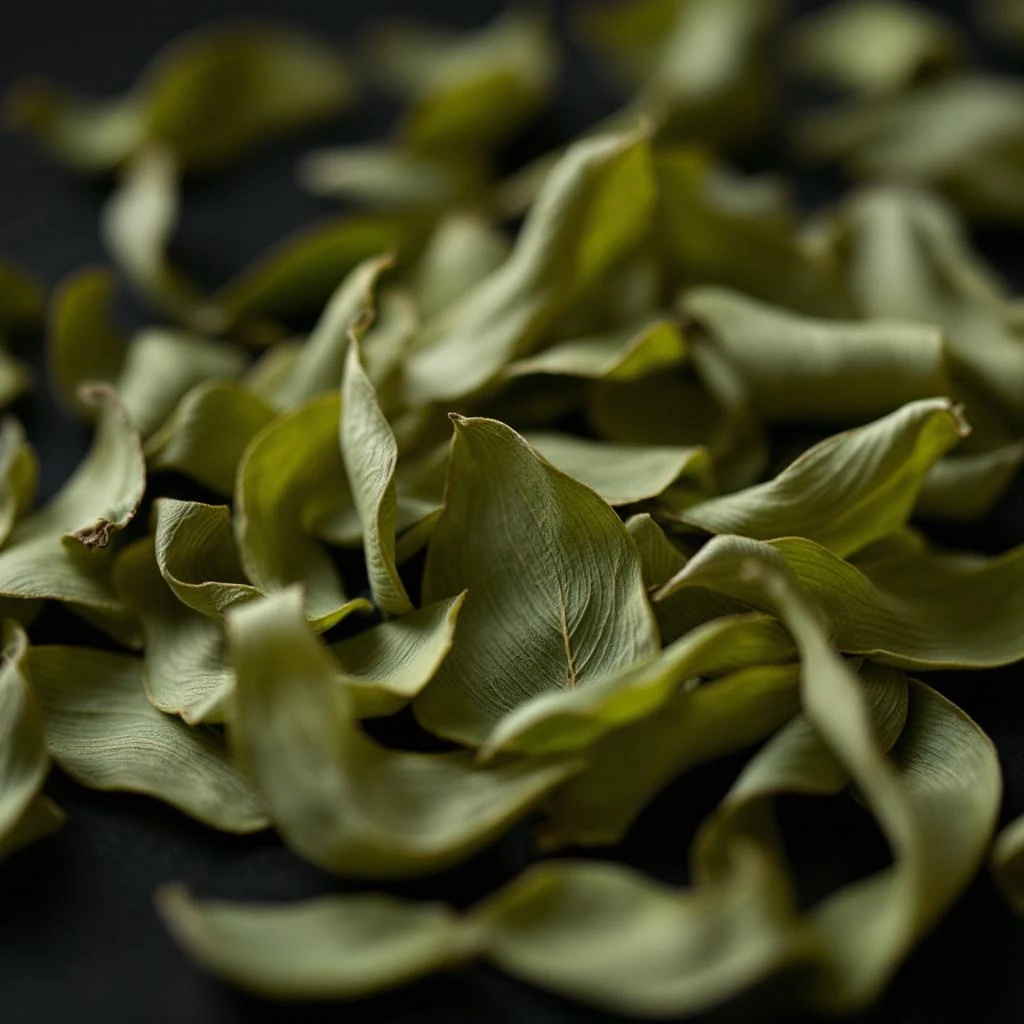
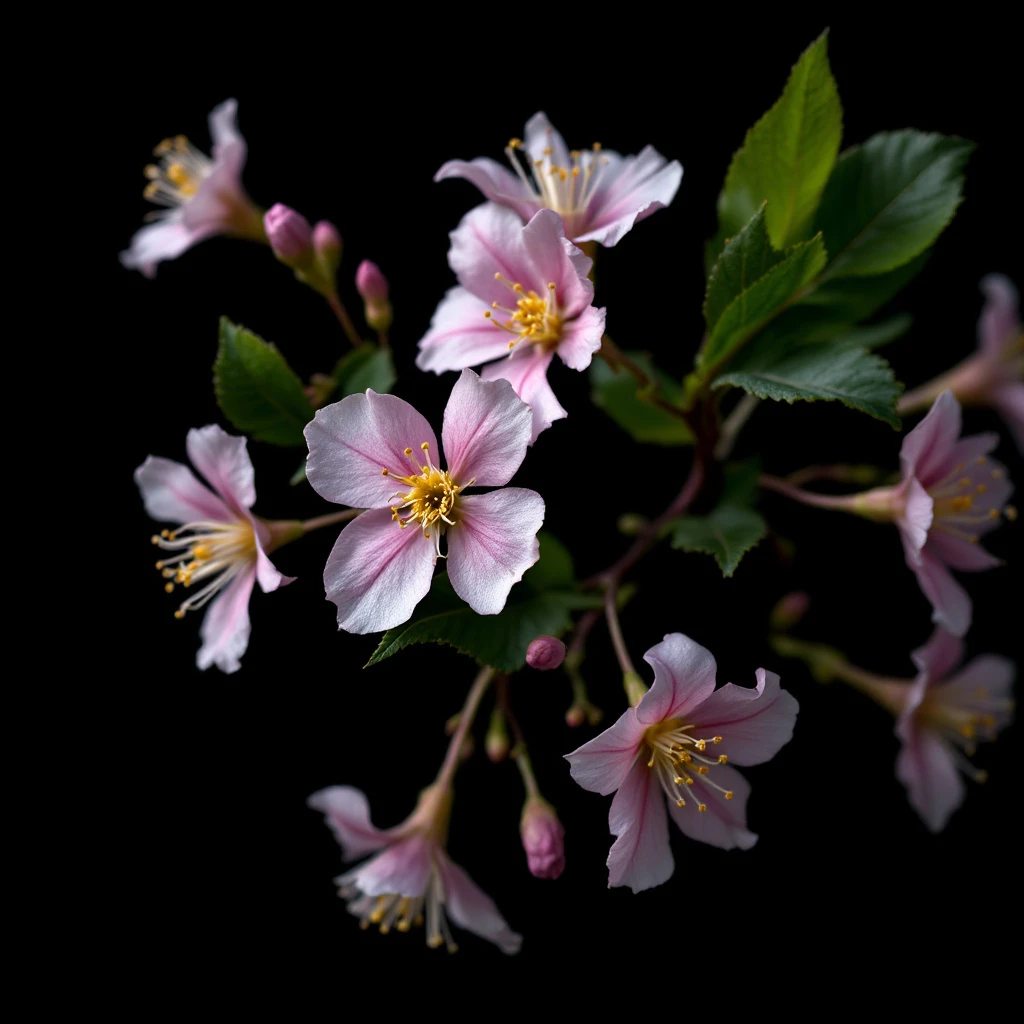
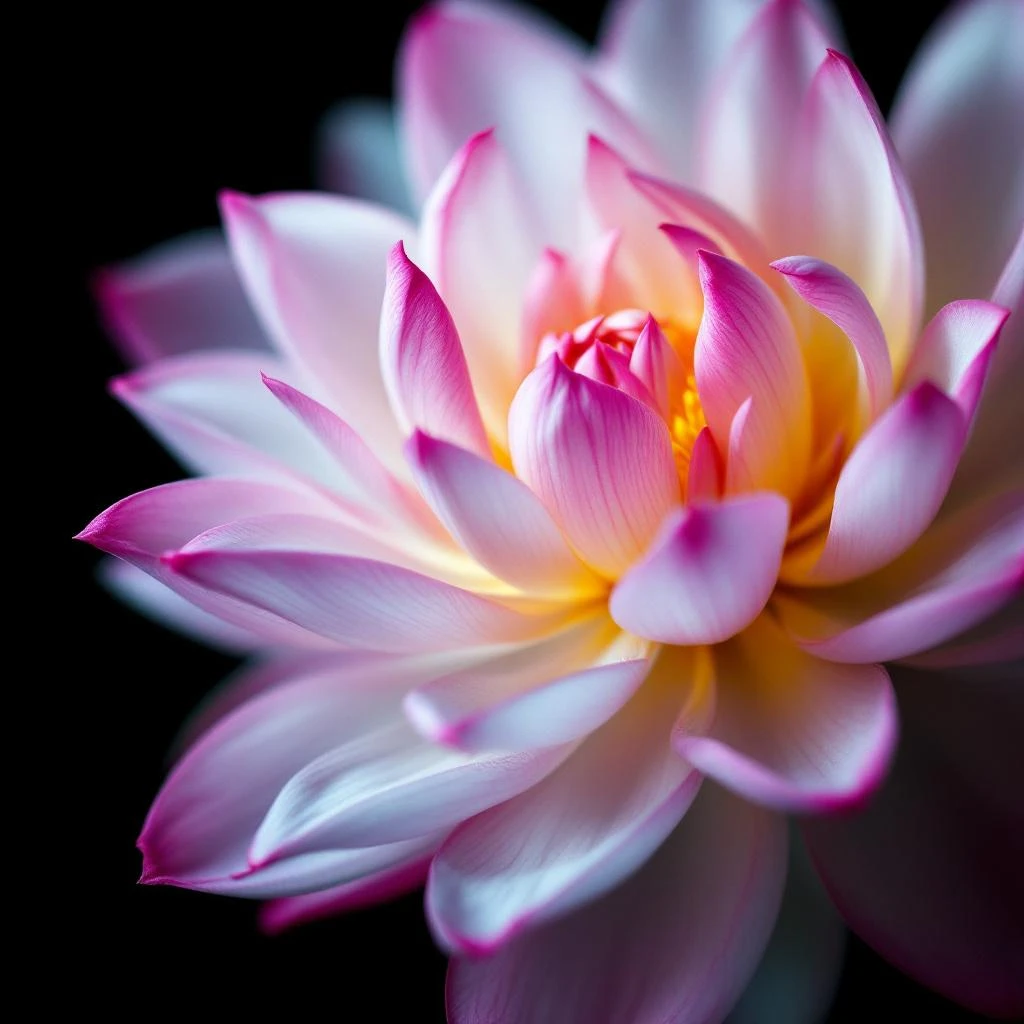
How it smells
Summer's most elusive capture
Natural peach water resists standard distillation. Perfumers turn to cold press or synthetic reconstruction using gamma-undecalactone to recreate this note.




Origin
France
Peach arrived late to Western perfumery compared to citrus and floral traditions. Jacques Guerlain changed this in 1919 with the creation of a fragrance combining natural and synthetic materials—one of the first to explicitly feature fruity notes.
This marked a pivotal shift, establishing fruit as a legitimate perfumery category rather than a novelty. Before this period, perfumers relied on natural essences extracted through enfleurage or maceration, methods that struggled with peach's delicate chemistry.
The subsequent development of synthetic aromatics, particularly gamma-undecalactone in the mid-twentieth century, democratized peach's access while raising questions about authenticity versus innovation. Contemporary natural perfumers continue pursuing genuine peach water extraction, viewing it as an alchemical challenge worth pursuing for its unmatched sensory complexity.
Wears it best
Fragrances featuring Peach Water

Brands
Brands known for Peach Water
Good to know
Questions, answered
The essentials on Peach Water in perfumery: how it smells, where it comes from, and how it behaves on skin.
Why is natural peach water so rare in perfumery?
Natural peach water resists standard extraction because heat destroys its delicate aromatic compounds during distillation. Cold press yields only trace amounts, making the ingredient prohibitively expensive. Most commercial peach notes rely on gamma-undecalactone synthesis instead.
What does peach water smell like in a fragrance?
Peach water reads as juicy, creamy, and softly powdery. The note combines ripe fruit sweetness with a lactonic richness that suggests peach skin and flesh simultaneously. It adds warmth and accessibility to both floral and oriental compositions.
Is peach water natural or synthetic?
Both versions exist. True peach water comes from cold press extraction of fresh fruit. Synthetic peach water uses gamma-undecalactone, which replicates the natural scent profile. Many fragrances blend natural and synthetic peach materials for cost-effectiveness.
When did peach first appear in perfume?
Peach entered Western perfumery around 1919 when Jacques Guerlain released a groundbreaking fragrance combining natural and synthetic materials. This marked the first time fruity notes received formal recognition as a perfumery category.
What fragrances traditionally use peach water?
Peach water appears across fruity, chypre, and oriental compositions. It works particularly well in summer fragrances, feminine florals, and modern designer scents seeking warmth without heaviness.
How does peach water differ from peach essential oil?
Peach water captures water-soluble aromatic compounds through cold press, producing a delicate, fleeting scent. Peach essential oil, typically synthetic, delivers concentrated, stable peach character. The water version offers greater subtlety and natural complexity.
What extraction method best preserves peach's aroma?
Cold press extraction maintains peach's aromatic integrity by avoiding heat. Supercritical CO2 extraction offers another option, pulling compounds at low temperatures. Both methods yield small batches of genuine peach water prized by natural perfumers.
Can peach water be blended with other fruit notes?
Peach water pairs naturally with apricot, nectarine, and white flower notes like jasmine or orange blossom. It also complements green tea, musks, and light wood bases, adding fruit warmth without overwhelming lighter compositions.