Winter Jasmine
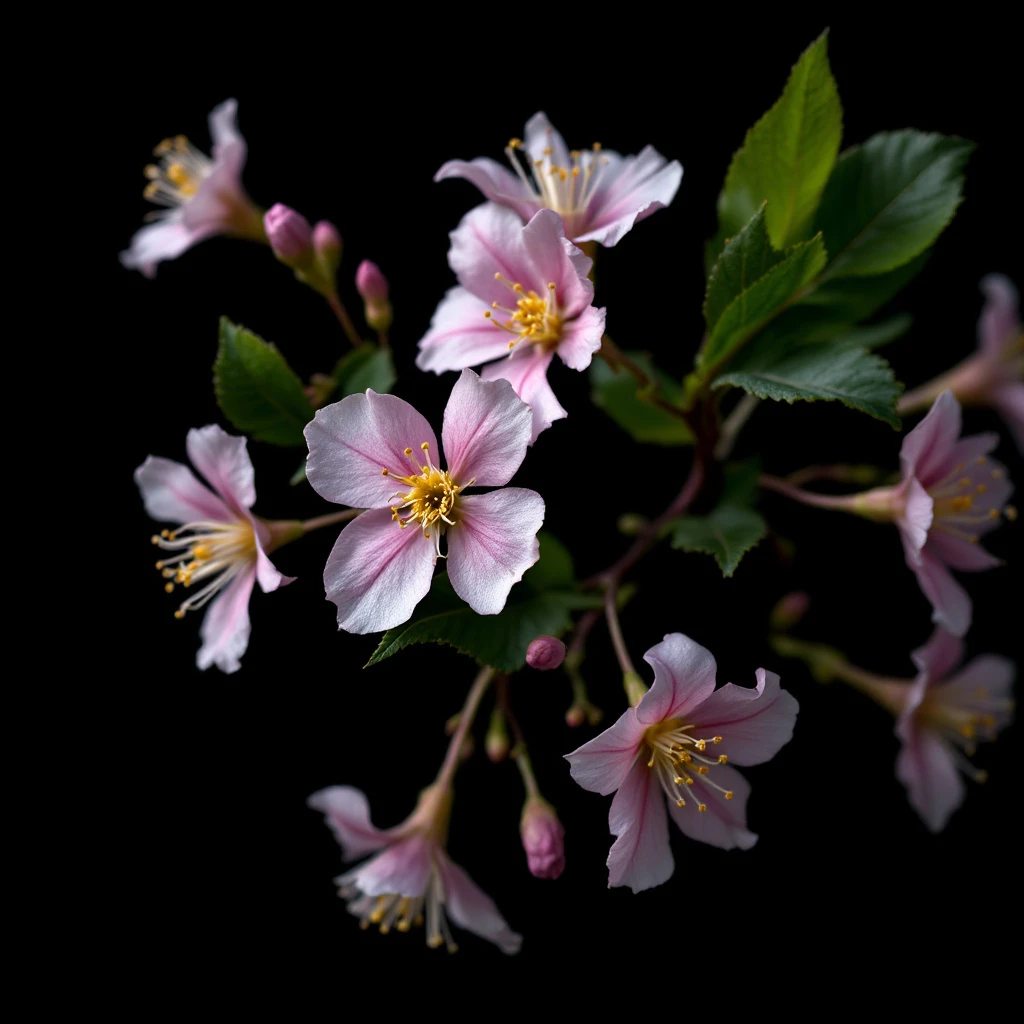
Winter Jasmine (Jasminum polyanthum) defies the cold with blooms that open in January's grip, releasing a honeyed sweetness that has made it prized across two millennia of Chinese perfumery and beyond.
Character
How it smells
The winter-blooming jasmine that conquers the cold with sweetness.
Winter Jasmine blooms when other jasmines sleep, opening its fragrant flowers as temperatures drop to near freezing in its mountain homeland.





Origin
China
Chinese cultivators first recognized Winter Jasmine's exceptional fragrance potential over two thousand years ago, cultivating it in the mountain gardens of Yunnan province. Unlike the Arabian jasmines that dominated Western perfumery, Jasminum polyanthum adapted to cooler climates, blooming precisely when the new year arrived.
Buddhist monks carried the plant through trade routes into Korea and Japan, where it became embedded in temple gardens and traditional medicine. European plant collectors discovered the species in the 1840s, with French missionary Jean-Marie Delavay documenting its growth in Yunnan.
The species received its formal botanical description in 1891, entering Western horticultural trade where it became known as Pink Jasmine for its distinctive bud coloring. Grasse perfumers incorporated Winter Jasmine absolute into formulations by the early 20th century, valuing its slightly different aromatic profile from Jasminum grandiflorum.
Wears it best
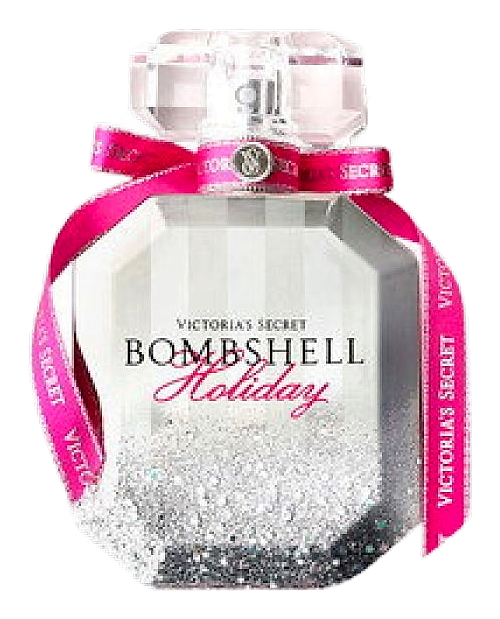
Fragrances featuring Winter Jasmine
Brands
Brands known for Winter Jasmine
Good to know
Questions, answered
The essentials on Winter Jasmine in perfumery: how it smells, where it comes from, and how it behaves on skin.
What makes Winter Jasmine different from other jasmine species?
Winter Jasmine (Jasminum polyanthum) blooms in late winter rather than summer, and produces slightly pink buds that open to white flowers. Its fragrance profile carries more honeyed, fruity notes compared to Jasminum grandiflorum.
Where does Winter Jasmine grow best?
Native to Yunnan province in southwest China, Winter Jasmine thrives at elevations between 1,800 and 3,000 meters where cool nights trigger its unique winter blooming cycle.
How many flowers does Winter Jasmine yield per gram of absolute?
Like other jasmine species, approximately 8,000 blossoms are required to produce a single gram of absolute, with harvest timing critical to maintaining aromatic quality.
What extraction method captures Winter Jasmine's scent most effectively?
Solvent extraction produces the highest quality Winter Jasmine absolute, better preserving the delicate indole and ester compounds that define its characteristic honeyed sweetness.
Which countries produce Winter Jasmine for perfumery?
China remains the primary producer, with Yunnan supplying the majority of absolute. Egypt and India have recently begun cultivating the species for the international fragrance industry.
When was Winter Jasmine formally described botanically?
French botanist Adrien René Franchet formally described Jasminum polyanthum in 1891, though Chinese cultivators had already prized the plant for over two millennia.
Does Winter Jasmine have cultural significance in China?
Chinese traditional medicine incorporated Winter Jasmine for its purported anti-inflammatory properties, while Buddhist monks spread the plant through temple gardens across East Asia.
What challenges affect Winter Jasmine cultivation?
The narrow two to three week harvest window requires intensive hand-picking labor, and temperature fluctuations during blooming can significantly impact both yield and aromatic quality.




